
Author Archives: WhiteAuraVastuStore

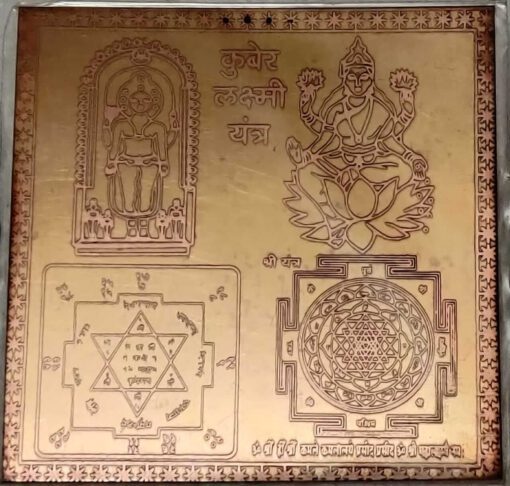
Aakarshan Yantra

Energised Aakarshan Yantra: A Comprehensive Overview

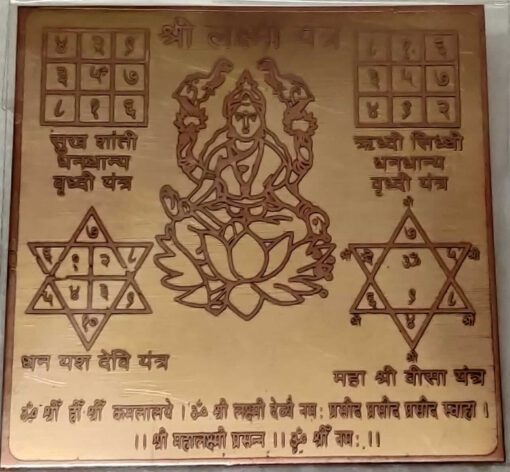
The Energised Aakarshan Yantra is a revered spiritual instrument in the realm of Vedic astrology and Hindu rituals, designed to attract positive energy, wealth, and prosperity. This yantra, a form of sacred geometry, is not only a powerful tool for personal transformation but also a symbol of divine intervention in enhancing various aspects of one’s life.

Understanding the Aakarshan Yantra

The term “Aakarshan” translates to “attraction” or “drawing towards oneself” in Sanskrit, and “Yantra” refers to a mystical diagram or instrument used for meditation and rituals. The Aakarshan Yantra, therefore, is designed to magnetically attract and enhance desirable energies, particularly related to material and spiritual wealth.

Design and Symbolism

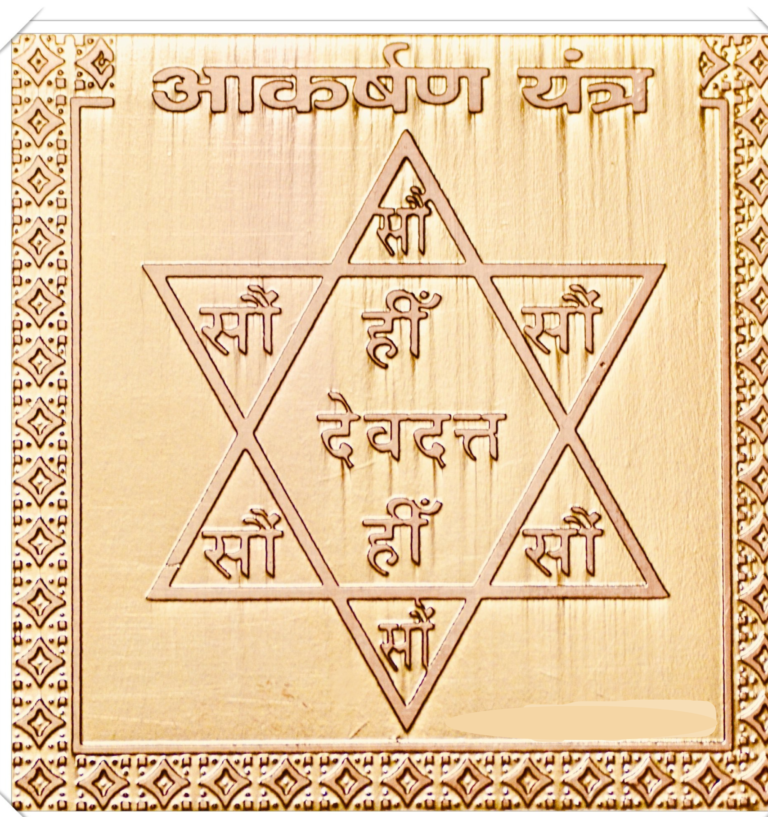
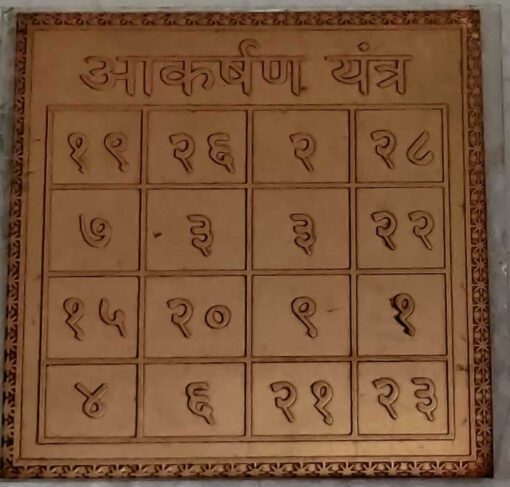
The Aakarshan Yantra typically consists of intricate geometric patterns and symbols, meticulously crafted to create a harmonic resonance that aligns with cosmic energies. At its core, the yantra usually features a central point known as the “Bindu,” surrounded by concentric geometric shapes like triangles, squares, and circles. Each element of the yantra has specific esoteric significance:

  1. Bindu (Central Point): Represents the source of divine energy and the point of origin from which the entire universe emanates. It symbolizes unity and the infinite potential of creation.
  2. Triangles: Often depicted as interlocking or overlapping, these shapes are emblematic of the balance between the divine masculine and feminine energies. They signify harmony, stability, and the dynamic nature of life.
  3. Squares: Symbolize stability, groundedness, and the material world. They represent the physical aspects of existence and the foundation upon which one builds their desires.
  4. Circles: Encircling the yantra, circles represent the cyclical nature of life, unity, and the infinite nature of divine energy.


Energisation Process

The term “Energised” refers to the process of imbuing the yantra with specific vibrations and spiritual potency. This energisation is typically performed by a knowledgeable practitioner or guru who invokes divine energies and consecrates the yantra through rituals and prayers. The process involves:

  1. Purification: The yantra is cleansed using sacred substances like water, incense, or herbs to remove any residual negative energies and prepare it for consecration.
  2. Invocation of Deity: The practitioner invokes a specific deity associated with attraction and prosperity, often Goddess Lakshmi, who is revered as the embodiment of wealth and abundance.
  3. Mantra Recitation: Specific mantras or chants are recited to infuse the yantra with divine energy and amplify its power. These mantras are believed to resonate with the yantra’s geometric patterns, enhancing its effectiveness.
  4. Offering and Rituals: Offerings of flowers, fruits, and sacred items are made to honor the deity and complete the energisation process.

Applications and Benefits

The Energised Aakarshan Yantra is used for various purposes, each tailored to the individual’s needs and aspirations:

  1. Attracting Wealth and Prosperity: The primary use of the Aakarshan Yantra is to draw in financial abundance and material success. It is believed to create a magnetic field that attracts opportunities, wealth, and resources.
  2. Enhancing Personal Magnetism: Individuals seeking to improve their personal charm, influence, and magnetic appeal often use the yantra. It helps in building better relationships and social connections.
  3. Fostering Spiritual Growth: Beyond material benefits, the yantra is also used for spiritual growth and enlightenment. It helps in aligning one’s energies with higher spiritual realms and achieving inner peace.
  4. Balancing Energies: The yantra can be used to harmonize energies within a space or individual, promoting overall well-being and stability.

Placement and Use

For optimal effectiveness, the placement and use of the Energised Aakarshan Yantra are crucial:

  1. Location: The yantra should be placed in a clean, quiet space where it can be revered regularly. Ideally, it should be positioned in the northeast corner of a room or office to harness positive energy.
  2. Meditation and Worship: Regular meditation and worship of the yantra are essential. Practitioners often perform daily prayers, recite mantras, and offer gratitude to the divine energy represented by the yantra.
  3. Care and Maintenance: Keeping the yantra clean and undisturbed is important for maintaining its potency. Regular dusting and periodic energisation by a spiritual practitioner can ensure its continued effectiveness.

Cultural and Spiritual Significance

In Hindu culture, the Aakarshan Yantra holds profound spiritual significance. It is not merely a tool for material gain but a symbol of divine grace and abundance. The yantra represents the intersection of human desires with cosmic energies, illustrating the harmony between material success and spiritual fulfillment.

The practice of using yantras dates back thousands of years and is deeply embedded in Vedic traditions. The Aakarshan Yantra, like other yantras, reflects a belief in the power of sacred geometry to channel and amplify divine energies. By aligning one’s intentions with the yantra’s energy, practitioners seek to manifest their highest potential and attract positive outcomes in their lives.

The Energised Aakarshan Yantra is a potent spiritual tool designed to attract and enhance energies related to wealth, prosperity, and personal growth. Its intricate design, energisation process, and various applications make it a valuable asset for those seeking to align their desires with cosmic forces. By understanding and utilizing the yantra’s power, individuals can foster both material and spiritual enrichment, contributing to a more balanced and fulfilling life.
Maha Ashtami


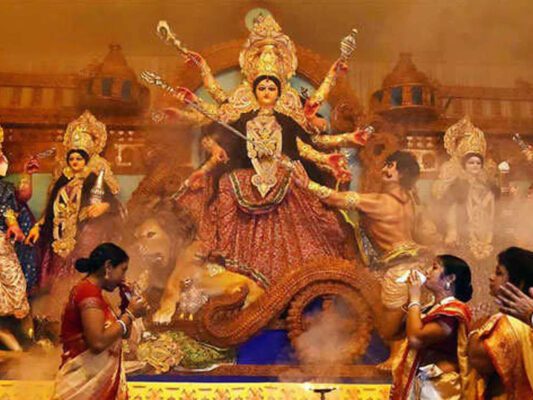
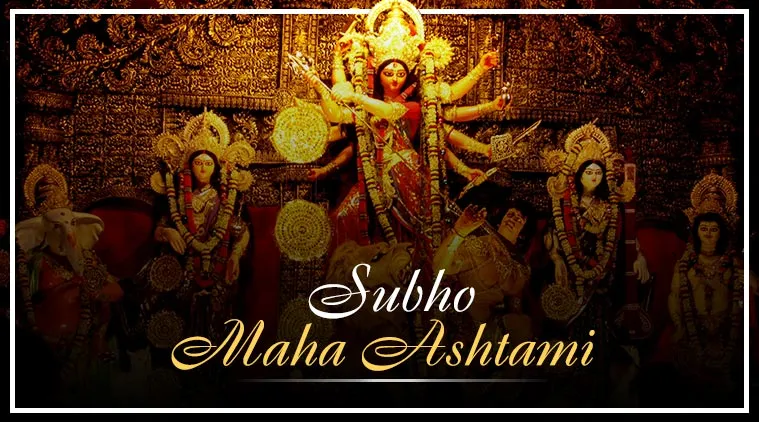
Maha Ashtami, the eighth day of the Hindu festival of Durga Puja, holds profound significance across India, especially in states like West Bengal, Assam, and Bihar where the festival is celebrated with unparalleled fervor and grandeur. This thousand-word description delves into the rich traditions, rituals, symbolism, and festivities associated with Maha Ashtami, illuminating its spiritual and cultural importance in the hearts and lives of millions who partake in this auspicious occasion.

Introduction to Durga Puja and Maha Ashtami

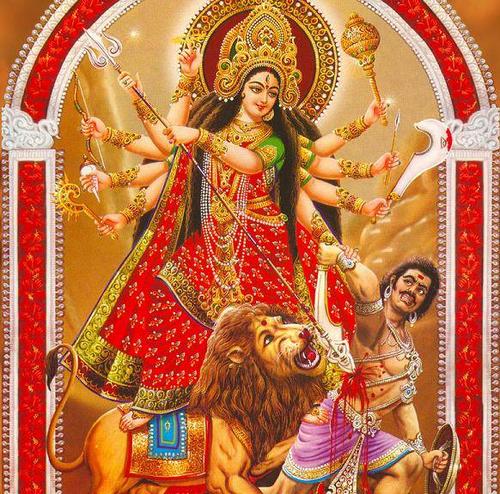
Durga Puja, also known as Navaratri, is a nine-night festival dedicated to honoring Goddess Durga, the embodiment of divine feminine energy and strength. Each day of Navaratri celebrates a different form of the goddess, with Maha Ashtami marking the eighth day. It is believed that on this day, Goddess Durga engages in a fierce battle against the buffalo demon Mahishasura, ultimately triumphing over evil and restoring harmony in the universe.

Spiritual Significance and Mythological Background

Maha Ashtami holds significant mythological and spiritual importance rooted in Hindu scriptures and legends. According to Hindu mythology, Goddess Durga manifested from the combined energies of various gods to combat the formidable demon Mahishasura, who had unleashed terror upon the heavens and earth. Armed with divine weapons and riding a lion, Goddess Durga waged a relentless battle against Mahishasura for nine nights and days, culminating in his defeat on the tenth day, Vijaya Dashami.


Maha Ashtami, the eighth day of the Hindu festival of Durga Puja, holds profound significance across India, especially in states like West Bengal, Assam, and Bihar where the festival is celebrated with unparalleled fervor and grandeur. This thousand-word description delves into the rich traditions, rituals, symbolism, and festivities associated with Maha Ashtami, illuminating its spiritual and cultural importance in the hearts and lives of millions who partake in this auspicious occasion.

Durga Puja, also known as Navaratri, is a nine-night festival dedicated to honoring Goddess Durga, the embodiment of divine feminine energy and strength. Each day of Navaratri celebrates a different form of the goddess, with Maha Ashtami marking the eighth day. It is believed that on this day, Goddess Durga engages in a fierce battle against the buffalo demon Mahishasura, ultimately triumphing over evil and restoring harmony in the universe.

Spiritual Significance and Mythological Background

Maha Ashtami holds significant mythological and spiritual importance rooted in Hindu scriptures and legends. According to Hindu mythology, Goddess Durga manifested from the combined energies of various gods to combat the formidable demon Mahishasura, who had unleashed terror upon the heavens and earth. Armed with divine weapons and riding a lion, Goddess Durga waged a relentless battle against Mahishasura for nine nights and days, culminating in his defeat on the tenth day, Vijaya Dashami.

In conclusion, Maha Ashtami stands as a pivotal day during the grand festival of Durga Puja, symbolizing the culmination of devotion, rituals, and celebrations in honor of Goddess Durga. It epitomizes the triumph of good over evil and the divine intervention that restores cosmic balance and righteousness. Through its rich traditions, spiritual significance, cultural vibrancy, and communal harmony, Maha Ashtami reinforces the enduring cultural heritage and spiritual values cherished by devotees of Goddess Durga across generations. It serves as a time for introspection, renewal of faith, and collective celebration of the divine feminine energy that nurtures and protects all beings.


Cultural Celebrations and Festivities

Maha Ashtami is not only a religious occasion but also a time of joyous cultural celebrations and community gatherings. Cities and towns across India, especially in West Bengal, come alive with vibrant decorations, artistic pandals, and elaborate lighting arrangements that showcase creativity and craftsmanship. Artisans and craftsmen display their skills through intricate designs and thematic representations in pandals, often depicting mythological narratives or contemporary social issues.

Symbolism and Iconography

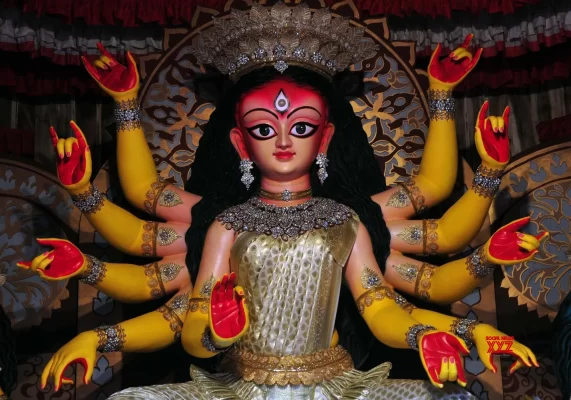
The iconography associated with Maha Ashtami revolves around the depiction of Goddess Durga in her fierce form, adorned with weapons in her multiple arms and seated atop a lion or tiger. The lion symbolizes courage and valor, while the goddess’s weapons represent her divine power to combat evil and protect her devotees from harm. The imagery embodies the triumph of righteousness and the victory of good over evil, inspiring devotees to emulate these virtues in their own lives.

Community Involvement and Charity

During Durga Puja, including Maha Ashtami, communities actively engage in charitable activities and social service initiatives. Many puja committees organize blood donation camps, health clinics, and distribution of food and clothing to the underprivileged. These initiatives reflect the spirit of compassion, solidarity, and social responsibility ingrained in the festival’s ethos.

Maha Saptami


Maha Saptami is on 10 October

Maha Saptami, a significant day during the auspicious occasion of Durga Puja, holds deep cultural and religious importance in Hindu tradition, particularly in Bengal and other parts of India where the festival is celebrated with great fervor. This thousand-word description delves into the rituals, spiritual significance, cultural elements, and festive atmosphere surrounding Maha Saptami.

Introduction to Durga Puja and Maha Saptami

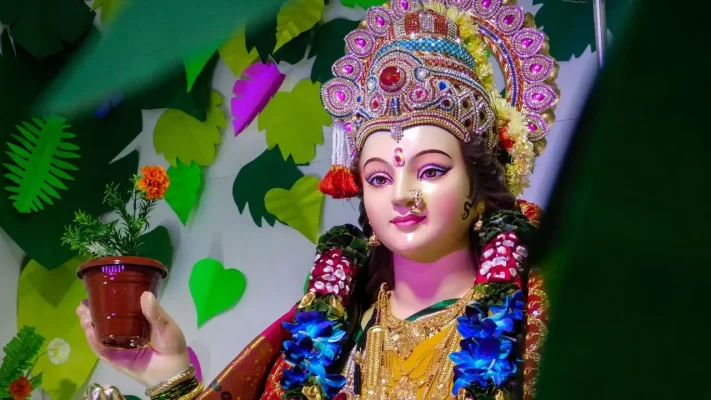
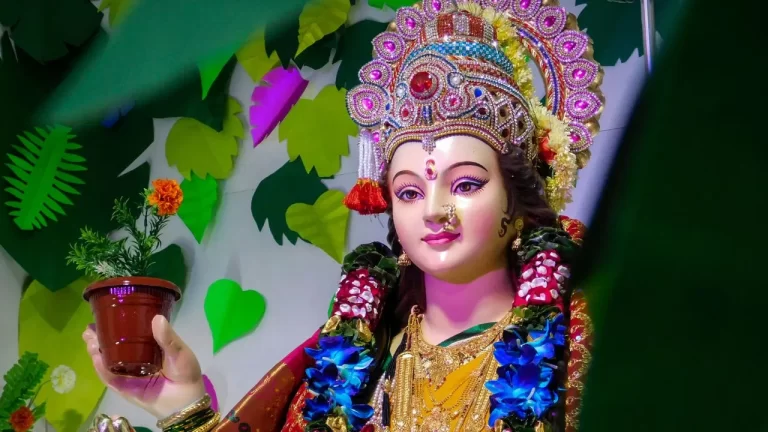
Durga Puja, also known as Navaratri or Durgotsav, is a major Hindu festival dedicated to Goddess Durga, the divine embodiment of strength, courage, and feminine power. It spans nine days, with each day representing a different manifestation of the goddess and culminating in Vijayadashami, the tenth day celebrated as Dussehra. Maha Saptami, the seventh day of Durga Puja, holds particular significance as it marks the beginning of the main festivities and rituals associated with the worship of Goddess Durga.

Rituals and Observances on Maha Saptami

Morning Prayers and Kalparambha

The day begins with devotees waking up early to perform ritualistic prayers and ablutions. They cleanse themselves physically and spiritually to prepare for the day’s festivities. The morning rituals often include Kalparambha, the ceremonial invocation of Goddess Durga into a sacred vessel or Kalash, symbolizing her presence and blessings throughout the festival.

Mahasnan and Adorning the Goddess

Following the morning prayers, the idol of Goddess Durga, adorned in traditional attire and jewelry, undergoes a ceremonial bath known as Mahasnan. This purifying ritual is performed amidst chanting of Vedic hymns and mantras, symbolizing the purification of the deity and the environment for her divine presence.

Saptami Puja and Aarti

As the day progresses, devotees gather at pandals (temporary structures or elaborately decorated temples) to witness and participate in the Saptami Puja ceremony. Priests perform intricate rituals involving the offering of flowers, fruits, sweets, and sacred items to the goddess. Devotees offer prayers and seek blessings for prosperity, health, and protection from the goddess.

The highlight of the Saptami Puja is the recitation of hymns and prayers dedicated to Goddess Durga, praising her valor and divine attributes. The atmosphere reverberates with the sound of conch shells, bells, and devotional songs, creating a spiritually charged ambiance.

Nabapatrika Snan and Kolabou Snan

Maha Saptami also witnesses the Nabapatrika Snan, a ritualistic bath of nine sacred plants symbolizing the nine forms of Goddess Durga. These plants, tied together in a bundle, are bathed in a holy water body amidst chants and prayers. This ritual signifies the purification and consecration of nature’s elements, invoking blessings for fertility, prosperity, and well-being.

Simultaneously, Kolabou Snan, or the bathing of the banana plant (Kola Bou), is performed. The banana plant, symbolizing Goddess Lakshmi, is adorned with red and white threads and bathed in a ceremonial manner. This ritual signifies the presence of all goddesses during Durga Puja and their blessings upon devotees.

Bhog and Distribution of Prasad

After the puja rituals conclude, devotees participate in the offering of Bhog (sanctified food) to the goddess. The Bhog, consisting of traditional dishes like khichuri (a rice and lentil preparation), labra (mixed vegetable curry), and sweets like payesh (rice pudding), is first offered to the goddess and then distributed as Prasad (blessed food) among the devotees. Sharing Prasad is believed to bring spiritual blessings and divine grace to the recipients.


Maha Saptami, a significant day within the auspicious festival of Durga Puja, holds deep spiritual and cultural importance across India, particularly in regions like West Bengal where the celebrations are most elaborate. Observed on the seventh day of Navaratri, Maha Saptami marks the commencement of Durga Puja festivities with intricate rituals and devout ceremonies. It is believed that on this day, Goddess Durga begins her journey from Mount Kailash to Earth, accompanied by divine energies and the blessings of various gods. The day unfolds with rituals like Kalparambha and Prana Pratishtha, where the goddess is invoked into the idol amidst Vedic chants and prayers. Bodhon, the awakening ceremony, symbolizes the formal invitation of Goddess Durga to bless her devotees, followed by the elaborate Shodashopachara Puja, involving sixteen ritualistic offerings. 

Maha Saptami holds profound significance within the Hindu festival of Durga Puja, particularly in the states of West Bengal, Assam, and other regions where the festival is fervently celebrated. It marks the seventh day of Navaratri, a nine-night festival dedicated to Goddess Durga and her various manifestations. The significance of Maha Saptami can be understood through several key aspects:

  1. Commencement of Festivities: Maha Saptami is considered the beginning of the main celebrations of Durga Puja. It marks the day when Goddess Durga begins her journey from Mount Kailash to Earth, accompanied by her divine entourage and the blessings of other gods and goddesses. This day sets the stage for elaborate rituals, puja ceremonies, and cultural festivities that continue through Navaratri.

  2. Rituals and Worship: The day is characterized by intricate rituals performed to invoke the presence of Goddess Durga into her idol. These rituals include Kalparambha (the ceremonial planting of a banana tree symbolizing the goddess), Prana Pratishtha (invocation of the deity’s spirit into the idol), and Shodashopachara Puja (worship involving sixteen ritualistic steps). Devotees offer prayers, flowers, fruits, sweets, and incense to seek the blessings of the goddess for prosperity, protection, and spiritual upliftment.

  3. Symbolism and Mythological Significance: Maha Saptami is steeped in mythology that underscores the victory of good over evil. It commemorates the divine intervention of Goddess Durga to vanquish the buffalo demon Mahishasura, restoring harmony and righteousness in the cosmos. The rituals performed on Maha Saptami symbolize the preparation for battle against negativity and the empowerment of devotees with divine grace.

  4. Cultural and Social Celebrations: Beyond its religious import, Maha Saptami is a time of vibrant cultural celebrations and community gatherings. It brings together people from diverse backgrounds to participate in the joyous festivities, including colorful processions, traditional music and dance performances, and elaborate decorations of pandals (temporary structures housing the goddess’s idol). These celebrations foster a sense of unity, cultural pride, and social cohesion among devotees.

  5. Spiritual Renewal: Maha Saptami serves as an opportunity for spiritual renewal and introspection. Devotees reflect on the virtues of courage, righteousness, and devotion embodied by Goddess Durga. It is a time to seek inner strength, overcome challenges, and reaffirm faith in the divine presence that protects and nurtures devotees.

In essence, Maha Saptami is a day of profound spiritual significance and cultural celebration during Durga Puja. It honors the divine feminine energy represented by Goddess Durga and signifies the triumph of good over evil, invoking blessings for peace, prosperity, and spiritual fulfillment among devotees.

Maha Saptami holds profound significance within the Hindu festival of Durga Puja, particularly in the states of West Bengal, Assam, and other regions where the festival is fervently celebrated. It marks the seventh day of Navaratri, a nine-night festival dedicated to Goddess Durga and her various manifestations. The significance of Maha Saptami can be understood through several key aspects:

  1. Commencement of Festivities: Maha Saptami is considered the beginning of the main celebrations of Durga Puja. It marks the day when Goddess Durga begins her journey from Mount Kailash to Earth, accompanied by her divine entourage and the blessings of other gods and goddesses. This day sets the stage for elaborate rituals, puja ceremonies, and cultural festivities that continue through Navaratri.

  2. Rituals and Worship: The day is characterized by intricate rituals performed to invoke the presence of Goddess Durga into her idol. These rituals include Kalparambha (the ceremonial planting of a banana tree symbolizing the goddess), Prana Pratishtha (invocation of the deity’s spirit into the idol), and Shodashopachara Puja (worship involving sixteen ritualistic steps). Devotees offer prayers, flowers, fruits, sweets, and incense to seek the blessings of the goddess for prosperity, protection, and spiritual upliftment.

Symbolism and Mythological Significance: Maha Saptami is steeped in mythology that underscores the victory of good over evil. It commemorates the divine intervention of Goddess Durga to vanquish the buffalo demon Mahishasura, restoring harmony and righteousness in the cosmos. The rituals performed on Maha Saptami symbolize the preparation for battle against negativity and the empowerment of devotees with divine grace.

Onam: Thiruvonam Rituals, Significance, Dates


Onam: 15 September, 2024

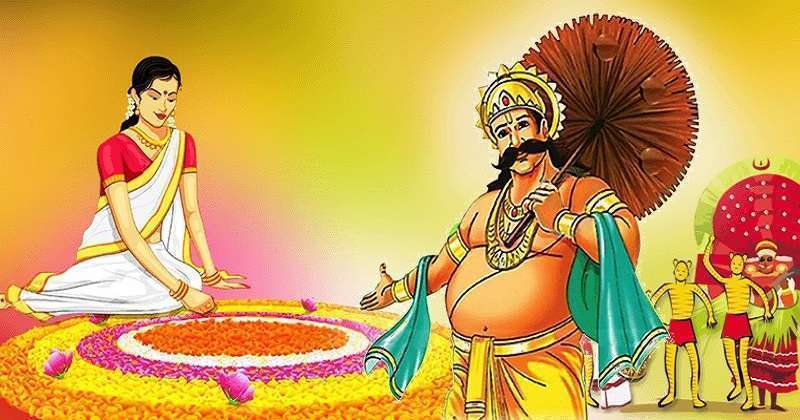
Onam, the vibrant and cherished festival of Kerala, South India, is a celebration deeply rooted in tradition, culture, and community spirit. Spanning over ten days, Onam marks the homecoming of the mythical King Mahabali, a beloved ruler whose reign symbolizes prosperity, harmony, and equality. This thousand-word description delves into the rich tapestry of Onam, exploring its cultural significance, traditional rituals, festive preparations, and the joyous spirit that defines this auspicious occasion.

Cultural Significance of Onam

Onam holds immense cultural significance for the people of Kerala, transcending religious boundaries to unite communities in a shared celebration of heritage and history. The festival is rooted in the legend of King Mahabali, a mythical ruler known for his benevolence and generosity. According to legend, Mahabali’s reign was marked by unparalleled prosperity and happiness. However, his growing power and popularity aroused the jealousy of the gods, particularly Lord Vishnu. In response to the gods’ concerns, Vishnu assumed the avatar of Vamana, a dwarf Brahmin, and approached Mahabali for alms. The generous king offered Vamana whatever he desired, unaware of the deity’s true identity.

Vamana requested three paces of land, to which Mahabali agreed without hesitation. To everyone’s surprise, Vamana transformed into a giant and covered the entire universe in two strides. With no space left for the third stride, Mahabali offered his own head for Vamana to place his foot. Impressed by Mahabali’s selflessness and devotion, Vamana granted the king a boon—the opportunity to visit his beloved subjects once a year. Thus, Onam is celebrated to welcome King Mahabali’s annual return to his kingdom, ensuring prosperity and happiness for Kerala.

Festive Preparations and Decorations

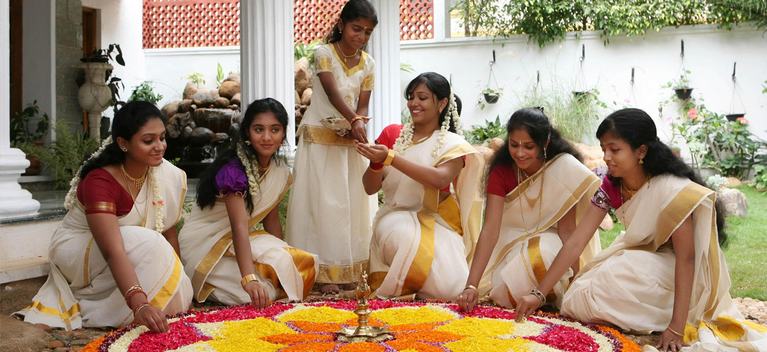
Preparations for Onam begin weeks in advance, with families cleaning and decorating their homes to create a festive atmosphere. Pookalams play a central role in Onam decorations, with intricate designs adorning courtyards and entrances. Each day leading up to Thiruvonam sees the addition of new floral patterns, showcasing the creativity and devotion of participants. Homes are illuminated with traditional oil lamps called Nilavilakku, symbolizing prosperity and auspiciousness.

Shopping for Onam is a joyous affair, with markets bustling with shoppers seeking new clothes, accessories, and gifts. Traditional attire like Kasavu sarees for women and Mundu for men are popular choices, worn proudly during festive gatherings and cultural performances. Families also purchase ingredients for Onam Sadya, ensuring they have everything needed to prepare the elaborate feast.

Onam is also a time for charity and community service, with individuals and organizations reaching out to the less fortunate through donations and acts of kindness. The festival reinforces the importance of compassion and empathy, fostering a sense of solidarity within the community.


Onam is more than just a festival—it is a celebration of Kerala’s rich cultural heritage, its traditions, and its values of inclusivity and prosperity. Through its vibrant rituals, sumptuous feasts, and joyous festivities, Onam brings people together in a spirit of unity and harmony. It serves as a reminder of the enduring legacy of King Mahabali and the timeless values he represents—generosity, humility, and the pursuit of happiness for all. As Kerala lights up with Pookalams, resonates with traditional music and dance, and savors the flavors of Onam Sadya, the festival continues to captivate hearts and minds, transcending boundaries to unite communities in a celebration of life and abundance.

Rituals and Traditions of Onam

Onam festivities span ten days, with each day holding special significance and unique rituals:

  1. Atham: The first day marks the beginning of Onam festivities, with people decorating their homes with intricate flower arrangements called Pookalam. Pookalams are created using vibrant flowers like marigolds, chrysanthemums, and dahlias, symbolizing prosperity and devotion.

  2. Chithira: On the second day, preparations intensify as families clean their homes and begin shopping for new clothes and gifts. Traditional Onakkodi, or new attire, is an essential part of the celebrations.

  3. Chodhi: The third day sees the completion of Pookalams, which grow larger and more elaborate as communities compete to create the most beautiful designs. Pookalams are believed to welcome Mahabali into homes and bring blessings for the year ahead.

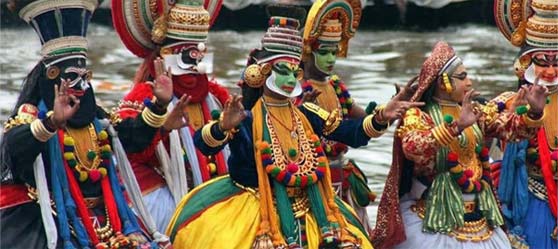
  4. Vishakam: The fourth day marks the onset of grand celebrations, with temples and community centers hosting cultural performances, including traditional dance forms like Thiruvathira and Kummattikali. Artisans showcase their skills through intricate crafts and displays.

  5. Anizham: The fifth day is dedicated to festive shopping and preparations for the grand feast, known as Onam Sadya. Families gather ingredients for the elaborate meal, which features a variety of vegetarian dishes served on fresh banana leaves.

  6. Thriketa: On the sixth day, excitement builds as communities come together for sports and recreational activities, including boat races and traditional games like Talappanthukali and Kutukutu.

  7. Moolam: The seventh day is marked by rituals honoring the ancestral spirits and offering prayers for prosperity and well-being. Families visit temples and participate in religious ceremonies.

  8. Pooradam: The eighth day sees the culmination of preparations for Onam Sadya, with women busy preparing delicacies like avial, olan, thoran, and payasam. The aroma of spices fills homes as families anticipate the feast.

  9. Uthradam: The ninth day is a day of anticipation and joy as families come together to celebrate Onam eve. Homes are adorned with traditional lamps and decorations, creating a festive ambiance.

  10. Thiruvonam: The tenth and final day of Onam is the most significant, as it marks King Mahabali’s return to Kerala. Families wake up early to offer prayers and welcome the king with Pookalams and traditional rituals. The highlight of Thiruvonam is the grand Onam Sadya, a feast served on banana leaves that typically includes over 20 dishes. People dress in their finest attire, exchange gifts, and participate in cultural performances to honor Mahabali and celebrate unity and harmony.


Celebrating Onam: Kerala’s Grand Festival of Culture and Tradition

Onam, the cherished festival of Kerala, is a vibrant celebration steeped in tradition and cultural richness. It spans ten joyous days, each marked by unique rituals and fervent preparations that culminate in Thiruvonam, the grand finale. At its heart, Onam commemorates the return of King Mahabali, whose reign symbolizes prosperity and equality. The festival’s essence lies in the creation of elaborate Pookalams, intricate floral carpets that adorn homes and public spaces to welcome Mahabali and invoke blessings of abundance. From cleaning homes and shopping for new attire to preparing the sumptuous Onam Sadya feast, Onam unites families and communities in a spirit of togetherness and festive cheer.

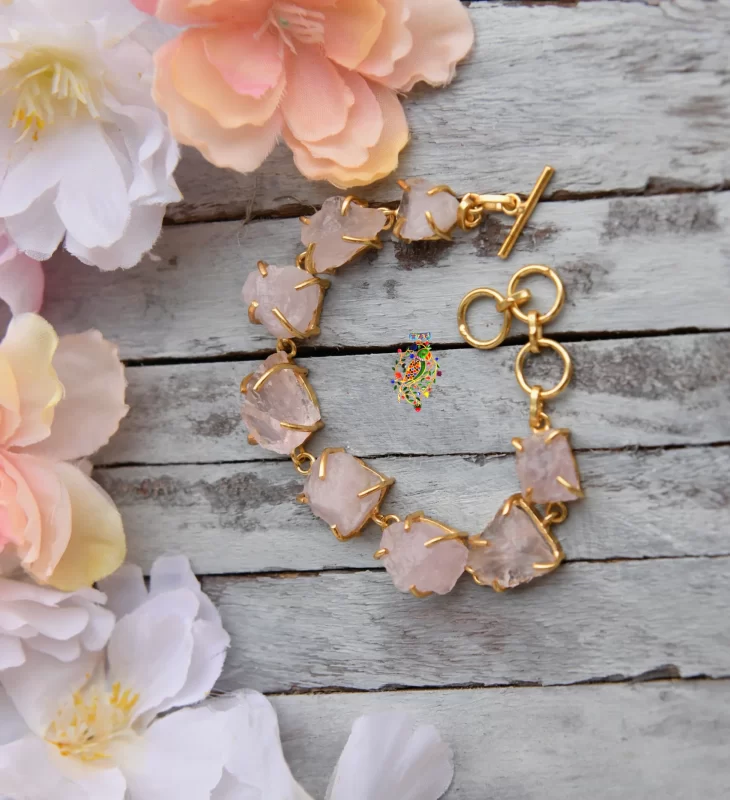
Amethyst, Rose Quartz & Clear Quartz Healing Crystal Bracelet


Using an Amethyst, Rose Quartz, and Clear Quartz healing crystal bracelet effectively involves integrating it into your daily life with intention and mindfulness. Here are practical ways to use and benefit from wearing such a bracelet:

  1. Wearing the Bracelet Daily:

    • Intentions and Affirmations: Before putting on the bracelet each day, set positive intentions or affirmations related to what you wish to manifest or enhance in your life. Focus on qualities like love, peace, clarity, or healing.
  2. Meditation and Spiritual Practices:

    • Hold or Wear During Meditation: During meditation sessions, hold the bracelet in your hands or wear it on your wrist. Focus on the energy of the crystals to deepen your meditation experience, enhance spiritual awareness, and receive insights.
  3. Chakra Healing and Balancing:

    • Chakra Alignment: Each crystal corresponds to specific chakras—Amethyst to the crown chakra (spirituality), Rose Quartz to the heart chakra (love and compassion), and Clear Quartz to all chakras (amplification). Use the bracelet to balance and align these energy centers for overall well-being.
  4. Emotional Support:

    • Wear for Emotional Healing: The combination of Amethyst and Rose Quartz promotes emotional healing, reduces stress, and fosters inner peace and self-love. Wear the bracelet during challenging times or when needing emotional support.
  5. Setting and Achieving Goals:

    • Amplifying Intentions: Clear Quartz is known for its amplifying properties. Wear the bracelet to amplify your intentions and goals, aiding in manifestation and achieving clarity in decision-making.
  6. Personal Growth and Self-Care:

    • Daily Reminder of Self-Love: Rose Quartz encourages self-love and nurturing. Use the bracelet as a daily reminder to prioritize self-care, self-acceptance, and emotional well-being.
  7. Relationships and Harmony:

    • Promoting Loving Connections: Rose Quartz promotes loving relationships and compassion. Wear the bracelet to enhance your connection with others, fostering empathy, forgiveness, and harmonious interactions.
  8. Cleansing and Charging:

    • Regular Maintenance: Crystals absorb energies, so cleanse and recharge your bracelet regularly. Methods include rinsing under cool water, smudging with sage or palo santo smoke, or placing on a selenite charging plate or in moonlight.
  9. Energy Amplification:

    • Combine with Other Crystals: Clear Quartz amplifies the energies of other crystals. Pair your bracelet with other crystals or create a crystal grid to amplify specific intentions or healing energies.
  10. Intuitive Practices:

    • Trust Your Intuition: Allow your intuition to guide you in how best to use the bracelet. Pay attention to any sensations, emotions, or insights that arise while wearing it.

By incorporating these practices into your daily routine, you can harness the healing energies of Amethyst, Rose Quartz, and Clear Quartz to promote spiritual growth, emotional healing, and overall well-being. Remember to cleanse and recharge your bracelet regularly to maintain its effectiveness and continue experiencing its positive benefits.


An Amethyst, Rose Quartz, and Clear Quartz healing crystal bracelet combines the unique properties of these gemstones for holistic well-being. Amethyst offers spiritual protection and clarity, Rose Quartz promotes love and emotional healing, and Clear Quartz amplifies energies and enhances focus. Wear this bracelet daily to align chakras, foster inner peace, and manifest positive intentions, while benefiting from its soothing and balancing effects on the mind, body, and spirit.


Amethyst Benefits:

  1. Spiritual Protection: Amethyst is known for its ability to create a protective shield around the wearer, guarding against negative energies and psychic attacks.

  2. Stress Relief: It promotes relaxation and reduces stress and anxiety. Amethyst’s calming energy soothes the mind and helps in achieving a deep state of meditation.

  3. Intuition and Spiritual Awareness: Amethyst enhances intuition and psychic abilities, facilitating spiritual growth and inner wisdom. It aids in connecting with higher realms and receiving spiritual guidance.

  4. Sobriety and Addiction Recovery: Historically used for overcoming addictions and unhealthy habits, Amethyst supports sobriety and promotes self-control.

  5. Physical Healing: Amethyst is believed to alleviate headaches, insomnia, and other physical ailments. It purifies the aura and balances the chakras, promoting overall wellness.

Rose Quartz Benefits:

  1. Unconditional Love: Rose Quartz is the stone of love and compassion. It opens the heart chakra, fostering forgiveness, empathy, and unconditional love for oneself and others.

  2. Emotional Healing: It soothes emotional wounds, grief, and trauma. Rose Quartz brings inner peace, comfort, and reassurance, promoting emotional healing and self-acceptance.

  3. Harmonious Relationships: By enhancing love and compassion, Rose Quartz improves relationships, fostering deeper connections based on mutual understanding and trust.

  4. Self-Love and Confidence: This crystal encourages self-love, self-worth, and self-acceptance. It boosts confidence and helps in overcoming feelings of inadequacy or unworthiness.

  5. Heart Chakra Balance: Rose Quartz balances the heart chakra, promoting emotional equilibrium, joy, and happiness in life.
Clear Quartz Benefits:

  1. Amplification of Energy: Clear Quartz is a powerful amplifier of energy and intentions. It enhances the effects of other crystals and strengthens one’s aura.

  2. Clarity and Focus: It clears the mind of distractions and enhances mental clarity and focus. Clear Quartz aids in decision-making and problem-solving by providing insight and perspective.

  3. Healing and Purification: This crystal cleanses and purifies the energy field, promoting physical and emotional healing. It balances the chakras and restores energy flow.

  4. Spiritual Connection: Clear Quartz facilitates spiritual growth and awareness. It aligns with all chakras and enhances meditation practices, deepening spiritual insights and connections.

  5. Harmony and Balance: By harmonizing the energy within the body and environment, Clear Quartz promotes overall balance, well-being, and vitality.

Combined Benefits of the Bracelet:

  1. Holistic Healing: Wearing an Amethyst, Rose Quartz, and Clear Quartz bracelet combines their complementary energies for holistic healing of the mind, body, and spirit.

  2. Emotional Balance: Rose Quartz provides emotional healing and promotes love and compassion, while Amethyst reduces stress and enhances emotional stability. Clear Quartz amplifies these effects, fostering emotional balance and harmony.

  3. Spiritual Growth: Amethyst enhances intuition and spiritual awareness, Rose Quartz fosters love and connection, and Clear Quartz amplifies spiritual energies. Together, they support spiritual growth, meditation, and inner transformation.

  4. Protection and Clarity: Amethyst offers protection from negative energies, Clear Quartz enhances mental clarity and focus, and Rose Quartz promotes emotional clarity and forgiveness. This combination helps in navigating challenges with resilience and clarity.

  5. Self-Love and Relationships: Rose Quartz encourages self-love and nurturing, essential for healthy relationships. Amethyst supports clear communication and intuition, while Clear Quartz amplifies loving energies, fostering positive interactions and connections.

By wearing an Amethyst, Rose Quartz, and Clear Quartz healing crystal bracelet, individuals can benefit from their combined energies, promoting overall well-being, emotional healing, spiritual growth, and harmonious relationships in their lives. Regularly cleanse and recharge the bracelet to maintain its effectiveness and continue experiencing its positive effects.


The Amethyst, Rose Quartz, and Clear Quartz healing crystal bracelet blends the protective, loving, and amplifying energies of these gemstones. Ideal for daily wear, it promotes spiritual clarity, emotional healing, and balance. This bracelet supports chakra alignment, enhances meditation, and fosters a sense of well-being, making it a versatile tool for personal growth and holistic healing practices.


The Amethyst, Rose Quartz, and Clear Quartz healing crystal bracelet intertwines the unique energies of three powerful gemstones. Amethyst, known for its deep purple hues, brings spiritual protection and clarity, shielding the wearer from negative energies while enhancing intuition and spiritual insight. Rose Quartz, with its gentle pink tones, promotes unconditional love and emotional healing, nurturing compassion and fostering harmonious relationships. Clear Quartz, the master healer, amplifies the energies of both Amethyst and Rose Quartz, providing clarity of mind, enhancing focus, and facilitating overall balance and well-being.


HOW TO USE :

  •     Wearing the Bracelet Daily:
    • Intentions and Affirmations: Before putting on the Crystal bracelet each day, set positive intentions or affirmations related to what you wish to manifest or enhance in your life. Focus on qualities like love, peace, clarity, or healing.
       

    • Meditation and Spiritual Practices:

      • Hold or Wear During Meditation: During meditation sessions, hold the bracelet in your hands or wear it on your wrist. Focus on the energy of the crystals to deepen your meditation experience, enhance spiritual awareness, and receive insights.
  • Chakra Healing and Balancing:

    • Chakra Alignment: Each crystal corresponds to specific chakras—Amethyst to the crown chakra (spirituality), Rose Quartz to the heart chakra (love and compassion), and Clear Quartz to all chakras (amplification). Use the bracelet to balance and align these energy centers for overall well-being.
  • Emotional Support:

    • Wear for Emotional Healing: The combination of Amethyst and Rose Quartz promotes emotional healing, reduces stress, and fosters inner peace and self-love. Wear the bracelet during challenging times or when needing emotional support.
  • Setting and Achieving Goals:

    • Amplifying Intentions: Clear Quartz is known for its amplifying properties. Wear the bracelet to amplify your intentions and goals, aiding in manifestation and achieving clarity in decision-making.
  • Personal Growth and Self-Care:

    • Daily Reminder of Self-Love: Rose Quartz encourages self-love and nurturing. Use the bracelet as a daily reminder to prioritize self-care, self-acceptance, and emotional well-being.
  • Relationships and Harmony:

    • Promoting Loving Connections: Rose Quartz promotes loving relationships and compassion. Wear the bracelet to enhance your connection with others, fostering empathy, forgiveness, and harmonious interactions.
  • Cleansing and Charging:

    • Regular Maintenance: Crystals absorb energies, so cleanse and recharge your bracelet regularly. Methods include rinsing under cool water, smudging with sage or palo santo smoke, or placing on a selenite charging plate or in moonlight.
  • Energy Amplification:

    • Combine with Other Crystals: Clear Quartz amplifies the energies of other crystals. Pair your bracelet with other crystals or create a crystal grid to amplify specific intentions or healing energies.
  • Intuitive Practices:

    • Trust Your Intuition: Allow your intuition to guide you in how best to use the bracelet. Pay attention to any sensations, emotions, or insights that arise while wearing it.

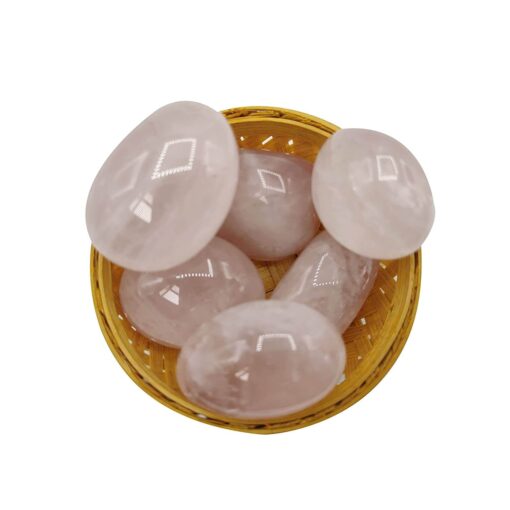
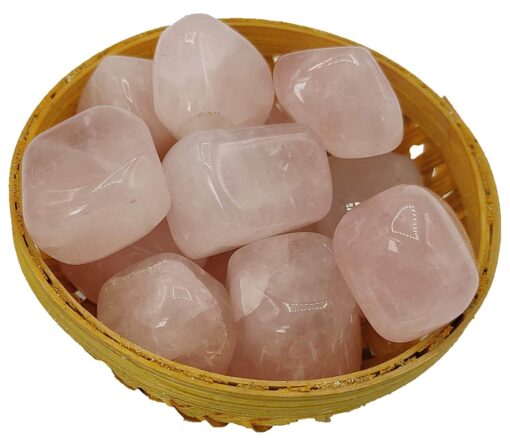
Pink Rose Quartz Tumbles

Original price was: $12.96.Current price is: $7.95.

  • Rose Quartz Is The Most Powerful For Dealing With Affairs Of The Heart.
  • It Opens Up The Heart For Both Giving And Receiving Love.
  • It Soothes Negative Influences.
  • This Stone Is Good For Dealing With Issues On An Emotional Level.
Read more

Tiger Eye Crystal Healing Bracelet


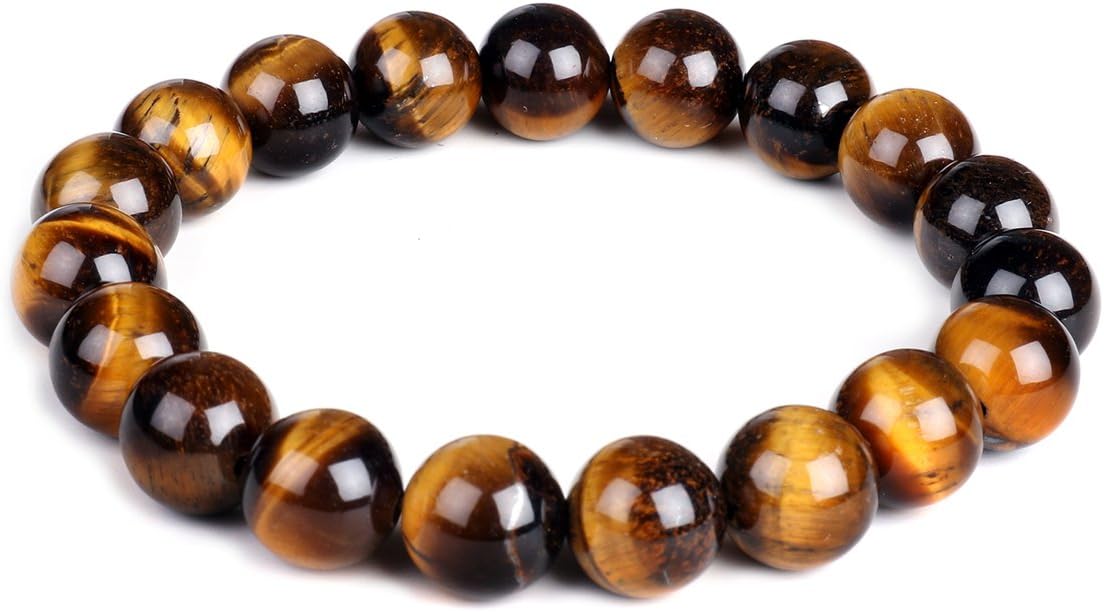
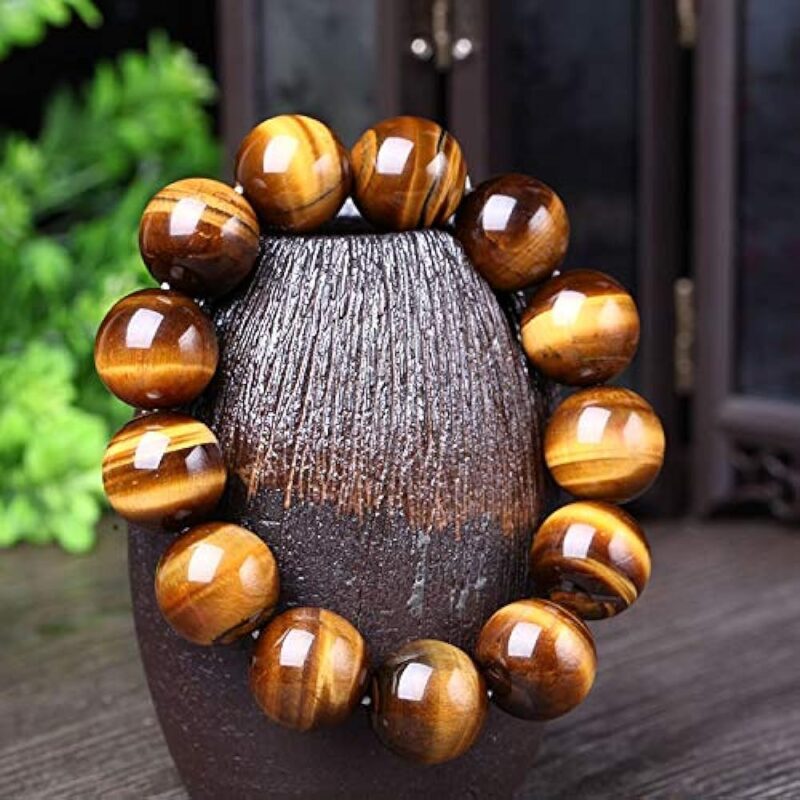
Tiger Eye bracelet crystal healing bracelet is a wearable accessory crafted from Tiger Eye gemstones, known for their golden-brown hues and shimmering bands. Believed to promote courage, protection, and balance, this bracelet is favored in holistic healing for enhancing strength, warding off negativity, and fostering emotional stability. It’s worn with intentions set for personal empowerment and clarity, making it a popular choice among individuals seeking both aesthetic appeal and metaphysical benefits in their daily lives.


A Tiger Eye crystal healing bracelet is a popular choice among those interested in metaphysical properties and holistic healing practices. Tiger Eye is a semi-precious gemstone known for its distinct golden to brownish color with shimmering bands of light. Here’s an overview of what a Tiger Eye crystal healing bracelet typically entails:

Gemstone Properties: Tiger Eye is valued not only for its aesthetic appeal but also for its believed metaphysical properties. It is often associated with qualities such as:

  • Protection: Tiger Eye is thought to create a protective shield around the wearer, warding off negative energies and promoting a sense of security.
  • Strength: It is believed to enhance courage, strength, and confidence, helping individuals overcome challenges and achieve their goals.
  • Balance: Tiger Eye is associated with bringing balance and harmony to life, aiding in making decisions with clarity and understanding.

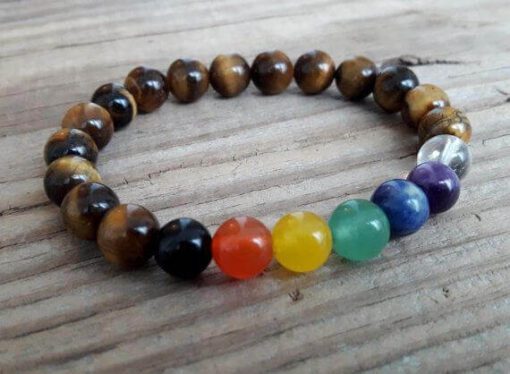
Bracelet Design: Tiger Eye bracelet  crystal bracelets are typically crafted by stringing together small Tiger Eye beads. These beads can vary in size and shape, depending on the design and aesthetic preferences. The bracelets may also incorporate other complementary gemstones or materials, such as lava stones for essential oil diffusion or additional crystals known for their healing properties.

Intention Setting and Use: Before wearing a Tiger Eye bracelet, individuals often set intentions or affirmations related to the qualities they wish to enhance or challenges they wish to overcome. Some may choose to cleanse and charge the bracelet under moonlight or sunlight to amplify its energies.

Holistic Benefits: Advocates of crystal healing believe that wearing a Tiger Eye bracelet can provide various holistic benefits, including:

  • Emotional Stability: Promoting emotional balance and reducing feelings of fear or anxiety.
  • Vitality: Boosting energy levels and motivation, especially during times of stress or fatigue.
  • Focus: Enhancing concentration and mental clarity, aiding in decision-making and problem-solving.

Caring for Your Bracelet: To maintain the vibrancy and effectiveness of a Tiger Eye bracelet, it is recommended to cleanse it periodically using methods such as running water, smudging with sage or palo santo, or placing it on a bed of cleansing crystals like clear quartz.

In essence, a Tiger Eye crystal healing bracelet combines aesthetic beauty with potential metaphysical benefits, making it a popular choice for those seeking to integrate holistic practices into their daily lives.


BENEFITS OF TIGER EYE BRACELET 

  • Protection: It is thought to create a protective shield around the wearer, warding off negative energies and promoting a sense of security.

  • Courage and Strength: Tiger Eye is associated with enhancing courage, strength, and confidence, helping individuals overcome fears and obstacles in their lives.

  • Emotional Balance: Crystal healing bracelet is believed to bring emotional stability and harmony, reducing anxiety and promoting a sense of calmness.

  • Clarity and Focus: Tiger Eye bracelet is said to aid in decision-making by enhancing clarity and improving mental focus.

  • Vitality: It is believed to boost energy levels and increase motivation, providing a revitalizing effect during times of fatigue or stress.

  • Grounding: Tiger Eye is associated with grounding energies, helping individuals stay centered and balanced amidst life’s challenges.


Appearance and Characteristics: Tiger Eye is a quartz variety characterized by its chatoyancy, a phenomenon where a band of light moves across the stone’s surface as it is viewed from different angles. This effect resembles the iridescent shimmer of a tiger’s eye, hence its name. The stone typically exhibits golden to brownish-yellow colors, often with bands of darker brown, black, or red, creating a striped or banded pattern.

HOW TO USE

  • Wearing Tiger Eye Jewelry:

    • Bracelets, necklaces, or rings: Wear Tiger Eye jewelry to keep its energies close to your body throughout the day. This allows you to benefit from its protective and grounding qualities continuously.
  • Meditation and Contemplation:

    • Hold a Tiger Eye stone: During meditation, hold a Tiger Eye crystal in your hand or place it on your lap. Focus on its energy to enhance your meditation practice, promote clarity, and strengthen your connection with inner wisdom.
  • Place in Your Environment:

    • Home or Office: Position Tiger Eye stones in key locations—such as near the entrance, on a desk, or in a meditation space—to infuse your environment with its protective and harmonizing energies.
  • Crystal Grids:

    • Create a crystal grid: Combine Tiger Eye with other crystals to amplify its effects. Arrange stones in a geometric pattern, such as a circle or flower of life, and set intentions for protection, courage, or prosperity.
  • Visualization and Affirmations:

    • Intention-setting: Before using Tiger Eye bracelet, set clear intentions or affirmations related to what you wish to manifest or enhance in your life. Visualize the desired outcome while holding or wearing the stone.
  • Daily Carry:

    • Pocket stone: Keep a small Tiger Eye stone in your pocket or purse to benefit from its energies throughout the day, particularly in situations where you need extra courage, clarity, or protection.
  • Energy Healing Sessions:

    • Energy work: During energy healing sessions (e.g., Reiki), place Tiger Eye on specific chakras—especially the solar plexus—to balance energy flow and promote healing.
  • Cleansing and Charging:

    • Regular maintenance: Cleanse Tiger Eye regularly to remove accumulated energies. Methods include rinsing under running water, smudging with sage or palo santo smoke, or placing on a bed of cleansing crystals like hematite.
  • Intuitive Practices:

    • Trust your intuition: Allow your intuition to guide you on how best to use Tiger Eye. Listen to your inner voice and adapt its use based on your personal needs and experiences.

Shri Krishna Janmashtami Puja Vidhi And Celebrations 2024


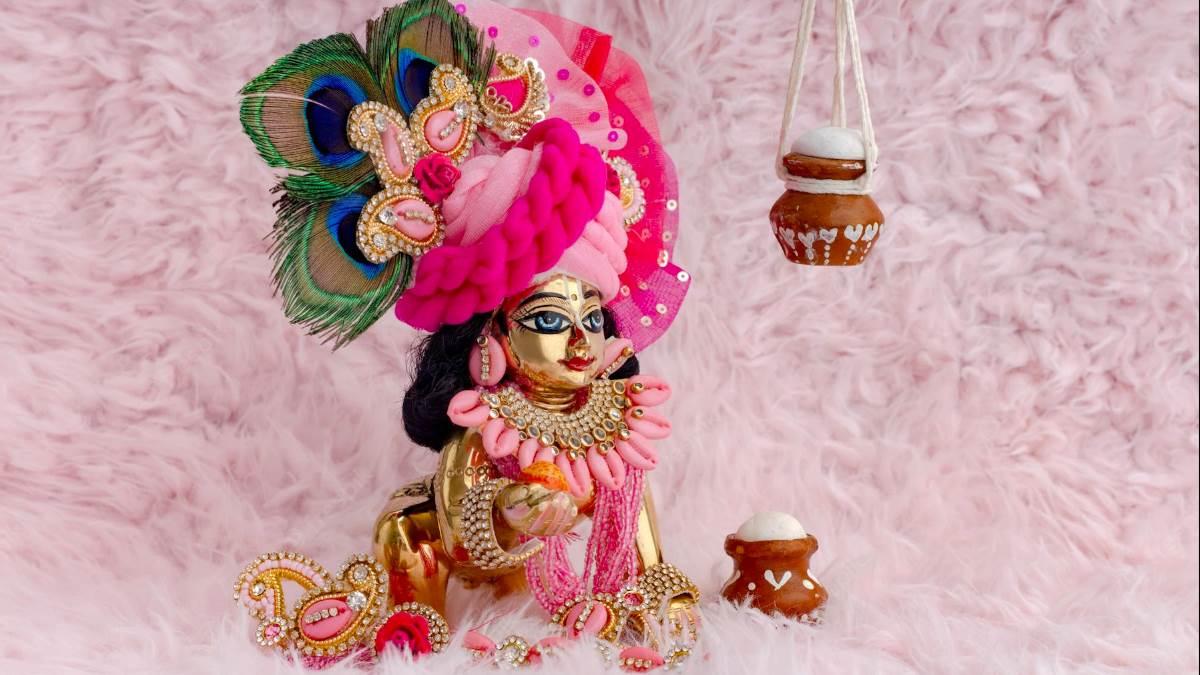
Janmashtami, also known as Krishna Janmashtami or Gokulashtami, is a joyous Hindu festival celebrated to mark the birth anniversary of Lord Krishna, the eighth avatar of Lord Vishnu. This auspicious occasion is observed with great enthusiasm and devotion across India and by Hindu communities worldwide. Here’s a detailed description of the celebration of Janmashtami:


Janmashtami celebrations are conducted mainly by the Hindu population in India. However, people from other religions also join in because at the end of the day, it’s an Indian festival, and if you were born in India… you’re Indian, regardless of your religion.

For those who don’t know, this festival is celebrated in honour of the birth of Lord Krishna and falls on the 7th of September 2023. Which is why, if you visit a Vaishmava temple during this auspicious period, you’ll note that the countdown for Janmashtami begins before dawn and continues all through the day until the exact moment Lord Krishna was born. This exact moment is said to be somewhere around midnight.

Anyway, you may be wondering how to conduct the Janmashtami puja vidhi. With regards to that, each step of the puja vidhi for Janmashtami has been listed below.


Krishna Janmashtami Puja Vidhi-

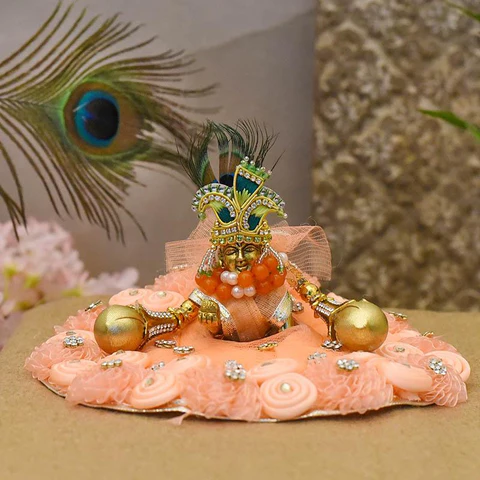
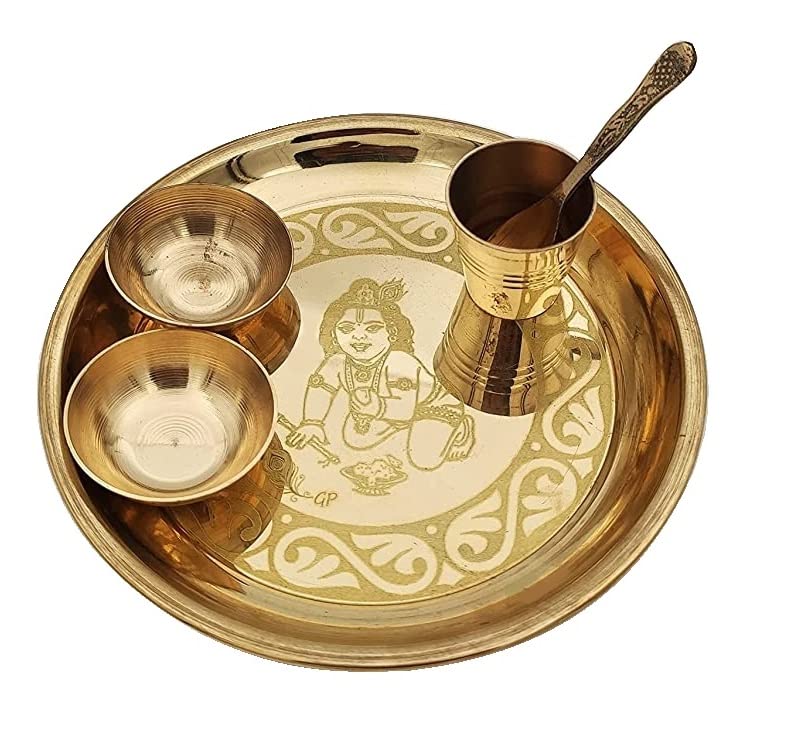
1. Janmashtami Puja Essentials

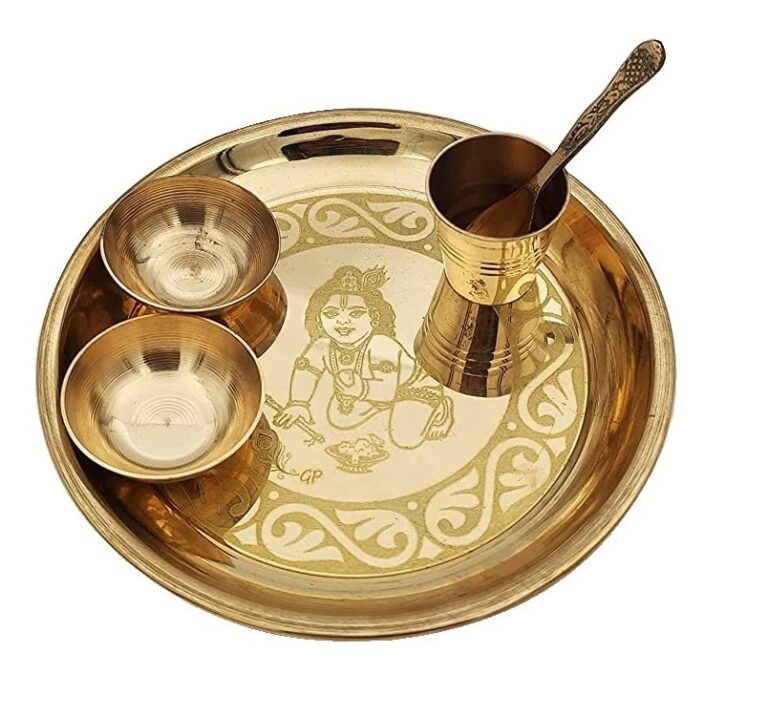
Before the pooja, you must bring home all the pooja essentials you need to conduct the Janmashtami puja. Listed below are the pooja items you will need –

• Swing For Bal Gopal
• Pooja Chowki
• New Red Cloth For Chowki
• Framed Photo Of Krishna
• Panchamrat
• Asana
• Ganga Jal
• Ghee Lamp
• Incense Sticks
• Chandan
• Raw Rice
• Tulsi Leaves
• Prasadam
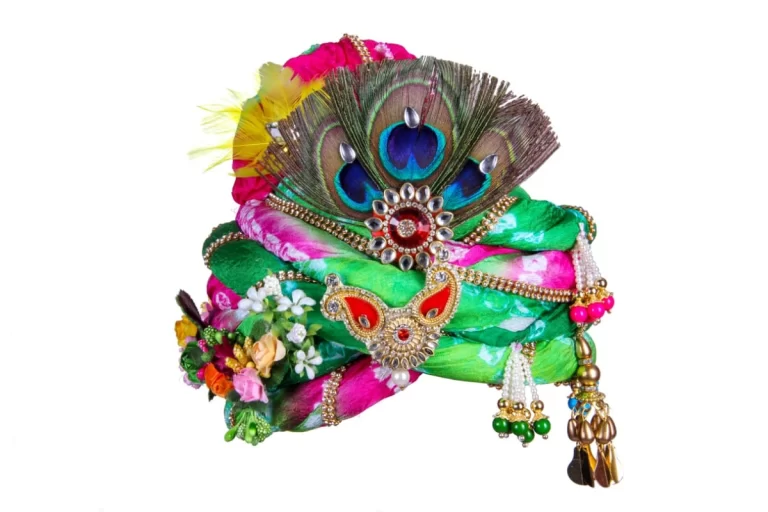
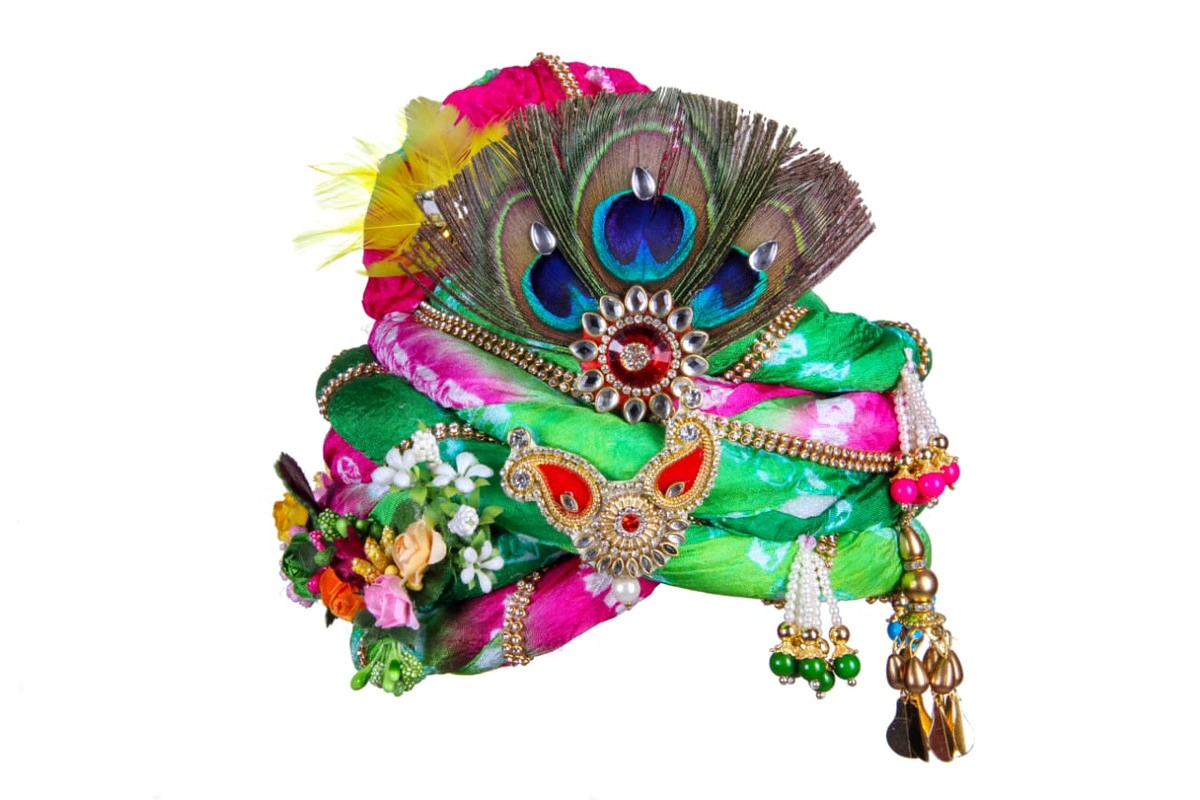
• Clothing For Your Krishna Idol
• A Garland Made Of Flowers


2. Wake & Bathe

Waking up early on the day of Janmashtami is extremely important as the first pooja in honour of Lord Krishna has to be conducted early in the morning. The Krishna idol at home is to be given a bath using sacred ganga jal. Normal water works too but it is advised to stick to Ganga jal.

Right after the bath, the idol is to be given new clothes to wear for the rest of the Janmashtami celebrations. Jewellery should also be placed on or around the idol.


3. Bhog Or Food Offerings

Bhog, or food offerings, holds a central place in Hindu rituals and festivals, including Janmashtami. During Janmashtami celebrations, devotees prepare a variety of delicious dishes as offerings to Lord Krishna. This act of offering and sharing food not only nourishes the body but also nurtures the spirit, fostering a sense of unity and divine connection among devotees celebrating Janmashtami.


4. Achaman Puja

Achaman Puja is a fundamental ritual in Hindu tradition aimed at purifying the mind, body, and spirit before engaging in spiritual practices or participating in sacred ceremonies. The ritual typically involves the sipping of water, often sanctified with mantras, in three steps.

Each sip is accompanied by the chanting of purification mantras, such as “Om Keshavaya Namah,” “Om Narayanaya Namah,” and “Om Madhavaya Namah,” invoking the divine presence and purifying the inner and outer selves. This act of cleansing is symbolic of removing impurities and preparing oneself to approach the divine with reverence and clarity. Achaman Puja is not only a physical act but also a spiritual practice that fosters a state of purity and readiness for engaging in worship and rituals, ensuring one’s thoughts and actions are aligned with spiritual aspirations.


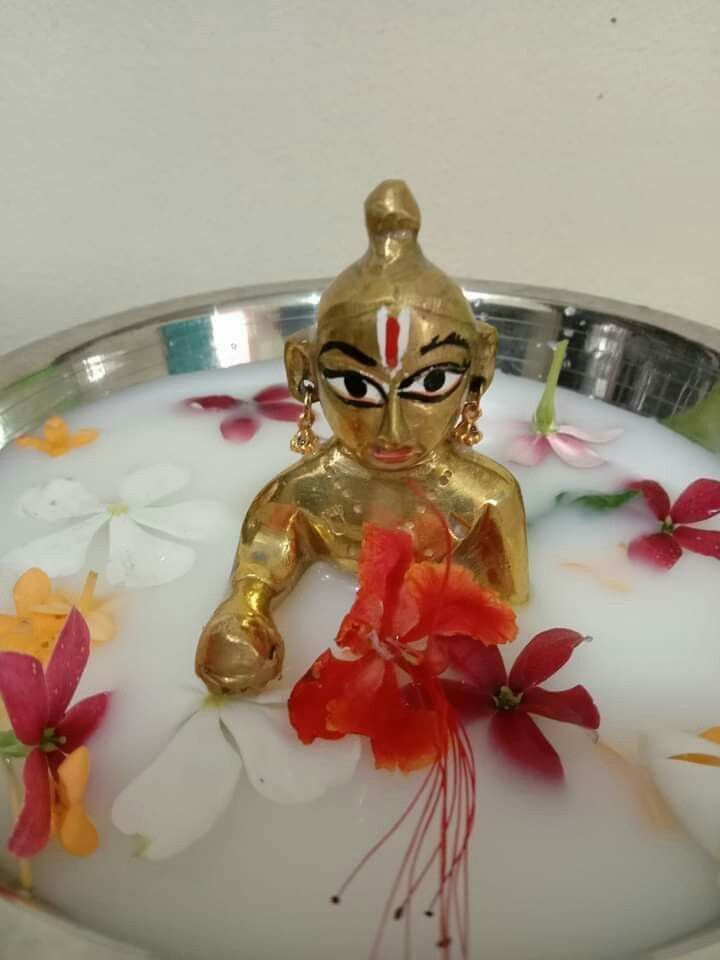
5. The Milk Bath


Next, chant the mantra “brahma Samhita” along with other mantras from the vedas, puranas and Upanishads. The mantra is to be chanted while bathing the Krishna idol with milk, ghee and flowers. After the milk bath is complete, the idol can be washed clean with water and then dried.98

6. Post Bath Pooja

Apply sandalwood paste on the idol and start chanting the mantra “Shubham karoti kalyanam” while lighting a diya. Then recite “Guru Brahma Guru Vishnu” followed by any Krishna bhajan of your choice. While all of the previously mentioned mantras are being recited, take an incense stick and move it around the idol 7 times in a circular motion. Then repeat the same process with an aarti lamp.

7. Kumkum at Lord Krishnas Feet

Place the Kumkum at the lords feet and then use the same Kumkum to touch your forehead. Afterwards, you can distribute the prasadana kum kum among other devotees present for the prayers. This Kumkum or tilak can purify and sanctify the body. During this particular phase of the puja vidhi, one can ask for forgiveness and blessings from the lord.

8. Leave The Offerings Behind For The Lord

Once the above steps have been completed, you can leave the offerings made to Lord Krishna behind for him to consume later through the night. Alternatively, you can immerse the following in flowing water before distributing the offerings among devotees. But before nightfall, you must recite the “Hare Krishna” or “Om Namo Bhagavate Vasu Devaya” to close the Janmashtami puja vidhi.

So, all of our fellow devotees can perform the prayers in the sequence mentioned above in order to receive Krishna bhagwans blessings. But remember, all prayers must be made with a clear heart and no evil intentions. This is not just for Krishna but for any god being prayed too. Only people with good in mind will receive what they wish for. So, keep your mind, body and soul clean to bring home the blessings you think you deserve.

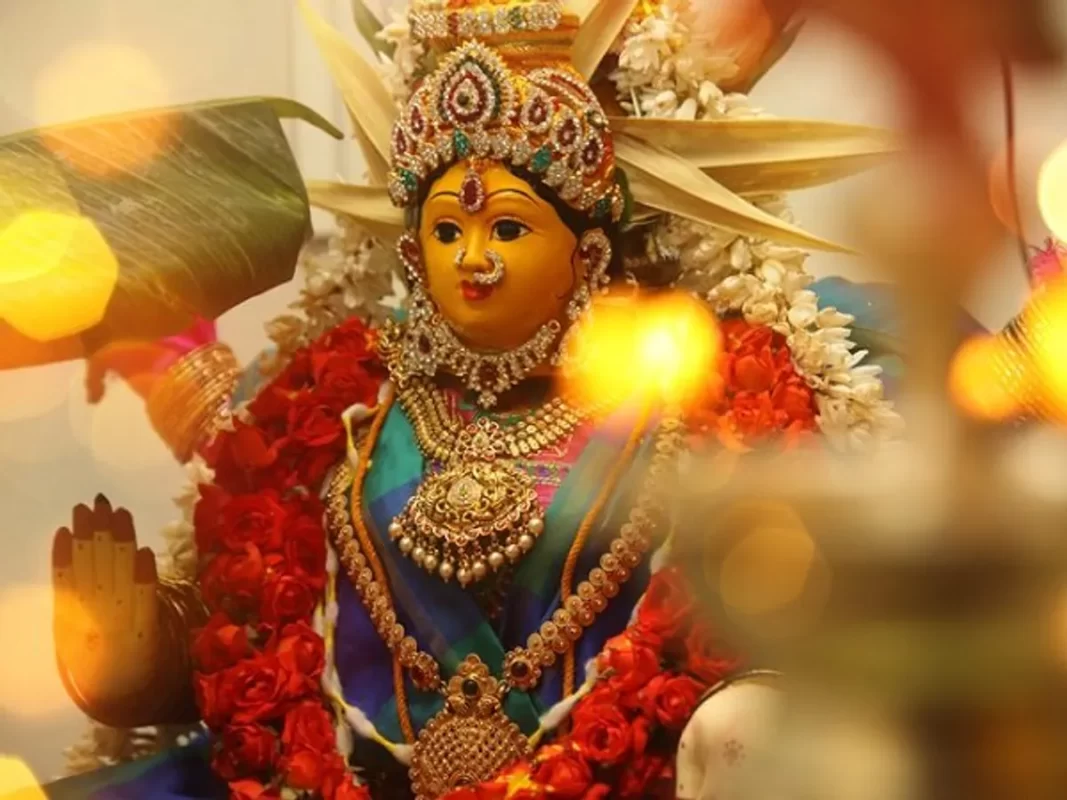
Varalakshmi Vratham 2024 – Pooja Date, Time and Rituals


Varalakshmi Vratham Vrat 2024 Dates | Panchang

  • Simha Lagna Puja Muhurat (morning) – Aug 16, Friday 06:20 AM to 08:19 AM 
  • Vrishchika Lagna Puja Muhurat (afternoon) – 12:20 PM to 02:30 PM
  • Kumbha Lagna Puja Muhurat (evening) – 06:34 PM to 08:20 PM
  • Vrishabha Lagna Puja Muhurat (midnight) – 11:55 PM to 01:58 AM, Aug 17

The Rituals and Preparations:

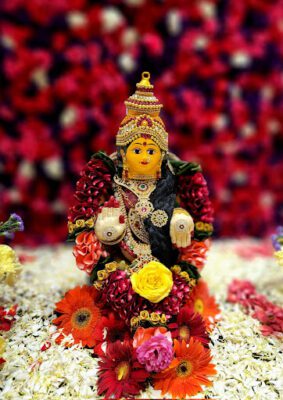
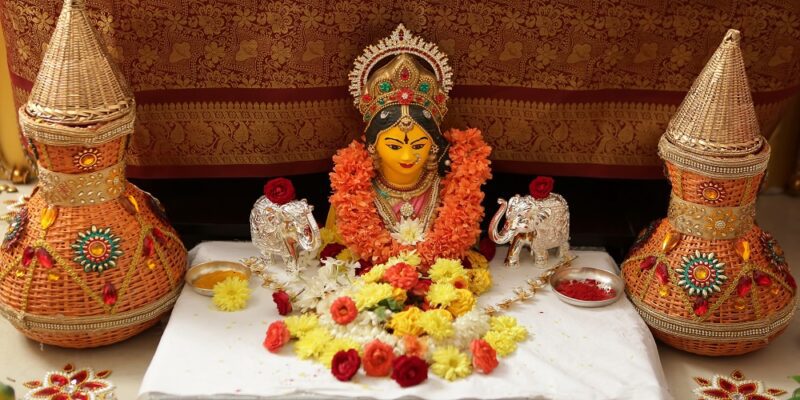
The preparation for Varalakshmi Vratam begins days in advance, with homes meticulously cleaned and adorned with rangoli, fresh flowers, and mango leaves. The idol or image of Goddess Varalakshmi is placed on a decorated altar, typically made of rice flour or turmeric paste. Married women, dressed in traditional attire, wake up early to perform ceremonial baths and wear new clothes, symbolizing purity and auspiciousness.

The Vratam Observance:

The main ritual involves the strict observance of a fast (vratam) by married women. They abstain from consuming food and water until the completion of the puja (worship) in the evening. The fasting women gather with friends and family to recite the Varalakshmi Vratham Katha or story, which narrates the significance of the vratam and highlights the importance of Goddess Varalakshmi’s blessings in marital harmony, wealth, and prosperity.

The Puja Ceremony:

The puja ceremony commences with the chanting of Vedic hymns and the invocation of Goddess Varalakshmi. The offering of traditional items such as turmeric, kumkum, betel leaves, betel nuts, fruits, and sweets follows. Each item symbolizes an aspect of prosperity and auspiciousness. The women perform aarti (ritual of waving light) and offer their prayers with deep reverence, seeking the goddess’s blessings for the well-being of their families.

Offerings and Prasadam:

After the completion of the puja, the offerings made to the goddess, known as naivedyam, are shared among the family and friends present. The prasadam (blessed food) includes a variety of sweets and savories, signifying the divine grace received through the observance of the vratam.

Significance and Symbolism:

Varalakshmi Vratam holds immense significance in Hindu tradition, emphasizing the values of gratitude, devotion, and family harmony. It is believed that observing this vratam with sincerity and faith can bestow immense blessings from Goddess Varalakshmi, ensuring prosperity and removing obstacles in the lives of devotees.

Community and Celebration:

Beyond its religious significance, Varalakshmi Vratam strengthens familial bonds and community ties. Women come together to celebrate and support each other in their devotion to the goddess. It is also an occasion for cultural festivities, with music, dance, and cultural programs adding to the joyous atmosphere.

Modern Observance and Global Reach:

In contemporary times, Varalakshmi Vratam is observed not only in South India but also in Hindu communities worldwide. The tradition has transcended geographical boundaries, with families adapting the rituals to their local customs while preserving the core essence of devotion and prayer.

Varalakshmi Vratam 2024 is a celebration of faith, devotion, and the timeless values cherished by generations of Hindus. It honors Goddess Varalakshmi as the embodiment of wealth and prosperity, reminding devotees of the importance of gratitude, humility, and community in their pursuit of happiness and fulfillment. As families come together to observe this auspicious day, they renew their commitment to tradition and spiritual growth, seeking the blessings of Goddess Varalakshmi for a prosperous and harmonious life.

The origin of Varalakshmi Vratam is rooted in a legend from the Skanda Purana. The story revolves around Charumati, a devout woman who dreamt of Goddess Varalakshmi, who instructed her on how to observe the vratam to attain wealth and prosperity. Following the goddess’s guidance, Charumati performed the vratam with utmost devotion, leading to prosperity not only for herself but also for her entire village.


A powerful and widely chanted mantra associated with Goddess Varalakshmi is the Varalakshmi Vratham mantra itself. The mantra invokes the blessings of Goddess Varalakshmi and is recited during the puja and throughout the observance of Varalakshmi Vratam. Here is the mantra along with its meaning:


Mantra: “ॐ लक्ष्म्यै वरलक्ष्म्यै नमः॥” (Om Lakshmyai Varalakshmyai Namah॥)

Meaning: “Om, I bow down to Goddess Lakshmi, the bestower of boons and prosperity.”

This mantra is simple yet potent, focusing on invoking the blessings of Goddess Varalakshmi for wealth, prosperity, and well-being. Chanting this mantra with devotion and sincerity during Varalakshmi Vratam is believed to bring fulfillment of desires and remove obstacles in one’s life.

They conduct vraj Laxmi puja in which women offer flowers, sweets and fruits, known as Vayana, to the goddess. A Kalash is filled with rice or water, coins, betel nut and five different kinds of leaves, wrapped in a saree. A swastika symbol is made over the Kalash by using vermillion and sandalwood paste. Mango leaves and coconut with turmeric smeared on the Kalash and kept at the mouth of the vessel. Flowers and gold are kept in front of the pot, as offerings to the goddess.

15 Latest Rangoli Designs for Diwali 2024

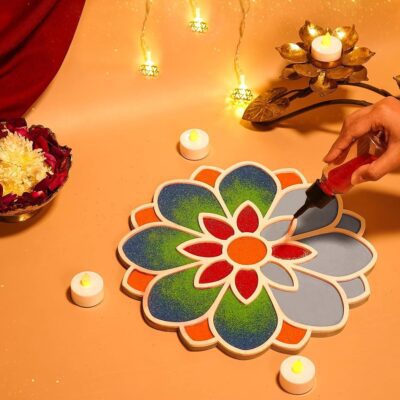
Rangoli designs are a traditional art form originating from India, characterized by intricate patterns and vibrant colors. Typically created on the ground or floor, rangolis are popular during festivals and special occasions such as Diwali, Pongal, and weddings. They serve not only as decorative elements but also hold cultural and spiritual significance.

The creation process begins with cleaning and smoothing the designated area, followed by outlining the design with white powder or chalk. Artists then meticulously fill in colors using powdered dyes, rice flour, or flower petals, often improvising to create symmetrical and geometric patterns. These designs may feature intricate motifs like flowers, birds, and religious symbols, symbolizing auspiciousness, prosperity, and welcoming of guests.

In addition to their aesthetic appeal, rangolis hold symbolic meanings. They are believed to invite prosperity and ward off negative energy when placed at entrances. During festivals, rangolis surround idols and altars, serving as expressions of devotion and inviting divine blessings into homes.

Regional variations exist, each with unique styles and patterns. For instance, Kolam in Tamil Nadu and Alpana in West Bengal showcase distinct regional aesthetics and cultural influences. Modern adaptations of rangoli art incorporate contemporary themes and techniques, including 3D effects and abstract designs, while competitions and exhibitions celebrate the skill and creativity of artists.


Few latest Rangoli designs ideas are as follows:

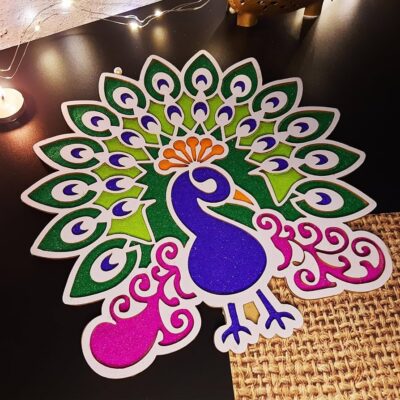
1. Peacock Rangoli Design

A peacock rangoli design typically begins with a clean and smooth surface, often at the entrance of homes during festivals or special occasions. The design is outlined using white chalk or powder to define the basic structure.


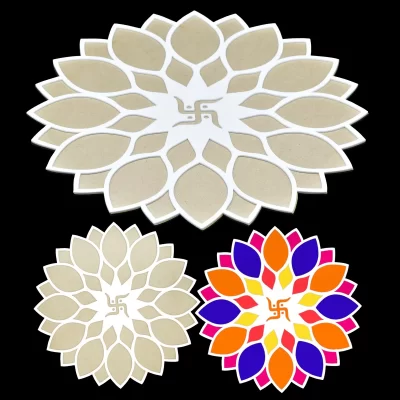
2. Swastik Rangoli Design

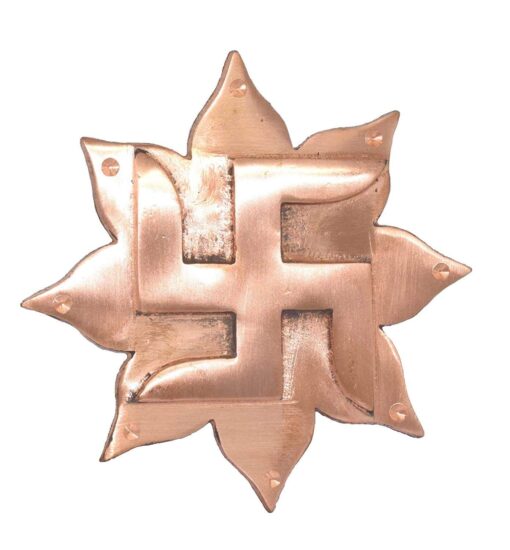
A Swastik Rangoli design typically features the auspicious Swastik symbol, drawn with four arms extending in each direction, symbolizing prosperity and well-being. It is traditionally created at entrances during Hindu festivals and auspicious occasions, using vibrant colors like red, yellow, or white on a clean, swept surface to invoke positive energy and blessings. The geometric simplicity and cultural significance of the Swastik Rangoli make it a focal point of traditional Indian art and festivities.


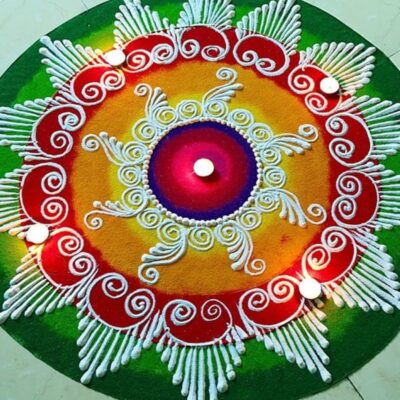
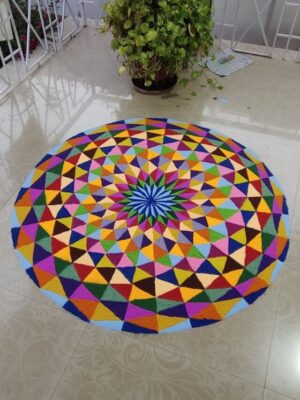
3. Geometric Rangoli Designs

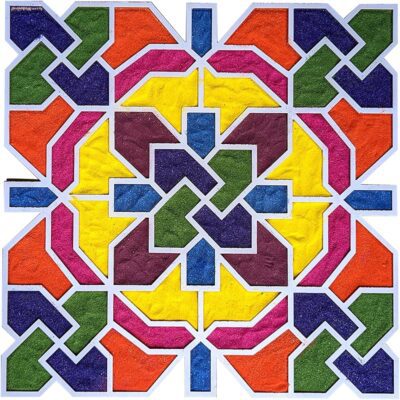
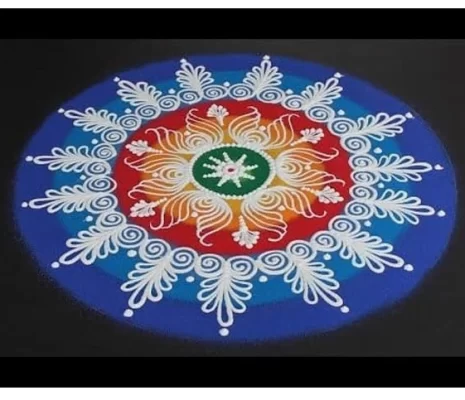
Geometric rangoli designs are characterized by their intricate patterns and precise symmetry, often incorporating geometric shapes such as circles, squares, triangles, and intricate lines. These designs are created with vibrant colors and meticulous detailing, typically at entrances during festivals and celebrations to symbolize harmony, order, and auspiciousness.


4. Rangoli Designs With Diyas

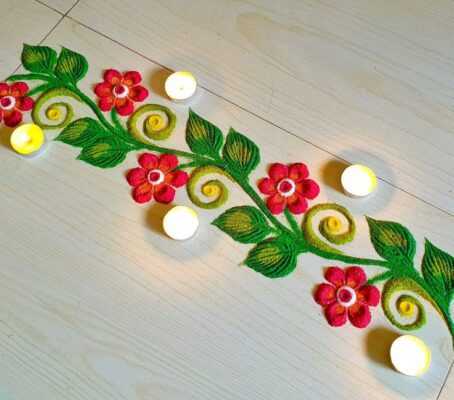
Rangoli designs with diyas combine colorful patterns and strategically placed diyas to create a visually stunning and auspicious display. The design typically features intricate patterns such as floral motifs, geometric shapes, or traditional symbols drawn on a clean surface using colored powders, rice flour, or flower petals.


5. Rangoli Designs With Themes

Each themed rangoli design is meticulously crafted, using colored powders, rice flour, flower petals, or other materials on a clean surface. They not only beautify the surroundings but also carry deeper meanings, symbolizing cultural heritage, spirituality, and the joy of celebration. These designs continue to evolve, blending tradition with innovation to captivate and inspire people of all ages and backgrounds.


6. Rangoli Design With Flowers

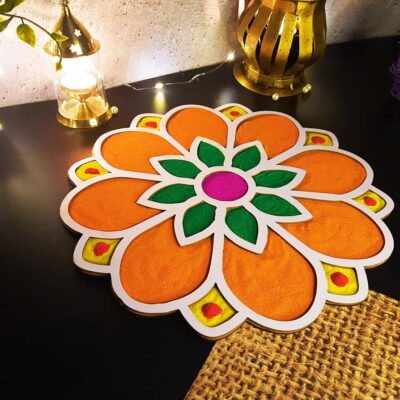
A rangoli design with flowers incorporates vibrant floral motifs into its intricate patterns, creating a visually stunning and fragrant artwork. Typically created during festivals and special occasions, petals of various flowers like marigolds, roses, and jasmine are meticulously arranged on a clean, swept surface to form geometric shapes, traditional symbols, or intricate mandalas. The use of flowers not only adds natural beauty and color but also symbolizes auspiciousness and purity.


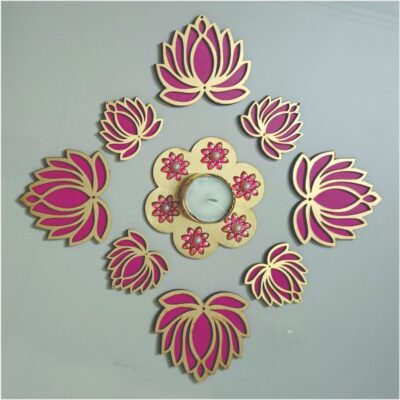
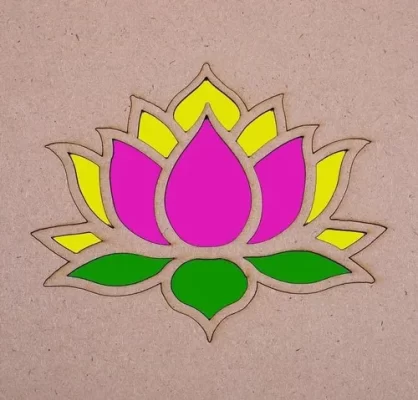
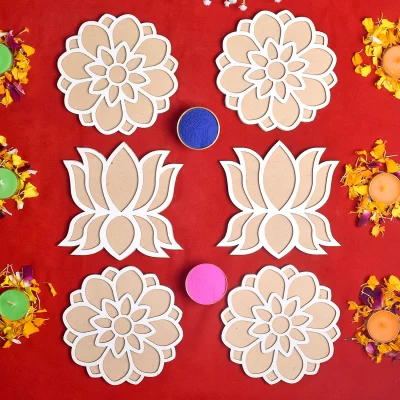
7. Lotus Rangoli Design

A lotus rangoli design typically begins with a clean and smooth surface, where intricate patterns resembling the petals of a lotus flower are meticulously created. The central motif often portrays the lotus in full bloom, with its delicate petals arranged in layers to form a symmetrical and mesmerizing pattern. The petals of the lotus are usually depicted in shades of pink, white, or purple, symbolizing purity, serenity, and spirituality.


7. Lotus Rangoli Design

The lotus rangoli typically begins with a clean and flat surface, often at the entrance of homes or at spiritual gatherings.


8. Simple Rangoli Design

Creating a simple rangoli design involves using minimalistic patterns and basic shapes to achieve an elegant and visually appealing artwork. Typically crafted during festivals and celebrations, a simple rangoli starts with a clean, flat surface. Artists often begin by outlining geometric shapes such as circles, squares, or triangles using white rangoli powder or chalk. Once the basic structure is laid out, vibrant colored powders or flower petals are delicately filled in to create patterns within these shapes. Common motifs include floral designs, dots, and straight lines radiating from the center.


9. Easy Rangoli Magic With Stencil 

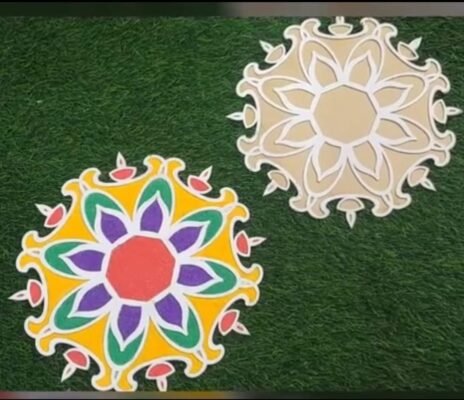
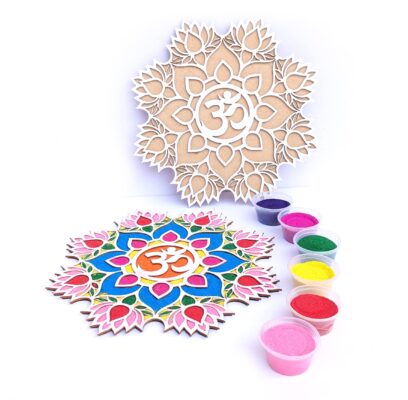
Creating easy rangoli designs with stencils simplifies the intricate art of rangoli-making, making it accessible for both beginners and experienced enthusiasts. To begin, select a rangoli stencil featuring designs ranging from traditional motifs to contemporary patterns. Prepare a clean, flat surface, ideally at the entrance of your home or a designated area, ensuring it’s free of dust or debris. Secure the stencil firmly onto the surface using tape or weights to prevent it from shifting. Next, choose vibrant colored rangoli powder or finely ground rice flour mixed with natural colors.


10. 3D Rangoli Designs

Creating 3D rangoli designs elevates the traditional art form by adding depth, perspective, and a sense of realism to the intricate patterns. Artists skilled in this technique begin with a clear vision and meticulous planning, often choosing a focal point or theme that lends itself well to three-dimensional effects. The surface where the rangoli will be created is meticulously cleaned and prepared to ensure a smooth canvas.


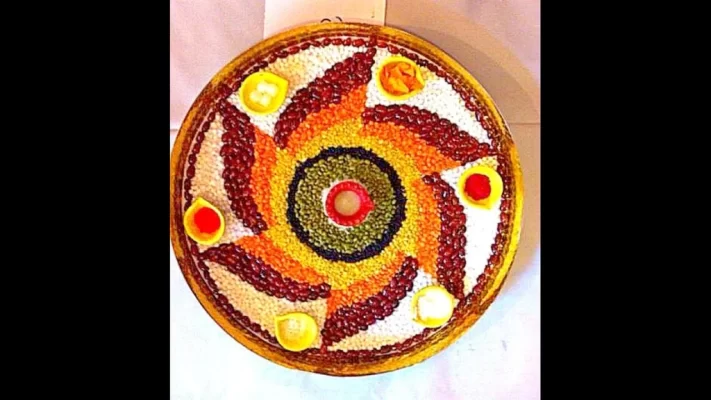
11. Rangoli With Rice, Pulses And Other Grains

Rangoli designs created with rice, pulses, and other grains offer a unique and earthy charm to this traditional Indian art form. Typically crafted during festivals, weddings, and other auspicious occasions, these rangolis showcase a blend of creativity and resourcefulness.


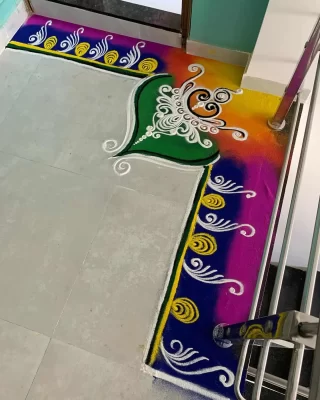
12. Corner Rangoli Designs

Creating corner rangoli designs begins with preparing a clean and flat surface in the desired corner. Artists often start with a basic outline using chalk or rangoli powder to define the boundaries of the design. Common motifs include geometric patterns, floral designs, peacocks, and traditional symbols like Swastik or Om.


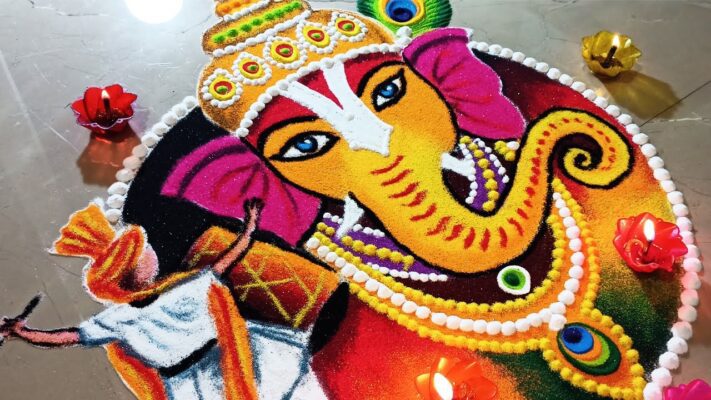
13. Ganesh Rangoli Art

Ganesh Rangoli art is a revered form of rangoli that pays homage to Lord Ganesha, the beloved deity known as the remover of obstacles and the harbinger of good fortune in Hindu culture. These rangoli designs are meticulously crafted during festivals, especially Ganesh Chaturthi, and other auspicious occasions to invoke blessings and prosperity.


14. Border Rangoli Designs

Border rangoli designs are intricate patterns specifically crafted to adorn the periphery of larger rangoli designs or to outline the edges of spaces during festive occasions. These designs are known for their decorative appeal and the artistic skill required to create them. To begin creating a border rangoli design, a clean and smooth surface is prepared where the main rangoli or the border itself will be placed. Artists often start by outlining the border using chalk or rangoli powder, marking the boundaries within which the design will be contained.


15. Round Rangoli Design

To begin, select a clean and flat surface where the round rangoli will be created, typically at the center of a room or courtyard. Artists often start by marking the center point and then use chalk or rangoli powder to draw a large circle as the outline of the design.


pure copper bar 1kg

Introducing our premium quality Pure Copper Bar 1kg – a solid, high-density metal bar crafted [...]

Copper bar 1 kg

Presenting our premium quality Copper Bar 1 Kg – a solid, high-density metal bar designed [...]

Copper bar 1kg pure 999

Introducing our premium-grade Copper Bar 1kg Pure 999 – a high-quality solid copper bar crafted [...]

1kg copper bar 999.9

Presenting our premium quality 1kg Copper Bar 999.9 – a solid, investment-grade metal bar crafted [...]

Gauri Shankar Rudraksha


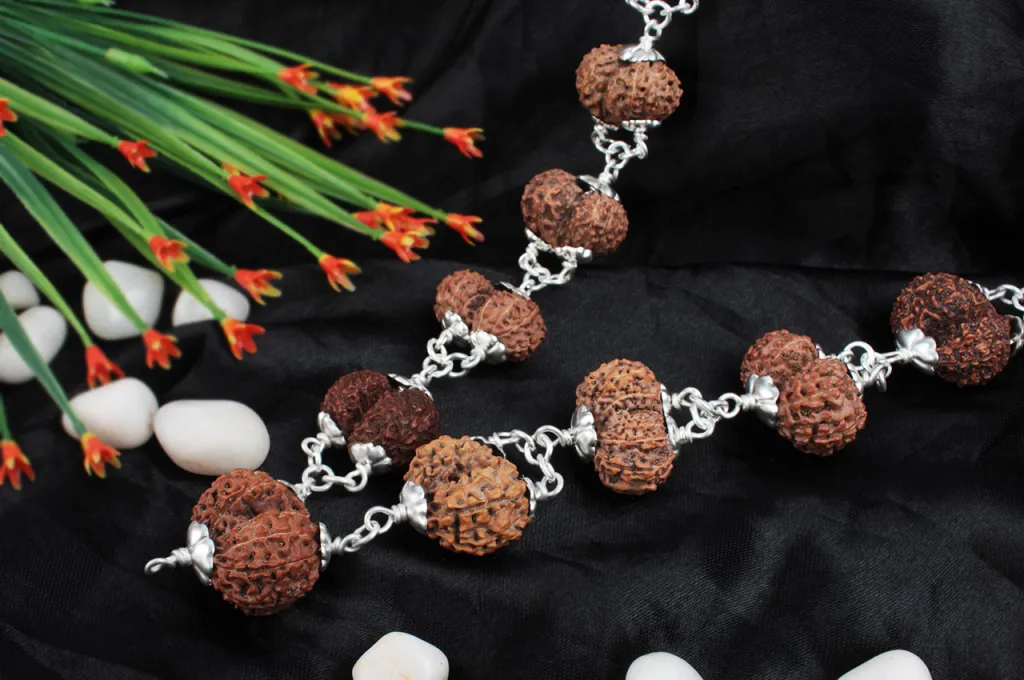
The Gauri Shankar Rudraksha is a highly revered and auspicious bead in Hinduism, particularly within the realm of spiritual practices and beliefs associated with Lord Shiva. Here’s a detailed description of the Gauri Shankar Rudraksha:

1. Origin and Appearance

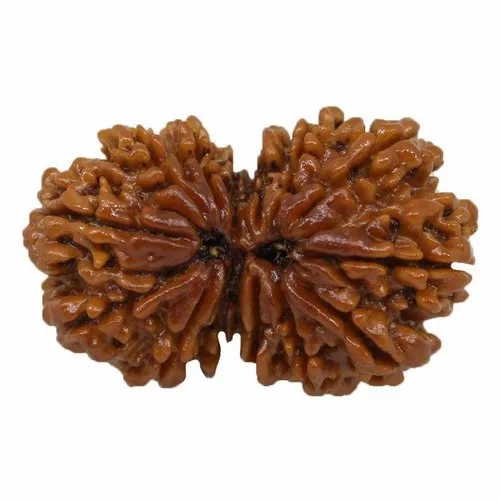
  • Formation: The Gauri Shankar Rudraksha is a unique rudraksha bead formed naturally when two rudraksha beads grow naturally joined together, typically symbolizing the union of Lord Shiva (Shankar) and Goddess Parvati (Gauri).

  • Physical Characteristics: It is characterized by two naturally joined rudraksha beads with a common stalk or sometimes fused into a single bead. The bead is revered for its rarity and spiritual significance.

2. Symbolism and Spiritual Significance

  • Union of Shiva and Shakti: The Gauri Shankar Rudraksha symbolizes the harmonious union of masculine and feminine energies represented by Lord Shiva (the masculine principle) and Goddess Parvati (the feminine principle). This union signifies balance, harmony, and spiritual evolution.

  • Blessings of Unity: It is believed to enhance marital harmony, promote understanding and love between couples, and strengthen relationships. It fosters a deep connection with divine energies and promotes unity in all aspects of life.

3. Benefits and Uses

  • Spiritual Growth: Wearing the Gauri Shankar Rudraksha is believed to accelerate spiritual growth and development. It aids in meditation, enhances concentration, and deepens one’s connection with higher consciousness.

  • Healing Properties: It is said to have healing properties that promote physical well-being, reduce stress, and alleviate emotional imbalances. The bead is considered beneficial for overall health and vitality.

  • Prosperity and Abundance: The Gauri Shankar Rudraksha is associated with blessings of prosperity, abundance, and material well-being. It is believed to attract wealth and success in endeavors.

4. Rituals and Worship

  • Energization: Before wearing, the Gauri Shankar Rudraksha is often energized through Vedic rituals and mantras to awaken its divine energies and bestow blessings upon the wearer.

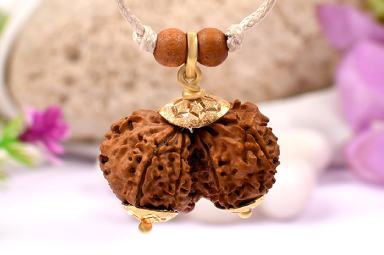
  • Wearing and Care: It is typically worn as a pendant or kept in a sacred place at home or workplace. Regularly chanting mantras and maintaining purity while handling the bead are considered important for maximizing its benefits.

5. Cultural and Religious Significance

  • Hindu Tradition: In Hinduism, rudraksha beads, including the Gauri Shankar Rudraksha, are revered as sacred symbols of Lord Shiva. They are used in various rituals, ceremonies, and spiritual practices to invoke divine blessings and protection.

  • Devotional Practices: Devotees of Lord Shiva and Goddess Parvati wear the Gauri Shankar Rudraksha to seek their blessings for marital bliss, spiritual growth, and overall well-being. It is also considered auspicious during festivals and important life events.

The Gauri Shankar Rudraksha holds a special place in Hindu spirituality and is cherished for its symbolism of divine union, spiritual benefits, and positive energies. Wearing this sacred bead is believed to bring harmony, prosperity, and spiritual elevation, making it a revered and sought-after item among those on a path of spiritual growth and well-being.


Spiritual Benefits:

  1. Enhanced Spiritual Growth: Wearing the Gauri Shankar Rudraksha is thought to accelerate spiritual evolution and deepen one’s spiritual practices. It aids in meditation, enhancing concentration, and promoting a deeper connection with higher consciousness.

  2. Harmonizing Energies: The bead symbolizes the union of Lord Shiva (masculine) and Goddess Parvati (feminine), balancing and harmonizing the energies within oneself. It helps in achieving inner balance, peace, and spiritual harmony.

  3. Protection and Guidance: It is believed to offer protection from negative energies and obstacles on the spiritual path. The Gauri Shankar Rudraksha acts as a shield, guiding the wearer towards righteous actions and spiritual fulfillment.

Emotional and Physical Benefits:

  1. Stress Reduction: Wearing the Gauri Shankar Rudraksha is said to reduce stress, anxiety, and emotional turmoil. It promotes emotional stability, calmness, and a sense of inner peace.

  2. Health Benefits: It is believed to have therapeutic properties that promote physical health and well-being. The bead is thought to strengthen the immune system, improve vitality, and alleviate ailments.

Material and Prosperity Benefits:

  1. Prosperity and Abundance: The Gauri Shankar Rudraksha is associated with blessings of prosperity, wealth, and material abundance. It is believed to attract financial stability, success in ventures, and overall prosperity.

  2. Enhanced Relationships: It is revered for fostering love, understanding, and harmony in relationships, particularly marital bonds. Couples often wear it to strengthen their relationship and nurture mutual respect and affection.

Ritualistic and Cultural Significance:

  1. Purification and Energization: Before wearing, the Gauri Shankar Rudraksha undergoes purification rituals and energization with Vedic mantras. This process is believed to awaken its divine energies and blessings.

  2. Cultural Traditions: In Hindu culture, wearing the Gauri Shankar Rudraksha during religious ceremonies, festivals, and auspicious occasions is considered auspicious. It is seen as a symbol of devotion and reverence towards Lord Shiva and Goddess Parvati.

The Gauri Shankar Rudraksha holds a revered position in Hindu spirituality, believed to bestow a wide range of benefits encompassing spiritual growth, emotional well-being, physical health, prosperity, and harmonious relationships. Its unique symbolism of divine union and balance resonates deeply with devotees seeking spiritual elevation, inner peace, and fulfillment in various aspects of life.


1. Formation and Appearance

  • Natural Formation: The Gauri Shankar Rudraksha is formed when two rudraksha beads naturally grow joined together on the same stalk. This union is considered rare and symbolically represents the harmonious union of Lord Shiva (Shankar) and Goddess Parvati (Gauri).

  • Physical Characteristics: It typically appears as a single bead with two natural protrusions or as two beads fused together at the base. The bead is often cylindrical in shape, with the joint symbolizing the divine union and balance of masculine and feminine energies.

2. Symbolism and Spiritual Significance

  • Union of Shiva and Shakti: The Gauri Shankar Rudraksha symbolizes the sacred union of Lord Shiva, the supreme consciousness (Purusha), and Goddess Parvati, the divine energy (Prakriti). This union represents the cosmic balance and harmony of opposites within the universe.

  • Balancing Energies: Wearing the Gauri Shankar Rudraksha is believed to balance and harmonize the energies of the wearer, promoting spiritual growth, emotional stability, and physical well-being. It is seen as a potent symbol of unity, love, and devotion.

3. Benefits and Uses

  • Spiritual Growth: It is revered for accelerating spiritual evolution and deepening meditation practices. The bead is believed to enhance spiritual awareness, inner peace, and connection with higher consciousness.

  • Marital Harmony: The Gauri Shankar Rudraksha is associated with blessings for marital bliss and harmony in relationships. It is worn by couples seeking to strengthen their bond and nurture love and understanding.

  • Health and Well-being: It is said to have therapeutic benefits, promoting physical health, reducing stress, and fostering emotional healing. The bead is believed to alleviate ailments and enhance overall vitality.

4. Rituals and Practices

  • Energization: Before wearing, the Gauri Shankar Rudraksha is ritually purified and energized with Vedic mantras and prayers. This process is believed to awaken its divine energies and blessings.

  • Wearing and Care: It is commonly worn as a pendant or kept in a sacred place at home or workplace. Regularly chanting mantras and maintaining purity while handling the bead are considered important for maximizing its spiritual benefits.

5. Cultural Significance

  • Hindu Tradition: In Hindu culture, rudraksha beads, including the Gauri Shankar Rudraksha, are revered as sacred symbols of Lord Shiva’s divine presence. They are used in religious ceremonies, meditative practices, and as protective talismans.

  • Festivals and Celebrations: Devotees often wear the Gauri Shankar Rudraksha during religious festivals dedicated to Lord Shiva and Goddess Parvati, seeking their blessings for prosperity, happiness, and spiritual fulfillment.


How to use the Gauri Shankar Rudraksha:

1. Selection and Preparation:

  • Authenticity: Ensure that you obtain the Gauri Shankar Rudraksha from a trusted source to ensure authenticity and purity.

  • Purification: Before using, it’s customary to cleanse the Gauri Shankar Rudraksha physically and spiritually. You can rinse it with clean water or immerse it briefly in a bowl of water mixed with a few drops of Ganges water or milk. This purifies the bead and removes any impurities.

2. Energization:

  • Mantras: The Gauri Shankar Rudraksha is traditionally energized through the chanting of specific mantras. You can recite the “Om Namah Shivaya” mantra or any other mantra dedicated to Lord Shiva and Goddess Parvati.

  • Offerings: Offer flowers, incense, and light a lamp or candle while chanting the mantras. This ritualistic process is believed to awaken the divine energies within the bead.

3. Wearing the Gauri Shankar Rudraksha:

  • Placement: It is typically worn as a pendant on a red or silk thread. You can also wear it in a locket made of gold, silver, or other auspicious metals.

  • Timing: The Gauri Shankar Rudraksha can be worn at all times, including during meditation, prayers, and spiritual practices. Some people prefer to wear it continuously to derive continuous spiritual benefits.

  • Maintenance: To maintain its purity and effectiveness, avoid letting the bead come into contact with soap, chemicals, or perfumes. Regularly wipe it with a soft cloth and keep it in a clean and sacred place when not in use.

4. Daily Practices:

  • Chanting: Regularly chant mantras or prayers dedicated to Lord Shiva and Goddess Parvati while wearing the Gauri Shankar Rudraksha. This helps in enhancing its spiritual vibrations and benefits.

  • Meditation: During meditation sessions, hold the Gauri Shankar Rudraksha in your palms or wear it around your neck to deepen your meditation practice and connect with its spiritual energies.

5. Intentions and Devotion:

  • Set Intentions: Before wearing the Gauri Shankar Rudraksha, set your intentions for spiritual growth, harmony in relationships, prosperity, or any other specific goals you wish to achieve.

  • Devotional Practices: Incorporate the bead into your daily devotional practices, such as offering prayers, performing rituals, or attending religious ceremonies. This strengthens your connection with the divine energies it represents.

Using the Gauri Shankar Rudraksha involves a combination of rituals, devotion, and mindfulness to derive its spiritual and metaphysical benefits fully. By following these practices with reverence and sincerity, you can harness its sacred energies for spiritual growth, harmony, and well-being in various aspects of your life.