Author Archives: WhiteAuraVastuStore

Akshaya Tritiya

Akshaya Tritiya stands as a day of immense significance in Hindu culture, blending mythology, spirituality, prosperity, and community celebration. It is a time when devotees seek blessings for prosperity, embark on new ventures, and engage in acts of charity to accumulate spiritual merit. As beliefs and traditions evolve, Akshaya Tritiya continues to resonate as a symbol of auspicious beginnings, abundant blessings, and enduring prosperity for individuals, families, and communities observing this auspicious day.

Origins and Mythological Significance

Akshaya Tritiya is celebrated on the third lunar day of the bright fortnight (Shukla Paksha) in the Hindu month of Vaishakha (April-May). Its origins and significance are rooted in Hindu mythology and spiritual beliefs:

  1. Mahabharata Connection: According to Hindu mythology, Akshaya Tritiya marks the day when Ved Vyasa began dictating the Mahabharata to Lord Ganesha. It is believed that any venture initiated on this auspicious day is destined to succeed and yield prosperity.

  2. Birth of Lord Parasurama: Another legend associated with Akshaya Tritiya is the birth anniversary of Lord Parasurama, the sixth incarnation of Lord Vishnu. Devotees observe this day with special prayers and rituals dedicated to Lord Parasurama.

  3. Ganga Dussehra: In some regions, Akshaya Tritiya is also celebrated as Ganga Dussehra, commemorating the descent of the Ganges River from heaven to earth. Devotees take holy baths in rivers, particularly the Ganges, to cleanse themselves of sins and seek blessings.

Rituals and Traditions

Akshaya Tritiya is observed with various rituals and traditions that symbolize prosperity, good fortune, and spiritual merit:

  1. Buying Gold and New Ventures: It is believed that buying gold and initiating new ventures on Akshaya Tritiya ensures continuous growth and prosperity. Many people invest in gold jewelry, coins, or items symbolizing wealth and abundance.

  2. Charity and Good Deeds: Devotees perform acts of charity (daan) on this day to accumulate punya (merit) and seek blessings for prosperity. Feeding the poor, donating clothes, and offering food to Brahmins are common charitable acts.

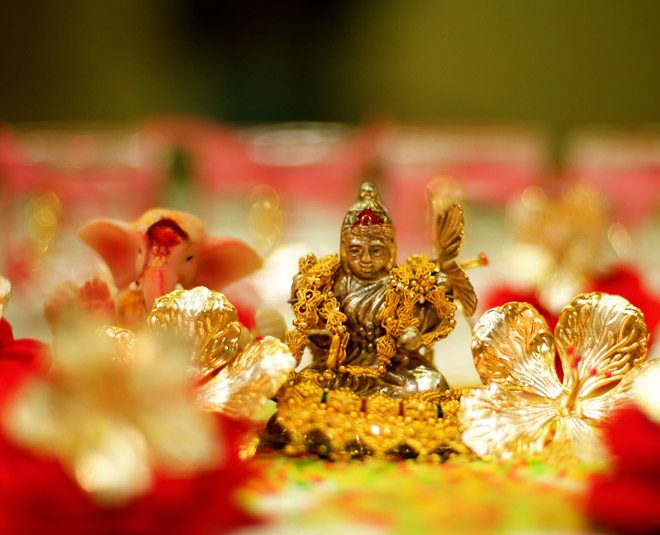
  3. Worship of Lakshmi and Kubera: Goddess Lakshmi, the deity of wealth and prosperity, is worshipped with devotion on Akshaya Tritiya. Special prayers, chants (Lakshmi Gayatri mantra), and offerings are made to invoke her blessings. Kubera, the treasurer of the gods, is also revered for financial stability and abundance.

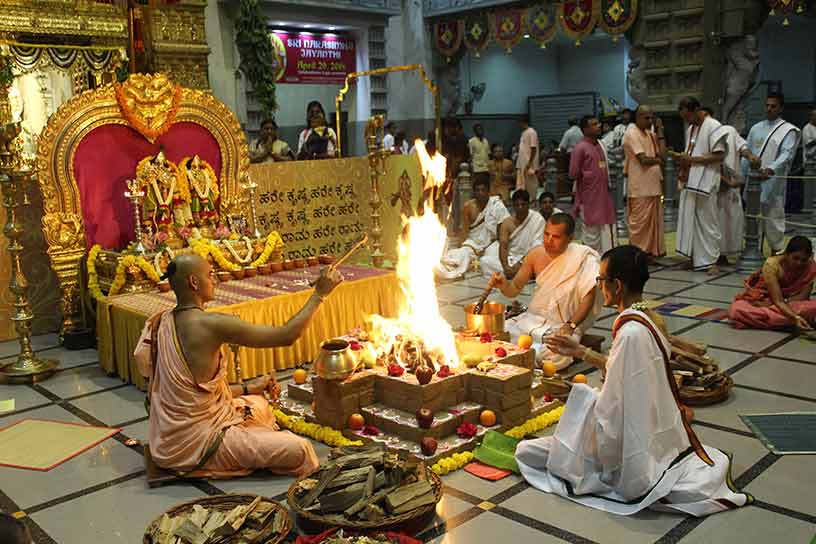
  4. Yagna and Havan: Fire rituals (yagna or havan) are conducted in temples and homes to purify the environment and invoke divine blessings for prosperity, health, and happiness.

  5. Pilgrimages and Holy Baths: Many devotees undertake pilgrimages to sacred rivers, temples, and places of spiritual significance on Akshaya Tritiya. Taking a holy dip (snan) in rivers or visiting temples dedicated to Lord Vishnu or Goddess Lakshmi is considered highly meritorious.

Cultural Significance

Akshaya Tritiya holds profound cultural significance and is celebrated with enthusiasm across India and among Hindu communities worldwide:

  1. Symbol of Prosperity: The day is considered highly auspicious for initiating new ventures, investments, marriages, and property purchases. It symbolizes the beginning of favorable outcomes and continuous growth.

  2. Spiritual Merit: Performing rituals and acts of charity on Akshaya Tritiya is believed to yield immense spiritual merit and pave the way for blessings from the divine.

  3. Harvest Festival: In agricultural communities, Akshaya Tritiya marks the onset of the harvest season. Farmers worship the land and agricultural tools, seeking abundant crops and prosperity.

  4. Unity and Festivities: Families and communities come together to celebrate Akshaya Tritiya with prayers, feasts, and cultural events. It strengthens social bonds and fosters a sense of unity and harmony.

Contemporary Practices and Beliefs

In contemporary times, Akshaya Tritiya continues to be celebrated with traditional fervor while adapting to modern practices:

  1. Gold Purchases: The tradition of buying gold on Akshaya Tritiya has gained popularity, with jewelers offering special discounts and promotions to attract buyers.

  2. Digital Offerings: With advancements in technology, devotees may participate in online puja services, make digital donations to charities, or stream live rituals from temples.

  3. Environmental Awareness: There is a growing emphasis on celebrating Akshaya Tritiya in an environmentally conscious manner, promoting sustainable practices and minimizing wastage.


Here are some common pujas associated with Akshaya Tritiya:

  1. Goddess Lakshmi Puja:

    • Devotees worship Goddess Lakshmi, the deity of wealth and prosperity, with special prayers and offerings. This puja is performed to seek blessings for financial stability, abundance, and overall prosperity.
  2. Lord Vishnu Puja:

    • Lord Vishnu, the preserver in Hindu Trinity, is also worshipped on Akshaya Tritiya. Devotees offer prayers, flowers, incense, and sweets to seek his blessings for longevity, health, and protection.
  3. Ganga Snan (Holy Bath):

    • Many devotees take a holy dip (snan) in sacred rivers, especially the Ganges (Ganga), on Akshaya Tritiya. This act is believed to purify the soul, wash away sins, and bring prosperity and blessings.
  4. Yagna or Havan:

    • Fire rituals (yagna or havan) are conducted in temples and homes to purify the environment and invoke divine blessings. These rituals are performed with Vedic chants and offerings to appease gods and seek their favor for prosperity and well-being.
  5. Satyanarayana Puja:

    • The Satyanarayana Puja, dedicated to Lord Vishnu in his benevolent form as Satyanarayana, is commonly performed on Akshaya Tritiya. This puja is believed to bring blessings of truth, prosperity, and fulfillment of desires.
  6. Akshaya Tritiya Special Puja:

    • Special pujas are organized in temples and households specifically for Akshaya Tritiya. Devotees gather to offer prayers, recite sacred texts, and perform rituals to ensure auspicious beginnings, success in endeavors, and continuous prosperity.
  7. Gold and Wealth Puja:

    • Given the tradition of buying gold on Akshaya Tritiya, some devotees perform a specific puja dedicated to wealth and prosperity. This puja may involve offering gold ornaments, coins, or symbols of wealth to the deity, seeking blessings for financial growth and stability.

These pujas on Akshaya Tritiya reflect the spiritual and cultural significance of the day, emphasizing prosperity, auspicious beginnings, and the pursuit of divine blessings for a successful and fruitful life ahead.

Keeping Akshaya Tritiya at home, shop, or office is more than a ritual; it is a cultural practice deeply rooted in Hindu traditions and beliefs. It signifies auspicious beginnings, prosperity, and spiritual growth. By observing Akshaya Tritiya with reverence, performing rituals, and engaging in positive actions, individuals and businesses seek divine blessings, prosperity, and harmony in their lives and endeavors.

Auspicious Beginnings:

  • Initiating Ventures: Starting new ventures or business endeavors on Akshaya Tritiya is considered highly auspicious. It is believed to ensure success, growth, and prosperity in the venture throughout the year.

  • Buying Gold: Investing in gold on Akshaya Tritiya is a widely practiced tradition. Gold is seen as a symbol of wealth and prosperity, and buying it on this day is believed to bring continuous growth in financial stability.

Spiritual Merit:

  • Accumulation of Punya: Performing rituals, prayers, and acts of charity on Akshaya Tritiya is believed to accumulate immense spiritual merit (punya). This can lead to spiritual growth, blessings from the divine, and fulfillment of desires.

  • Puja and Havan: Conducting pujas and havans at home, shop, or office on Akshaya Tritiya purifies the environment and invokes positive energies. It fosters a harmonious atmosphere conducive to success and prosperity.

Blessings of Deities:

  • Goddess Lakshmi’s Blessings: Invoking Goddess Lakshmi through special pujas on Akshaya Tritiya is believed to attract her blessings of wealth, abundance, and prosperity. This enhances financial stability and business success.

  • Lord Vishnu’s Protection: Worshiping Lord Vishnu on Akshaya Tritiya ensures protection, auspiciousness, and blessings for a harmonious and prosperous environment at home or workplace.

 Cultural and Traditional Significance:

  • Cultural Unity: Celebrating Akshaya Tritiya fosters a sense of cultural unity and community among family members, employees, and associates. It strengthens relationships and promotes mutual respect and harmony.

  • Promoting Tradition: Upholding traditions like buying gold, performing pujas, and engaging in charitable activities on Akshaya Tritiya preserves cultural heritage and reinforces values of generosity, prosperity, and spiritual devotion.

 Personal and Professional Growth:

  • Success in Endeavors: Observing Akshaya Tritiya is believed to pave the way for success and prosperity in personal and professional endeavors. It encourages positive outcomes, growth opportunities, and favorable results.

  • Positive Energy Flow: Keeping Akshaya Tritiya in home, shop, or office creates a positive energy flow that enhances productivity, creativity, and overall well-being among residents, employees, or business associates.


Akshaya Tritiya, also known as Akha Teej or Akti, is a significant Hindu festival celebrated on the third lunar day of the bright fortnight (Shukla Paksha) in the Hindu month of Vaishakha (April-May). It holds special importance due to its auspiciousness and association with prosperity, new beginnings, and spiritual merit. Here’s a detailed exploration of Akshaya Tritiya:

Mythological Significance

  1. Mahabharata Connection: Akshaya Tritiya is believed to be the day when Ved Vyasa started narrating the epic Mahabharata to Lord Ganesha. This auspicious beginning is seen as a harbinger of success, knowledge, and wisdom.
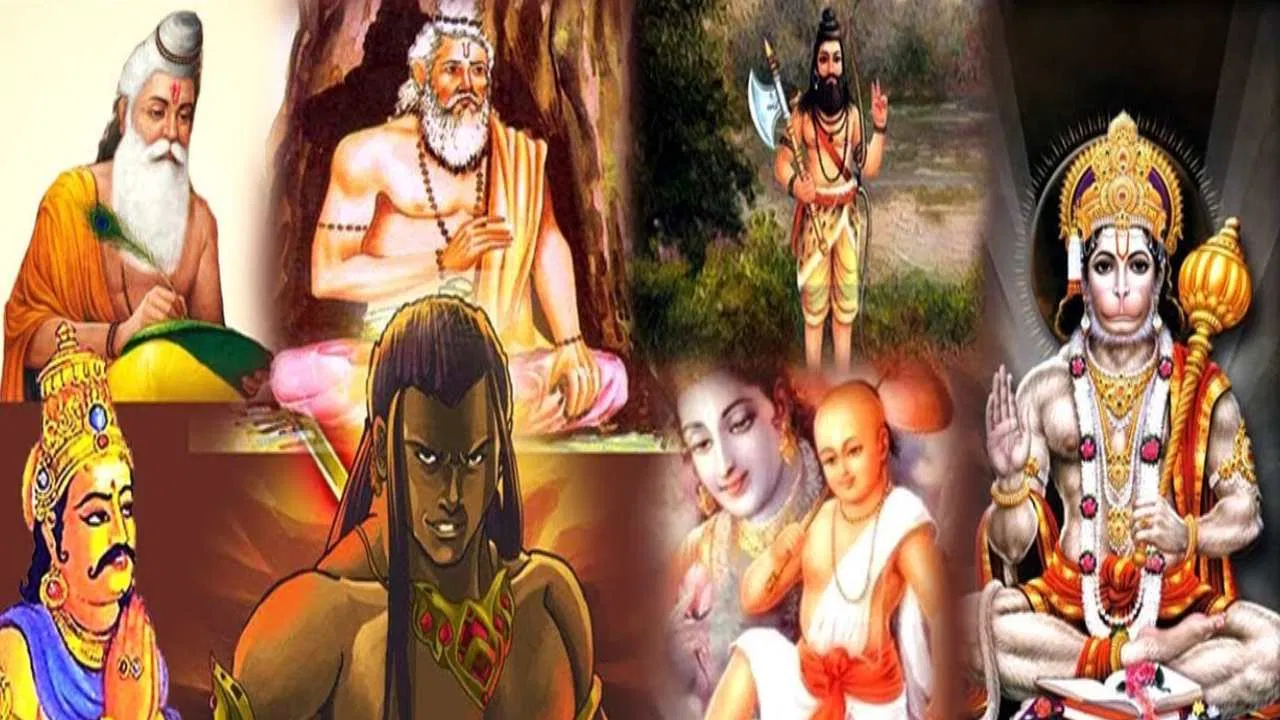
  2. Birth of Lord Parasurama: According to another legend, Akshaya Tritiya marks the birth anniversary of Lord Parasurama, the sixth incarnation of Lord Vishnu. Devotees celebrate this day by performing rituals dedicated to Lord Parasurama.

Rituals and Traditions

  1. Buying Gold: One of the most prominent traditions associated with Akshaya Tritiya is buying gold. It is believed that any investment made in gold on this day will bring continuous prosperity and wealth throughout the year.

  2. Charity and Daan: Devotees engage in acts of charity (daan) on Akshaya Tritiya to accumulate spiritual merit (punya). Feeding the poor, donating clothes, and contributing to temples or charitable organizations are common practices.

  3. Holy Bath (Snana): Taking a bath in sacred rivers, especially the Ganges (Ganga), on Akshaya Tritiya is considered highly meritorious. It is believed to cleanse sins and bring blessings of health, longevity, and spiritual purification.

  4. Puja and Havan: Special pujas are performed in homes and temples to invoke the blessings of deities like Goddess Lakshmi (for wealth and prosperity) and Lord Vishnu (for auspiciousness and blessings). Fire rituals (havan) are conducted to purify the environment and seek divine favor.

  5. Satyanarayana Puja: This puja, dedicated to Lord Vishnu in his form as Satyanarayana, is particularly popular on Akshaya Tritiya. Devotees recite the Satyanarayana Katha (story) and offer prayers for fulfillment of desires and blessings of truth.

Cultural Significance

  1. Festival of Abundance: Akshaya Tritiya is celebrated as a festival of abundance, where devotees seek blessings for continuous growth, success in endeavors, and overall prosperity in life.

  2. Harvest Festival: In some regions, Akshaya Tritiya also marks the beginning of the agricultural season and is celebrated as a harvest festival. Farmers worship the land and tools, seeking blessings for a bountiful crop.

  3. Spiritual Merit: Performing rituals, acts of charity, and prayers on Akshaya Tritiya are believed to yield immense spiritual merit and pave the way for blessings from the divine.

Modern Observance

Today, Akshaya Tritiya is observed with traditional fervor while adapting to modern practices:

  • Gold Purchases: The tradition of buying gold on Akshaya Tritiya remains strong, with many people considering it an auspicious time to invest in precious metals.

  • Online Offerings: With technological advancements, devotees may participate in online pujas, donate digitally to charities, or stream live rituals from temples.

  • Environmental Awareness: There is a growing emphasis on celebrating Akshaya Tritiya in an environmentally conscious manner, promoting sustainable practices and minimizing wastage.


    Durga Maa

    Origins and Mythological Background

    Durga Maa’s origin is rooted in Hindu mythology, particularly in the Puranas and ancient scriptures. She is considered a form of Shakti (divine feminine energy) and is often depicted as a warrior goddess who embodies the combined energies of various Hindu deities. The most popular narrative of her origin is associated with her manifestation to combat the demon Mahishasura:

    1. Victory over Mahishasura: According to mythological accounts, Mahishasura, a powerful demon, had obtained a boon from Brahma that made him nearly invincible. With his growing power and arrogance, Mahishasura wreaked havoc on the heavens and earth, threatening the balance of the universe.

    2. Manifestation of Durga: In response to the prayers of the gods and sages, the divine energies of Brahma, Vishnu, Shiva, and other deities converged to form Durga Maa. She was bestowed with weapons and divine attributes by each deity, symbolizing their collective power and blessings.

    3. Battle with Mahishasura: Durga Maa engaged in a fierce battle with Mahishasura for nine days and nights. In the ultimate confrontation, she vanquished the demon, restoring peace and order to the cosmos. This victory symbolizes the triumph of good over evil and the empowerment of righteousness.

    Symbolism and Attributes

    Durga Maa is revered for her multifaceted symbolism and divine attributes:

    1. Shakti and Feminine Power: As a manifestation of Shakti, Durga represents the primordial feminine energy that is dynamic, creative, and transformative. She embodies strength, courage, and compassion in her various forms and manifestations.

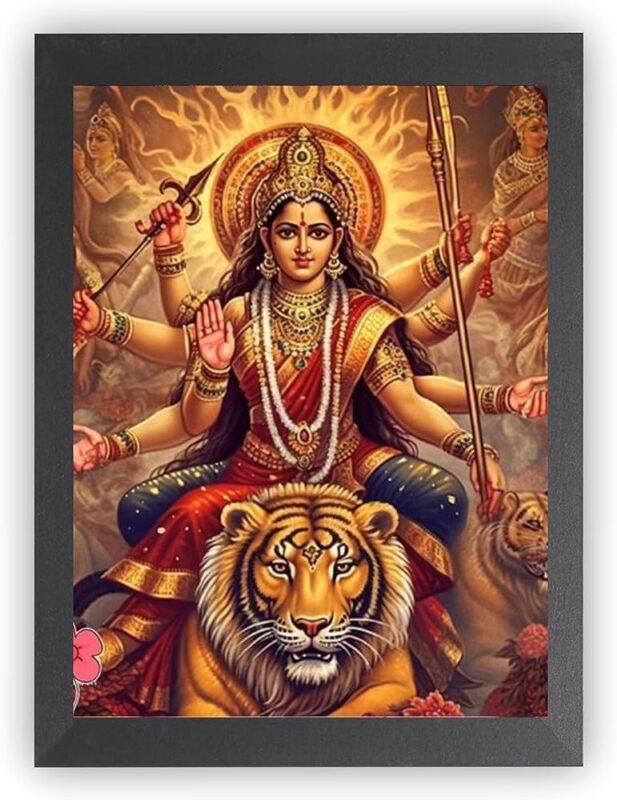
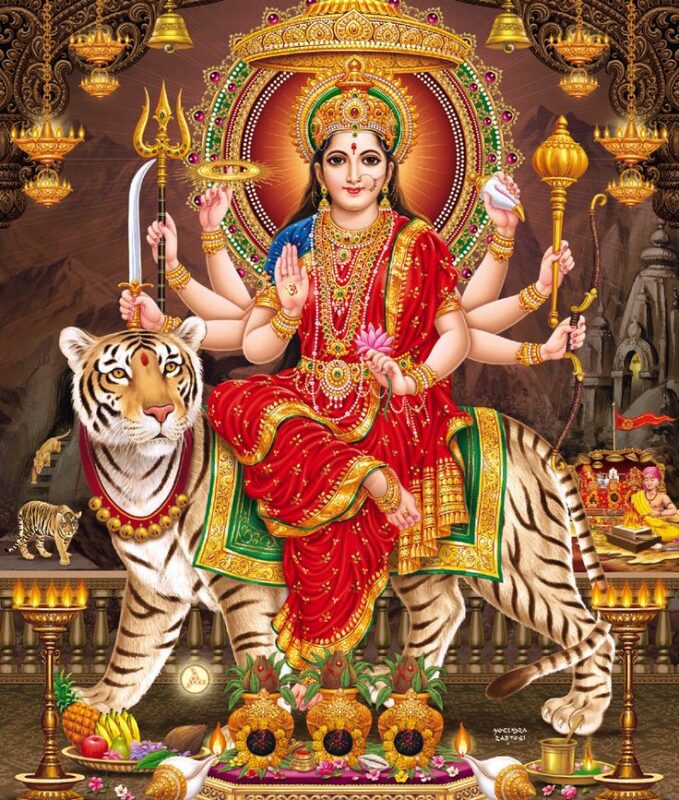
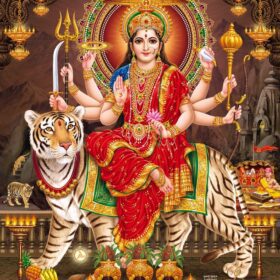
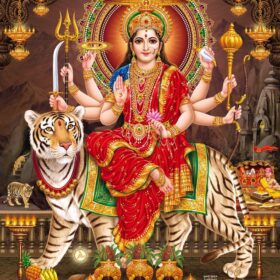
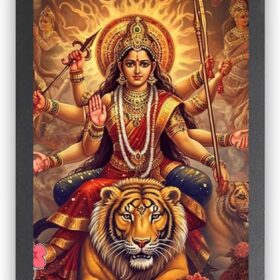
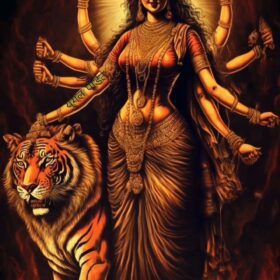
    2. Warrior Goddess: Durga Maa is often depicted riding a lion or tiger, wielding weapons in her multiple arms, symbolizing her readiness to combat forces of ignorance, injustice, and negativity. Her weapons include a trident (trishul), sword, discus (chakra), bow, arrow, and conch shell.

    3. Protector and Motherly Figure: Despite her fierce appearance in battle, Durga Maa is revered as a loving and protective motherly figure (Maa Durga or Divine Mother). She is worshipped as the nurturer who provides strength, guidance, and unconditional love to her devotees.

    4. Divine Qualities: Each aspect of Durga Maa’s iconography carries profound symbolism:

      • Lotus: Symbolizes purity and spiritual liberation.
      • Conch Shell: Represents the divine sound of creation.
      • Serpent: Signifies Kundalini Shakti, the spiritual energy within every individual.
      • Rosary: Represents continuous spiritual practice and devotion.

    Durga Maa, revered as a powerful goddess in Hindu mythology, symbolizes divine strength, protection, and compassion. Her origin myth centers on her manifestation to defeat the demon Mahishasura, embodying the combined energies of various Hindu deities. She is depicted riding a lion or tiger, wielding multiple weapons in her many arms, symbolizing her readiness to combat evil forces. Durga Maa is worshipped fervently during festivals like Navaratri and Durga Puja, where rituals, prayers, and hymns are offered to seek her blessings for courage, prosperity, and spiritual growth. Beyond India, her worship transcends borders, resonating with devotees worldwide who honor her as a symbol of feminine power, righteousness, and divine grace.

    Worship and Devotion

    Durga Maa is worshipped fervently across India and among Hindu communities worldwide. Her worship is marked by elaborate rituals, prayers, and festivals throughout the year:

    1. Navaratri: The festival of Navaratri, meaning “nine nights,” is dedicated to Durga Maa and her various forms. Celebrated twice a year (Chaitra Navaratri in spring and Sharad Navaratri in autumn), devotees observe fasts, perform rituals, and recite hymns (Durga Saptashati or Devi Mahatmya) in her honor.

    2. Durga Puja: Durga Puja is a grand festival celebrated predominantly in West Bengal, Assam, Bihar, and other parts of India. It commemorates the victory of Durga Maa over Mahishasura and is marked by vibrant processions, cultural performances (Dhunuchi dance), and elaborate puja rituals performed in temporary structures called pandals.

    3. Daily Worship: Many devotees perform daily rituals and prayers (puja) to Durga Maa at home or in temples. Offerings such as flowers, incense, fruits, sweets, and coconut are made to seek her blessings for protection, prosperity, and spiritual growth.

    4. Mantras and Chants: Reciting sacred mantras dedicated to Durga Maa, such as the Durga Gayatri mantra or Durga Chalisa, is believed to invoke her divine presence and blessings. Devotees chant these mantras with devotion to attain inner strength and spiritual upliftment.

    Cultural Significance

    Durga Maa holds profound cultural significance in Hinduism and beyond:

    1. Unity in Diversity: Durga Puja is a unifying festival that transcends regional and cultural boundaries, bringing together people of diverse backgrounds to celebrate shared values of courage, righteousness, and devotion.

    2. Symbol of Feminine Power: Durga Maa symbolizes the empowerment of women and the recognition of feminine energy as a source of strength, creativity, and compassion.

    3. Art and Iconography: Durga Maa’s iconography has inspired centuries of artistic expression in painting, sculpture, dance (Durga Nritya), and music (Durga Stuti). Artists depict her in various forms and poses, capturing her dynamic presence and spiritual essence.

    4. Philosophical Teachings: Durga Maa’s stories and symbolism convey profound philosophical teachings, emphasizing the importance of courage in adversity, the triumph of righteousness, and the nurturing aspect of divine love.

    Global Reverence and Worship

    Durga Maa’s worship extends beyond India, embraced by Hindu communities worldwide and admired by spiritual seekers of diverse backgrounds. Temples dedicated to her are established in countries such as Nepal, Bangladesh, Sri Lanka, and countries with significant Indian diaspora populations.

    Durga Maa stands as a preeminent symbol of divine strength, protection, and compassion in Hindu mythology and culture. Her multifaceted persona as a warrior goddess, nurturing mother, and embodiment of Shakti resonates deeply with devotees seeking spiritual upliftment, courage in adversity, and the blessings of divine grace. Through festivals, rituals, and daily worship, devotees honor Durga Maa’s presence in their lives, celebrating her eternal role as the protector and nurturer of all creation.

    Puja is a sacred Hindu ritualistic worship performed to honor and invoke the presence of deities or divine aspects. It involves prayers, offerings like flowers and incense, chanting of mantras, and symbolic gestures to express devotion and seek blessings. Puja can be daily, during festivals, or for specific occasions, fostering spiritual connection, purification, and community cohesion among devotees. It serves as a profound practice for cultivating humility, gratitude, and spiritual growth in Hindu religious traditions.

    Components of Puja:

    1. Preparation (Sankalpa):

      • Puja begins with a declaration of intent (Sankalpa) by the worshipper, stating the purpose, occasion, and specific deity or divine aspect being honored.
    2. Invocation (Avahan):

      • The deity is invited to reside in the idol, image, or symbol placed on the altar (mandap). This is done through prayers, mantras, and hymns that invoke the divine presence.
    3. Offerings (Upachara):

      • Various offerings are made to the deity as symbols of devotion and gratitude. These can include flowers, incense, lamps (diya), water (jal), food (prasadam), fruits, and sweets.
    4. Prayers and Mantras:

      • Devotional hymns, prayers (stotras), and Vedic mantras specific to the deity are recited or chanted by the worshipper. These prayers seek blessings, protection, and guidance from the deity.
    5. Worship (Archana):

      • The worshipper may perform rituals such as circumambulation (pradakshina) around the deity, waving of lamps (arti), and offering of camphor (arati) while chanting mantras.
    6. Benediction (Prasada):

      • After completion of the puja, the prasad (consecrated offering) is distributed among the participants and attendees as a symbol of blessings and divine grace.

    Types of Puja:

    • Daily Puja (Nitya Puja): Regular worship performed by individuals or families at home or in temples.

    • Festival Puja: Special rituals conducted during Hindu festivals such as Diwali, Navaratri, and Ganesh Chaturthi.

    • Temple Puja: Elaborate ceremonies conducted by priests in temples for devotees.

    • Personal Puja: Individual rituals performed for specific purposes like seeking blessings, healing, or personal milestones.

    Significance:

    • Spiritual Connection: Puja deepens the spiritual bond between the worshipper and the deity, fostering devotion, humility, and gratitude.

    • Purification: The act of puja purifies the mind, body, and soul, aligning the worshipper with divine energies and cosmic harmony.

    • Community and Tradition: Puja rituals strengthen community bonds and uphold cultural traditions passed down through generations.

    • Karma and Dharma: Performing puja with sincerity and devotion is believed to enhance positive karma and uphold righteous living (dharma).

    Puja is a sacred and profound practice in Hinduism, facilitating communion with the divine and fostering spiritual growth. It embodies reverence, devotion, and the eternal quest for inner peace and divine blessings. Whether performed in homes, temples, or during festivals, puja remains a cornerstone of Hindu religious life, promoting harmony, humility, and spiritual fulfillment among devotees.

    Narasimha

    Mythological Background and Origin

    Narasimha’s origin story is recounted in Hindu scriptures, particularly in the Vishnu Purana and the Bhagavata Purana. According to mythology:

    1. Hiranyakashipu’s Boon: Hiranyakashipu, a powerful demon king, performed severe penance to please Lord Brahma. Pleased with his devotion, Brahma granted him a boon, making him virtually invincible. Hiranyakashipu asked for the ability to not be killed by any human or animal, during the day or night, inside or outside, on the ground or in the sky.

    2. Birth of Prahlada: Hiranyakashipu’s son, Prahlada, became an ardent devotee of Lord Vishnu, much to his father’s dismay. Hiranyakashipu attempted to kill Prahlada multiple times due to his devotion to Vishnu, but each time he was protected miraculously.

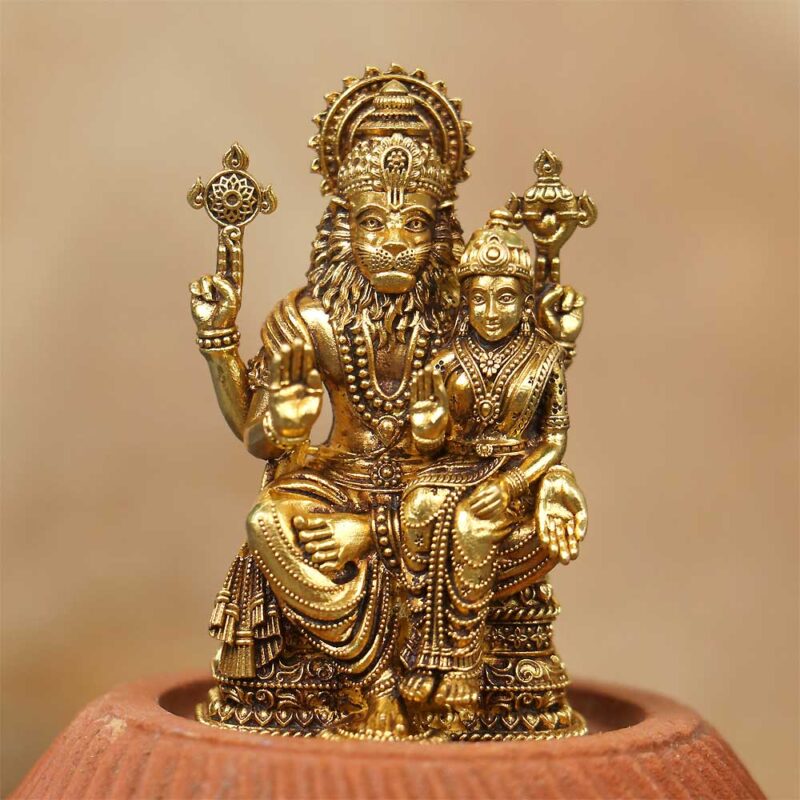
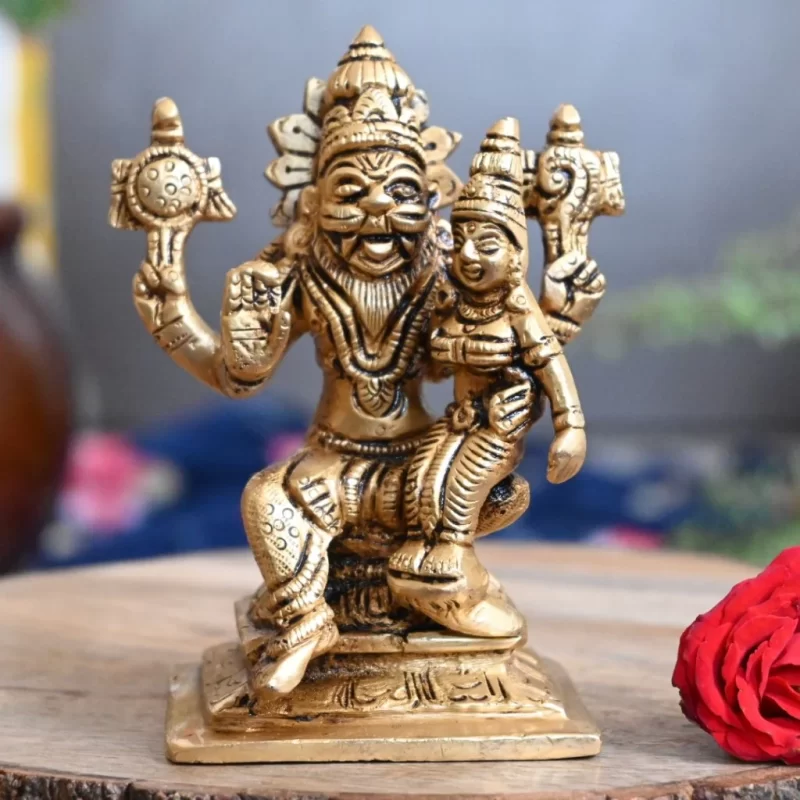
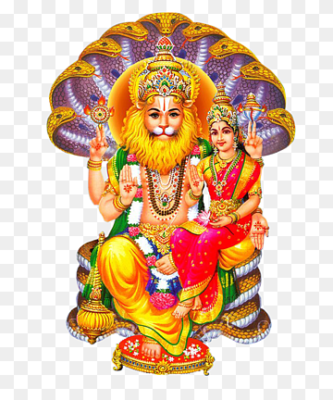
    3. Incarnation of Narasimha: Finally, when Hiranyakashipu demanded to know where Vishnu resided, Prahlada replied that Vishnu was everywhere, even in the pillar of their palace. In a fit of rage, Hiranyakashipu struck the pillar, and Lord Narasimha emerged. Narasimha was neither human nor animal but appeared as a half-man, half-lion form, fulfilling the conditions of Brahma’s boon.

    4. The Battle and Victory: Narasimha then attacked Hiranyakashipu at dusk (neither day nor night), placed him on his lap (neither on the ground nor in the sky), and tore him apart with his claws (neither by human nor animal). Thus, Narasimha triumphed over the demon king and restored cosmic order.

    Characteristics and Symbolism

    Narasimha is depicted with the following characteristics:

    • Half-Man, Half-Lion Form: Narasimha’s form symbolizes the convergence of human intelligence and animalistic strength, signifying the transcendence of dualities.

    • Claws and Mane: His lion-like features, including sharp claws and a fierce mane, symbolize his ferocity in protecting devotees and upholding righteousness.

    • Chakra and Conch: He often holds a chakra (discus) and a conch shell, weapons associated with Lord Vishnu, symbolizing his divine authority and protection.

    Devotional Significance and Worship

    Narasimha is worshipped for various reasons:

    • Protector of Devotees: Devotees invoke Narasimha for protection from evil forces, adversity, and negative energies.

    • Dispeller of Fear: He is believed to remove fear and instill courage in his devotees, helping them overcome obstacles in life.

    • Destroyer of Evil: Narasimha is revered as the annihilator of demonic forces and the embodiment of divine justice.

    • Spiritual Liberation: Worshipping Narasimha is believed to grant spiritual liberation (moksha) and purification of karma.


    Festivals and Celebrations

    • Narasimha Jayanti: Celebrated on the 14th day of the bright fortnight (Shukla Paksha) of the Hindu month of Vaishakha (April-May), Narasimha Jayanti commemorates the birth anniversary of Lord Narasimha.

    • Prahlada Nataka: In some regions, elaborate theatrical performances (Prahlada Nataka) narrating the story of Prahlada and Narasimha are enacted during festivals.

    Cultural and Philosophical Significance

    • Dharma and Justice: Narasimha’s incarnation underscores the triumph of dharma (righteousness) over adharma (evil) and the importance of divine intervention in restoring cosmic balance.

    • Devotion and Faith: The devotion of Prahlada and the protection granted by Narasimha highlight the power of unwavering faith and devotion in Hindu mythology.

    Narasimha remains a compelling figure in Hindu mythology, embodying aspects of divine protection, justice, and spiritual liberation. His story resonates with devotees as a testament to the triumph of good over evil and the transformative power of devotion. Through worship and celebration, Narasimha continues to inspire reverence and devotion among millions of Hindus worldwide.


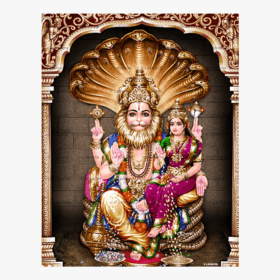
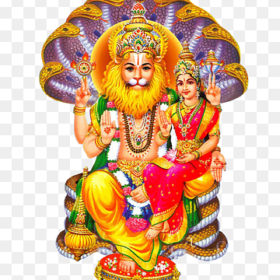
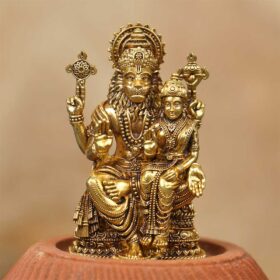
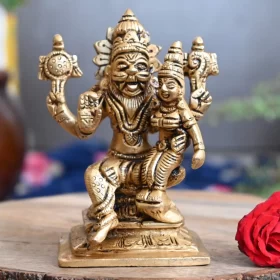
    Narasimha, a prominent deity in Hindu mythology, is the fourth incarnation (avatar) of Lord Vishnu. He appears as a half-man, half-lion form to defeat the demon king Hiranyakashipu, who had received a boon making him nearly invincible. Narasimha emerges from a pillar at twilight, neither day nor night, and slays Hiranyakashipu, thus restoring cosmic order and protecting his devotee Prahlada. Narasimha symbolizes courage, divine justice, and the triumph of good over evil. He is worshipped for protection, fearlessness, and spiritual liberation, celebrated annually during Narasimha Jayanti.


    Components of Puja:

    1. Preparation (Sankalpa):

      • Puja begins with a preliminary declaration of intent (Sankalpa) by the worshipper, stating the purpose and occasion of the ritual.
    2. Invocation (Avahan):

      • The deity is invited to reside in the idol, image, or symbol placed on the altar (mandap). This is done through prayers and mantras, inviting the divine presence.
    3. Offerings (Upachara):

      • Various offerings are made to the deity as symbols of devotion and gratitude. These can include flowers, incense, lamps (diya), water (jal), food (prasadam), fruits, and sweets.
    4. Prayers and Mantras:

      • Devotional hymns, prayers (stotras), and Vedic mantras specific to the deity are recited or chanted by the worshipper. These prayers seek blessings, protection, and guidance from the deity.
    5. Worship (Archana):

      • The worshipper may perform rituals such as circumambulation (pradakshina) around the deity, waving of lamps (arti), and offering of camphor (arati) while chanting mantras.
    6. Benediction (Prasada):

      • After completion of the puja, the prasad (consecrated offering) is distributed among the participants and attendees as a symbol of blessings and divine grace.

    Types of Puja:

    • Daily Puja (Nitya Puja): Regular worship performed by individuals or families at home or in temples.

    • Festival Puja: Special rituals conducted during Hindu festivals such as Diwali, Navaratri, and Ganesh Chaturthi.

    • Temple Puja: Elaborate ceremonies conducted by priests in temples for devotees.

    • Personal Puja: Individual rituals performed for specific purposes like seeking blessings, healing, or personal milestones.

    Significance:

    • Spiritual Connection: Puja deepens the spiritual bond between the worshipper and the deity, fostering devotion, humility, and gratitude.

    • Purification: The act of puja purifies the mind, body, and soul, aligning the worshipper with divine energies and cosmic harmony.

    • Community and Tradition: Puja rituals strengthen community bonds and uphold cultural traditions passed down through generations.

    • Karma and Dharma: Performing puja with sincerity and devotion is believed to enhance positive karma and uphold righteous living (dharma).

    Shaligram Stone

    Origins and Mythological Background

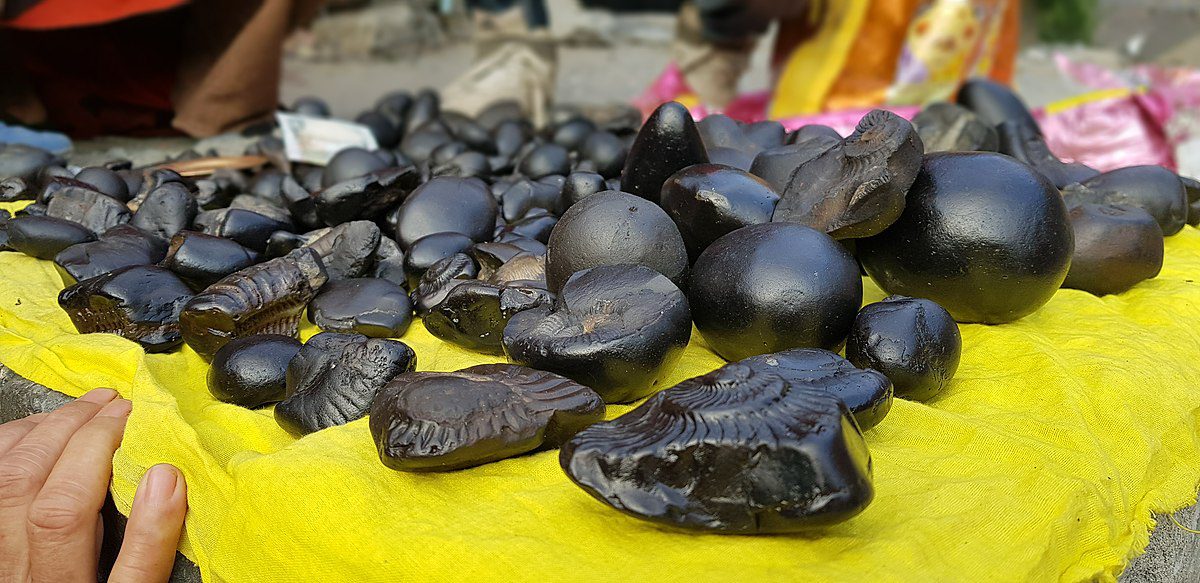
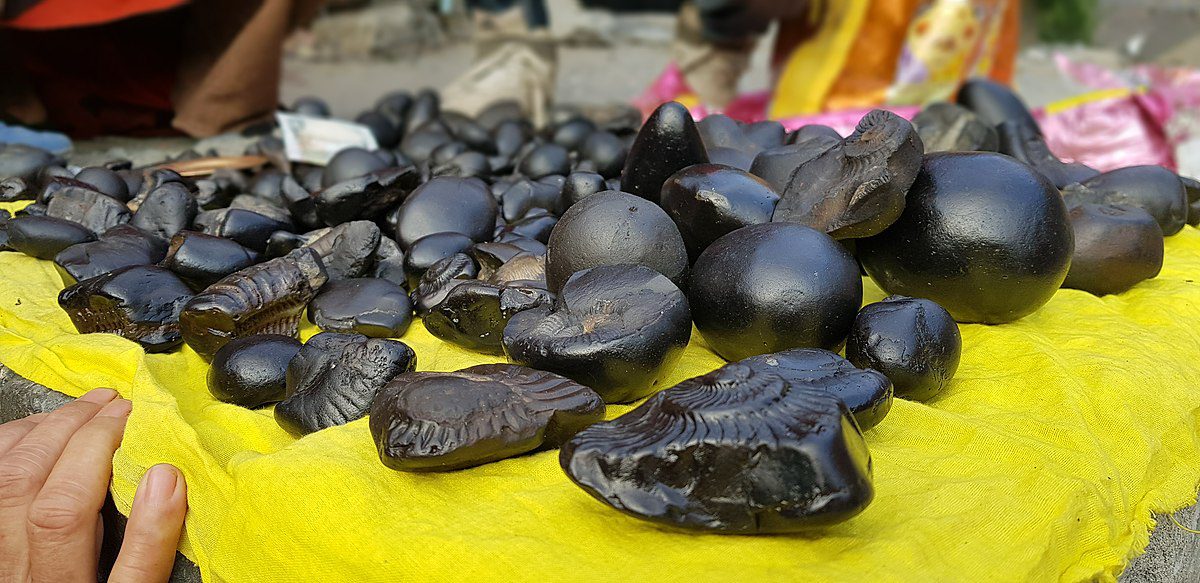
    The Shaligram stone is a unique fossil found in the Gandaki River of Nepal, specifically in the Kali Gandaki River, which flows through the Mustang region. These stones are naturally occurring ammonite fossils, believed to have originated from the remains of ancient sea creatures millions of years ago.

    According to Hindu mythology, the Shaligram stone is considered sacred because it is believed to be a direct manifestation of Lord Vishnu. Legend has it that the Shaligram stones were initially discovered by the sage Narada Muni, who performed intense penance to please Lord Vishnu. Pleased with Narada’s devotion, Vishnu appeared before him in the form of these ammonite fossils, which came to be revered as representations of the deity himself.

    Physical Characteristics and Types

    Shaligram stones vary in appearance and markings, influenced by their geological formation and mineral composition. Typically, they are black or dark brown in color, often with spiral-shaped ridges and natural patterns resembling the Sudarshana Chakra (the divine discus weapon of Vishnu). The size of Shaligram stones can range from small palm-sized specimens to larger, more intricate formations.

    Each Shaligram stone is unique, and their shapes and markings are believed to correspond to different manifestations (Avatars) of Lord Vishnu. The most revered Shaligram stones are those with specific markings or symbols, such as the presence of chakras (discs), lines resembling lotus petals, or natural impressions resembling weapons held by Vishnu in his various incarnations.

    Symbolism and Spiritual Significance

    The Shaligram stone holds deep symbolism and spiritual significance in Hinduism, particularly within the Vaishnavite sect:

    1. Representation of Vishnu: The Shaligram stone is considered a divine manifestation of Lord Vishnu, revered as a sacred object of worship in Hindu temples and households.

    2. Eternal Presence: It is believed that the presence of Vishnu resides within the Shaligram stone, making it a potent symbol of divine protection, auspiciousness, and blessings.

    3. Purification and Sanctification: Shaligram stones are often used in rituals and ceremonies to sanctify spaces, purify offerings, and invoke the presence of Vishnu during worship (puja).

    4. Spiritual Evolution: Devotees believe that owning and worshipping a Shaligram stone brings spiritual growth, protection from negative influences, and facilitates the attainment of moksha (liberation) from the cycle of birth and death.

    Uses and Practices

    The Shaligram stone is used in various spiritual practices and rituals in Hinduism:

    • Puja and Worship: Devotees perform elaborate rituals and prayers (puja) to honor the Shaligram stone, offering flowers, incense, water (abhishekam), and food (prasadam) as acts of devotion.

    • Mantra Recitation: During worship, sacred mantras and hymns dedicated to Lord Vishnu, such as the Vishnu Sahasranama (thousand names of Vishnu), are recited while offering prayers to the Shaligram stone.

    • Astrological Remedies: In Vedic astrology, Shaligram stones are considered auspicious and are sometimes used as remedies to appease planetary influences or negate negative energies (doshas).

    • Personal Meditation: Some practitioners use the Shaligram stone as a focus for meditation, contemplating the divine attributes and symbolism associated with Vishnu.

    Cultural and Global Significance

    The Shaligram stone is revered not only in India but also among Hindu communities worldwide:

    • Sacred Pilgrimages: The Kali Gandaki River in Nepal, where Shaligram stones are found, is a significant pilgrimage site for Vaishnavite devotees who seek to collect and worship these sacred fossils.

    • Gifts and Offerings: Shaligram stones are often exchanged as gifts during auspicious occasions such as weddings, housewarming ceremonies, and religious festivals.

    • Art and Craftsmanship: In addition to their religious significance, Shaligram stones inspire artists and craftsmen who create intricate sculptures and jewelry depicting Vishnu and his incarnations.

    • Global Appeal: The spiritual allure and cultural richness associated with Shaligram stones have attracted interest and admiration from spiritual seekers and scholars worldwide, contributing to their global recognition.

    Modern Interpretations and Practices

    In contemporary times, the reverence for Shaligram stones continues to evolve:

    • Environmental Conservation: Efforts are underway to protect the natural habitat of Shaligram stones in the Kali Gandaki River, ensuring sustainable collection practices and preservation of geological heritage.

    • Interfaith Dialogue: Shaligram stones symbolize the diversity and richness of Hindu spirituality, fostering interfaith dialogue and understanding among diverse religious communities.

    • Healing and Well-being: Some believe in the therapeutic properties of Shaligram stones, using them in alternative healing practices and holistic therapies for physical and spiritual ailments.

    Conclusion

    The Shaligram stone stands as a timeless symbol of devotion, spiritual enlightenment, and divine presence in Hinduism. Its origins rooted in ancient mythology and its continued reverence in modern-day practices highlight its enduring significance as a sacred object of worship and cultural heritage. Whether worshipped in temples, used in rituals, or cherished as a personal talisman, the Shaligram stone continues to inspire reverence and devotion among devotees seeking the blessings and protection of Lord Vishnu in their spiritual journey.

    Importance of the Shaligram stone in Hinduism transcends its physical form. It embodies the divine essence of Lord Vishnu, offering devotees spiritual protection, enlightenment, purification, and a deeper connection with the divine. Its significance underscores the profound spiritual teachings and beliefs that shape Hindu religious practices and cultural identity.

    Benefits of Shaligram Stone:

    • Divine Blessings: The Shaligram stone is considered a manifestation of Lord Vishnu, embodying his divine presence and blessings. Worshipping it is believed to invoke Vishnu’s grace and protection.

    • Spiritual Growth: Owning and worshipping a Shaligram stone is thought to aid in spiritual evolution and enlightenment. It is believed to facilitate deeper meditation, enhance spiritual awareness, and foster a sense of inner peace and harmony.

    • Protection: The Shaligram stone is believed to offer protection from negative energies, malefic influences, and obstacles in life. It is considered a potent talisman for safeguarding the devotee’s well-being and spiritual journey.

    • Removal of Sins: It is believed that worshipping a Shaligram stone can help purify one’s karma (actions) and cleanse one’s soul of past sins. Devotees seek its blessings to attain spiritual purification and liberation (moksha).

    • Health Benefits: Some believe that the Shaligram stone possesses healing properties, both physical and spiritual. It is thought to promote overall well-being, alleviate ailments, and restore balance to the body and mind.

    • Auspiciousness: Keeping a Shaligram stone in the home or wearing it as a pendant is considered auspicious. It is believed to attract positive energies, prosperity, and happiness into one’s life and surroundings.

    • Astrological Remedies: In Vedic astrology, specific types of Shaligram stones are recommended as remedies to appease planetary influences (grahas) and mitigate astrological doshas (imbalances).

    • Facilitation of Rituals: Shaligram stones are integral to Hindu rituals and ceremonies. They are used to sanctify spaces, consecrate offerings, and invoke the presence of Lord Vishnu during religious observances and festivals.

    • Cultural and Spiritual Connection: For devotees, possessing a Shaligram stone symbolizes a deep spiritual connection with Hindu traditions and the worship of Lord Vishnu. It fosters devotion, reverence, and a sense of spiritual fulfillment.

    • Heritage and Tradition: The Shaligram stone is part of India’s rich cultural heritage and religious traditions. Its reverence spans generations, contributing to the preservation and continuity of ancient Hindu practices and beliefs.

    Importance of Shaligram stone:

    Manifestation of Lord Vishnu

    The Shaligram stone is revered as a direct manifestation of Lord Vishnu. According to Hindu mythology, it is believed that the Shaligram stone embodies the divine presence of Vishnu himself. This association makes the stone a sacred object of worship and devotion among Vaishnavites.

    Symbol of Divine Protection

    Worshipping the Shaligram stone is believed to invoke the blessings and divine protection of Lord Vishnu. Devotees believe that keeping the Shaligram stone in their homes or wearing it as a pendant can ward off negative energies, evil influences, and obstacles in life. It is considered a powerful talisman for spiritual and physical protection.

    Spiritual Enlightenment and Growth

    Possessing and worshipping the Shaligram stone is thought to facilitate spiritual growth and enlightenment. It is believed to deepen one’s meditation practice, enhance spiritual awareness, and foster a closer connection with Vishnu. The stone is often used as a focal point during meditation to aid in concentration and contemplation of divine qualities.

    Purification of Karma

    In Hindu belief, the Shaligram stone is associated with the purification of karma (actions). Devotees seek its blessings to cleanse themselves of past sins and negative karmic impressions. By worshipping the Shaligram stone with devotion and sincerity, one aims to attain spiritual purification and progress towards liberation (moksha).

    Auspiciousness and Prosperity

    The presence of a Shaligram stone is considered highly auspicious in Hindu households and temples. It is believed to attract positive energies, prosperity, and abundance into one’s life and surroundings. Keeping the Shaligram stone in the home is thought to create a harmonious and spiritually charged environment.

    Astrological Significance

    In Vedic astrology, specific types of Shaligram stones are recommended as remedies to mitigate the adverse effects of planetary influences (grahas) and astrological doshas (imbalances). These stones are believed to pacify planetary positions and promote harmony in one’s life.

    Integral to Rituals and Ceremonies

    Shaligram stones play a pivotal role in Hindu rituals and ceremonies dedicated to Lord Vishnu. They are used to sanctify spaces, consecrate offerings, and invoke Vishnu’s presence during worship (puja), festivals, and religious observances. The stones are adorned with flowers, incense, and sacred water (abhishekam) as acts of reverence and devotion.

    Cultural Heritage and Tradition

    The reverence for Shaligram stones is deeply ingrained in India’s cultural heritage and religious traditions. They have been venerated for centuries, passed down through generations as symbols of faith and spiritual devotion. The stones represent continuity in ancient Hindu practices and beliefs, preserving the rich tapestry of religious heritage.

    Global Recognition and Appeal

    Beyond India, the Shaligram stone has gained recognition and admiration among global communities interested in Hindu spirituality and philosophy. Its unique geological origin and spiritual symbolism attract spiritual seekers, scholars, and enthusiasts worldwide.

    Personal Devotion and Connection

    For devotees of Vishnu, owning a Shaligram stone signifies a personal connection with the divine. It symbolizes devotion, faith, and a commitment to spiritual principles upheld by Lord Vishnu. The stone serves as a tangible reminder of Vishnu’s omnipresence and benevolence in the devotee’s life.


    WAVS Original Shukra Mani Stone with Certificate

    Original price was: $36.52.Current price is: $21.79.

    Categories: ,
    Read more

    Rudraksha Bracelet

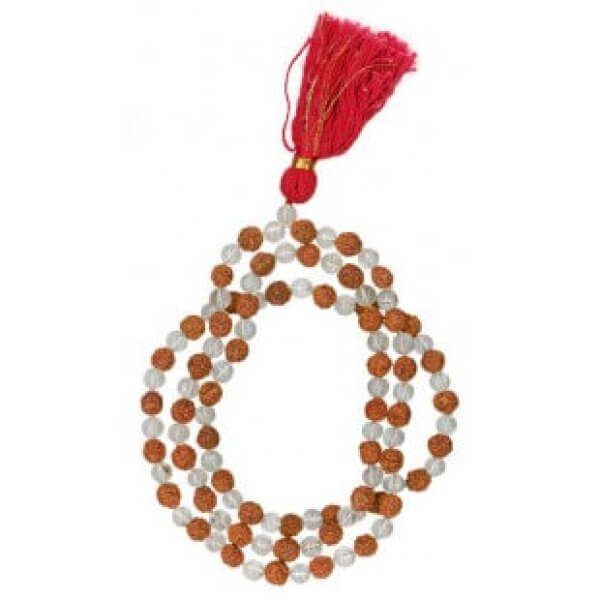
    A Rudraksha bracelet typically consists of beads made from the seeds of the Rudraksha tree, revered in Hinduism. It is worn for spiritual and healing purposes, believed to enhance concentration, reduce stress, and bring harmony. Each bead is said to embody the blessings of Lord Shiva, making the bracelet a symbol of protection, peace, and divine connection.

    Origins and Mythological Background

    The Rudraksha bracelet finds its origins in ancient Hindu scriptures and mythology, particularly associated with Lord Shiva. The word “Rudraksha” is derived from Sanskrit, where “Rudra” refers to Lord Shiva, and “aksha” means eyes. Thus, Rudraksha is often translated as “the eyes of Lord Shiva.”

    According to Hindu mythology, Lord Shiva, known for his asceticism and deep meditation, was once deeply moved by the suffering of humanity. Legend has it that tears of compassion shed by Shiva upon seeing the plight of beings on Earth crystallized into seeds, which later became the Rudraksha tree. The seeds from this tree, revered for their spiritual significance, are believed to embody the essence of Lord Shiva’s compassion and wisdom.

    Physical Characteristics and Types

    The Rudraksha tree (Elaeocarpus ganitrus) is native to the Himalayan region and other parts of Southeast Asia. It typically grows to medium size and produces blueberry-like fruits containing the Rudraksha seeds. These seeds are round, often with a textured surface, and are naturally found in various Mukhi (faces or facets) ranging from 1 to 21 or even higher, each with its unique symbolism and benefits.

    The seeds are traditionally strung together to form bracelets, necklaces, or malas (prayer beads), with each seed representing a different aspect of spiritual energy and divine connection. The most common Rudraksha bracelets are made from seeds with 5 Mukhi (faces), representing Lord Shiva himself and often used for meditation and spiritual practices.

    Symbolism and Spiritual Significance

    The Rudraksha bracelet holds profound symbolism in Hinduism:

    1. Connection with Lord Shiva: Each Rudraksha seed is believed to carry the energy and blessings of Lord Shiva. Wearing the bracelet is seen as a way to invoke Shiva’s protection, guidance, and blessings in daily life.

    2. Spiritual Growth and Awareness: The Mukhi (faces) of the Rudraksha seeds symbolize different aspects of spiritual energy and consciousness. For example, the 5 Mukhi Rudraksha represents Pancha Brahma (the five forms of Lord Shiva) and is associated with enhancing overall well-being and spiritual growth.

    3. Protection and Healing: Rudraksha beads are considered to have healing properties, both physical and spiritual. They are believed to balance the chakras (energy centers) of the body, reduce stress, and improve concentration.

    4. Harmony and Peace: Wearing a Rudraksha bracelet is believed to create a harmonious aura around the wearer, promoting inner peace, positivity, and serenity.

    Uses and Practices

    The Rudraksha bracelet is used in various spiritual practices and rituals:

    • Meditation: Many practitioners use Rudraksha beads during meditation to enhance focus and spiritual connection. Each bead is counted as mantras (sacred chants) are recited, aiding in concentration and mindfulness.

    • Prayer and Worship: Devotees wear Rudraksha bracelets while offering prayers and worship to Lord Shiva and other deities. It is believed to facilitate a deeper spiritual communion and divine blessings.

    • Astrological Remedies: In Vedic astrology, specific Mukhi Rudraksha beads are recommended as remedies for planetary afflictions or to enhance favorable planetary influences (grahas).

    • Physical Healing: Some believe that wearing Rudraksha bracelets can alleviate physical ailments such as headaches, hypertension, and stress-related disorders. The seeds are also used in Ayurvedic medicine for their cooling and calming properties.

    Cultural and Global Significance

    Beyond its religious and spiritual connotations in Hinduism, the Rudraksha bracelet has gained popularity worldwide for its holistic healing properties and aesthetic appeal. It is worn by individuals seeking spiritual growth, inner peace, and protection from negative energies. The global interest in Rudraksha beads has led to their incorporation into modern jewelry designs and wellness products.

    In Hindu culture, Rudraksha beads are often gifted as a symbol of goodwill and spiritual support during auspicious occasions such as weddings, birthdays, and religious ceremonies. They are also worn by sadhus (Hindu ascetics) and spiritual seekers as a mark of their dedication to spiritual practices and renunciation.

    Modern Usage and Trends

    In contemporary times, Rudraksha bracelets are embraced not only for their spiritual benefits but also as fashionable accessories. They are worn by people of diverse backgrounds who appreciate their cultural significance and holistic healing properties. Modern interpretations include Rudraksha beads combined with gemstones, metals, and other natural materials to create stylish and personalized jewelry pieces.

    Conclusion

    The Rudraksha bracelet stands as a timeless symbol of spirituality, protection, and healing in Hindu tradition and beyond. Its origins rooted in ancient mythology and its continued relevance in modern spiritual practices highlight its enduring significance. Whether worn for religious rituals, meditation, or personal wellness, the Rudraksha bracelet continues to inspire devotion, inner peace, and a deeper connection to the divine energies it represents.

    7 Chiranjeevi


    The concept of the Chiranjeevis, also known as the “immortals” or “eternals,” originates from Hindu mythology. These are seven legendary figures who are believed to be immortal, living through multiple ages of mankind. Each Chiranjeevi is revered for their unique qualities and contributions to Hindu mythology and culture. Here’s a brief description of each:

    1. Ashwatthama: Son of Dronacharya, the royal guru to the Kauravas and Pandavas in the Mahabharata. Ashwatthama is known for his invincibility in battle and is cursed to roam the earth with a perpetual wound as punishment for his role in the massacre of the Pandavas’ sons.

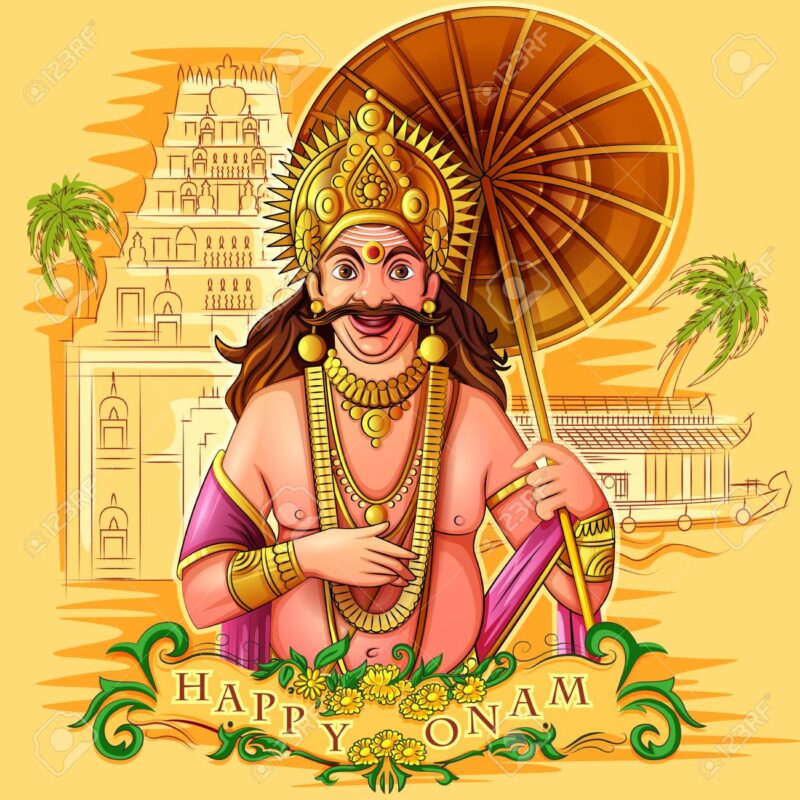
    2. King Mahabali: Also known as Bali, he was a generous and virtuous king who ruled over Kerala. He was renowned for his devotion and charity but was subdued by Lord Vishnu in his Vamana (dwarf) avatar, though he was granted immortality and allowed to visit his kingdom once a year during Onam.

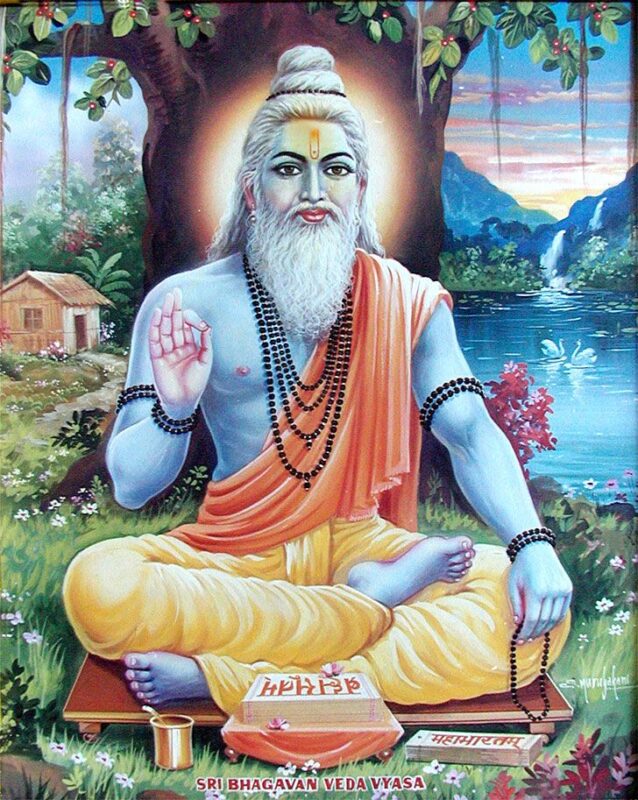
    3. Veda Vyasa: Traditionally credited as the compiler of the Vedas and the author of the Mahabharata, Puranas, and numerous other scriptures. Veda Vyasa is considered one of the greatest sages in Hindu tradition, immortalized for his literary and spiritual contributions.

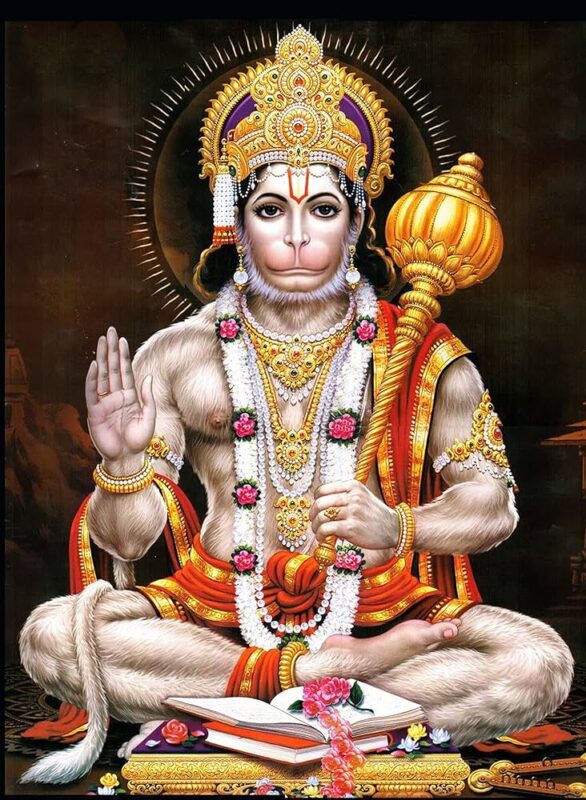
    4. Hanuman: The mighty monkey god known for his unwavering devotion to Lord Rama in the Ramayana. Hanuman possesses immense strength, wisdom, and is revered for his loyalty and devotion, making him a beloved figure in Hinduism.

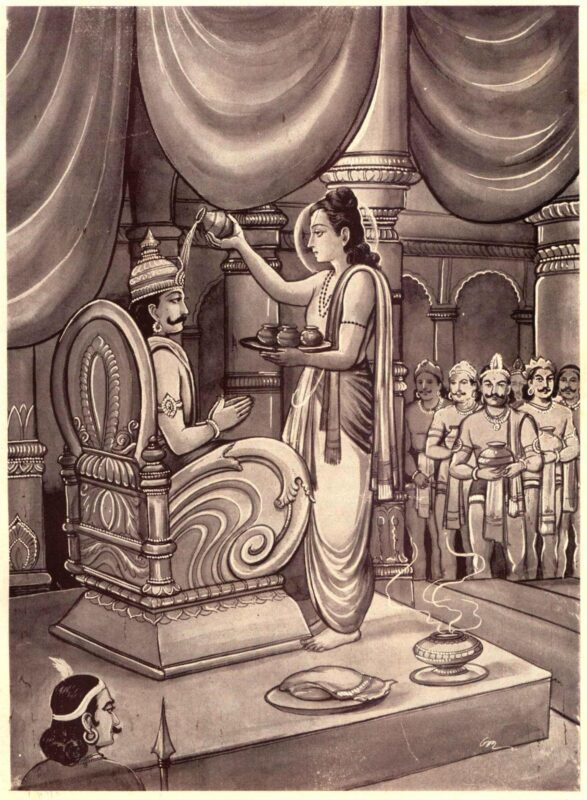
    5. Vibhishana: Brother of Ravana, the demon king of Lanka in the Ramayana. Vibhishana is noted for his righteousness and loyalty to Lord Rama, ultimately defecting from Ravana’s army to join Rama’s cause. He was granted immortality for his virtues.

    6. Kripacharya: One of the Maharathis (great warriors) in the Mahabharata and a royal teacher to the Kauravas and Pandavas. Kripacharya is revered for his martial prowess, wisdom, and ethical conduct, earning him the status of a Chiranjeevi.

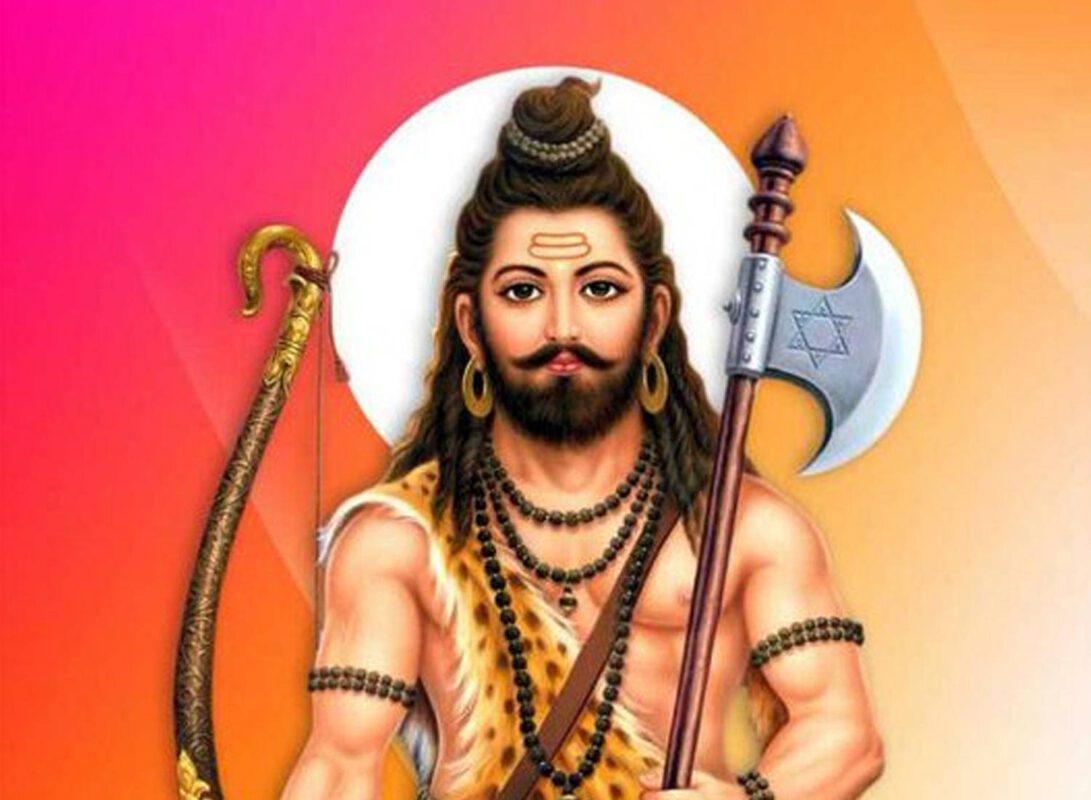
    7. Parashurama: The warrior sage known for wielding an axe, gifted by Lord Shiva. Parashurama is believed to be an avatar of Vishnu, tasked with eliminating the corrupt Kshatriya rulers from the earth several times over, establishing dharma (righteousness) in their place.

    These seven Chiranjeevis symbolize various virtues and ideals in Hindu mythology, representing aspects of loyalty, wisdom, valor, righteousness, and devotion. They continue to inspire generations with their stories and teachings, embodying timeless principles that resonate deeply within Hindu culture and spirituality.


    Ashwatthama is a significant figure in Hindu mythology, particularly prominent in the epic Mahabharata. Here’s a detailed exploration of Ashwatthama:

    1. Lineage and Background:

      • Ashwatthama is the son of Dronacharya, the royal guru (teacher) of the Kauravas and Pandavas, and Kripi, sister of Kripacharya.
      • He was born with a gem embedded in his forehead, which granted him supernatural abilities and protection.
    2. Role in the Mahabharata:

      • Ashwatthama fought on the side of the Kauravas during the Kurukshetra War, the climactic battle of the Mahabharata.
      • He was known for his prowess in warfare, especially as a proficient user of celestial weapons.
    3. Incident at the End of the War:

      • In the final days of the war, after the fall of Duryodhana (leader of the Kauravas), Ashwatthama became filled with rage and grief.
      • He unleashed a devastating attack during the night, targeting the Pandava camp to avenge his father’s death and the defeat of the Kauravas.
    4. Cursed Immortality:

      • After his attack on the Pandavas, Ashwatthama was cursed by Lord Krishna and other sages.
      • He was cursed with eternal suffering, where he would roam the earth with a perpetual wound and be in a state of agony without finding death.
    5. Later Life and Legends:

      • Despite his curse, Ashwatthama continues to exist in Hindu mythology as one of the Chiranjeevis, the immortals.
      • He is often depicted as a tragic figure, tormented by his actions during the war and the consequences of his curse.
    6. Symbolism and Legacy:

      • Ashwatthama symbolizes the complexities of loyalty, revenge, and the consequences of unchecked anger.
      • His story serves as a cautionary tale about the destructive power of emotions and the importance of righteous conduct even in the face of adversity.
    7. Cultural Significance:

      • Ashwatthama remains a revered but controversial figure in Hindu culture, inspiring various interpretations and moral lessons.
      • His character continues to be studied and debated within the context of Hindu ethics and mythology, reflecting deeper philosophical themes of dharma (righteousness) and karma (action).


    King Mahabali, also known simply as Bali, is a revered figure in Hindu mythology, particularly celebrated in the southern Indian state of Kerala. Here’s a detailed overview of King Mahabali:

    1. Lineage and Background:

      • Mahabali was born in the lineage of the demon king Prahlada, who was a devotee of Lord Vishnu despite being born to the demon Hiranyakashipu.
      • He was known for his valor, righteousness, and generosity from a young age.
    2. Conquest and Rule:

      • Mahabali became a powerful king, ruling over Kerala (known as the ancient kingdom of Kerala or Keralapura).
      • Under his rule, the kingdom prospered, and he earned the title of “Mahabali,” meaning “great sacrifice” or “great offering.”
    3. Vamana Avatar Incident:

      • According to Hindu mythology, Mahabali’s fame and power grew so much that it concerned the gods, particularly Lord Indra.
      • Lord Vishnu, in his Vamana (dwarf) avatar, approached Mahabali during a grand sacrificial ceremony and requested land measuring three paces.
    4. Generosity and Devotion:

      • Mahabali, known for his unwavering generosity, agreed to grant Vamana’s request, underestimating the dwarf’s divine nature.
      • Vamana expanded in size to cover the entire universe in three strides. In doing so, he pushed Mahabali deep into the netherworld, known as Patala.
    5. Boon and Return:

      • Impressed by Mahabali’s devotion and generosity, Vamana granted him a boon that allowed Mahabali to visit his people once a year.
      • This annual visit, known as Onam, is celebrated as a harvest festival in Kerala and symbolizes Mahabali’s return to his kingdom and his people’s happiness.
    6. Symbolism and Legacy:

      • Mahabali symbolizes the ideals of sacrifice, devotion, and generosity in Hindu mythology.
      • His story exemplifies the transient nature of power and the importance of humility and righteousness in the pursuit of dharma (righteousness).
    7. Cultural Significance:

      • Onam, the festival associated with Mahabali, is one of the most significant cultural celebrations in Kerala and is marked by feasts, dance performances, and colorful decorations.
      • The story of Mahabali and Vamana continues to be retold through folklore, dance dramas (Kathakali), and other art forms, resonating deeply with the cultural identity of Kerala.
    • Birth and Lineage:

      • Veda Vyasa, originally named Krishna Dvaipayana, was born to the sage Parashara and Satyavati (Matsyagandha), a fisherman’s daughter.
    • Contributions:

      • He is credited with compiling and arranging the Vedas, hence earning the name Vyasa.
      • Authored the Mahabharata, the largest epic in the world, which includes the Bhagavad Gita.
      • Also composed the 18 Puranas, foundational texts of Hindu mythology and cosmology.
    • Role in Hinduism:

      • Vyasa is revered as a sage of immense wisdom and spiritual insight.
      • His literary works are central to Hindu philosophy, ethics, and spirituality.
      • He is considered an avatar of Vishnu and plays a pivotal role in many Hindu rituals and traditions.
    • Birth and Background:

      • Hanuman is the son of Anjana and Kesari, born with the blessings of Lord Shiva.
      • He is known for his strength, agility, and wisdom from a young age.
    • Role in Ramayana:

      • Hanuman played a pivotal role in the Ramayana, serving as Lord Rama’s devoted companion and messenger.
      • He located Sita, Rama’s wife, in Lanka and delivered Rama’s message to her.
    • Powers and Attributes:

      • Hanuman possessed supernatural powers, including the ability to change his size, fly, and perform incredible feats of strength.
      • He is worshipped for his courage, loyalty, and humility.
    • Background and Lineage:

      • Vibhishana was the younger brother of Ravana, the demon king of Lanka.
      • Despite being born into a demon family, Vibhishana was known for his virtuous nature and wisdom.
    • Role in the Ramayana:

      • During the Ramayana, Vibhishana disagreed with Ravana’s actions, especially his abduction of Sita, the wife of Lord Rama.
      • Vibhishana counseled Ravana to return Sita to Lord Rama and seek his forgiveness to avoid a devastating war.
    • Defection to Lord Rama’s Side:

      • When Ravana refused to heed his advice, Vibhishana chose to leave Lanka and seek refuge with Lord Rama.
      • Lord Rama, recognizing Vibhishana’s righteousness and good intentions, welcomed him and made him the king of Lanka after Ravana’s defeat.
    • Lineage and Background:

      • Kripacharya was born to the sage Sharadwan and Janapadi. He was raised alongside his sister Kripi, who later became the wife of Dronacharya.
    • Role in the Mahabharata:

      • Kripacharya served as a royal teacher (Guru) to the Kauravas and Pandavas, imparting military skills and knowledge of warfare.
      • He fought on the side of the Kauravas during the Kurukshetra War, despite his deep sense of duty and allegiance to dharma.
    • Character and Skills:

      • Known for his unwavering loyalty and commitment to righteousness, Kripacharya was a formidable warrior and strategist.
      • He possessed expertise in various forms of warfare, including archery and combat.
    • Lineage and Birth:

      • Parashurama is believed to be an avatar (incarnation) of Lord Vishnu, born to the sage Jamadagni and Renuka.
      • His birth name was Jamadagnya.
    • Role in Hindu Epics:

      • Parashurama is prominently featured in the Mahabharata and other Hindu texts.
      • He is known for carrying an axe (parashu) gifted by Lord Shiva, hence his name “Parashurama.”
    • Feats and Attributes:

      • Parashurama was an unparalleled warrior, skilled in archery, martial arts, and warfare.
      • He is celebrated for defeating numerous Kshatriya warriors to cleanse the earth of their arrogance and corruption.

    Kamakhya


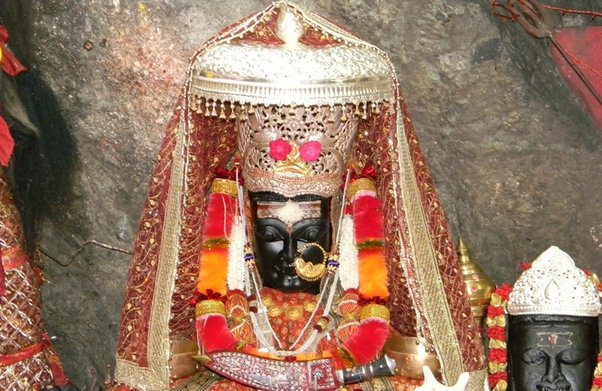
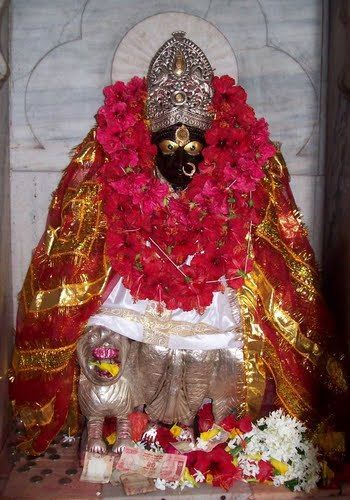
    Kamakhya Temple is located atop the Nilachal Hill in Guwahati, Assam, overlooking the Brahmaputra River in northeastern India. Kamakhya Temple is situated atop the Nilachal Hill in Guwahati, Assam, India. It is known for its association with Goddess Kamakhya, a principal deity revered in Hinduism as a symbol of feminine energy. The temple’s unique feature is its sanctum sanctorum where the goddess is worshiped through a natural stone fissure representing her yoni (female genitalia). This ancient shrine is not only a center of religious devotion but also a hub for Tantric practices and rituals, drawing pilgrims and tourists alike to its sacred grounds.

    Kamakhya Temple, located in Guwahati, Assam, is a revered Hindu shrine dedicated to Goddess Kamakhya, a manifestation of feminine power or Shakti. It is one of the oldest of the 51 Shakti Peethas and is renowned for its Tantric rituals and practices. The temple’s sanctum houses a natural fissure symbolizing the goddess’s yoni, making it a unique place of worship. Kamakhya Temple attracts pilgrims and devotees from around the world, especially during the annual Ambubachi Mela, celebrating the goddess’s menstruation and fertility.


    About Kamakhya:

    Kamakhya Temple is a significant Hindu temple dedicated to Goddess Kamakhya, located in Guwahati, Assam, India. It is one of the oldest of the 51 Shakti Peethas, which are sacred shrines associated with the divine feminine energy or Shakti. Here are some key aspects about Kamakhya:

    1. Location: The temple is situated atop the Nilachal Hill in Guwahati, Assam. It overlooks the Brahmaputra River.

    2. Goddess Kamakhya: The main deity of the temple is Goddess Kamakhya, who is believed to be a representation of the feminine power or Shakti. She is worshiped in various forms, including as a fertility goddess.

    3. Tantric Influence: Kamakhya Temple is closely associated with Tantric practices and is considered one of the most important centers of Tantric worship in India. The inner sanctum of the temple is a cave-like chamber where no idol of the goddess is present. Instead, a natural fissure in the rock, symbolizing the yoni (female genitalia), is worshiped as the goddess.

    4. Ambubachi Mela: One of the most famous festivals associated with Kamakhya Temple is the Ambubachi Mela, which is held annually during the monsoon season (around June-July). It celebrates the menstruation of the goddess Kamakhya and is believed to be a time of fertility and regeneration.

    5. Mythological Significance: According to Hindu mythology, the temple is associated with the legend of Lord Shiva and Goddess Sati. It is believed that when Lord Shiva was carrying the body of Sati, whose corpse was cut into pieces by Vishnu’s Sudarshana Chakra, her womb and genitals fell at the spot where the temple now stands.

    6. Architectural Style: The temple complex reflects a mix of architectural styles, including ancient and medieval elements. The current structure was rebuilt in the 17th century after being destroyed by invaders.

    7. Pilgrimage: Kamakhya Temple is a popular pilgrimage destination for devotees of Shakti and attracts devotees from all over India and abroad, especially during festivals like Navaratri.

    Overall, Kamakhya Temple holds immense spiritual and cultural significance in Hinduism, particularly in the worship of the divine feminine and in Tantric traditions.

    Puja of Kamakya:

    1. Daily Poojas: The temple conducts regular poojas throughout the day, starting with the early morning rituals. These include offerings of flowers, fruits, and various items symbolizing devotion to Goddess Kamakhya.
    2. Ambubachi Mela Pooja: The Ambubachi Mela, held annually during the monsoon season (June-July), is a significant event where the temple remains closed for three days. It is believed to mark the menstruation period of Goddess Kamakhya. On the fourth day, the temple reopens with elaborate poojas and rituals performed to mark the goddess’s rejuvenation.

    3. Durga Puja: During the Navaratri festival, particularly the Durga Puja celebrations, special poojas are conducted at Kamakhya Temple. Devotees offer prayers to Goddess Durga, who is seen as an embodiment of divine feminine power and strength.

    4. Animal Sacrifice: Though controversial and less common nowadays, historically, animal sacrifices were part of certain rituals at Kamakhya Temple, particularly during Tantric ceremonies aimed at invoking specific energies or blessings.

    5. Special Occasions: Throughout the year, various special poojas and rituals are conducted based on specific auspicious days in the Hindu calendar or as per devotees’ requests. These rituals often involve chanting of mantras, offering of sweets, and ceremonial bathing of the goddess’s idol or representation.

    These poojas and rituals at Kamakhya Temple play a crucial role in the spiritual and cultural practices of its devotees, reflecting a deep reverence for Goddess Kamakhya and the divine feminine principle in Hinduism.


    Pilgrimage Site: Kamakhya Temple is a major pilgrimage destination for devotees of Shaktism, attracting thousands of visitors annually seeking blessings and spiritual fulfillment.

    Rituals and Offerings: Daily rituals and offerings are performed by priests, including the lighting of lamps, chanting of hymns, and distribution of prasad (sanctified food).

    Holy Water: The temple is known for its natural spring, believed to possess healing properties. Devotees collect water from this spring as sacred.

    Astrological Significance: Many devotees visit Kamakhya Temple seeking astrological consultations and remedies, believing in the temple’s ability to alleviate planetary afflictions.

    Local Culture: The temple plays a significant role in Assamese culture and traditions, influencing local festivals, art, and literature.

    Accessibility: Access to the temple involves climbing steps up Nilachal Hill, offering panoramic views of Guwahati and the Brahmaputra River.

    Conservation Efforts: Efforts are ongoing to preserve the temple’s heritage and maintain its structural integrity amidst environmental challenges.

    Educational Significance: Scholars and researchers study Kamakhya Temple for its historical, architectural, and religious importance, contributing to academic discourse on Hindu temples.

    Tourism: Besides pilgrims, the temple attracts tourists interested in exploring Assam’s spiritual and cultural heritage.

    Global Appeal: Kamakhya Temple’s fame extends beyond India, drawing international visitors interested in Hindu spirituality and ancient architecture.

    These points encapsulate the multifaceted significance of Kamakhya Temple, highlighting its role as a center of faith, culture, and spiritual practices in India and beyond.

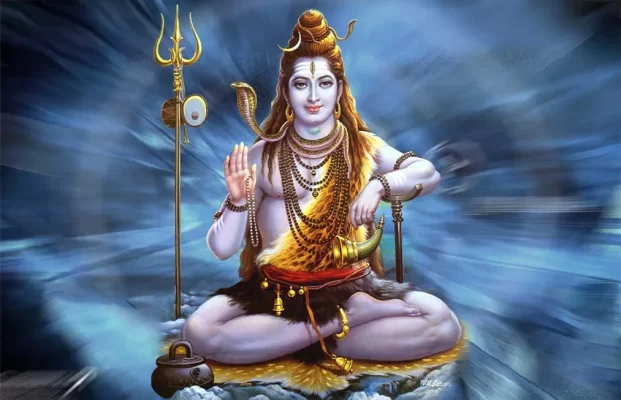
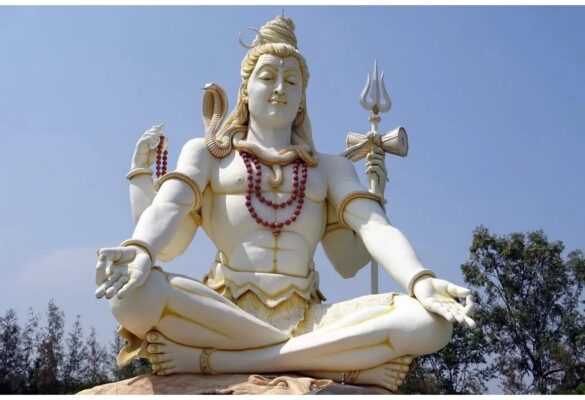
    Lord Shiva


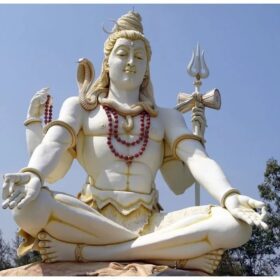
    Lord Shiva, one of the principal deities in Hinduism, holds a central place in the Trimurti, the divine trinity of Brahma (the creator), Vishnu (the preserver), and Shiva (the destroyer or transformer). Here’s an in-depth look at Lord Shiva:

    Mythological and Symbolic Attributes:

    1. Role as Mahadeva: Lord Shiva is often referred to as Mahadeva, which translates to “Great God” or “Supreme God.” He is believed to be timeless, formless, and transcendent, representing the ultimate reality (Brahman) beyond creation.

    2. Appearance and Symbols:

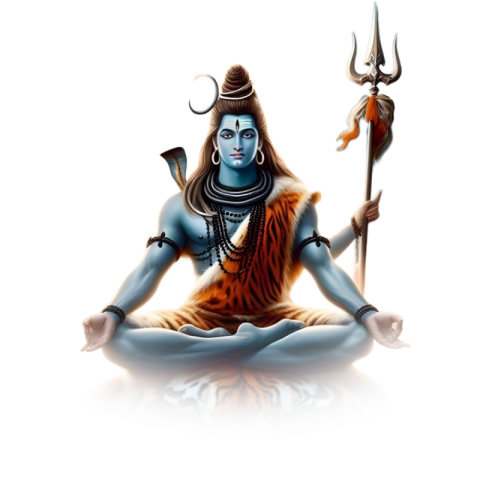
      • Iconography: Shiva is typically depicted with a third eye on his forehead, symbolizing wisdom and insight. His hair is adorned with a crescent moon, and the Ganga River flows from his matted locks, symbolizing purity and divine energy.
      • Trishula: He holds a trident (trishula), representing his power to destroy ignorance and evil.
      • Damru: Shiva is also depicted with a small drum (damru), which symbolizes the cosmic sound that creates and sustains the universe.
    3. Family and Consorts:

      • Parvati: Shiva’s consort is Goddess Parvati (also known as Shakti or Uma), who embodies feminine energy and is revered as the Mother Goddess.
      • Ganesha and Kartikeya: Shiva and Parvati have two sons: Ganesha, the elephant-headed god of wisdom and beginnings, and Kartikeya (Skanda), the god of war and victory.

    Roles and Responsibilities:

    1. Destroyer and Transformer: Shiva’s role as the destroyer in the Trimurti signifies his function in ending the cosmic cycle of creation, preservation, and dissolution. He destroys the old to make way for new beginnings.

    2. Ascetic and Yogi: Shiva is often depicted as an ascetic who meditates in the Himalayas, representing detachment from worldly desires and ultimate liberation (moksha). He is also revered as the Lord of Yoga (Yogeshwara), embodying mastery over meditation and spiritual discipline.

    3. Protector and Benefactor: Despite his fierce appearance and association with destruction, Shiva is believed to be compassionate towards his devotees. He grants blessings, protection, and guidance to those who seek his aid.

    Worship and Festivals:

    1. Temples and Pilgrimage Sites: There are numerous temples dedicated to Lord Shiva across India and other countries with Hindu communities. Prominent sites include Kashi Vishwanath in Varanasi, Somnath in Gujarat, and Pashupatinath in Nepal.

    2. Maha Shivaratri: This major Hindu festival celebrates Shiva’s cosmic dance of creation, preservation, and destruction. Devotees observe fasting, perform rituals, and offer prayers to seek Shiva’s blessings.

    Contemporary Relevance:

    1. Cultural Influence: Shiva’s symbolism and teachings resonate deeply in Hindu philosophy and culture, emphasizing the cycles of life, death, and rebirth, as well as the pursuit of spiritual enlightenment.

    2. Universal Appeal: Beyond India, Shiva’s worship has spread globally among spiritual seekers drawn to his embodiment of transcendence, meditation, and cosmic balance.

    In essence, Lord Shiva embodies various facets of divinity, from his role as the destroyer of ignorance and ego to his compassion as the beneficent protector of all existence. His worship spans millennia, continuing to inspire millions in their spiritual quests and daily lives.

    Lord Shiva, a principal deity in Hinduism, represents the cosmic cycle of creation, preservation, and dissolution. He is depicted with a third eye symbolizing wisdom, holds a trident representing his power, and wears a crescent moon in his hair. Shiva is the consort of Goddess Parvati and father to Ganesha and Kartikeya. Revered as both an ascetic and the Lord of Yoga, he is worshipped in temples across India and celebrated during festivals like Maha Shivaratri. Shiva’s teachings emphasize detachment, spiritual liberation, and compassion towards all beings, making him a revered figure in Hindu philosophy and culture worldwide.

    Lord Shiva, a central figure in Hindu mythology and spirituality, is revered as the supreme deity who embodies various roles and attributes. While Shiva’s biography isn’t presented in a conventional linear narrative like a human biography, his essence and mythology are rich with symbolism and profound teachings.

    Mythological Background and Origin:

    According to Hindu mythology:

    1. Birth: Shiva is often depicted as timeless and without beginning or end. He emerges from the cosmic abyss when the universe was created. His birth is sometimes attributed to being born from a cosmic egg (Hiranyagarbha) or as an emanation of the supreme consciousness (Brahman).

    2. Marriage to Parvati: One of the most well-known stories revolves around his marriage to Goddess Parvati (also known as Shakti or Uma). Parvati performs intense penance to win Shiva’s favor, eventually marrying him. Their union symbolizes the harmonious balance of masculine and feminine energies in the universe.

    Iconography and Symbolism:

    1. Physical Attributes: Shiva is typically depicted with:

      • Blue Throat: Due to consuming poison during the churning of the ocean (Samudra Manthan), which turned his throat blue, he is known as Neelakantha (the blue-throated one).
      • Matted Hair: His hair is adorned with the crescent moon (symbolizing time), the Ganga River (symbolizing purity), and a snake (representing the kundalini energy).
      • Third Eye: Representing wisdom, destruction of ignorance, and transcendence.
    2. Weapons and Objects: Shiva holds:

      • Trident (Trishula): Symbolizing control over the three gunas (qualities of nature) and his power to destroy.
      • Drum (Damru): The sound of which symbolizes creation and the rhythm of the universe.

    Roles and Attributes:

    1. Destroyer and Transformer: Shiva’s role as the destroyer (Mahakala) signifies his ability to dissolve the universe at the end of a cosmic cycle, making way for regeneration and new creation.

    2. Yogi and Ascetic: Often depicted in deep meditation in the Himalayas, Shiva embodies detachment, austerity, and the path to spiritual liberation (moksha).

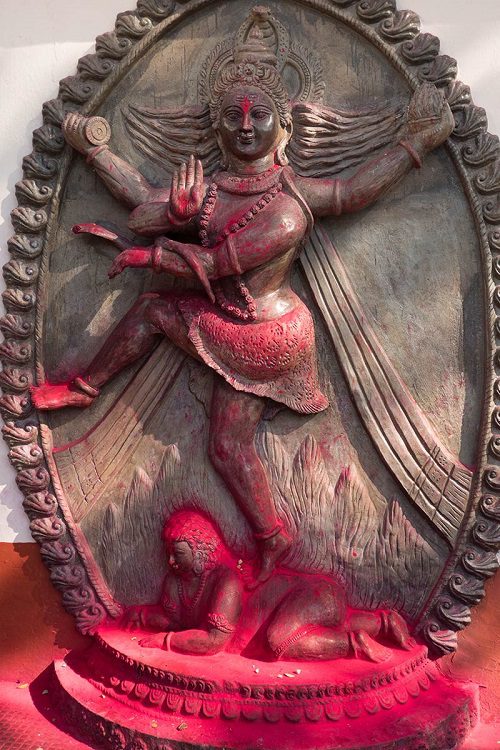
    3. Lord of Dance (Nataraja): His cosmic dance (Tandava) symbolizes the rhythmic cycles of creation, preservation, and destruction. It also represents the balance of life’s energies.

    Worship and Festivals:

    1. Temples: Shiva is worshipped in numerous temples across India, with major pilgrimage sites like Kashi Vishwanath in Varanasi, Somnath in Gujarat, and Pashupatinath in Nepal.

    2. Maha Shivaratri: A major Hindu festival celebrating Shiva’s marriage to Parvati and his dance of creation. Devotees observe fasting and night-long vigils, chanting prayers and hymns in his honor.

    Philosophical Teachings:

    1. Shiva Sutras and Shaivism: Shiva’s teachings, encapsulated in texts like the Shiva Sutras, emphasize the path of self-realization, meditation, and liberation from worldly attachments.

    2. Compassion and Grace: Despite his fierce form, Shiva is believed to be compassionate towards his devotees, offering blessings and guidance on their spiritual journey.


    • Maha Shivaratri: This is one of the most important festivals dedicated to Lord Shiva. It usually falls in the month of February or March, on the 14th night of the waning moon (Krishna Paksha) in the Hindu month of Phalguna. Devotees observe fasting, perform rituals, and offer prayers throughout the night.

    • Pradosham: Pradosham is observed twice a month, specifically on the 13th day (Trayodashi) of both the waxing (Shukla Paksha) and waning (Krishna Paksha) phases of the moon. It is believed to be an auspicious time for worshiping Lord Shiva and seeking his blessings for health, wealth, and prosperity.

    • Shravan Somvar Vrat: During the Hindu month of Shravan (typically July-August), Mondays (Somvar) are considered especially auspicious for Shiva worship. Many devotees observe fasting and perform special poojas on these days.

    • Rudra Abhishekam: This is a powerful pooja performed by pouring milk, water, honey, and other sacred items over a Shiva lingam while chanting Vedic mantras. It can be performed on special occasions, festivals, or auspicious days according to personal or family traditions.

    • Makar Sankranti: Celebrated on January 14th or 15th every year, this festival marks the transition of the Sun into the zodiac sign of Capricorn (Makara). It is considered auspicious for Shiva worship, particularly in places like the holy city of Varanasi.

    Birth and Early Life:

    • Emergence from the Cosmic Ocean: According to some versions of Hindu mythology, Shiva emerges from the cosmic ocean (Samudra Manthan) when gods (Devas) and demons (Asuras) churn the ocean to obtain the nectar of immortality (amrita). He is initially seen as a pillar of light (Linga) that both astonishes and bewilders the gods and demons alike.

    Marriage to Parvati:

    • Sati and Shiva: Sati, the daughter of Daksha Prajapati (one of the progenitors of mankind), marries Shiva against her father’s wishes. In a fit of rage and disrespect towards Shiva, Daksha insults him at a grand sacrificial ceremony. Unable to bear the humiliation, Sati immolates herself. This act leads Shiva into a deep grief, and in his sorrow, he withdraws from the world and begins intense ascetic practices.

    • Rebirth of Parvati: Sati is reborn as Parvati (daughter of the mountain king Himalaya) with the sole purpose of marrying Shiva. She undergoes severe penance to win his favor. Impressed by her devotion and determination, Shiva finally agrees to marry Parvati. This union symbolizes the perfect balance of masculine and feminine energies in the universe.

    Adventures and Deeds:

    • Destroyer of Tripura: Shiva destroys the three demonic cities (Tripura) built by the demon trio—Taraka, Tarakaksha, and Vidyunmali—using a single arrow, thus earning the epithet “Tripurantaka.”

    • Incarnation as Ardhanarishvara: Shiva takes the form of Ardhanarishvara, a composite androgynous deity representing the unity of masculine and feminine energies. This form symbolizes the inseparable nature of Shiva and Parvati.

    Cosmic Dance (Tandava):

    • Nataraja: Shiva performs the cosmic dance of Tandava, symbolizing the rhythmic cycles of creation, preservation, and destruction. The dance is a manifestation of his divine energy (Shakti) and illustrates the eternal cosmic balance.

    Devotion and Bhakti:

    • Bhaktas and Legends: Numerous stories highlight Shiva’s compassion towards his devotees. Examples include Markandeya, a young sage protected from death by Shiva’s grace, and Bhasmasura, a demon who is tricked by Shiva and ultimately destroyed.

    Symbolism and Teachings:

    • Third Eye: Shiva’s third eye represents wisdom, inner vision, and the ability to destroy ignorance.
    • Ganga on His Head: The river Ganga flowing from Shiva’s hair symbolizes purification and auspiciousness.
    • Trishula and Damru: His trident (Trishula) signifies control over the three gunas (qualities of nature), and the damru represents the cosmic sound of creation.

    Worship and Festivals:

    • Shiva Temples: Pilgrimage sites like Kashi Vishwanath in Varanasi and temples dedicated to Pashupatinath in Nepal attract millions of devotees.
    • Maha Shivaratri: Celebrated annually, this festival honors Shiva’s marriage to Parvati and his cosmic dance. Devotees fast, meditate, and chant mantras to seek his blessings.


    Siyar-singhi-gidar-singhi

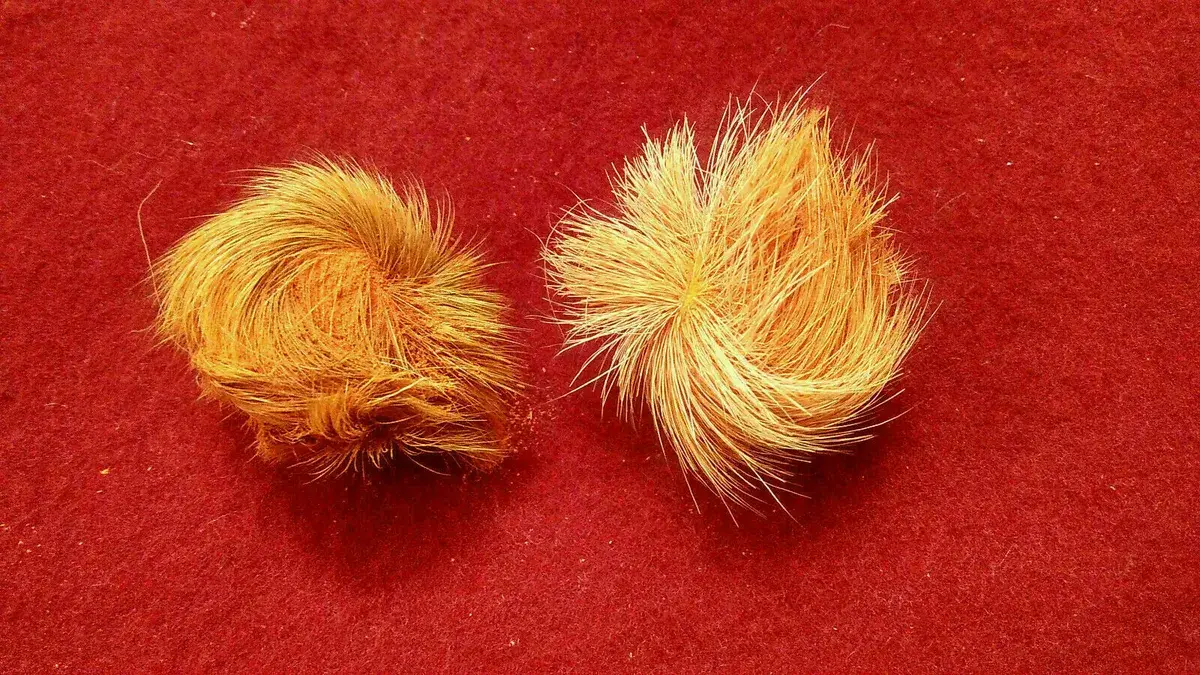
    “Siyar singhi” and “Gidar singhi” are terms from Indian folklore and belief systems related to superstitions and mysticism. They both refer to purportedly magical or mystical objects.

    1. Siyar Singhi: This term typically refers to the “jackal’s horn” or “jackal’s tooth.” It is believed to be a rare and magical item in Indian mythology and superstition. It is said to bring luck, wealth, and protection to the possessor.

    2. Gidar Singhi: This term refers to “hyena’s horn” or “hyena’s tooth.” Similar to siyar singhi, gidar singhi is also believed to possess magical properties and is considered highly auspicious in certain Indian cultural contexts.

    Both siyar singhi and gidar singhi are often associated with rituals, talismans, and superstitions related to luck, prosperity, and protection from negative energies. It’s important to note that these beliefs are rooted in traditional folklore and are not scientifically validated.


    The importance of siyar singhi and gidar singhi lies primarily within the cultural and spiritual beliefs of certain communities in India. Here are some key aspects of their importance:

    1. Superstition and Belief: In Indian culture, siyar singhi and gidar singhi are believed to possess supernatural powers and are often sought after for their ability to bring luck, wealth, and protection. People who believe in these objects may use them in rituals or keep them as talismans for good fortune.

    2. Cultural Significance: These items are deeply embedded in Indian folklore and traditional beliefs. They are part of a broader tapestry of mystical and magical elements that play a role in folk religion and superstition across the country.

    3. Symbolism of Nature: The association with animals like jackals and hyenas adds to their mystique. Animals in many cultures are believed to possess qualities or energies that can be harnessed for human benefit, making these objects symbols of the natural world’s power.

    4. Market and Trade: Despite their mystical nature, siyar singhi and gidar singhi are also part of a market where people buy and sell such items. This trade reflects both the demand driven by belief and cultural practices, as well as economic factors.

    5. Ethical Considerations: The trade and belief in these items also raise ethical considerations, particularly concerning wildlife conservation. While there are legal protections for many animals, the belief in siyar singhi and gidar singhi can sometimes fuel illegal hunting and trade of animals, which threatens their populations.

    Overall, the importance of siyar singhi and gidar singhi is deeply intertwined with cultural heritage, spiritual beliefs, and traditional practices in certain communities in India. Understanding their significance requires acknowledging both their cultural context and the broader implications for wildlife conservation and ethical considerations.


    In the mystical tapestry of Indian folklore and superstition, siyar singhi and gidar singhi emerge as enigmatic objects believed to possess supernatural powers. These terms, deeply rooted in cultural beliefs and traditional practices, evoke a sense of mystery and intrigue among those who adhere to their significance.

    Siyar singhi, often referred to as the “jackal’s horn” or “jackal’s tooth,” occupies a prominent place in Indian folk tales and spiritual lore. It is believed to be a rare and magical item, capable of bestowing immense luck, prosperity, and protection upon its possessor. The very essence of siyar singhi is intertwined with the mystical qualities attributed to the jackal, a creature revered in some cultures for its cunning and survival instincts. According to tradition, obtaining a siyar singhi is considered highly auspicious, and it is often sought after by individuals seeking to enhance their fortunes or shield themselves from malevolent forces.

    Similarly, gidar singhi, known as the “hyena’s horn” or “hyena’s tooth,” shares a parallel mystique in Indian superstition. Like its counterpart, gidar singhi is believed to possess mystical properties that can bring wealth, success, and protection from harm. The association with the hyena, known for its nocturnal prowess and scavenging abilities, adds to the allure of gidar singhi as a talisman imbued with natural energies and spiritual blessings.

    Significance of siyar singhi and gidar singhi : extends beyond mere superstition; it is deeply embedded in the cultural fabric of India. These mystical objects are not only symbols of luck and prosperity but also reflect the reverence and awe with which certain animals are regarded in traditional belief systems. The belief in siyar singhi and gidar singhi underscores a profound connection between humanity and the natural world, where animals are seen as conduits of divine or supernatural power.

    In practical terms, the quest for siyar singhi and gidar singhi has spawned a niche market catering to those who adhere to these beliefs. Seekers may journey to remote regions, consult with spiritual guides, or engage in rituals to procure these elusive items. The trade in siyar singhi and gidar singhi, however, also raises ethical considerations, particularly concerning wildlife conservation. The animals associated with these objects, jackals and hyenas, are protected species in many parts of the world. The demand for their body parts—whether genuine or counterfeit—can fuel illegal hunting and trafficking, posing a threat to their populations and ecosystems.

    Despite the ethical concerns, the allure of siyar singhi and gidar singhi persists, driven by centuries-old traditions and the enduring belief in their mystical properties. For believers, possessing a genuine siyar singhi or gidar singhi represents not only a tangible connection to ancient wisdom but also a source of spiritual reassurance and empowerment. The cultural significance of these objects transcends their material form, resonating deeply with individuals who seek guidance, protection, and prosperity in their lives.


    Siyar singhi and gidar singhi exemplify the convergence of folklore, spirituality, and traditional knowledge in Indian culture. These mystical objects continue to captivate the imagination and devotion of believers, serving as symbols of hope and supernatural prowess. While their existence may be steeped in mystery, their impact on the cultural landscape of India is unmistakable, reflecting a profound reverence for nature and the enduring power of belief.

    Benefits of siyar singhi and gidar singhi: 

     Here are some of the perceived benefits:

    1. Luck and Prosperity: Believers attribute siyar singhi and gidar singhi with the ability to bring luck and prosperity into one’s life. Possessing these items is thought to attract wealth, success in endeavors, and overall good fortune.

    2. Protection: One of the primary benefits associated with siyar singhi and gidar singhi is protection from negative energies, evil spirits, and harm. It is believed that these objects can act as powerful talismans, shielding their owners from adversity and dangers.

    3. Enhanced Spiritual Connection: For some individuals, owning siyar singhi or gidar singhi is a way to enhance their spiritual connection. They may use these items in rituals, prayers, or meditation practices to deepen their spiritual awareness and seek guidance from higher powers.

    4. Health and Well-being: In certain traditions, these mystical objects are also believed to have healing properties. They may be used in folk remedies or spiritual ceremonies aimed at promoting physical health and emotional well-being.

    5. Status and Prestige: Owning a genuine siyar singhi or gidar singhi can also confer status and prestige within certain communities. It may be seen as a mark of spiritual wisdom, resourcefulness, or divine favor.

    6. Cultural Heritage: Beyond personal benefits, siyar singhi and gidar singhi hold cultural significance as symbols of traditional knowledge and folklore. They contribute to the preservation of cultural heritage and serve as reminders of ancient beliefs and practices.

    7. Psychological Comfort: Believers often derive psychological comfort from owning siyar singhi or gidar singhi, viewing them as sources of reassurance and empowerment in challenging times.

    It’s important to note that these benefits are based on cultural beliefs and traditional practices rather than empirical evidence. The efficacy of siyar singhi and gidar singhi in delivering these benefits is subjective and varies widely among individuals and communities.

    How to use :

    • Placement and Display: Many believers place siyar singhi or gidar singhi in prominent locations within their homes or workplaces. They are often displayed in areas believed to attract positive energy or ward off negativity, such as near entrances or in places of worship.

    • Rituals and Offerings: Ritualistic practices may involve offering prayers or performing specific rituals with siyar singhi or gidar singhi. This can include lighting incense, chanting mantras, or offering flowers and other symbolic items to invoke blessings or protection.

    • Talisman and Amulet: These objects are often carried or worn as talismans or amulets. Believers may keep them close to their person, such as wearing them in a pouch around the neck or carrying them in a pocket, to benefit from their protective and luck-enhancing qualities throughout the day.

    • Meditation and Spiritual Practices: Some individuals incorporate siyar singhi or gidar singhi into meditation practices or spiritual ceremonies. They may hold the object during meditation sessions to deepen their spiritual connection or focus their intentions on specific goals.

    • Gifts and Exchanges: In certain cultural contexts, siyar singhi or gidar singhi may be exchanged as gifts among family members or given to friends as tokens of goodwill. This reinforces their role as symbols of luck, prosperity, and protection within social relationships.

    • Consultation with Spiritual Guides: Seekers may consult with spiritual guides, astrologers, or practitioners of traditional medicine who specialize in the use of siyar singhi or gidar singhi. These experts may offer guidance on how to harness the objects’ mystical properties for specific purposes.

    • Cultural Celebrations and Festivals: During auspicious occasions or cultural festivals, siyar singhi or gidar singhi may be prominently featured in ceremonies or rituals conducted to invoke blessings, ward off evil, or ensure a prosperous future.

    Indrajal plant


    The Indrajal plant, revered across ancient texts and modern mystical lore alike, is a botanical enigma steeped in legend and wonder. Its name derives from Sanskrit roots, where “Indra” signifies the king of gods in Hindu mythology, symbolizing its purported divine qualities and powers. Though shrouded in mystery, the Indrajal plant has captured the imagination of botanists, herbalists, and seekers of esoteric knowledge for centuries.

    Origins and Mythology:

    According to ancient texts, the Indrajal plant was believed to have been a gift from the gods, bestowed upon humanity to impart extraordinary abilities and protection against malevolent forces. Legends describe it as blooming only under auspicious celestial alignments, its radiant blue flowers said to glow with a celestial light, evoking the essence of the heavens themselves. In Hindu mythology, it is often associated with tales of valor and spiritual transcendence, where heroes and sages used its extracts to achieve feats beyond mortal limitations.

    Botanical Characteristics:

    Botanically, the Indrajal plant defies conventional classification. Descriptions vary widely across historical accounts, with some texts likening it to a sprawling vine adorned with iridescent leaves, while others depict it as a compact shrub crowned by clusters of ethereal blooms. Its leaves, when crushed, are said to release an intoxicating fragrance reminiscent of ancient forests after rain, a scent believed to induce visions and heighten spiritual awareness.

    Medicinal and Mystical Properties:

    Throughout history, the Indrajal plant has been celebrated for its dual nature—both medicinal and mystical. Herbalists in ancient civilizations brewed its leaves and flowers into elixirs believed to cure ailments of body and mind, granting longevity and clarity of thought. Mystics, on the other hand, venerated it as a conduit to realms beyond the physical, using it in rituals to invoke divine guidance and protection against malevolent forces.

    Cultural Significance:

    Across cultures where the legend of the Indrajal plant persists, it holds a central place in folklore and spiritual practices. In Indian traditions, it remains a symbol of purity and transcendence, often depicted in artwork and literature as a sacred emblem of divine grace. Tibetan monks are said to incorporate its essence into ceremonial rites, invoking its purported ability to ward off evil spirits and negative energies.

    Modern Perspectives and Scientific Inquiry:

    In contemporary times, the Indrajal plant continues to intrigue scientists and herbalists alike, though its elusive nature has made it a subject of skepticism within mainstream botanical circles. Efforts to classify and verify its existence have yielded inconclusive results, with anecdotal evidence and historical accounts often conflicting with empirical observation. Nonetheless, enthusiasts and scholars continue to explore its purported properties, seeking to reconcile ancient wisdom with modern scientific inquiry.

    Cultivation and Conservation:

    Efforts to cultivate the Indrajal plant outside its mythical origins have met with limited success. Its purported sensitivity to environmental conditions and celestial rhythms presents a formidable challenge to horticulturists, who endeavor to unlock its secrets in controlled environments. Conservationists, recognizing its cultural and ecological significance, advocate for its protection in regions where folklore and biodiversity intersect, striving to preserve both its mythical allure and potential botanical benefits for future generations.

    The Indrajal plant stands as a testament to the enduring power of myth and the tantalizing allure of the unknown. Whether regarded as a botanical marvel or a figment of ancient imagination, its legacy persists in the collective consciousness of cultures worldwide. As humanity continues to explore the frontiers of botanical science and spiritual exploration, the Indrajal plant remains a symbol of wonder and possibility—an enigmatic bridge between the realms of myth and reality, inviting us to ponder the mysteries that lie beyond the confines of our understanding.

    indrajal tree cost

    In essence, the cost of an Indrajal tree or plant, if it were to be found or made available, would likely vary widely depending on the factors mentioned above. It may range from being priceless in cultural and spiritual contexts to potentially high due to rarity and demand in specialized markets. However, the practical availability of the Indrajal plant remains uncertain and speculative, adding to its mystique and allure.


    The Indrajal tree cost or plant is not easily determinable due to several factors:

    1. Rareness and Availability: The Indrajal plant is considered rare and elusive. Its mythical status and limited documented sightings mean it may not be commercially available in the traditional sense.
    2. Legal and Ethical Considerations: If the Indrajal plant exists, its procurement may be subject to legal restrictions and ethical concerns, especially if it is endangered or protected in its natural habitat.

    3. Market Demand and Speculation: Given its mythical associations and purported mystical properties, there may be a niche market or speculative interest among collectors, herbalists, and spiritual practitioners, which can drive up potential costs if it becomes available.

    4. Cultural and Historical Significance: In cultures where the Indrajal plant holds cultural or religious significance, its value may transcend monetary terms, making it difficult to assign a straightforward cost.


    Buy Now

    Indrajal, a legendary plant steeped in myth and mystery, is renowned in ancient texts and folklore. Named after the Hindu deity Indra, it is said to possess mystical powers and divine qualities. Descriptions vary, but it’s often depicted with radiant blue flowers and aromatic leaves that evoke spiritual transcendence. Used historically for medicinal and spiritual purposes, Indrajal remains elusive and its existence is debated. Culturally significant across various traditions, it continues to fascinate enthusiasts and scholars alike, bridging ancient wisdom with modern curiosity.


    The Indrajal plant, known scientifically as Aristolochia indica, is a captivating botanical wonder revered for its unique characteristics and historical significance. Found predominantly in the tropical and subtropical regions of Asia, particularly in India, the plant holds deep cultural and medicinal importance.

    Botanical and Physical Description: The Indrajal plant belongs to the Aristolochiaceae family and is characterized by its heart-shaped leaves and intricate, tubular flowers. These flowers, often maroon or purplish in color, possess a distinctive pattern that resembles a net or intricate weave. The plant is a climber, using its twining stems to ascend trees or other supports in its natural habitat.

    Cultural and Mythological Significance: In Indian mythology, the Indrajal plant is associated with mystical and magical properties. It is believed to possess powers that can protect against evil spirits and bring good fortune. The name “Indrajal” itself derives from Sanskrit, where “Indra” refers to the king of gods and “jal” means net or web, alluding to the intricate pattern of its flowers.

    Medicinal Uses and Folklore: Traditionally, various parts of the Indrajal plant have been used in Ayurvedic medicine for their therapeutic benefits. The roots, leaves, and seeds are employed to treat ailments ranging from digestive disorders to respiratory problems. However, it is crucial to note that certain species within the Aristolochia genus contain toxic substances, which necessitates caution and proper guidance from trained practitioners when used medicinally.

    Ecological Role and Habitat: The Indrajal plant thrives in humid, tropical climates and is often found in forests, along riverbanks, and in other shaded, moist environments. It plays a role in supporting biodiversity by providing habitat and food sources for various insects and small animals.

    Conservation and Challenges: Despite its cultural and ecological importance, the Indrajal plant faces challenges due to habitat loss and overharvesting. Increased awareness about its significance and sustainable harvesting practices are essential to ensure its preservation for future generations.

    Cultivation and Horticultural Interest: Due to its ornamental value and cultural significance, there is growing interest in cultivating the Indrajal plant in botanical gardens and private collections. Its unique flowers and climbing habit make it a prized addition to tropical gardens, where it can be grown with appropriate care and support.

    Research and Scientific Interest: Scientists continue to study the chemical composition and biological properties of the Indrajal plant, exploring its potential applications in pharmaceuticals and biotechnology. Research efforts also focus on understanding its ecological interactions and conservation needs.

    The Indrajal plant stands as a botanical treasure steeped in cultural lore and biological intrigue. From its mythological significance to its medicinal uses and ecological role, this plant continues to captivate the imagination and inspire further exploration. As efforts to conserve and study this species progress, the Indrajal plant remains a symbol of the rich tapestry of nature’s wonders and human fascination with the botanical world.


    1. Availability and Sources: Check reputable online nurseries, botanical gardens, or specialized plant retailers that offer the Indrajal plant online for sale. Ensure they provide clear information about the plant’s origin and condition.

    2. Plant Description: Look for detailed descriptions including the scientific name (Aristolochia indica), physical characteristics like leaf shape and flower pattern (net-like or web-like appearance), and growth habits (climbing vine).

    3. Cultural Significance: Understand the cultural and mythological significance of the Indrajal plant, which may be mentioned in the product description. This adds to its allure and uniqueness.

    4. Medicinal or Toxic Properties: Since some species of Aristolochia are known to contain toxic substances, ensure that the seller provides accurate information regarding any potential medicinal uses or toxicity concerns. Seek guidance if purchasing for medicinal purposes.

    5. Ecological Considerations: Check if the seller promotes sustainable practices and ethical sourcing of the Indrajal plant to support biodiversity and conservation efforts.

    6. Reviews and Ratings: Look for customer reviews and ratings on the seller’s website or other trusted platforms to gauge the quality of the plants and the reliability of the seller.

    7. Shipping and Handling: Review shipping policies, including packaging methods to ensure the plant arrives in good condition. Consider weather conditions and shipping distances that may affect the plant’s health during transit.

    8. Customer Support: Ensure the seller provides good customer support in case of any queries or issues regarding the purchase, delivery, or care of the Indrajal plant.

    By considering these points, you can make an informed decision when purchasing an Indrajal plant online, ensuring you receive a healthy specimen and supporting ethical practices in plant sourcing and conservation.

    Medicinal Uses and Traditional Knowledge: Traditionally, various parts of the Indrajal plant have been used in Ayurvedic medicine for their therapeutic benefits, documented and discussed widely online. Its roots, leaves, and seeds are employed to treat ailments ranging from digestive disorders to respiratory conditions, underlining its historical significance in traditional healing practices.


    The term “Indrajal sea plant” doesn’t directly correspond to a specific botanical species or well-known plant in mainstream scientific literature. However, if we interpret “Indrajal sea plant” as a mythical or fantastical concept, I can create a descriptive narrative based on imagination and creativity. Here’s a fictional portrayal of an “Indrajal sea plant”:

    The Legend of the Indrajal Sea Plant: A Mythical Marine Marvel

    Deep beneath the azure waters of a remote, uncharted sea lies a hidden treasure of nature’s marvels—a mystical species known as the Indrajal sea plant. Legends whispered among ancient seafarers speak of its ethereal beauty and supernatural powers, captivating the hearts and minds of all who dare to dream of its existence.

    Botanical Enchantment

    Indrajal sea plant is said to defy conventional botanical classifications with its luminescent, iridescent fronds that shimmer like moonlit waves caressing the ocean’s surface. Its foliage, a delicate web of translucent tendrils adorned with tiny pearls of bioluminescent algae, casts an enchanting glow that illuminates the darkest depths of the sea.

    Cultural Reverence and Mythical Lore

    In ancient maritime cultures, the Indrajal sea plant is revered as a symbol of prosperity and protection. Sailors whisper tales of encountering its shimmering form during moonlit nights, believing it to be a guardian spirit watching over lost souls and guiding weary ships safely to shore. Its name, derived from ancient Sanskrit where “Indra” symbolizes divine protection and “jal” signifies the boundless sea, evokes reverence and awe among those who seek its mythical embrace.

    Magical Properties and Ethereal Essence

    Legends abound with tales of the Indrajal sea plant’s magical properties. It is said that its ethereal essence possesses healing powers capable of curing ailments that afflict both body and soul. The rarest blooms, resembling miniature underwater galaxies, are rumored to grant visions of distant lands and profound insights into the mysteries of the universe to those deemed worthy of its divine favor.

    Ecological Harmony and Underwater Ecosystem

    Within its underwater realm, the Indrajal sea plant thrives amidst a vibrant tapestry of marine life. Schools of iridescent fish seek refuge in its translucent foliage, while playful dolphins weave through its tendrils in joyful abandon. The plant’s symbiotic relationship with bioluminescent organisms not only sustains its mystical radiance but also enriches the surrounding ecosystem with nutrients vital for the survival of myriad sea creatures.

    Conservation and Guardianship

    Yet, despite its mythical allure, the Indrajal sea plant faces threats from the encroaching shadows of modernity. Pollution, climate change, and unregulated maritime activities pose existential challenges to its delicate existence. Efforts led by visionary conservationists and enlightened custodians of the sea seek to safeguard its sanctity, advocating for sustainable practices and marine sanctuaries that honor its mythical legacy.

    Quest for Discovery and Wonder

    The allure of the Indrajal sea plant continues to beckon explorers and adventurers alike, sparking a quest for discovery that transcends the boundaries of imagination and reality. From the deepest trenches of the ocean to the farthest reaches of human curiosity, its legend endures as a testament to the timeless bond between nature’s mysteries and the indomitable spirit of exploration.

    The Indrajal sea plant remains an enigmatic enchanter of the deep, weaving tales of wonder and reverence into the fabric of maritime folklore. Whether viewed through the lens of myth or interpreted as a symbolic testament to nature’s boundless creativity, its essence lingers as a reminder of the profound connections between humanity and the awe-inspiring wonders of the natural world.


    Buying Indrajal online can be a unique experience due to its cultural and historical significance. However, it’s important to note that “Indrajal” can refer to various things depending on context—specifically, it could denote the Aristolochia indica plant, a term from Indian mythology, or other cultural artifacts.

    If you’re interested in purchasing a specific item labeled as “Indrajal” online, If you want to buy Indrajal buy online  follow these general steps:

    1. Research and Identify: Determine exactly what you’re looking to buy. Are you interested in the Indrajal plant (Aristolochia indica), a cultural artifact related to mythology, or something else? Be specific in your search terms to find the right product.

    2. Find Reputable Sellers: Look for reputable online platforms that specialize in the item you want. For plants like Aristolochia indica, search for online nurseries or botanical garden websites that offer exotic plants. For cultural artifacts or mythical items, explore trusted e-commerce sites or specialty stores that cater to collectors.

    3. Check Product Descriptions: Read through product descriptions carefully to ensure it matches your expectations. For plants, details should include botanical names, growth requirements, and care instructions. For cultural items, descriptions should provide historical context, materials used, and any cultural significance.

    4. Read Reviews: Customer reviews can offer valuable insights into the quality and reliability of the seller. Look for reviews that discuss the condition of the item upon arrival, customer service experiences, and overall satisfaction.

    5. Compare Prices and Shipping: Compare prices among different sellers to ensure you’re getting a fair deal. Consider shipping costs and delivery times, especially for live plants or fragile items that require special handling.

    6. Check Return Policies: Verify the seller’s return policies in case the item doesn’t meet your expectations or arrives damaged. Ensure there’s a clear process for refunds or replacements if needed.

    7. Secure Payment: Use secure payment methods to protect your financial information. Trusted platforms typically offer options like credit cards, PayPal, or other secure payment gateways.

    8. Track Your Order: Once you’ve made a purchase, track your order to monitor its shipping progress. This helps ensure timely delivery and allows you to address any issues promptly.

    By following these steps, you can navigate the online marketplace effectively and purchase Indrajal or related items with confidence, whether it’s a botanical specimen, cultural artifact, or another unique product of interest.

    Spiritual and Metaphysical Transformation: Maha Indrajaal is revered for its transformative potential in spiritual practices. Practitioners believe it enhances the flow of divine energies, facilitating deeper meditation, spiritual insights, and inner peace. Its presence is thought to purify the mind, align spiritual energies, and awaken dormant potentials within individuals striving for spiritual evolution and enlightenment.

    Symbol of Cosmic Unity and Interconnectedness: Within Hindu cosmology, Maha Indrajaal symbolizes the intricate tapestry of cosmic unity and interconnectedness. It reflects the belief that all beings and phenomena are interconnected through a web of divine order and universal laws. This symbolic representation encourages individuals to recognize their interconnected relationship with the cosmos and each other, fostering a sense of unity and empathy in the pursuit of spiritual and ethical ideals.

    Guardian and Protector: As a talisman or yantra, Maha Indrajaal is believed to offer protective blessings against spiritual disturbances, negative influences, and malevolent energies. Devotees invoke its divine powers during ceremonies, rituals, and personal prayers to safeguard themselves, their families, and their communities from harm and adversity. Its protective role extends beyond physical safety to include spiritual fortification and emotional resilience

    Healing and Holistic Well-being: Ancient texts and traditional practices attribute healing properties to Maha Indrajaal, particularly in Ayurvedic medicine and spiritual healing therapies. It is believed to balance the subtle energies (prana) within the body, alleviate ailments caused by spiritual imbalances or negative karma, and promote holistic well-being on physical, mental, emotional, and spiritual levels. Its therapeutic benefits are sought after by those seeking natural remedies and spiritual guidance for health and vitality.

    Cultural Legacy and Heritage Preservation: Maha Indrajaal embodies a rich cultural legacy within Hinduism, preserving ancient wisdom, rituals, and symbolic representations passed down through generations. Its continued reverence in rituals, festivals, and sacred ceremonies reinforces cultural identity, collective memory, and the preservation of sacred knowledge systems. As a cultural artifact, it connects devotees with their cultural roots and spiritual heritage, fostering a sense of continuity and pride in ancestral traditions. 

    Philosophical Contemplation and Ethical Values: Philosophically, Maha Indrajaal inspires contemplation on profound truths, ethical conduct, and spiritual principles. It encourages individuals to uphold virtues such as compassion, truthfulness, and non-violence (ahimsa), aligning their actions with the principles of cosmic justice (karma) and spiritual evolution. Its symbolic resonance invites philosophical inquiry into the nature of existence, the purpose of life, and the pursuit of spiritual enlightenment through righteous living and ethical awareness.

    Unveiling the Mystery of Maha Indrajaal: Myth, Magic, and Meaning

    Maha Indrajaal, a term rooted in ancient Indian spiritual and cultural traditions, evokes images of mystical power, divine protection, and esoteric wisdom. This comprehensive exploration delves into its origins, symbolic significance, spiritual practices associated with it, and its enduring presence in contemporary belief systems.

    Origin and Cultural Context

    In Sanskrit, “Maha” denotes greatness or grandeur, while “Indrajaal” combines “Indra” (the king of gods in Hindu mythology) and “jaal” (net or web). Together, Maha Indrajaal translates to “the great net of Indra,” symbolizing a complex web of interconnectedness, spiritual enlightenment, and cosmic protection.

    Symbolism and Spiritual Significance

    Maha Indrajaal is steeped in symbolism within Hindu mythology and spiritual practices. It represents the intricate cosmic order (dharma) and the divine network that binds all living beings together. According to ancient texts and oral traditions, it is believed to possess the power to dispel negativity, protect against malevolent forces, and enhance spiritual awareness.

    Mythological Narratives and Legends

    Mythological narratives recount tales of gods and sages invoking Maha Indrajaal to thwart demons and restore cosmic balance. Its mythical origins are often associated with celestial realms where divine energies converge to manifest protection and blessings upon those who seek spiritual enlightenment and divine favor.

    Ritualistic Practices and Mystical Applications

    In traditional Indian spiritual practices, Maha Indrajaal is revered as a sacred talisman or yantra imbued with potent energies and metaphysical properties. It is used in rituals to purify sacred spaces, invoke blessings during auspicious occasions, and enhance spiritual pursuits such as meditation and contemplation.

    Physical Manifestations and Symbolic Representations

    While Maha Indrajaal is primarily conceptualized as a metaphysical entity, physical representations in the form of intricate geometric patterns or yantras are used in ritualistic contexts. These yantras are meticulously crafted with specific symbols and mantras to harness cosmic energies and invoke divine blessings.

    Cultural Continuity and Contemporary Relevance

    Despite the passage of centuries, Maha Indrajaal continues to exert a profound influence on cultural practices, spiritual beliefs, and philosophical discourses in contemporary India and among diasporic communities worldwide. Its symbolic resonance transcends religious boundaries, inspiring reverence, and invoking spiritual guidance in the pursuit of harmony and enlightenment.

    Philosophical Dimensions and Ethical Considerations

    Philosophical interpretations of Maha Indrajaal delve into its ethical dimensions, emphasizing principles of karma (cosmic justice) and dharma (righteous duty) in human conduct. It encourages individuals to cultivate virtues such as compassion, integrity, and self-discipline, fostering personal growth and contributing to collective well-being.

    Artistic Expressions and Creative Inspirations

    Maha Indrajaal’s mystical allure has inspired artists, writers, and performers to explore its symbolic imagery and spiritual significance through various forms of creative expression. Literature, visual arts, dance, and music often draw upon its mythical narratives and philosophical underpinnings to convey profound truths and evoke transformative experiences.

    Global Impact and Cross-Cultural Dialogue

    In an era of globalization and intercultural exchange, Maha Indrajaal serves as a bridge between ancient wisdom and contemporary consciousness, fostering cross-cultural dialogue and mutual understanding. Its universal themes of interconnectedness, spiritual enlightenment, and cosmic harmony resonate with seekers of truth and wisdom worldwide.

    Maha Indrajaal stands as a testament to the enduring power of myth, magic, and meaning in shaping human understanding of the cosmos and our place within it. As a symbol of divine protection, spiritual enlightenment, and cosmic order, it continues to inspire reverence, curiosity, and contemplation among those who seek deeper insights into the mysteries of existence and the infinite possibilities of spiritual evolution

    buy now


    Benefits of Indrajaal:

     Spiritual Protection: One of the primary benefits attributed to Indrajaal is its ability to provide spiritual protection. It is believed to ward off negative energies, evil spirits, and malevolent forces that may harm individuals or disrupt spiritual practices. Devotees often use Indrajaal as a talisman or yantra to create a shield of divine energy around themselves and their surroundings, promoting a sense of security and well-being.

    Enhancement of Spiritual Practices: Indrajaal is considered conducive to enhancing spiritual practices such as meditation, yoga, and prayer. It is believed to amplify the flow of positive energies, facilitate deeper states of meditation, and aid in spiritual insights and inner peace. Practitioners may use Indrajaal to purify their spiritual environment, align their energies, and deepen their connection with divine realms.

    Healing Properties: In Ayurvedic and traditional healing systems, Indrajaal is believed to possess therapeutic properties that promote physical, mental, and emotional healing. It is used to balance subtle energies (prana) within the body, alleviate ailments caused by spiritual disturbances or negative influences, and restore overall well-being. Some practitioners seek out Indrajaal for its purported ability to heal chronic illnesses and promote holistic health.

    Prosperity and Success: Indrajaal is often associated with blessings of prosperity, success, and abundance. It is believed to attract positive vibrations and cosmic blessings that enhance financial stability, career advancement, and material prosperity. Devotees may invoke Indrajaal during auspicious occasions, rituals, or ceremonies to seek divine favor and blessings for achieving their goals and aspirations.

    Removal of Obstacles: Another perceived benefit of Indrajaal is its ability to remove obstacles and challenges from one’s path. It is believed to clear away negative influences, karmic blockages, and spiritual impediments that hinder personal growth, progress, and fulfillment of desires. Devotees often turn to Indrajaal for guidance and support in overcoming adversity and navigating life’s challenges with resilience and grace.

    Promotion of Harmony and Unity: Indrajaal symbolizes cosmic unity and interconnectedness within the universe. Its presence is thought to foster harmony, unity, and balance in relationships, communities, and the natural world. Devotees invoke Indrajaal to promote peace, understanding, and compassion among individuals, fostering a sense of unity and collective well-being.

    Cultural and Spiritual Heritage: Indrajaal holds deep cultural and spiritual significance within Hinduism and other spiritual traditions. Its ritualistic usage preserves ancient wisdom, cultural heritage, and symbolic representations passed down through generations. By honoring Indrajaal in rituals, ceremonies, and spiritual practices, devotees maintain a connection to their cultural roots and spiritual heritage, reinforcing collective identity and spiritual values.

    Personal Empowerment and Transformation: Ultimately, Indrajaal is believed to empower individuals on their spiritual journey and facilitate personal transformation. Through its symbolic resonance and metaphysical properties, it inspires seekers to cultivate virtues such as faith, devotion, compassion, and spiritual awareness. Devotees attribute their personal growth, inner strength, and spiritual evolution to the guidance and blessings received through their reverence for Indrajaal.

    In summary, the benefits of Indrajaal are multifaceted, encompassing spiritual protection, healing energies, prosperity blessings, obstacle removal, cultural heritage preservation, and personal empowerment. Its significance lies in its ability to nurture spiritual growth, promote harmony, and connect devotees with divine energies and cosmic principles that transcend the material realm.