Author Archives: WhiteAuraVastuStore

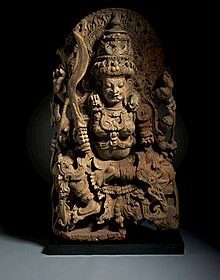
Bhadrakali


                                    Bhadrakali: The Fierce Goddess of Protection and Empowerment

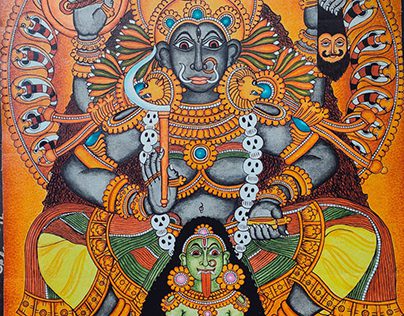
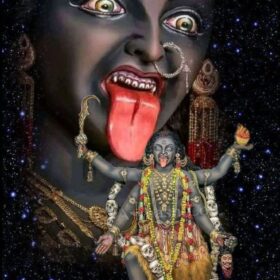
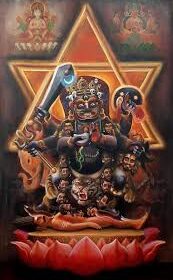
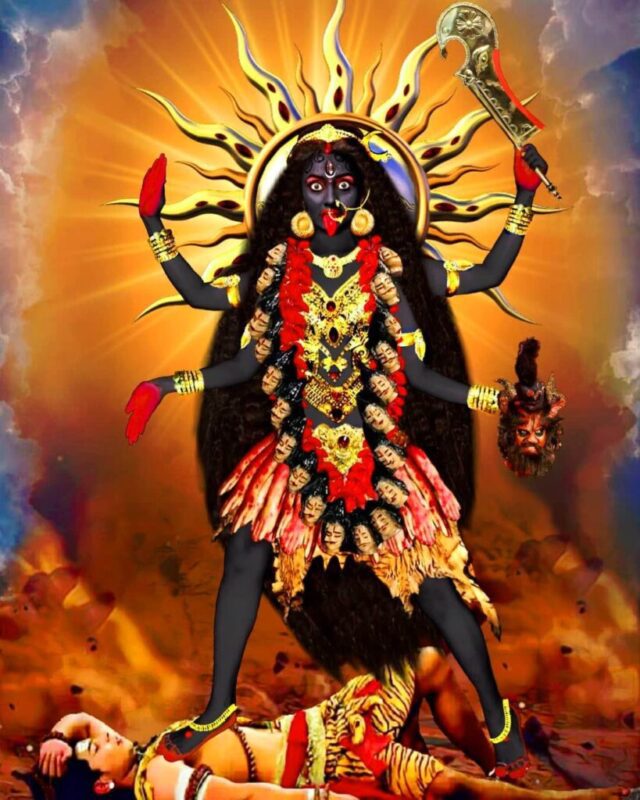
Bhadrakali, a powerful and fierce deity in Hindu mythology, embodies the divine feminine force in its most intense and protective form. Revered primarily in Southern India, particularly in Kerala, she is considered an incarnation of Goddess Parvati, embodying aspects of Kali, the goddess of destruction and transformation.

                                                  Mythological Roots and Symbolism

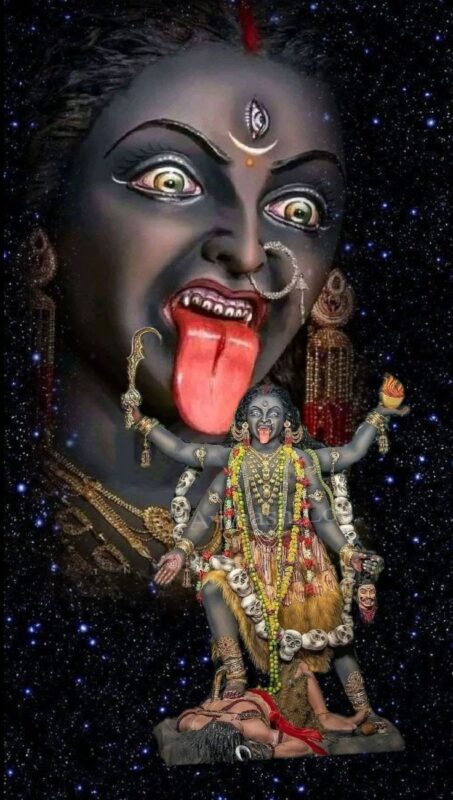
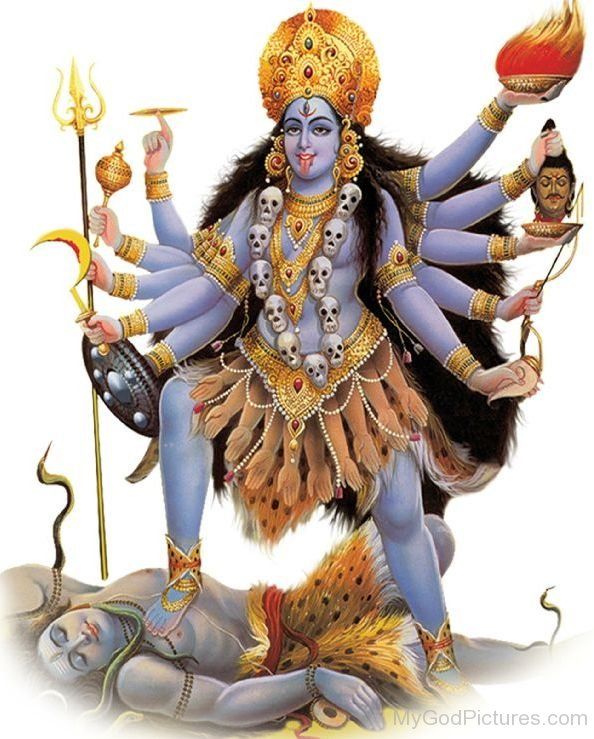
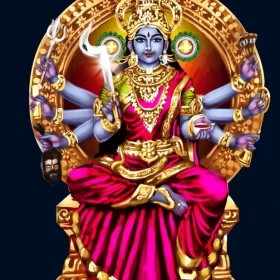
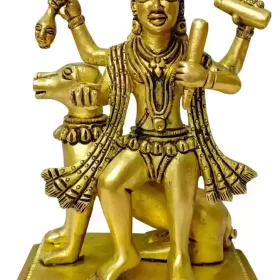
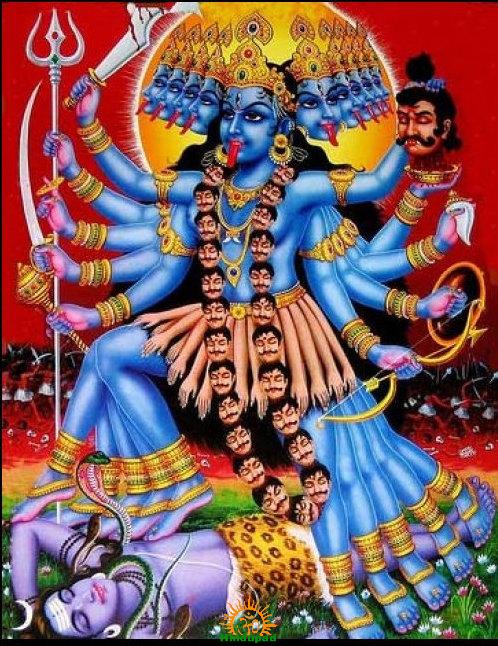
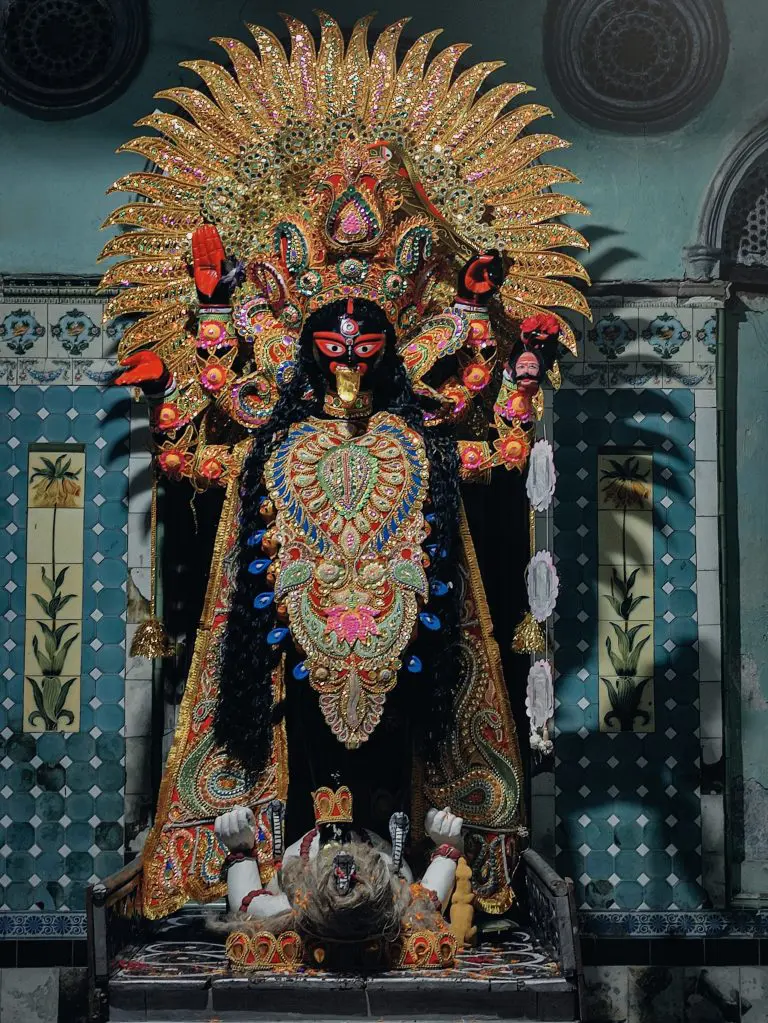
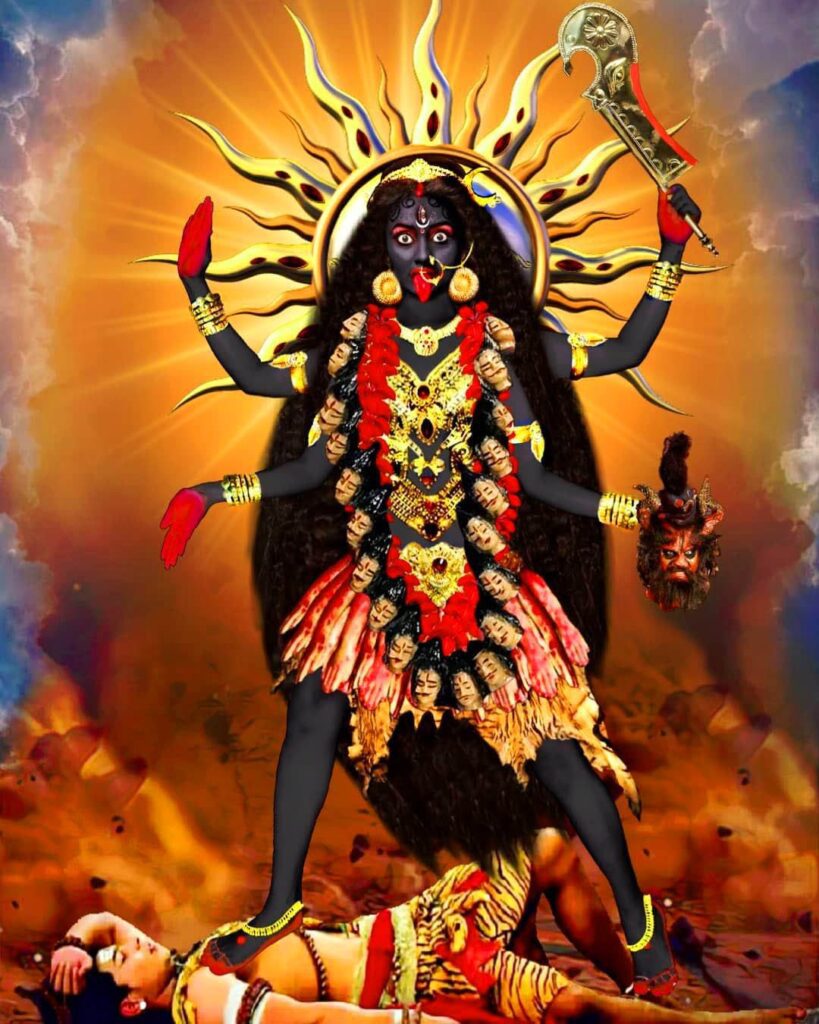
According to legends, Bhadrakali emerged from the wrath of Devi Parvati during her battle against the demon Daruka. Her appearance is described as fearsome, with a dark complexion, adorned with weapons, and standing atop a lion or tiger. This symbolism represents her role as a protector and warrior goddess who fiercely defends her devotees against evil forces and negativity.

                                                         Attributes and Iconography

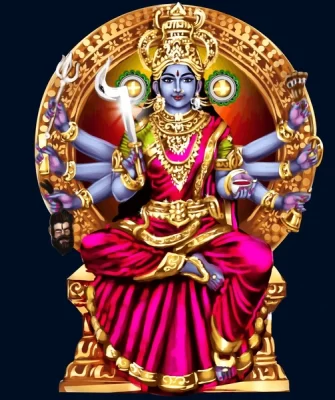
Bhadrakali is often depicted with multiple arms, each holding weapons such as a sword, trident, and shield, symbolizing her readiness to combat threats and uphold justice. Her iconography also includes a severed head, signifying the triumph over ego and ignorance. Devotees worship her seeking protection, courage, and empowerment in facing life’s challenges.

                                                   Devotional Practices and Rituals

Devotees of Bhadrakali engage in intense rituals and ceremonies to invoke her blessings. These rituals may involve elaborate pujas (worship ceremonies), offerings of red flowers, incense, and animal sacrifices in certain traditions. Her temples, such as the renowned Kodungallur Bhagavathy Temple in Kerala, attract devotees seeking her divine intervention and guidance.

                                                                   Spiritual Significance

Bhadrakali’s worship is not limited to rituals but extends to spiritual practices aimed at inner transformation and empowerment. Her fierce yet compassionate nature inspires devotees to confront their fears, overcome obstacles, and embrace their inner strength and resilience.

                                                        Cultural Impact and Reverence

In Kerala and other regions where she is worshipped, Bhadrakali holds a significant place in cultural festivals and traditions. During festivals like Kaliyattam and Bharani, devotees participate in processions and rituals that highlight her role as a protector and liberator.

                                                          Contemporary Relevance

Bhadrakali’s relevance transcends centuries, resonating with individuals seeking protection, empowerment, and spiritual growth. Her mythology and symbolism continue to inspire devotion and reverence among followers, affirming her as a symbol of feminine power, courage, and fierce compassion in the pantheon of Hindu goddesses.

In conclusion, Bhadrakali stands as a formidable deity embodying the essence of protection, empowerment, and divine grace. Her worship underscores the timeless ideals of courage, justice, and spiritual liberation, making her a revered figure among devotees seeking strength and guidance in their spiritual and worldly pursuits.


The importance of Bhadrakali in Hindu mythology and spiritual practice is profound, rooted in her role as a fierce and protective deity revered primarily in Southern India, particularly in Kerala. Here are key aspects highlighting her significance:

1. Protector and Warrior Goddess: Bhadrakali is worshipped as a formidable warrior goddess who fiercely defends her devotees against evil forces and negativity. Her role symbolizes courage, strength, and the readiness to combat injustice and adversity.

2. Empowerment and Courage: Devotees invoke Bhadrakali seeking empowerment and courage to face life’s challenges. Her fierce demeanor and association with weapons signify her ability to overcome obstacles and protect her worshippers from harm.

3. Transformation and Spiritual Growth: Bhadrakali represents the transformative aspect of goddess energy, guiding devotees on a path of inner growth and spiritual evolution. Her worship encourages self-reflection, resilience, and the shedding of ego and ignorance.

4. Rituals and Devotional Practices: Devotees engage in elaborate rituals and ceremonies to appease Bhadrakali, including pujas, offerings of flowers, incense, and sometimes animal sacrifices in traditional contexts. These rituals highlight her role as a powerful deity capable of granting blessings and divine intervention.

5. Cultural Significance: In Kerala and other regions where she is worshipped, Bhadrakali holds cultural significance, influencing festivals, art, and traditions. Festivals dedicated to her, such as Kaliyattam and Bharani, attract devotees who participate in rituals and processions to honor and seek her divine grace.

6. Symbol of Feminine Power: Bhadrakali embodies the strength and compassion of the divine feminine, inspiring reverence and devotion among followers who see her as a symbol of empowerment, protection


Bhadrakali is primarily worshipped and revered in the southern Indian state of Kerala. Within Kerala, she is especially prominent in regions like Kodungallur, where the renowned Bhagavathy Temple dedicated to Bhadrakali is located. This temple, known as the Kodungallur Bhagavathy Temple or Kodungallur Devi Temple, is a major pilgrimage site where devotees from across Kerala and beyond gather to pay homage to Bhadrakali. The temple’s location near the coast of the Arabian Sea adds to its cultural and spiritual significance, making it a focal point for festivals and rituals celebrating the goddess’s protective and transformative powers.


Rudraksha


The Power of Rudraksha Beads


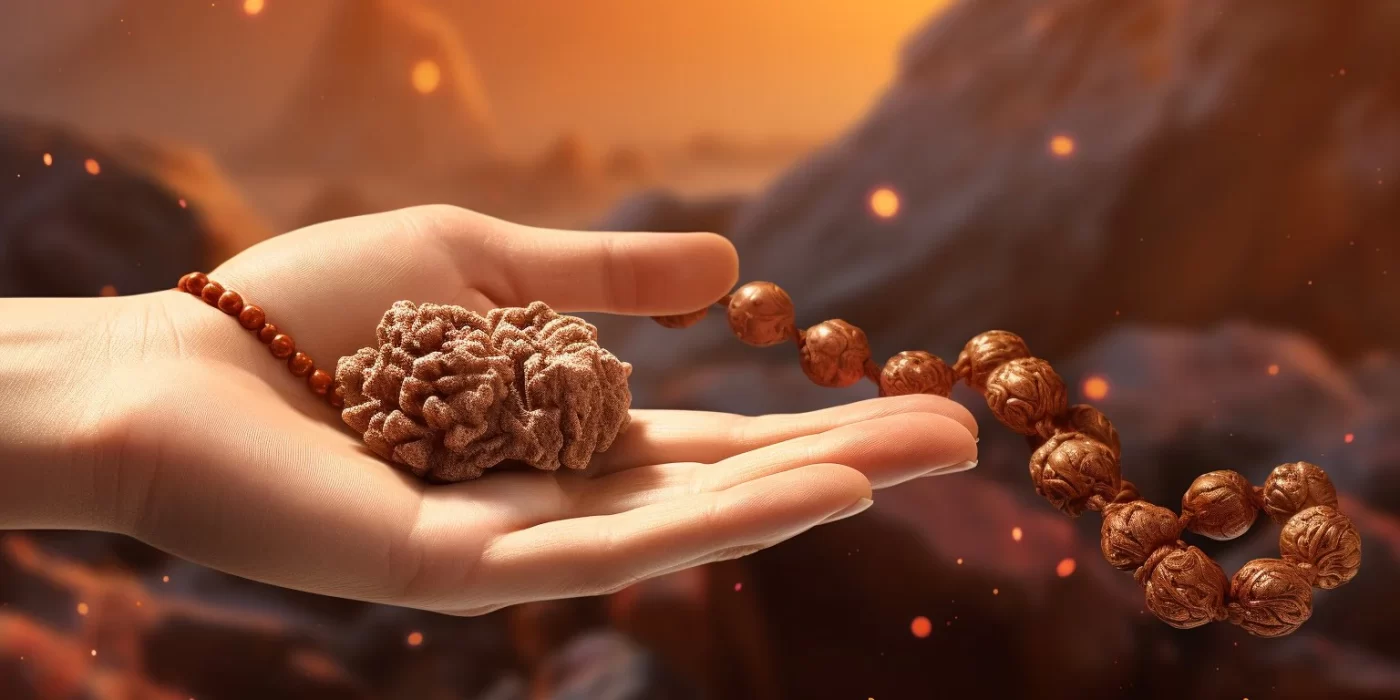
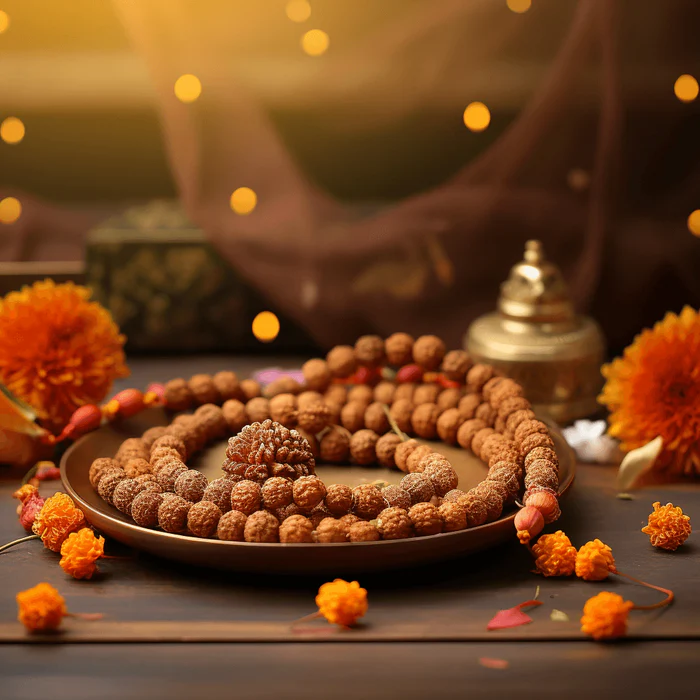
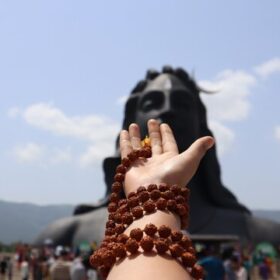
Rudraksha beads hold a profound and enduring power that transcends their physical form, deeply rooted in spiritual traditions and holistic healing practices. Originating from the Rudraksha tree, these sacred seeds are revered across Hinduism and beyond for their transformative and protective qualities.

At the heart of Rudraksha’s power lies its association with Lord Shiva, who is believed to have shed tears that crystallized into these beads out of compassion for humanity. Each Rudraksha seed is characterized by its unique number of faces or mukhis, ranging from one to twenty-one, each believed to correspond to different deities and energies.

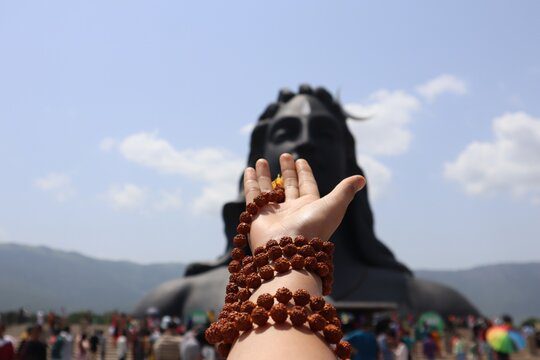
Spiritual Significance and Benefits: Rudraksha beads are worn close to the skin, touching the heart chakra, and are revered for their ability to balance and align the mind, body, and spirit. They are believed to amplify meditation and spiritual practices, facilitating a deeper connection with the divine and enhancing one’s spiritual growth journey.

Healing Properties: In Ayurvedic and traditional medicinal practices, Rudraksha beads are valued for their bioelectrical properties. It is believed that these properties interact positively with the human body’s electromagnetic field, promoting overall well-being. They are known to reduce stress, lower blood pressure, and improve concentration and mental clarity.

Protection and Positive Energy: Rudraksha beads are also worn for their protective qualities. They are believed to shield the wearer from negative energies, influences, and obstacles on both physical and spiritual levels. Their presence is said to create a cocoon of positive energy around the wearer, fostering a sense of peace, tranquility, and inner strength.

Holistic Approach to Wellness: Beyond their spiritual and healing properties, Rudraksha beads have gained popularity globally as natural and sustainable accessories. Crafted into malas (strings of beads), bracelets, and pendants, they serve as reminders of spiritual commitment and personal growth. Many wearers integrate Rudraksha into daily rituals, meditation practices, and yoga sessions to harness their holistic benefits.

Cultural and Global Appeal: The appeal of Rudraksha extends across cultures and spiritual traditions, resonating with individuals seeking harmony, protection, and spiritual enlightenment. From traditional Hindu practices to contemporary holistic wellness movements, Rudraksha beads continue to inspire awe and reverence, embodying the timeless wisdom and power of ancient traditions in a modern context.

In essence, the power of Rudraksha beads lies not only in their physical properties but also in their ability to catalyze spiritual growth, promote holistic healing, and foster a deeper connection with the divine forces of the universe. They stand as a testament to the enduring wisdom and sacredness embedded within natural elements, offering seekers a pathway to inner peace, well-being, and spiritual fulfillment.


Significance of Rudraksha beads

Rudraksha, derived from the Sanskrit words ‘Rudra’ (Lord Shiva) and ‘Aksha’ (tears), are sacred seeds with profound spiritual significance in Hinduism. They originate from the Rudraksha tree (Elaeocarpus ganitrus), primarily found in the Himalayan regions. Each seed, encased in a hard, blue outer shell, bears unique facets known as mukhis, ranging from one to twenty-one, each believed to embody distinct energies and attributes.

In Hindu mythology, Rudraksha beads are believed to have originated from the tears of Lord Shiva, shedding out of compassion for humanity. They are revered as divine gifts symbolizing the connection between the physical and spiritual realms. Wearing Rudraksha beads close to the skin is believed to harmonize the mind, body, and spirit, facilitating meditation, spiritual growth, and protection.


The significance of Rudraksha beads spans spiritual, cultural, and medicinal realms, making them revered and sought after across various traditions. Here are key aspects that highlight their profound significance:

1. Spiritual Connection: Rudraksha beads are deeply intertwined with Hindu spirituality, particularly with Lord Shiva. They are believed to be tears of compassion shed by Shiva for the welfare of humanity. Wearing Rudraksha beads is considered auspicious and enhances one’s spiritual practices, meditation, and connection with higher realms.

2. Protection and Healing: In Ayurvedic medicine and traditional practices, Rudraksha beads are valued for their therapeutic properties. They are believed to have electromagnetic properties that positively influence the body’s energy centers (chakras), promoting physical healing and emotional well-being. They are used to alleviate stress, lower blood pressure, and enhance mental clarity.

3. Symbolism of Divinity: Each Rudraksha seed is adorned with mukhis or facets, which are symbolic of different deities and energies. The beads serve as a tangible link to the divine, aiding in spiritual growth, protection from negative influences, and fostering inner peace and strength.

4. Cultural and Ritual Importance: Rudraksha beads hold immense cultural significance beyond Hinduism. They are used in various rituals, ceremonies, and meditation practices across different spiritual traditions. The beads are often strung into malas (rosaries) and worn by devotees as a sacred adornment and a reminder of their spiritual journey.

5. Global Appeal and Modern Usage: In contemporary times, Rudraksha beads have gained popularity worldwide for their natural beauty and holistic benefits. They are crafted into jewelry and accessories, blending ancient wisdom with modern aesthetics. Many individuals, irrespective of their religious background, wear Rudraksha for its perceived protective energies and spiritual resonance.

6. Sustainability and Natural Connection: Rudraksha beads are sustainably harvested from the Rudraksha tree, primarily found in the Himalayan regions and other parts of Southeast Asia. Their natural origin and ecological sustainability add to their appeal as ethical and eco-friendly accessories.

In essence, Rudraksha beads symbolize a bridge between the spiritual and physical worlds, offering wearers spiritual protection, healing benefits, and a deeper connection to the divine forces. Their enduring significance transcends cultural boundaries, resonating with seekers of spiritual growth, well-being, and inner peace around the globe.


Rudraksha beads are revered for their profound spiritual significance and healing properties. Originating from the Rudraksha tree, these sacred seeds are associated with Lord Shiva in Hindu mythology, believed to embody his tears of compassion. Each bead is adorned with mukhis or faces that denote different energies and attributes, ranging from spiritual growth and protection to physical healing and stress reduction. Wearing Rudraksha beads is considered auspicious, enhancing meditation, spiritual practices, and fostering a deeper connection to the divine. They are valued not only for their spiritual benefits but also for their ability to harmonize mind, body, and spirit, promoting overall well-being and serving as symbols of spiritual evolution and holistic health in modern times.


Bhairava


Bhairava: The Fierce and Benevolent Lord

Bhairava, a formidable deity in Hindu mythology, embodies the dual aspects of destruction and protection, revered for his fierce demeanor and benevolent nature. Often depicted as a wrathful form of Lord Shiva, Bhairava commands reverence and awe among devotees who seek his blessings for spiritual transformation and liberation from worldly attachments.

Mythological Origins and Symbolism

The origins of Bhairava trace back to ancient Hindu texts and scriptures, where he emerges as one of the fierce manifestations of Lord Shiva, tasked with maintaining cosmic order and destroying ignorance. Legend has it that Bhairava appeared from Shiva’s wrathful glare (or third eye), manifesting in response to a cosmic crisis or to teach profound lessons to gods and demons alike.

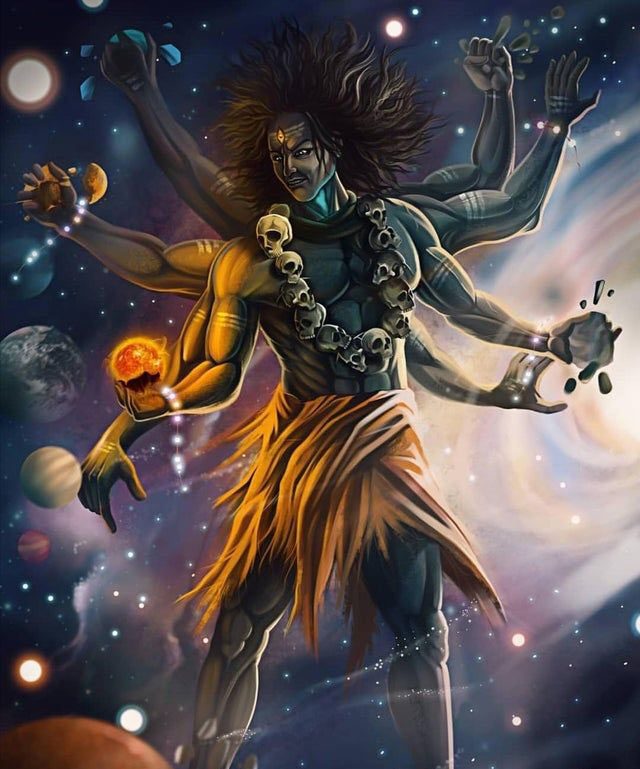
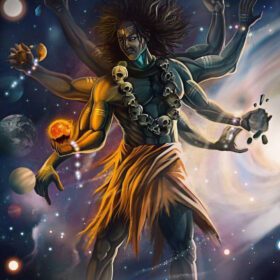
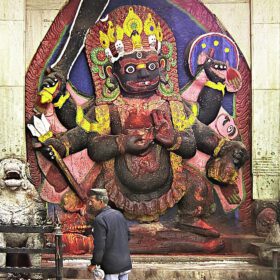
Symbolically, Bhairava is depicted with a terrifying countenance, adorned with serpents, skulls, and garlands of bones, symbolizing his mastery over death and transformation. His fierce appearance signifies the destruction of ego and ignorance, essential for spiritual growth and realization.

Forms and Manifestations

Bhairava is worshipped in various forms across different regions of India and Nepal, each associated with specific attributes and mythological narratives. Some prominent forms include Kala Bhairava (the lord of time), who oversees the march of time and dispenses justice swiftly; Mahakala Bhairava (the great lord of the terrifying aspect), who embodies the ultimate transcendence beyond fear; and Batuk Bhairava, a child-like form known for his playful yet potent demeanor.

Each form of Bhairava resonates with devotees seeking protection, wisdom, and liberation from worldly entanglements, offering unique blessings and guidance on the spiritual path.

Iconography and Ritual Practices

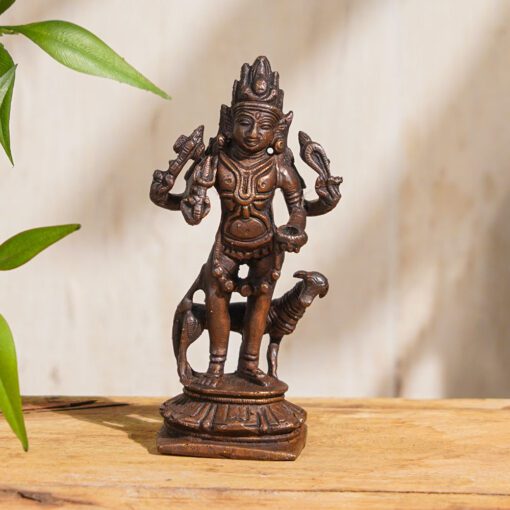
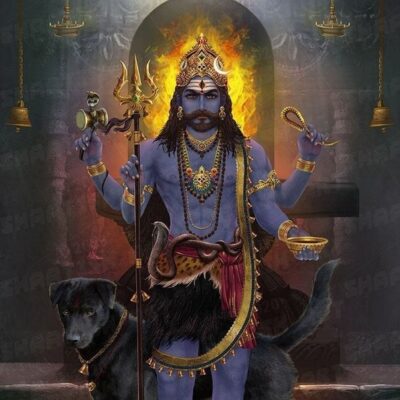
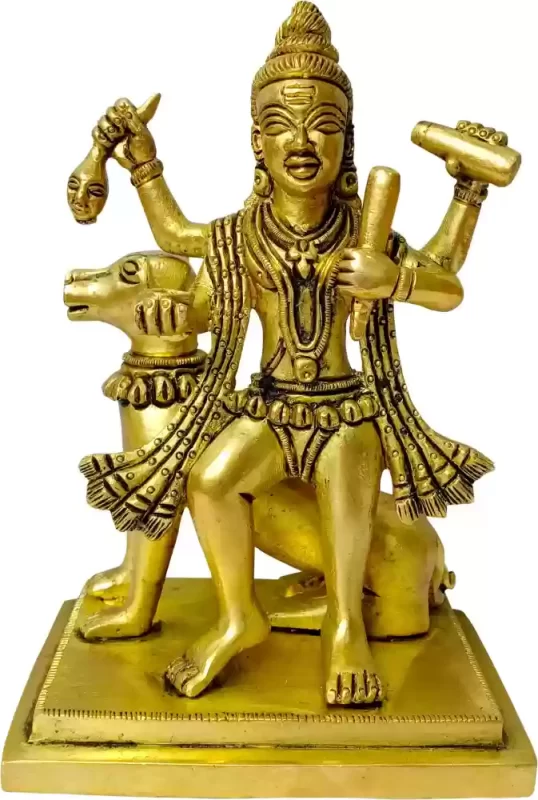
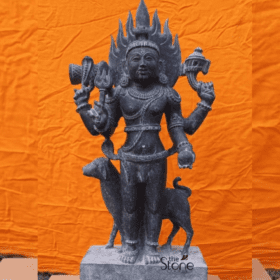
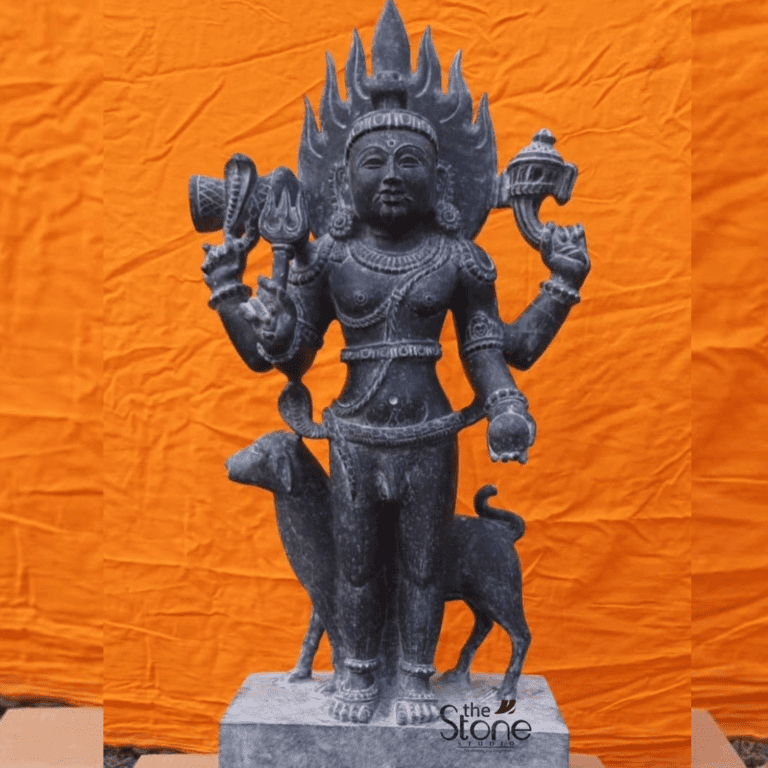
In iconography, Bhairava is often depicted with a dog as his divine vehicle (vahana) symbolizing loyalty and guardianship. He is adorned with ornaments of skulls and carries weapons such as a trident (trishula) or a drum (damaru), symbolizing his authority over life and death.

Devotees propitiate Bhairava through various rituals and ceremonies, particularly on Ashtami (the eighth day of the lunar calendar), considered auspicious for his worship. Offerings of red flowers, sesame seeds, and alcohol are made to appease Bhairava, invoking his protective energies and seeking blessings for courage, fearlessness, and spiritual progress.

Spiritual Significance and Devotional Practices

Bhairava holds profound significance in tantric traditions, where he is revered as the supreme lord of the spiritual path (sadhana), guiding aspirants through rigorous practices aimed at inner transformation and enlightenment. Tantric texts and teachings often invoke Bhairava’s assistance in overcoming obstacles, dispelling negativity, and accelerating spiritual evolution.

Devotees of Bhairava engage in intense meditation practices (dhyanam) and mantra recitations (japa), often using specific mantras like the Bhairava Gayatri or the Ashtakshara Mantra dedicated to Kala Bhairava. These practices are believed to invoke Bhairava’s divine presence and align the practitioner with his transformative energies.

Contemporary Reverence and Global Influence

In contemporary Hinduism, Bhairava continues to inspire devotion and reverence among spiritual seekers, tantric practitioners, and devotees seeking protection and spiritual empowerment. His temples, such as the famous Kashi Vishwanath Temple in Varanasi dedicated to Kala Bhairava, attract pilgrims seeking blessings for auspicious beginnings and liberation from karmic cycles.

The reverence for Bhairava extends beyond traditional boundaries, resonating with followers of Hinduism worldwide and transcending cultural barriers. His worship embodies the timeless wisdom of embracing life’s challenges with courage and surrendering ego to attain spiritual liberation.

Bhairava, the fierce yet benevolent lord of transformation and protection, stands as a testament to the multifaceted nature of divinity in Hindu mythology. Through his fierce forms and compassionate guidance, Bhairava offers devotees a pathway to transcendence, empowering them to navigate life’s trials with courage and wisdom. His mythological narratives and spiritual practices continue to inspire seekers on the quest for spiritual evolution and inner liberation, making Bhairava a revered deity in the rich tapestry of Hindu religious lore.

Bhairava, a formidable deity in Hindu mythology, embodies the fierce aspect of Lord Shiva, revered for his role as a protector and destroyer of negativity. Often depicted with a terrifying countenance adorned with skulls and weapons, Bhairava’s presence symbolizes the triumph of righteousness and the eradication of ignorance. He is worshipped for his ability to dispel obstacles, uphold cosmic order, and guide spiritual seekers towards liberation. Bhairava’s fierce demeanor signifies the transformative power needed to transcend worldly attachments and attain spiritual enlightenment, making him a revered figure in Hinduism, particularly in tantric traditions where his worship involves intense rituals and meditation practices aimed at harnessing his potent energies for inner transformation and divine grace.

The birth or origins of Bhairava in Hindu mythology are shrouded in ancient tales and interpretations across various texts and traditions. Generally, Bhairava is considered a fierce manifestation or an aspect of Lord Shiva, the supreme deity in Shaivism. His birth or manifestation stories vary, but a few prominent narratives shed light on his existence:

Origin from Shiva’s Third Eye: According to some accounts, Bhairava manifested suddenly from an angry glance of Lord Shiva’s third eye (trinetra). This event occurred when Lord Shiva was in a fierce mood or to tackle a specific threat to the cosmic balance. Bhairava emerged as a powerful force to uphold righteousness and destroy evil forces.

Incarnation for a Purpose: In another interpretation, Bhairava is believed to have taken form to punish or teach important lessons to certain gods or beings who had become arrogant or misused their powers. His role was to restore order and maintain cosmic justice.

Associations with Different Incarnations: Bhairava is sometimes associated with other deities or divine beings in their specific fierce or protective manifestations. For instance, in the context of goddess worship (Shaktism), Bhairava may be seen as an attendant or consort to a fierce form of Devi, such as Kali or Chamunda, embodying her protective energies.

Regional and Cultural Variations: Across India and Nepal, different regions have developed unique stories and interpretations of Bhairava’s origins. These narratives often reflect local beliefs, customs, and the specific roles Bhairava plays in local folklore and spiritual practices.

Overall, Bhairava’s birth or emergence from Shiva’s third eye symbolizes his role as a fierce protector and destroyer of negativity and ignorance. His presence in Hindu mythology underscores the dynamic and multifaceted nature of divinity, where different aspects of gods like Shiva manifest to fulfill specific cosmic duties and maintain universal balance.


Parentage and Consorts of Bhairava:

Shiva and Devi Parvati: In many traditions, Bhairava is considered an incarnation or fierce form of Lord Shiva himself. As such, his primary divine parentage is attributed to Shiva and his consort, Parvati (also known as Shakti or Devi). Parvati, the embodiment of cosmic energy and feminine power, plays a crucial role in the narratives involving Bhairava, often as a source of wisdom and guidance.

Consorts and Attendants: Bhairava is often depicted with a consort or several attendants who embody aspects of Shakti (divine feminine energy). For example, Bhairava is associated with various forms of Devi such as Bhairavi, Chamunda, or Chandi, who complement his fierce nature with their own transformative and protective energies.

Legends and Stories:

Daksha’s Sacrifice: One significant legend involving Bhairava’s birth revolves around Daksha’s sacrifice (Daksha Yagna). According to this tale, Daksha, the father of Sati (a manifestation of Parvati), performed a grand ritual but deliberately excluded Shiva. Sati, feeling insulted on Shiva’s behalf, immolated herself. In his grief and rage, Shiva then took the form of Bhairava and destroyed the sacrifice, culminating in Daksha’s beheading. This event highlights Bhairava’s role as a divine protector and enforcer of cosmic justice.

Incarnation for Specific Purposes: Bhairava is believed to have manifested in different forms and incarnations to fulfill specific cosmic purposes, often arising spontaneously or in response to particular challenges faced by gods or humanity. His manifestations embody aspects of Shiva’s power and fury, aimed at restoring balance and upholding dharma (righteousness).

Symbolism and Attributes:

Fierce and Protective Nature: Bhairava’s depiction with attributes such as weapons (like a trident or sword), skulls, and a dog as his vehicle symbolizes his fierce and protective nature. He is revered for his ability to destroy negativity and ignorance, guiding devotees towards spiritual awakening and liberation.

Tantric Practices and Worship: Bhairava holds significant importance in tantric traditions, where he is worshipped as the embodiment of transformative energies and spiritual discipline. Tantric rituals and practices associated with Bhairava involve meditation, mantra chanting, and specific forms of worship aimed at invoking his blessings and guidance.

 Bhairava’s birth and parentage are intricately tied to his role as a fierce manifestation of Lord Shiva, embodying aspects of divine fury, protection, and transformative power. His legends and symbolism reflect the dynamic interplay of cosmic forces in Hindu mythology, offering devotees pathways to spiritual growth, courage, and liberation.

Bhairava is a formidable deity in Hinduism, primarily associated with the fierce aspect of Lord Shiva. Depicted often with a terrifying appearance, he symbolizes destruction, transformation, and the ultimate transcendence of all material and spiritual limitations. Here’s a detailed description:

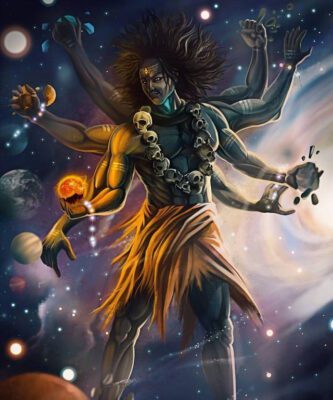
Appearance: Bhairava is typically portrayed with a fearsome demeanor, often depicted as having a dark complexion, with flaming hair that stands on end. His third eye, symbolizing higher perception and knowledge, is prominent on his forehead. Adorned with serpents and skulls, he wears a garland of human bones and is sometimes shown holding weapons such as a trident (trishula) or sword. He stands or sits upon a divine mount, a dog (Shvan), symbolizing loyalty and the ability to discern truth from falsehood.

Symbolism and Attributes:

  1. Destruction and Creation: Bhairava represents the destructive and transformative aspects of existence, where destruction paves the way for new creation and evolution.

  2. Time and Fearlessness: Known as the Lord of Time (Kala Bhairava), he transcends time’s limitations and instills fearlessness in his devotees by destroying their fears and attachments.

  3. Protector of Yogis: Bhairava is revered by yogis and ascetics as a fierce guardian and guide on the path of spiritual awakening, ensuring discipline and dedication.

  4. Justice and Truth: He is also seen as the enforcer of justice, punishing those who act against righteousness and upholding cosmic order (dharma).

Raksha Bandhan 2024 Date, Ritual & Rakhi Festival and Celebration Timing


Raksha Bandhan 2024 will be celebrated on August 19th. Here are the timings relevant to the festival:

  1. Date: August 19, 2024 (Monday)
  2. Purnima Tithi Begins: 03:04 AM on August 19, 2024
  3. Purnima Tithi Ends: 11:55 PM on August 19, 2024

Timing for Rakhi Tying Ceremony:

The auspicious time for the Rakhi tying ceremony, known as the Raksha Bandhan muhurat, varies depending on the location and local customs. Generally, the ideal time for Rakhi tying ceremony is during the Aparahna period, which is the afternoon time according to Hindu calendar.

For Raksha Bandhan 2024, the Aparahna muhurat for Rakhi tying is from approximately 01:45 PM to 04:22 PM (local time). This period is considered highly auspicious for performing the rituals associated with Raksha Bandhan.

Note:

It’s essential to consult with local pundits or use a Hindu Panchang (calendar) to determine the exact muhurat timings for Raksha Bandhan ceremonies, as they may vary based on geographical location and regional traditions. These timings ensure that the rituals are performed at an auspicious time, maximizing the positive spiritual influence of the festival.


Why Raksha Bandhan is Celebrated ?

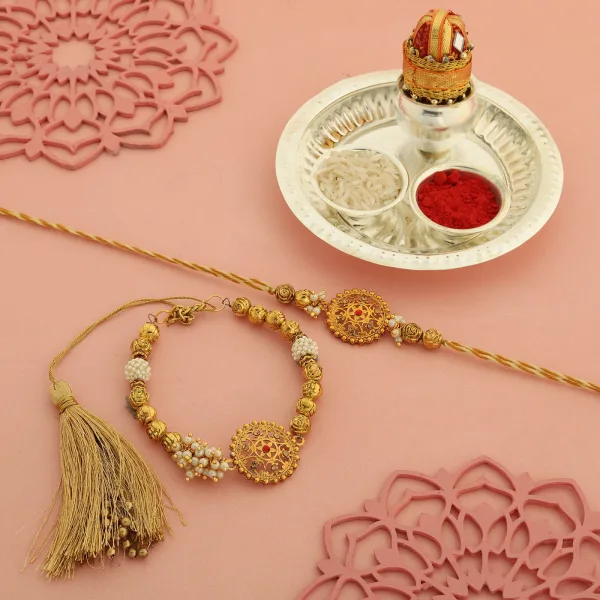
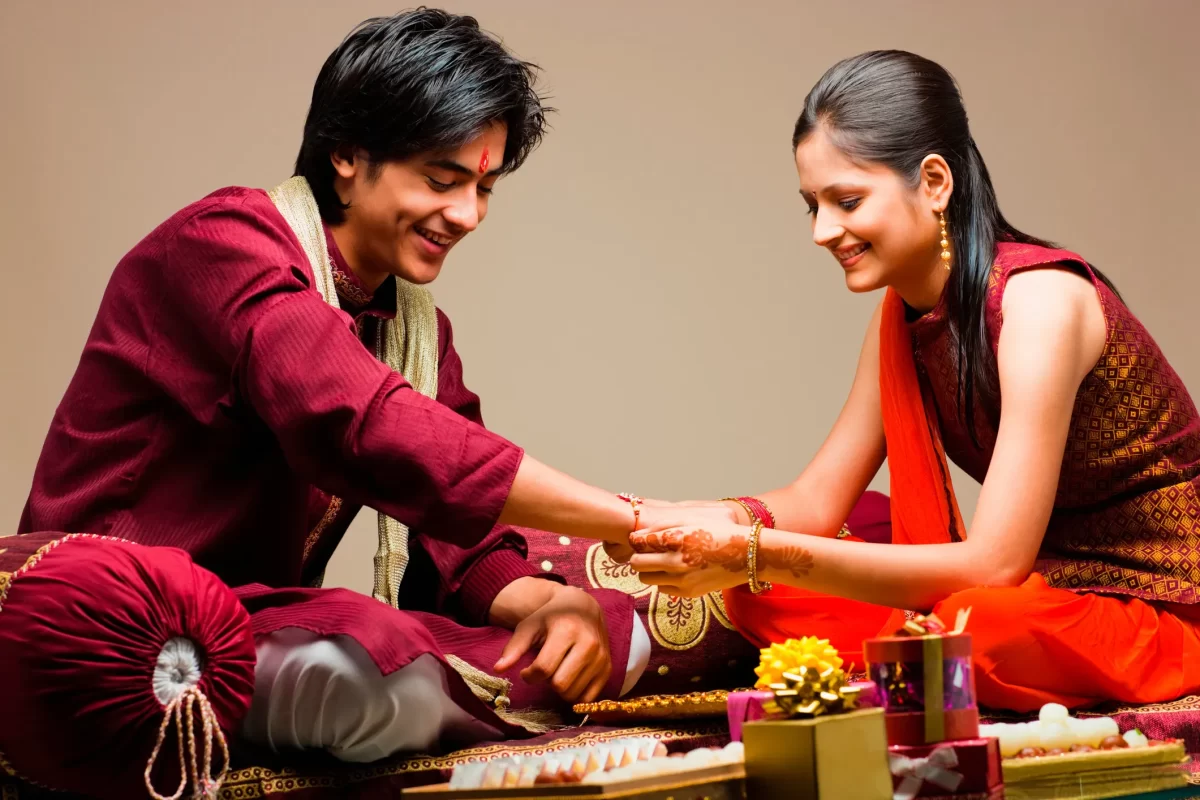
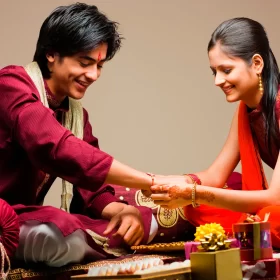
Raksha Bandhan is celebrated to honor the bond between brothers and sisters. Sisters tie a sacred thread (Rakhi) on their brothers’ wrists, symbolizing love and protection. It signifies siblings’ mutual affection and the promise of support and care throughout their lives. This festival holds cultural, social, and emotional significance, reinforcing family ties and celebrating the unique bond between siblings.


The festival of Rakhi, also known as Raksha Bandhan, stands as a vibrant celebration deeply rooted in the cultural and spiritual traditions of India. Spanning across regions and communities, Rakhi holds profound meaning as it symbolizes the unique bond of love, protection, and mutual respect between brothers and sisters. This annual observance, typically falling on the full moon day (Purnima) in the Hindu month of Shravana (July-August), transcends religious boundaries to embrace familial ties and social harmony.

Origins and Mythological Significance

The origins of Raksha Bandhan are intertwined with various mythological narratives and historical legends, each highlighting the festival’s essence of protection and devotion. One of the most revered stories from Hindu mythology recounts the bond between Lord Krishna and Draupadi, from the epic Mahabharata. Legend has it that Draupadi, in a moment of distress, tore a strip of cloth from her saree and tied it around Krishna’s wrist to staunch his bleeding. Touched by her gesture of affection and protection, Krishna vowed to safeguard Draupadi throughout her life. This tale exemplifies Rakhi’s essence as a symbol of unconditional love and divine protection.

Rituals and Traditions

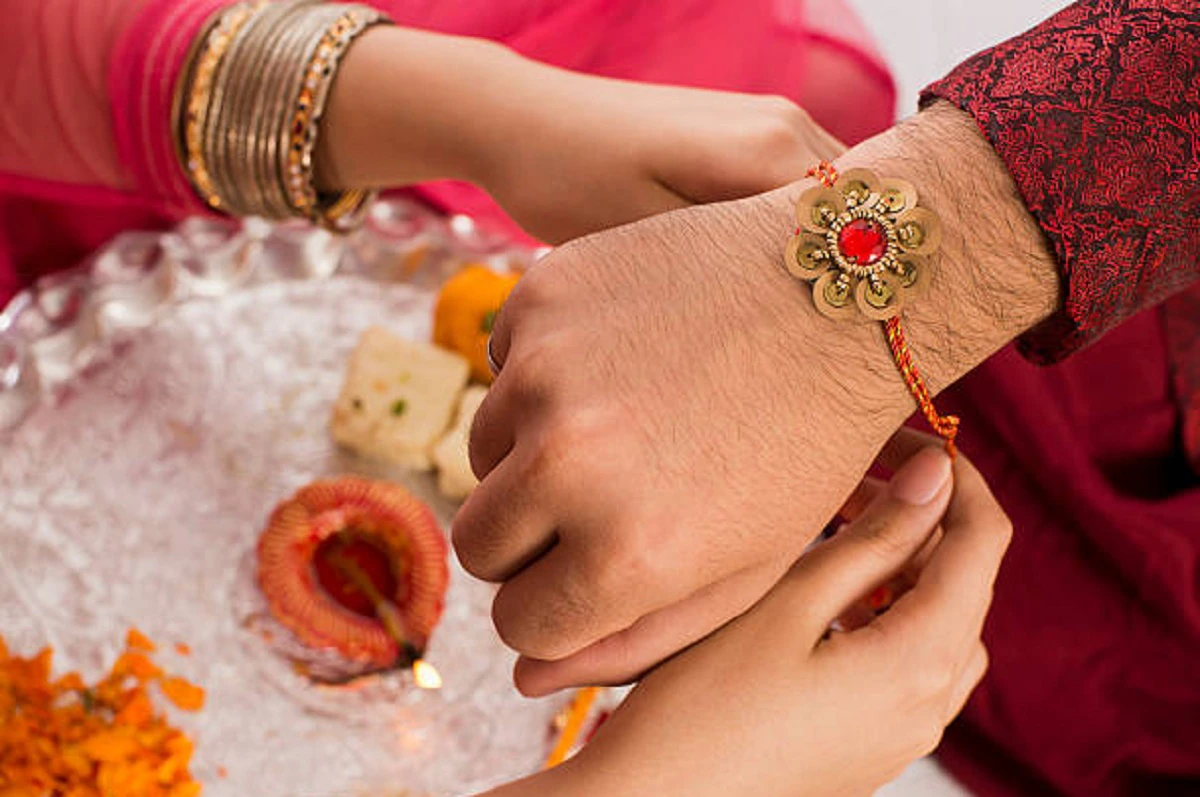
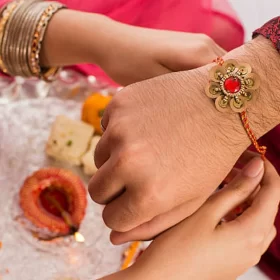
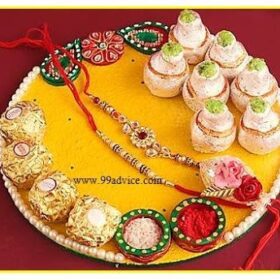
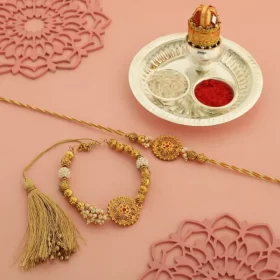
The cornerstone of Raksha Bandhan is the ritual of tying the Rakhi, a sacred thread, around the brother’s wrist by the sister. This thread, often embellished with intricate designs and auspicious motifs, signifies the sister’s prayers for her brother’s well-being and prosperity. The ceremony is accompanied by prayers and hymns invoking blessings from the divine for the brother’s longevity and success. In return, the brother pledges to protect and support his sister under all circumstances, affirming their bond of trust and companionship.

The Rakhi tying ceremony is often preceded by traditional rituals such as the purification of the Rakhi thread with holy water and the application of vermilion and rice grains on the brother’s forehead, symbolizing auspiciousness and blessings. Family members gather together to witness and participate in these rituals, fostering a sense of unity and familial harmony.

Symbolism and Meaning

At its core, Raksha Bandhan embodies profound symbolism that transcends familial relationships:

  • Bond of Protection: The Rakhi thread symbolizes the protective bond that brothers pledge to their sisters, promising to shield them from harm and adversity.
  • Expression of Love: It serves as a tangible expression of love, care, and affection between siblings, reinforcing the emotional connection that binds them together.
  • Renewal of Sibling Vows: Raksha Bandhan is also a time for siblings to reaffirm their vows of support, understanding, and mutual respect, strengthening their relationship.


Rakhi Festival Celebration 


Cultural Significance

Beyond its religious and mythological roots, Raksha Bandhan holds immense cultural significance in India and among the Indian diaspora worldwide. It serves as a testament to the enduring values of familial duty, loyalty, and camaraderie. The festival transcends religious affiliations, as people of diverse faiths partake in its festivities, underscoring its role in promoting communal harmony and unity.

Regional Variations and Customs

While Raksha Bandhan is celebrated across India, the customs and traditions associated with the festival exhibit regional diversity and uniqueness. In some regions, sisters tie Rakhi to not just their brothers but also to other male relatives, such as cousins and close family friends, symbolizing broader bonds of protection and kinship. In certain communities, Raksha Bandhan coincides with specific cultural practices and rituals, adding layers of regional flavor to the festivities.

Contemporary Relevance

In contemporary times, Raksha Bandhan continues to resonate deeply with individuals and families, serving as an occasion to cherish cherished memories and create new ones. It is a time for siblings separated by geographical distances to reunite and celebrate their bond, exchanging gifts and sharing nostalgic moments. The festival’s enduring appeal lies in its ability to transcend generational boundaries, uniting young and old alike in a shared celebration of love and togetherness.

Social and Ethical Dimensions

Raksha Bandhan also holds ethical implications, advocating for the empowerment and protection of women. Beyond its traditional symbolism, the festival underscores the importance of gender equality and respect for women’s rights, encouraging a more inclusive and equitable society.


On Raksha Bandhan, in addition to the central ritual of tying the Rakhi, there are several other significant pujas and rituals observed across different regions of India. These additional pujas enhance the spiritual significance of the festival and add depth to its cultural traditions:

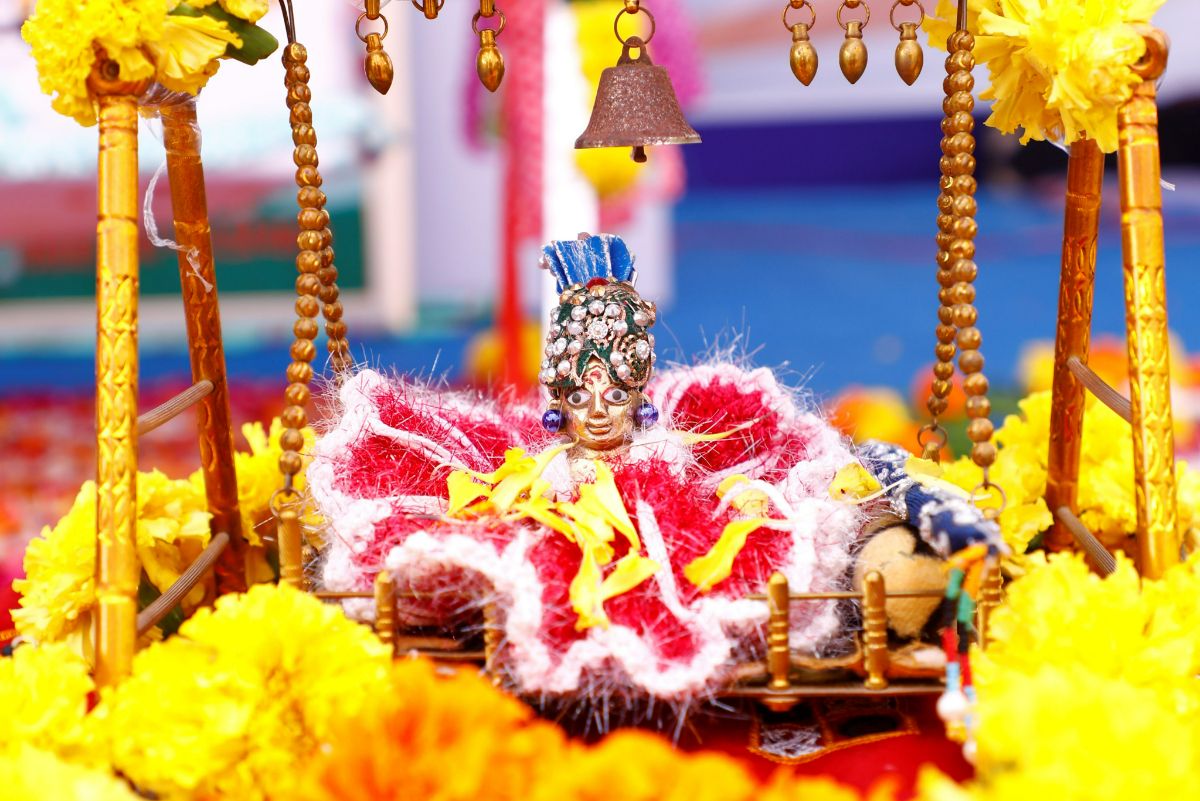
1. Pooja of Lord Krishna and Draupadi (Shri Krishna Poojan)

In many households, especially in regions associated with the worship of Lord Krishna, special prayers and rituals are performed on Raksha Bandhan. This includes:

  • Krishna Janmashtami Preparation: As Raksha Bandhan falls close to Krishna Janmashtami (Lord Krishna’s birthday), devotees prepare for the upcoming festival by decorating idols of Krishna and offering special prayers.


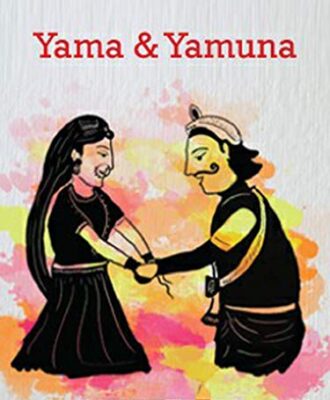
2. Pooja of Yama and Yamuna

In some parts of North India, particularly in states like Uttar Pradesh and Bihar, Raksha Bandhan is associated with the worship of Yama (the god of death) and Yamuna (the river goddess). This tradition involves:

  • Offerings to Yama: Families prepare special offerings and prayers for Yama to seek his blessings for longevity and protection from untimely death.


The Pooja of Yama (the god of death) and Yamuna (the river goddess) is performed to seek blessings for longevity, protection from untimely death, and overall well-being of family members.


3. Narali Purnima or Coconut Festival

In Maharashtra and coastal regions, Raksha Bandhan is celebrated as Narali Purnima. This day marks the beginning of the fishing season, and rituals include:

  • Offerings to Sea God: Fishermen and coastal communities offer coconuts to Varuna, the sea god, seeking his blessings for a prosperous fishing season and protection during sea voyages.


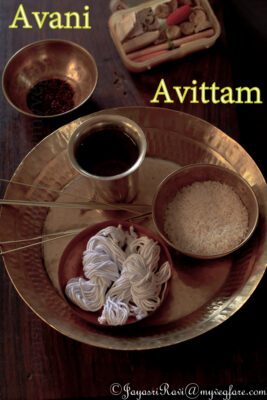
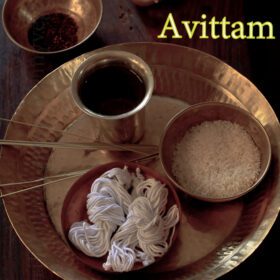
4. Avani Avittam or Upakarma

In South India, particularly among Brahmins, Raksha Bandhan coincides with Avani Avittam or Upakarma, a day of ritualistic significance for changing sacred threads (Yajnopavita). This day involves:

  • Vedic Rituals: Brahmins perform sacred rites, including recitations from the Vedas and changing their sacred threads, signifying renewal and spiritual growth.

Kaal bhairav


KAAL BHAIRAV


Kaal Bhairav, a prominent deity in Hinduism, holds a unique and powerful position within the pantheon of gods and goddesses. Often depicted as a fearsome manifestation of Lord Shiva, Kaal Bhairav is revered as the fierce guardian and protector. His name itself translates to ‘Lord of Time‘ or ‘Eternal Time,’ emphasizing his association with the eternal cycle of life, death, and rebirth.

Mythological Origins and Legends

In Hindu mythology, Kaal Bhairav’s origins are traced back to a legend involving Lord Brahma and Lord Vishnu, the creators and preservers of the universe. Once, a disagreement arose between them regarding their supremacy. To resolve this, Lord Shiva appeared in his fierce form as Kaal Bhairav, challenging them to find his beginning and end. Brahma took the form of a swan to search for the topmost part of the cosmic pillar of light, while Vishnu transformed into a boar to dig deep into the earth to find its base. Both were unsuccessful, acknowledging Kaal Bhairav’s timeless existence and omnipresence.

Another popular legend associated with Kaal Bhairav is about his role in beheading Lord Brahma’s fifth head due to Brahma’s arrogance. This act symbolizes the control of ego and arrogance, with Kaal Bhairav standing as a reminder of the consequences of pride.

Iconography and Depictions

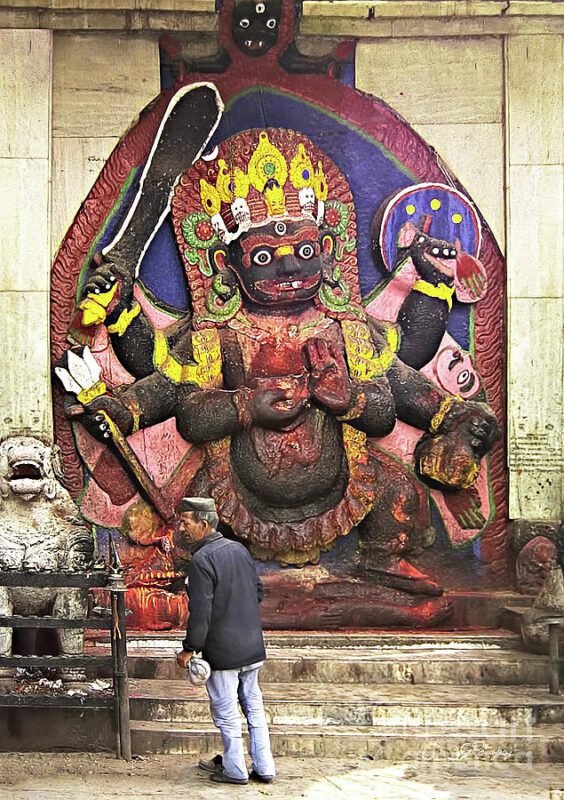
Kaal Bhairav is often portrayed with a dark complexion, wearing a garland of skulls around his neck, symbolizing the cyclical nature of time and death. He is depicted with a dog as his vahana (vehicle), emphasizing his role as the guardian who can detect even the subtlest of threats. In some depictions, he holds a trident or a drum (damaru), which symbolizes the rhythm of creation and destruction.

Temples and Worship

Numerous temples across India are dedicated to Kaal Bhairav, with the most famous one located in Varanasi (Kashi). Known as the Kashi Vishwanath Temple of Kaal Bhairav, it is believed that a visit to this temple completes the pilgrimage to Varanasi. Devotees offer prayers and seek blessings for protection from evil forces, relief from obstacles, and liberation from the cycle of life and death.

During the sacred Hindu festival of Kala Bhairav Ashtami, special rituals and prayers are conducted to honor and appease Kaal Bhairav. Devotees observe fasts and visit temples to seek his divine grace and blessings.

Symbolism and Philosophy

The worship of Kaal Bhairav carries profound philosophical meanings within Hinduism. He symbolizes the inevitability of time and the impermanence of life, urging devotees to embrace change and detach from worldly attachments. His fierce appearance and demeanor signify the destruction of ignorance and ego, paving the way for spiritual awakening and enlightenment.

Cultural Significance

Beyond religious contexts, Kaal Bhairav is also revered in various cultural practices and rituals. In some regions, people invoke his blessings for protection from negative influences, legal disputes, and other challenges in life. His presence in folk tales and local traditions underscores his significance as a guardian deity who watches over his devotees with unwavering vigilance.

Modern Relevance

In contemporary times, the worship of Kaal Bhairav continues to resonate with people seeking protection, guidance, and spiritual growth. His role as the guardian of time and destroyer of obstacles remains relevant in navigating the complexities of modern life. Devotees find solace in his fierce yet compassionate nature, believing that his blessings can help them overcome hurdles and lead a righteous life.

Conclusion

Kaal Bhairav, the Lord of Time and guardian deity, occupies a unique place in Hindu mythology and spirituality. His fierce form and profound symbolism reflect deeper philosophical truths about the nature of existence and the passage of time. Through rituals, prayers, and devotion, his devotees seek his divine protection, wisdom, and liberation from the cycle of birth and death. As a timeless symbol of strength and vigilance, Kaal Bhairav continues to inspire reverence and awe, embodying the eternal principles of Hinduism.


Importance of Kaal Bhairav

1. Guardian and Protector:

Kaal Bhairav is primarily revered as a fierce guardian and protector. His role involves safeguarding devotees from malevolent forces, negative energies, and obstacles on their spiritual and worldly journeys. This protective aspect makes him a crucial deity in the pantheon of Hindu gods, offering solace and assurance to those facing challenges.

2. Symbol of Time and Impermanence:

As the ‘Lord of Time’ (Kaal), Kaal Bhairav symbolizes the eternal cycle of creation, preservation, and destruction. His depiction with a garland of skulls signifies the inevitability of time and the transient nature of life. This symbolism serves as a reminder of the impermanence of material existence and encourages devotees to focus on spiritual growth and detachment from worldly attachments.

3. Destroyer of Ego and Ignorance:

In Hindu mythology, Kaal Bhairav’s act of beheading Lord Brahma’s fifth head underscores his role in destroying ego, arrogance, and ignorance. This mythological event symbolizes the importance of humility, self-awareness, and the pursuit of true knowledge. Devotees invoke Kaal Bhairav to seek liberation from the cycle of birth and death by transcending worldly illusions and realizing their true selves.

4. Cultural Reverence and Tradition:

Across India, numerous temples dedicated to Kaal Bhairav attract devotees seeking his blessings for protection, guidance, and spiritual fulfillment. The Kashi Vishwanath Temple of Kaal Bhairav in Varanasi holds particular significance, drawing pilgrims who believe that a visit here completes their pilgrimage to the holy city. Festivals such as Kala Bhairav Ashtami celebrate his divine presence and offer opportunities for devotees to express their devotion through rituals and prayers.

5. Philosophical Teachings:

Kaal Bhairav’s worship embodies profound philosophical teachings within Hinduism. His fierce form and attributes encourage devotees to confront and overcome their fears, doubts, and obstacles. By embracing his teachings, devotees learn resilience, determination, and acceptance of life’s challenges, ultimately leading to spiritual growth and inner transformation.

6. Relevance in Modern Contexts:

In contemporary times, Kaal Bhairav remains relevant as a source of strength, protection, and guidance. Devotees invoke his blessings to navigate personal and professional challenges, seek justice, and attain spiritual enlightenment. His timeless presence in Hindu rituals and practices underscores his enduring relevance in helping individuals maintain balance and harmony amidst life’s complexities.

7. Cultural Integration and Local Traditions:

Beyond religious contexts, Kaal Bhairav is integrated into local traditions, folklore, and cultural practices across India. His presence in regional customs and beliefs reflects his role as a guardian deity who watches over communities and individuals, ensuring their well-being and prosperity.

In summary, the importance of Kaal Bhairav in Hinduism encompasses his roles as a guardian, symbol of time and impermanence, destroyer of ego and ignorance, cultural icon, philosophical teacher, and relevant deity in modern contexts. His worship inspires devotion, resilience, and spiritual evolution, making him a revered figure who continues to guide and protect devotees on their spiritual journeys.

Guardian and Protector: Central to Kaal Bhairav’s importance is his role as a fierce guardian and protector. Devotees invoke him for protection from negative influences, obstacles, and malevolent forces. His presence is believed to offer security and assurance, particularly during times of adversity or uncertainty.

Symbol of Time and Impermanence: As the ‘Lord of Time’ (Kaal), Kaal Bhairav embodies the eternal cycle of creation, preservation, and destruction. His depiction with a garland of skulls symbolizes the inevitability of time and the transient nature of life. This symbolism encourages devotees to contemplate the impermanence of worldly existence and focus on spiritual growth and detachment.

Destroyer of Ego and Ignorance: In Hindu mythology, Kaal Bhairav’s act of beheading Lord Brahma’s fifth head serves as a powerful allegory. It signifies his role in destroying ego, arrogance, and ignorance—attributes that hinder spiritual progress. Devotees seek his blessings to overcome these obstacles and attain spiritual liberation.

Cultural Reverence and Tradition: Throughout India, temples dedicated to Kaal Bhairav are centers of pilgrimage and devotion. The Kashi Vishwanath Temple of Kaal Bhairav in Varanasi holds particular importance, drawing pilgrims who believe in his protective powers and spiritual blessings. Festivals like Kala Bhairav Ashtami are celebrated with fervor, honoring his divine presence and seeking his benevolence.

Philosophical Teachings: Kaal Bhairav’s worship is steeped in profound philosophical teachings. His fierce form and attributes encourage devotees to confront fears, doubts, and challenges with courage and resilience. Through devotion to Kaal Bhairav, followers learn to navigate life’s complexities while maintaining inner balance and spiritual clarity.

Relevance in Modern Contexts: In contemporary times, Kaal Bhairav remains relevant as a source of strength and guidance. Devotees turn to him for assistance in overcoming obstacles, seeking justice, and finding spiritual fulfillment. His timeless teachings resonate with individuals striving for personal growth and enlightenment amidst the demands of modern life.

Cultural Integration and Local Traditions: Beyond religious rituals, Kaal Bhairav is deeply integrated into local customs, folklore, and cultural practices across India. His presence in regional traditions reflects his role as a guardian deity who watches over communities and individuals, ensuring their welfare and prosperity.

In essence, Kaal Bhairav’s importance in Hinduism extends far beyond his fearsome appearance and mythical deeds. He embodies timeless principles of protection, spiritual growth, and philosophical enlightenment, offering devotees solace, strength, and guidance on their spiritual journeys through life’s intricate tapestry.

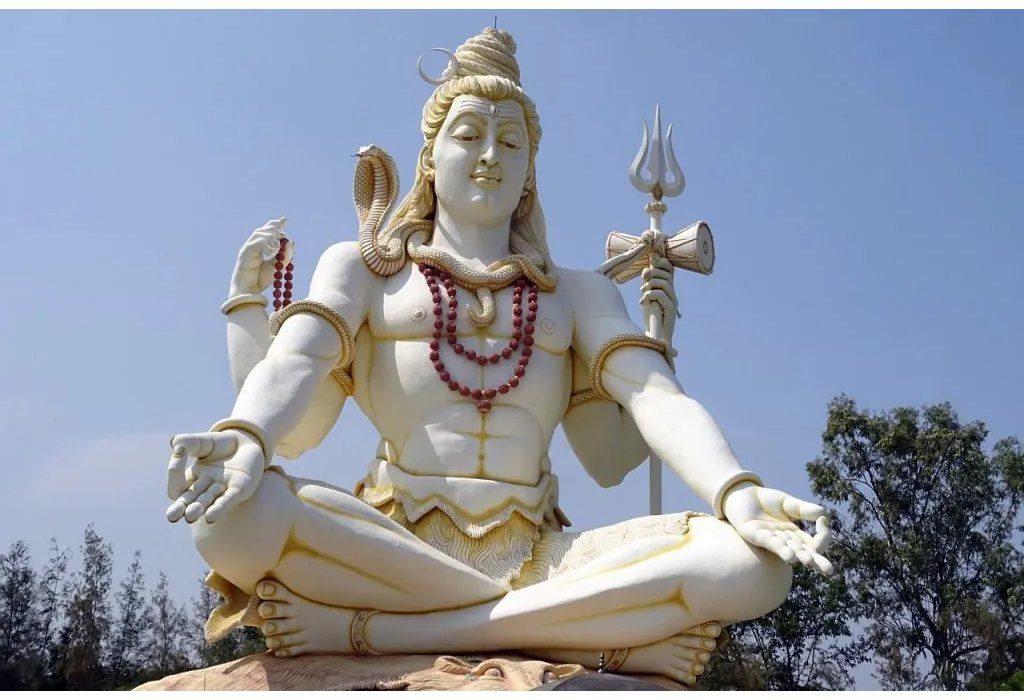
Lord Shiva Aarti | शिव जी की आरती | om jai shiv Omkara lyrics
शिव जी की आरती

जय शिव ओंकारा ॐ जय शिव ओंकारा।
ब्रह्मा विष्णु सदा शिव अर्द्धांगी धारा ॥ ॐ जय शिव…॥

एकानन चतुरानन पंचानन राजे।
हंसानन गरुड़ासन वृषवाहन साजे ॥ ॐ जय शिव…॥

दो भुज चार चतुर्भुज दस भुज अति सोहे।
त्रिगुण रूपनिरखता त्रिभुवन जन मोहे ॥ ॐ जय शिव…॥

अक्षमाला बनमाला रुण्डमाला धारी।
चंदन मृगमद सोहै भाले शशिधारी ॥ ॐ जय शिव…॥

श्वेताम्बर पीताम्बर बाघम्बर अंगे।
सनकादिक गरुणादिक भूतादिक संगे ॥ ॐ जय शिव…॥

कर के मध्य कमंडलु चक्र त्रिशूल धर्ता।
जगकर्ता जगभर्ता जगसंहारकर्ता ॥ ॐ जय शिव…॥

ब्रह्मा विष्णु सदाशिव जानत अविवेका।
प्रणवाक्षर मध्ये ये तीनों एका ॥ ॐ जय शिव…॥

काशी में विश्वनाथ विराजत नन्दी ब्रह्मचारी।
नित उठि भोग लगावत महिमा अति भारी ॥ ॐ जय शिव…॥

त्रिगुण शिवजीकी आरती जो कोई नर गावे।
कहत शिवानन्द स्वामी मनवांछित फल पावे ॥ ॐ जय शिव…॥

Lord Shiva Aarti In English

Om jai Shiv Omkara, Om jai Shiv Omkara|
Bhramha, Vishnu, Sdashiva, adaghi dhara|| Om Jai…

Ekanana, chaturanna, panchana raje|
hansanan, gharurasna, vrishvahan saje|| Om Jai…

Do bhuj char chatur bhuj, das bhuj ati sohe|
teeno rupa nirakhta, trivuban jaan mohe|| Om Jai…

Akshamala vana-mala, rudra-mala dhari|
chandan mirga maad sohe, bhole shubh kari|| Om Jai…

Shwetambar, pitambar, bhagambar ange|
sankadik, bhramhadik, bhootadik sanghee| Om jai…

Kar Men Madhya Kamandalu Chakra Trishool dharta|
Jagkarta Dukha harta, Jag Palankarta|| Om Jai…

Brahma, Vishnu, Sadashiv, Janat Aviveka|
Pranvakshar Ke Madhye, Yah Tinon Eka|| Om Jai…

Trigun Swamiji Ki Aarti Jo Koi Nar Gave|
Kahat Shivanand Swami, Manvanchhit Phal Pave|| Om Jai…


Lord Shiva Aarti Translation In English

Glory to you, O Shiva! Glory to you, O Omkaara!
May Brahma, Vishnu and the assembly of other gods, including the great Lord Shiva, relieve me of my afflictions!

Glory to you, O Shiva! Glory to you, O Omkaara!
Being the Absolute, True being, Consciousness and Bliss, you play the roles of all the three Gods (Brahma, Vishnu and shiva). As Vishnu, you have but one face, as Brahma four and as Shiva five. They gladden the sight of all who behold them.

As Brahma you prefer the back of the swan for your seat, as Vishnu you like to ensconce yourself on the back of Garuda (A large mythological eagle – like bird believed to be the vehicle of Lord Vishnu) and as Shiva you make the sacred bull your conveyance; all these stand ready.

Glory to you, O Shiva! Glory to you, O Omkaara!
As Brahma, you possess two arms, as Vishnu four and as Shiva (Dashabaahu) ten, all of which look matchlessly lovely. No sooner do the inhabitants of the three spheres behold you than they are all enchanted.

Glory to you, O Shiva! Glory to you, O Omkaara!
You are, O great Lord Omkaara, wearing a garland of Rudraaksha, another of forest flowers the third of skulls; Your orehead, glistening in the moonlight which it holds, is smeared with sandal-paste and musk.

Glory to you, O Shiva! Glory to you, O Omkaara!
O great Lord Omkaara, your body is attired in white and yellow silken clothes and in tiger skin, While in your company are troops of goblins, gods like Brahma and divine seers like Sanaka.

Glory to you, O Shiva! Glory to you, O Omkaara!
O great Lord Omkaara, you hold akamandalu (the mendicants water-jar) in one of your hands and in another a trident; You bring joy to all, destroy all distress and sustain the whole world.

Glory to you, O Shiva! Glory to you, O Omkaara!
The ignorant know Brahma, Vishnu and Shiva as three individual gods, But they are all indistinguishably fused into a single mystic syllable ‘OM’.

Glory to you, O Shiva! Glory to you, O Omkaara!
Says Swami Shivananda, “He who recites this Arti to the Lord of the three gunas-sattva, rajas and tamas Attains fulfillment of his heart’s desire”.

O great Lord Omkaara, may you rid me of my afflictions.
Glory to you, O Shiva! Glory to you, O Omkaara!

Names of Lord Hanuman | Shree Hanuman Sahasranamam


NO.  


      Name


Translation

1 ॐ हनुमते नमः। Om Hanumate Namah।
2 ॐ श्रीप्रदाय नमः। Om Shripradaya Namah।
3 ॐ वायुपुत्राय नमः। Om Vayuputraya Namah।
4 ॐ रुद्राय नमः। Om Rudraya Namah।
5 ॐ अनघाय नमः। Om Anaghaya Namah।
6 ॐ अजराय नमः। Om Ajaraya Namah।
7 ॐ अमृत्यवे नमः। Om Amrityave Namah।
8 ॐ वीरवीराय नमः। Om Viraviraya Namah।
9 ॐ ग्रामवासाय नमः। Om Gramavasaya Namah।
10 ॐ जनाश्रयाय नमः। Om Janashrayaya Namah।
11 ॐ धनदाय नमः। Om Dhanadaya Namah।
12 ॐ निर्गुणाय नमः। Om Nirgunaya Namah।
13 ॐ अकायाय नमः। Om Akayaya Namah।
14 ॐ वीराय नमः। Om Viraya Namah।
15 ॐ निधिपतये नमः। Om Nidhipataye Namah।
16 ॐ मुनये नमः। Om Munaye Namah।
17 ॐ पिङ्गालक्षाय नमः। Om Pingalakshaya Namah।
18 ॐ वरदाय नमः। Om Varadaya Namah।
19 ॐ वाग्मिने नमः। Om Vagmine Namah।
20 ॐ सीताशोकविनाशनाय नमः। Om Sitashokavinashanaya Namah।
21 ॐ शिवाय नमः। Om Shivaya Namah।
22 ॐ सर्वस्मै नमः। Om Sarvasmai Namah।
23 ॐ परस्मै नमः। Om Parasmai Namah।
24 ॐ अव्यक्ताय नमः। Om Avyaktaya Namah।
25 ॐ व्यक्ताव्यक्ताय नमः। Om Vyaktavyaktaya Namah।
26 ॐ रसाधराय नमः। Om Rasadharaya Namah।
27 ॐ पिङ्गकेशाय नमः। Om Pingakeshaya Namah।
28 ॐ पिङ्गरोम्णे नमः। Om Pingaromne Namah।
29 ॐ श्रुतिगम्याय नमः। Om Shrutigamyaya Namah।
30 ॐ सनातनाय नमः। Om Sanatanaya Namah।
31 ॐ अनादये नमः। Om Anadaye Namah।
32 ॐ भगवते नमः। Om Bhagawate Namah।
33 ॐ देवाय नमः। Om Devaya Namah।
34 ॐ विश्वहेतवे नमः। Om Vishvahetave Namah।
35 ॐ निरामयाय नमः। Om Niramayaya Namah।
36 ॐ आरोग्यकर्त्रे नमः। Om Arogyakartre Namah।
37 ॐ विश्वेशाय नमः। Om Vishveshaya Namah।
38 ॐ विश्वनाथाय नमः। Om Vishvanathaya Namah।
39 ॐ हरीश्वराय नमः। Om Harishwaraya Namah।
40 ॐ भर्गाय नमः। Om Bhargaya Namah।
41 ॐ रामाय नमः। Om Ramaya Namah।
42 ॐ रामभक्ताय नमः। Om Ramabhaktaya Namah।
43 ॐ कल्याणप्रकृतये नमः। Om Kalyanaprakritaye Namah।
44 ॐ स्थिराय नमः। Om Sthiraya Namah।
45 ॐ विश्वम्भराय नमः। Om Vishvambharaya Namah।
46 ॐ विश्वमूर्तये नमः। Om Vishvamurtaye Namah।
47 ॐ विश्वाकाराय नमः। Om Vishvakaraya Namah।
48 ॐ विश्वपाय नमः। Om Vishvapaya Namah।
49 ॐ विश्वात्मने नमः। Om Vishvatmane Namah।
50 ॐ विश्वसेव्याय नमः। Om Vishvasevyaya Namah।
51 ॐ विश्वस्मै नमः। Om Vishvasmai Namah।
52 ॐ विश्वहराय नमः। Om Vishvaharaya Namah।
53 ॐ रवये नमः। Om Ravaye Namah।
54 ॐ विश्वचेष्टाय नमः। Om Vishvacheshtaya Namah।
55 ॐ विश्वगम्याय नमः। Om Vishvagamyaya Namah।
56 ॐ विश्वध्येयाय नमः। Om Vishvadhyeyaya Namah।
57 ॐ कलाधराय नमः। Om Kaladharaya Namah।
58 ॐ प्लवङ्गमाय नमः। Om Plavangamaya Namah।
59 ॐ कपिश्रेष्ठाय नमः। Om Kapishreshthaya Namah।
60 ॐ ज्येष्ठाय नमः। Om Jyeshthaya Namah।
61 ॐ वैद्याय नमः। Om Vaidyaya Namah।
62 ॐ वनेचराय नमः। Om Vanecharaya Namah।
63 ॐ बालाय नमः। Om Balaya Namah।
64 ॐ वृद्धाय नमः। Om Vriddhaya Namah।
65 ॐ यूने नमः। Om Yune Namah।
66 ॐ तत्त्वाय नमः। Om Tattvaya Namah।
67 ॐ तत्त्वगम्याय नमः। Om Tattvagamyaya Namah।
68 ॐ सख्ये नमः। Om Sakhye Namah।
69 ॐ अजाय नमः। Om Ajaya Namah।
70 ॐ अञ्जनासूनवे नमः। Om Anjanasunave Namah।
71 ॐ अव्यग्राय नमः। Om Avyagraya Namah।
72 ॐ ग्रामख्याताय नमः। Om Gramakhyataya Namah।
73 ॐ धराधराय नमः। Om Dharadharaya Namah।
74 ॐ भूर्लोकाय नमः। Om Bhurlokaya Namah।
75 ॐ भुवर्लोकाय नमः। Om Bhuvarlokaya Namah।
76 ॐ स्वर्लोकाय नमः। Om Swarlokaya Namah।
77 ॐ महर्लोकाय नमः। Om Maharlokaya Namah।
78 ॐ जनलोकाय नमः। Om Janalokaya Namah।
79 ॐ तपोलोकाय नमः। Om Tapolokaya Namah।
80 ॐ अव्ययाय नमः। Om Avyayaya Namah।
81 ॐ सत्याय नमः। Om Satyaya Namah।
82 ॐ ओंकारगम्याय नमः। Om Omkaragamyaya Namah।
83 ॐ प्रणवाय नमः। Om Pranavaya Namah।
84 ॐ व्यापकाय नमः। Om Vyapakaya Namah।
85 ॐ अमलाय नमः। Om Amalaya Namah।
86 ॐ शिवधर्मप्रतिष्ठात्रे नमः। Om Shivadharmapratishthatre Namah।
87 ॐ रामेष्टाय नमः। Om Rameshtaya Namah।
88 ॐ फाल्गुनप्रियाय नमः। Om Phalgunapriyaya Namah।
89 ॐ गोष्पदीकृतवारीशाय नमः। Om Goshpadikritavarishaya Namah।
90 ॐ पूर्णकामाय नमः। Om Purnakamaya Namah।
91 ॐ धरापतये नमः। Om Dharapataye Namah।
92 ॐ रक्षोघ्नाय नमः। Om Rakshoghnaya Namah।
93 ॐ पुण्डरीकाक्षाय नमः। Om Pundarikakshaya Namah।
94 ॐ शरणागतवत्सलाय नमः। Om Sharanagatavatsalaya Namah।
95 ॐ जानकीप्राणदात्रे नमः। Om Janakipranadatre Namah।
96 ॐ रक्षःप्राणापहारकाय नमः। Om Rakshahpranapaharakaya Namah।
97 ॐ पूर्णाय नमः। Om Purnaya Namah।
98 ॐ सत्यायः नमः। Om Satyaya Namah।
99 ॐ पीतवाससे नमः। Om Pitavasase Namah।
100 ॐ दिवाकरसमप्रभाय नमः। Om Diwakarasamaprabhaya Namah।
101 ॐ देवोद्यानविहारिणे नमः। Om Devodyanaviharine Namah।
102 ॐ देवताभयभञ्जनाय नमः। Om Devatabhayabhanjanaya Namah।
103 ॐ भक्तोदयाय नमः। Om Bhaktodayaya Namah।
104 ॐ भक्तलब्धाय नमः। Om Bhaktalabdhaya Namah।
105 ॐ भक्तपालनतत्पराय नमः। Om Bhaktapalanatatparaya Namah।
106 ॐ द्रोणहर्त्रे नमः। Om Dronahartre Namah।
107 ॐ शक्तिनेत्रे नमः। Om Shaktinetre Namah।
108 ॐ शक्तिराक्षसमारकाय नमः। Om Shaktirakshasamarakaya Namah।
109 ॐ अक्षघ्नाय नमः। Om Akshaghnaya Namah।
110 ॐ रामदूताय नमः। Om Ramadutaya Namah।
111 ॐ शाकिनीजीवहारकाय नमः। Om Shakinijivaharakaya Namah।
112 ॐ बुबुकारहतारातये नमः। Om Bubukarahatarataye Namah।
113 ॐ गर्वपर्वतप्रमर्दनाय नमः। Om Garvaparvatamardanaya Namah।
114 ॐ हेतवे नमः। Om Hetave Namah।
115 ॐ अहेतवे नमः। Om Ahetave Namah।
116 ॐ प्रांशवे नमः। Om Pranshave Namah।
117 ॐ विश्वभर्त्रे नमः। Om Vishvabhartre Namah।
118 ॐ जगद्गुरवे नमः। Om Jagadgurave Namah।
119 ॐ जगन्नेत्रे नमः। Om Jagannetre Namah।
120 ॐ जगन्नाथाय नमः। Om Jagannathaya Namah।
121 ॐ जगदीशाय नमः। Om Jagadishaya Namah।
122 ॐ जनेश्वराय नमः। Om Janeshwaraya Namah।
123 ॐ जगद्धिताय नमः। Om Jagaddhitaya Namah।
124 ॐ हरये नमः। Om Haraye Namah।
125 ॐ श्रीशाय नमः। Om Shrishaya Namah।
126 ॐ गरुडस्मयभञ्जनाय नमः। Om Garudasmayabhanjanaya Namah।
127 ॐ पार्थध्वजाय नमः। Om Parthadhwajaya Namah।
128 ॐ वायुपुत्राय नमः। Om Vayuputraya Namah।
129 ॐ अमितपुच्छाय नमः। Om Amitapuchchhaya Namah।
130 ॐ अमितविक्रमाय नमः। Om Amitavikramaya Namah।
131 ॐ ब्रह्मपुच्छाय नमः। Om Brahmapuchchhaya Namah।
132 ॐ परब्रह्मपुच्छाय नमः। Om Parabrahmapuchchhaya Namah।
133 ॐ रामेष्टकारकाय नमः। Om Rameshtakarakaya Namah।
134 ॐ सुग्रीवादियुताय नमः। Om Sugrivadiyutaya Namah।
135 ॐ ज्ञानिने नमः। Om Jnanine Namah।
136 ॐ वानराय नमः। Om Vanaraya Namah।
137 ॐ वानरेश्वराय नमः। Om Vanareshvaraya Namah।
138 ॐ कल्पस्थायिने नमः। Om Kalpasthayine Namah।
139 ॐ चिरञ्जीविने नमः। Om Chiranjivine Namah।
140 ॐ तपनाय नमः। Om Tapanaya Namah।
141 ॐ सदाशिवाय नमः। Om Sadashivaya Namah।
142 ॐ सन्नतये नमः। Om Sannataye Namah।
143 ॐ सद्गतये नमः। Om Sadgataye Namah।
144 ॐ भुक्तिमुक्तिदाय नमः। Om Bhuktimuktidaya Namah।
145 ॐ कीर्तिदायकाय नमः। Om Kirtidayakaya Namah।
146 ॐ कीर्तये नमः। Om Kirtaye Namah।
147 ॐ कीर्तिप्रदाय नमः। Om Kirtipradaya Namah।
148 ॐ समुद्राय नमः। Om Samudraya Namah।
149 ॐ श्रीप्रदाय नमः। Om Shripradaya Namah।
150 ॐ शिवाय नमः। Om Shivaya Namah।
151 ॐ भक्तोदयाय नमः। Om Bhaktodayaya Namah।
152 ॐ भक्तगम्याय नमः। Om Bhaktagamyaya Namah।
153 ॐ भक्तभाग्यप्रदायकाय नमः। Om Bhaktabhagyapradayakaya Namah।
154 ॐ उदधिक्रमणाय नमः। Om Udadhikramanaya Namah।
155 ॐ देवाय नमः। Om Devaya Namah।
156 ॐ संसारभयनाशनाय नमः। Om Samsarabhayanashanaya Namah।
157 ॐ वार्धिबन्धनकृते नमः। Om Vardhibandhanakrite Namah।
158 ॐ विश्वजेत्रे नमः। Om Vishvajetre Namah।
159 ॐ विश्वप्रतिष्ठिताय नमः। Om Vishvapratishthitaya Namah।
160 ॐ लङ्कारये नमः। Om Lankaraye Namah।
161 ॐ कालपुरुषाय नमः। Om Kalapurushaya Namah।
162 ॐ लङ्केशगृहभञ्जनाय नमः। Om Lankeshagrihabhanjanaya Namah।
163 ॐ भूतावासाय नमः। Om Bhutavasaya Namah।
164 ॐ वासुदेवाय नमः। Om Vasudevaya Namah।
165 ॐ वसवे नमः। Om Vasave Namah।
166 ॐ त्रिभुवनेश्वराय नमः। Om Tribhuvaneshwaraya Namah।
167 ॐ श्रीरामरूपाय नमः। Om Shriramarupaya Namah।
168 ॐ कृष्णाय नमः। Om Krishnaya Namah।
169 ॐ लङ्काप्रासादभञ्जकाय नमः। Om Lankaprasadabhanjakaya Namah।
170 ॐ कृष्णाय नमः। Om Krishnaya Namah।
171 ॐ कृष्णस्तुताय नमः। Om Krishnastutaya Namah।
172 ॐ शान्ताय नमः। Om Shantaya Namah।
173 ॐ शान्तिदाय नमः। Om Shantidaya Namah।
174 ॐ विश्वपावनाय नमः। Om Vishvapavanaya Namah।
175 ॐ विश्वभोक्त्रे नमः। Om Vishvabhoktre Namah।
176 ॐ मारघ्नाय नमः। Om Maraghnaya Namah।
177 ॐ ब्रह्मचारिणे नमः। Om Brahmacharine Namah।
178 ॐ जितेन्द्रियाय नमः। Om Jitendriyaya Namah।
179 ॐ ऊर्ध्वगाय नमः। Om Urdhvagaya Namah।
180 ॐ लाङ्गुलिने नमः। Om Languline Namah।
181 ॐ मालिने नमः। Om Maline Namah।
182 ॐ लाङ्गूलाहतराक्षसाय नमः। Om Langulahatarakshasaya Namah।
183 ॐ समीरतनुजाय नमः। Om Samiratanujaya Namah।
184 ॐ वीराय नमः। Om Viraya Namah।
185 ॐ वीरताराय नमः। Om Virataraya Namah।
186 ॐ जयप्रदाय नमः। Om Jayapradaya Namah।
187 ॐ जगन्मङ्गलदाय नमः। Om Jaganmangaladaya Namah।
188 ॐ पुण्याय नमः। Om Punyaya Namah।
189 ॐ पुण्यश्रवणकीर्तनाय नमः। Om Punyashravanakirtanaya Namah।
190 ॐ पुण्यकीर्तये नमः। Om Punyakirtaye Namah।
191 ॐ पुण्यगतये नमः। Om Punyagataye Namah।
192 ॐ जगत्पावनापावनाय नमः। Om Jagatpavanapavanaya Namah।
193 ॐ देवेशाय नमः। Om Deveshaya Namah।
194 ॐ जितमाराय नमः। Om Jitamaraya Namah।
195 ॐ रामभक्तिविधायकाय नमः। Om Ramabhaktividhayakaya Namah।
196 ॐ ध्यात्रे नमः। Om Dhyatre Namah।
197 ॐ ध्येयाय नमः। Om Dhyeyaya Namah।
198 ॐ लयाय नमः। Om Layaya Namah।
199 ॐ साक्षिणे नमः। Om Sakshine Namah।
200 ॐ चेतसे नमः। Om Chetase Namah।
201 ॐ चैतन्यविग्रहाय नमः। Om Chaitanyavigrahaya Namah।
202 ॐ ज्ञानदाय नमः। Om Jnanadaya Namah।
203 ॐ प्राणदाय नमः। Om Pranadaya Namah।
204 ॐ प्राणाय नमः। Om Pranaya Namah।
205 ॐ जगत्प्राणाय नमः। Om Jagatpranaya Namah।
206 ॐ समीरणाय नमः। Om Samiranaya Namah।
207 ॐ विभीषणप्रियाय नमः। Om Vibhishanapriyaya Namah।
208 ॐ शूराय नमः। Om Shuraya Namah।
209 ॐ पिप्पलाश्रयसिद्धिदाय नमः। Om Pippalashrayasiddhidaya Namah।
210 ॐ सिद्धाय नमः। Om Siddhaya Namah।
211 ॐ सिद्धाश्रयाय नमः। Om Siddhashrayaya Namah।
212 ॐ कालाय नमः। Om Kalaya Namah।
213 ॐ महोक्षाय नमः। Om Mahokshaya Namah।
214 ॐ कालाजान्तकाय नमः। Om Kalajantakaya Namah।
215 ॐ लङ्केशनिधनाय नमः। Om Lankeshanidhanaya Namah।
216 ॐ स्थायिने नमः। Om Sthayine Namah।
217 ॐ लङ्कादाहकाय नमः। Om Lankadahakaya Namah।
218 ॐ ईश्वराय नमः। Om Ishwaraya Namah।
219 ॐ चन्द्रसूर्याग्निनेत्राय नमः। Om Chandrasuryagninetraya Namah।
220 ॐ कालाग्नये नमः। Om Kalagnaye Namah।
221 ॐ प्रलयान्तकाय नमः। Om Pralayantakaya Namah।
222 ॐ कपिलाय नमः। Om Kapilaya Namah।
223 ॐ कपिशाय नमः। Om Kapishaya Namah।
224 ॐ पुण्यराशये नमः। Om Punyarashaye Namah।
225 ॐ द्वादशराशिगाय नमः। Om Dwadasharashigaya Namah।
226 ॐ सर्वाश्रयाय नमः। Om Sarvashrayaya Namah।
227 ॐ अप्रमेयात्मने नमः। Om Aprameyatmane Namah।
228 ॐ रेवत्यादिनिवारकाय नमः। Om Revatyadinivarakaya Namah।
229 ॐ लक्ष्मणप्राणदात्रे नमः। Om Lakshamanapranadatre Namah।
230 ॐ सीताजीवनहेतुकाय नमः। Om Sitajivanahetukaya Namah।
231 ॐ रामध्येयाय नमः। Om Ramadhyeyaya Namah।
232 ॐ हृषिकेशाय नमः। Om Hrishikeshaya Namah।
233 ॐ विष्णुभक्ताय नमः। Om Vishnubhaktaya Namah।
234 ॐ जटिने नमः। Om Jatine Namah।
235 ॐ बलिने नमः। Om Baline Namah।
236 ॐ देवारिदर्पघ्ने नमः। Om Devaridarpaghne Namah।
237 ॐ होत्रे नमः। Om Hotre Namah।
238 ॐ धात्रे नमः। Om Dhatre Namah।
239 ॐ कर्त्रे नमः। Om Kartre Namah।
240 ॐ जगत्प्रभवे नमः। Om Jagatprabhave Namah।
241 ॐ नगरग्रामपालाय नमः। Om Nagaragramapalaya Namah।
242 ॐ शुद्धाय नमः। Om Shuddhaya Namah।
243 ॐ बुद्धाय नमः। Om Buddhaya Namah।
244 ॐ निरत्रपाय नमः। Om Niratrapaya Namah।
245 ॐ निरञ्जनाय नमः। Om Niranjanaya Namah।
246 ॐ निर्विकल्पाय नमः। Om Nirvikalpaya Namah।
247 ॐ गुणातीताय नमः। Om Gunatitaya Namah।
248 ॐ भयङ्कराय नमः। Om Bhayankaraya Namah।
249 ॐ हनुमते नमः। Om Hanumate Namah।
250 ॐ दुराराध्याय नमः। Om Duraradhyaya Namah।
251 ॐ तपःसाध्याय नमः। Om Tapahsadhyaya Namah।
252 ॐ महेश्वराय नमः। Om Maheshwaraya Namah।
253 ॐ जानकीधनशोकोत्थतापहर्त्रे नमः। Om Janakidhanashokotthatapahartre Namah।
254 ॐ परात्परस्मै नमः। Om Paratparasmai Namah।
255 ॐ वाङ्मयाय नमः। Om Vanmayaya Namah।
256 ॐ सदसद्रूपाय नमः। Om Sadasadrupaya Namah।
257 ॐ कारणाय नमः। Om Karanaya Namah।
258 ॐ प्रकृतेः परस्मै नमः। Om Prakriteh Parasmai Namah।
259 ॐ भाग्यदाय नमः। Om Bhagyadaya Namah।
260 ॐ निर्मलाय नमः। Om Nirmalaya Namah।
261 ॐ नेत्रे नमः। Om Netre Namah।
262 ॐ पुच्छलङ्काविदाहकाय नमः। Om Puchchhalankavidahakaya Namah।
263 ॐ पुच्छबद्धयातुधानाय नमः। Om Puchchhabaddhayatudhanaya Namah।
264 ॐ यातुधानरिपुप्रियाय नमः। Om Yatudhanaripupriyaya Namah।
265 ॐ छायापहारिणे नमः। Om Chhayapaharine Namah।
266 ॐ भूतेशाय नमः। Om Bhuteshaya Namah।
267 ॐ लोकेशाय नमः। Om Lokeshaya Namah।
268 ॐ सद्गतिप्रदाय नमः। Om Sadgatipradaya Namah।
269 ॐ प्लवङ्गमेश्वराय नमः। Om Plavangameshwaraya Namah।
270 ॐ क्रोधाय नमः। Om Krodhaya Namah।
271 ॐ क्रोधसंरक्तलोचनाय नमः। Om Krodhasanraktalochanaya Namah।
272 ॐ सौम्याय नमः। Om Saumyaya Namah।
273 ॐ गुरवे नमः। Om Gurave Namah।
274 ॐ काव्यकर्त्रे नमः। Om Kavyakartre Namah।
275 ॐ भक्तानां वरप्रदाय नमः। Om Bhaktanam Varapradaya Namah।
276 ॐ भक्तानुकम्पिने नमः। Om Bhaktanukampine Namah।
277 ॐ विश्वेशाय नमः। Om Vishveshaya Namah।
278 ॐ पुरुहूताय नमः। Om Puruhutaya Namah।
279 ॐ पुरन्दराय नमः। Om Purandaraya Namah।
280 ॐ क्रोधहर्त्रे नमः। Om Krodhahartre Namah।
281 ॐ तमोहर्त्रे नमः। Om Tamohartre Namah।
282 ॐ भक्ताभयवरप्रदाय नमः। Om Bhaktabhayavarapradaya Namah।
283 ॐ अग्नये नमः। Om Agnaye Namah।
284 ॐ विभावसवे नमः। Om Vibhavasave Namah।
285 ॐ भास्वते नमः। Om Bhaswate Namah।
286 ॐ यमाय नमः। Om Yamaya Namah।
287 ॐ निर्ॠतये नमः। Om Nirritaye Namah।
288 ॐ वरुणाय नमः। Om Varunaya Namah।
289 ॐ वायुगतिमते नमः। Om Vayugatimate Namah।
290 ॐ वायवे नमः। Om Vayave Namah।
291 ॐ कौबेराय नमः। Om Kauberaya Namah।
292 ॐ ईश्वराय नमः। Om Ishwaraya Namah।
293 ॐ रवये नमः। Om Ravaye Namah।
294 ॐ चन्द्राय नमः। Om Chandraya Namah।
295 ॐ कुजाय नमः। Om Kujaya Namah।
296 ॐ सौम्याय नमः। Om Saumyaya Namah।
297 ॐ गुरवे नमः। Om Gurave Namah।
298 ॐ काव्याय नमः। Om Kavyaya Namah।
299 ॐ शनैश्चराय नमः। Om Shanaishcharaya Namah।
300 ॐ राहवे नमः। Om Rahave Namah।
301 ॐ केतवे नमः। Om Ketave Namah।
302 ॐ मरुते नमः। Om Marute Namah।
303 ॐ होत्रे नमः। Om Hotre Namah।
304 ॐ दात्रे नमः। Om Datre Namah।
305 ॐ हर्त्रे नमः। Om Hartre Namah।
306 ॐ समीरजाय नमः। Om Samirajaya Namah।
307 ॐ मशकीकृतदेवारये नमः। Om Mashakikritadevaraye Namah।
308 ॐ दैत्यारये नमः। Om Daityaraye Namah।
309 ॐ मधुसूदनाय नमः। Om Madhusudanaya Namah।
310 ॐ कामाय नमः। Om Kamaya Namah।
311 ॐ कपये नमः। Om Kapaye Namah।
312 ॐ कामपालाय नमः। Om Kamapalaya Namah।
313 ॐ कपिलाय नमः। Om Kapilaya Namah।
314 ॐ विश्वजीवनाय नमः। Om Vishvajivanaya Namah।
315 ॐ भागीरथीपदाम्भोजाय नमः। Om Bhagirathipadambhojaya Namah।
316 ॐ सेतुबन्धविशारदाय नमः। Om Setubandhavisharadaya Namah।
317 ॐ स्वाहायै नमः। Om Swahayai Namah।
318 ॐ स्वधायै नमः। Om Swadhayai Namah।
319 ॐ हविषे नमः। Om Havishe Namah।
320 ॐ कव्याय नमः। Om Kavyaya Namah।
321 ॐ हव्यवाहप्रकाशकाय नमः। Om Havyavahaprakashakaya Namah।
322 ॐ स्वप्रकाशाय नमः। Om Swaprakashaya Namah।
323 ॐ महावीराय नमः। Om Mahaviraya Namah।
324 ॐ लघवे नमः। Om Laghave Namah।
325 ॐ ऊर्जितविक्रमाय नमः। Om Urjitavikramaya Namah।
326 ॐ उड्डीनोड्डीनगतिमते नमः। Om Uddinoddinagatimate Namah।
327 ॐ सद्गतये नमः। Om Sadgataye Namah।
328 ॐ पुरुषोत्तमाय नमः। Om Purushottamaya Namah।
329 ॐ जगदात्मने नमः। Om Jagadatmane Namah।
330 ॐ जगद्योनये नमः। Om Jagadyonaye Namah।
331 ॐ जगदन्ताय नमः। Om Jagadantaya Namah।
332 ॐ अनन्तकाय नमः। Om Anantakaya Namah।
333 ॐ विपाप्मने नमः। Om Vipapmane Namah।
334 ॐ निष्कलङ्काय नमः। Om Nishkalankaya Namah।
335 ॐ महते नमः। Om Mahate Namah।
336 ॐ महदहङ्कृतये नमः। Om Mahadahankritaye Namah।
337 ॐ खाय नमः। Om Khaya Namah।
338 ॐ वायवे नमः। Om Vayave Namah।
339 ॐ पृथिव्यै नमः। Om Prithivyai Namah।
340 ॐ अद्भ्यो नमः। Om Adbhyo Namah।
341 ॐ वह्नये नमः। Om Vahnaye Namah।
342 ॐ दिक्पालाय नमः। Om Dikpalaya Namah।
343 ॐ क्षेत्रज्ञाय नमः। Om Kshetrajnaya Namah।
344 ॐ क्षेत्रहर्त्रे नमः। Om Kshetrahartre Namah।
345 ॐ पल्वलीकृतसागराय नमः। Om Palvalikritasagaraya Namah।
346 ॐ हिरण्मयाय नमः। Om Hiranmayaya Namah।
347 ॐ पुराणाय नमः। Om Puranaya Namah।
348 ॐ खेचराय नमः। Om Khecharaya Namah।
349 ॐ भूचराय नमः। Om Bhucharaya Namah।
350 ॐ अमराय नमः। Om Amaraya Namah।
351 ॐ हिरण्यगर्भाय नमः। Om Hiranyagarbhaya Namah।
352 ॐ सूत्रात्मने नमः। Om Sutratmane Namah।
353 ॐ राजराजाय नमः। Om Rajarajaya Namah।
354 ॐ विशाम्पतये नमः। Om Vishampataye Namah।
355 ॐ वेदान्तवेद्याय नमः। Om Vedantavedyaya Namah।
356 ॐ उद्गीथाय नमः। Om Udgithaya Namah।
357 ॐ वेदवेदाङ्गपारगाय नमः। Om Vedavedangaparagaya Namah।
358 ॐ प्रतिग्रामस्थितये नमः। Om Pratigramasthitaye Namah।
359 ॐ सद्यः स्फूर्तिदात्रे नमः। Om Sadyah Sphurtidatre Namah।
360 ॐ गुणाकराय नमः। Om Gunakaraya Namah।
361 ॐ नक्षत्रमालिने नमः। Om Nakshatramaline Namah।
362 ॐ भूतात्मने नमः। Om Bhutatmane Namah।
363 ॐ सुरभये नमः। Om Surabhaye Namah।
364 ॐ कल्पपादपाय नमः। Om Kalpapadapaya Namah।
365 ॐ चिन्तामणये नमः। Om Chintamanaye Namah।
366 ॐ गुणनिधये नमः। Om Gunanidhaye Namah।
367 ॐ प्रजाधाराय नमः। Om Prajadharaya Namah।
368 ॐ अनुत्तमाय नमः। Om Anuttamaya Namah।
369 ॐ पुण्यश्लोकाय नमः। Om Punyashlokaya Namah।
370 ॐ पुरारातये नमः। Om Purarataye Namah।
371 ॐ ज्योतिष्मते नमः। Om Jyotishmate Namah।
372 ॐ शर्वरीपतये नमः। Om Sharvaripataye Namah।
373 ॐ किल्किलारावसन्त्रस्तभूतप्रेतपिशाचकाय नमः। Om Kilkilaravasantrastabhutapretapishachakaya Namah।
374 ॐ ऋणत्रयहराय नमः। Om Rinatrayaharaya Namah।
375 ॐ सूक्ष्माय नमः। Om Sukshmaya Namah।
376 ॐ स्थूलाय नमः। Om Sthulaya Namah।
377 ॐ सर्वगतये नमः। Om Sarvagataye Namah।
378 ॐ पुंसे नमः। Om Pumse Namah।
379 ॐ अपस्मारहराय नमः। Om Apasmaraharaya Namah।
380 ॐ स्मर्त्रे नमः। Om Smartre Namah।
381 ॐ श्रुतये नमः। Om Shrutaye Namah।
382 ॐ गाथायै नमः। Om Gathayai Namah।
383 ॐ स्मृतये नमः। Om Smritaye Namah।
384 ॐ मनवे नमः। Om Manave Namah।
385 ॐ स्वर्गद्वाराय नमः। Om Swargadwaraya Namah।
386 ॐ प्रजाद्वाराय नमः। Om Prajadwaraya Namah।
387 ॐ मोक्षद्वाराय नमः। Om Mokshadwaraya Namah।
388 ॐ यतीश्वराय नमः। Om Yatishwaraya Namah।
389 ॐ नादरूपायx नमः। Om Nadarupaya Namah।
390 ॐ परस्मै ब्रह्मणे नमः। Om Parasmai Brahmane Namah।
391 ॐ ब्रह्मणे नमः। Om Brahmane Namah।
392 ॐ ब्रह्मपुरातनाय नमः। Om Brahmapuratanaya Namah।
393 ॐ एकस्मै नमः। Om Ekasmai Namah।
394 ॐ अनेकाय नमः। Om Anekaya Namah।
395 ॐ जनाय नमः। Om Janaya Namah।
396 ॐ शुक्लाय नमः। Om Shuklaya Namah।
397 ॐ स्वयंज्योतिषे नमः। Om Swayamjyotishe Namah।
398 ॐ अनाकुलाय नमः। Om Anakulaya Namah।
399 ॐ ज्योतिर्ज्योतिषे नमः। Om Jyotirjyotishe Namah।
400 ॐ अनादये नमः। Om Anadaye Namah।
401 ॐ सात्त्विकाय नमः। Om Sattvikaya Namah।
402 ॐ राजसाय नमः। Om Rajasaya Namah।
403 ॐ तमाय नमः। Om Tamaya Namah।
404 ॐ तमोहर्त्रे नमः। Om Tamohartre Namah।
405 ॐ निरालम्बाय नमः। Om Niralambaya Namah।
406 ॐ निराकाराय नमः। Om Nirakaraya Namah।
407 ॐ गुणाकराय नमः। Om Gunakaraya Namah।
408 ॐ गुणाश्रयाय नमः। Om Gunashrayaya Namah।
409 ॐ गुणमयाय नमः। Om Gunamayaya Namah।
410 ॐ बृहत्कर्मणे नमः। Om Brihatkarmane Namah।
411 ॐ बृहद्यशसे नमः। Om Brihadyashase Namah।
412 ॐ बृहद्धनवे नमः। Om Brihaddhanave Namah।
413 ॐ बृहत्पादाय नमः। Om Brihatpadaya Namah।
414 ॐ बृहन्मूर्ध्ने नमः। Om Brihanmurdhne Namah।
415 ॐ बृहत्स्वनाय नमः। Om Brihatsvanaya Namah।
416 ॐ बृहत्कर्णाय नमः। Om Brihatkarnaya Namah।
417 ॐ बृहन्नासाय नमः। Om Brihannasaya Namah।
418 ॐ बृहद्बाहवे नमः। Om Brihadbahave Namah।
419 ॐ बृहत्तनवे नमः। Om Brihattanave Namah।
420 ॐ बृहज्जानवे नमः। Om Brihajjanave Namah।
421 ॐ बृहत्कार्याय नमः। Om Brihatkaryaya Namah।
422 ॐ बृहत्पुच्छाय नमः। Om Brihatpuchchhaya Namah।
423 ॐ बृहत्कराय नमः। Om Brihatkaraya Namah।
424 ॐ बृहद्गतये नमः। Om Brihadgataye Namah।
425 ॐ बृहत्सेव्याय नमः। Om Brihatsevyaya Namah।
426 ॐ बृहल्लोकफलप्रदाय नमः। Om Brihallokaphalapradaya Namah।
427 ॐ बृहच्छक्तये नमः। Om Brihachchhaktaye Namah।
428 ॐ बृहद्वाञ्छाफलदाय नमः। Om Brihadvanchhaphaladaya Namah।
429 ॐ बृहदीश्वराय नमः। Om Brihadishwaraya Namah।
430 ॐ बृहल्लोकनुताय नमः। Om Brihallokanutaya Namah।
431 ॐ द्रष्ट्रे नमः। Om Drashtre Namah।
432 ॐ विद्यादात्रे नमः। Om Vidyadatre Namah।
433 ॐ जगद्गुरवे नमः। Om Jagadgurave Namah।
434 ॐ देवाचार्याय नमः। Om Devacharyaya Namah।
435 ॐ सत्यवादिने नमः। Om Satyavadine Namah।
436 ॐ ब्रह्मवादिने नमः। Om Brahmavadine Namah।
437 ॐ कलाधराय नमः। Om Kaladharaya Namah।
438 ॐ सप्तपातालगामिने नमः। Om Saptapatalagamine Namah।
439 ॐ मलयाचलसंश्रयाय नमः। Om Malayachalasamshrayaya Namah।
440 ॐ उत्तराशास्थिताय नमः। Om Uttarashasthitaya Namah।
441 ॐ श्रीदाय नमः। Om Shridaya Namah।
442 ॐ दिव्यौषधिवशाय नमः। Om Divyaushadhivashaya Namah।
443 ॐ खगाय नमः। Om Khagaya Namah।
444 ॐ शाखामृगाय नमः। Om Shakhamrigaya Namah।
445 ॐ कपीन्द्राय नमः। Om Kapindraya Namah।
446 ॐ पुराणश्रुतिचञ्चुराय नमः। Om Puranashrutichanchuraya Namah।
447 ॐ चतुरब्राह्मणाय नमः। Om Chaturabrahmanaya Namah।
448 ॐ योगिने नमः। Om Yogine Namah।
449 ॐ योगगम्याय नमः। Om Yogagamyaya Namah।
450 ॐ परस्मै नमः। Om Parasmai Namah।
451 ॐ अवरस्मै नमः। Om Avarasmai Namah।
452 ॐ अनादिनिधनाय नमः। Om Anadinidhanaya Namah।
453 ॐ व्यासाय नमः। Om Vyasaya Namah।
454 ॐ वैकुण्ठाय नमः। Om Vaikunthaya Namah।
455 ॐ पृथिवीपतये नमः। Om Prithivipataye Namah।
456 ॐ अपराजिताय नमः। Om Aparajitaya Namah।
457 ॐ जितारातये नमः। Om Jitarataye Namah।
458 ॐ सदानन्दाय नमः। Om Sadanandaya Namah।
459 ॐ दयायुताय नमः। Om Dayayutaya Namah।
460 ॐ गोपालाय नमः। Om Gopalaya Namah।
461 ॐ गोपतये नमः। Om Gopataye Namah।
462 ॐ गोप्त्रे नमः। Om Goptre Namah।
463 ॐ कलिकालपराशराय नमः। Om Kalikalaparasharaya Namah।
464 ॐ मनोवेगिने नमः। Om Manovegine Namah।
465 ॐ सदायोगिने नमः। Om Sadayogine Namah।
466 ॐ संसारभयनाशनाय नमः। Om Samsarabhayanashanaya Namah।
467 ॐ तत्त्वदात्रे नमः। Om Tattvadatre Namah।
468 ॐ तत्त्वज्ञाय नमः। Om Tattvajnaya Namah।
469 ॐ तत्त्वाय नमः। Om Tattvaya Namah।
470 ॐ तत्त्वप्रकाशकाय नमः। Om Tattvaprakashakaya Namah।
471 ॐ शुद्धाय नमः। Om Shuddhaya Namah।
472 ॐ बुद्धाय नमः। Om Buddhaya Namah।
473 ॐ नित्यमुक्ताय नमः। Om Nityamuktaya Namah।
474 ॐ भक्तराजाय नमः। Om Bhaktarajaya Namah।
475 ॐ जयद्रथाय नमः। Om Jayadrathaya Namah।
476 ॐ प्रलयाय नमः। Om Pralayaya Namah।
477 ॐ अमितमायाय नमः। Om Amitamayaya Namah।
478 ॐ मायातीताय नमः। Om Mayatitaya Namah।
479 ॐ विमत्सराय नमः। Om Vimatsaraya Namah।
480 ॐ मायाभर्जितरक्षसे नमः। Om Mayabharjitarakshase Namah।
481 ॐ मायानिर्मितविष्टपाय नमः। Om Mayanirmitavishtapaya Namah।
482 ॐ मायाश्रयाय नमः। Om Mayashrayaya Namah।
483 ॐ निर्लेपाय नमः। Om Nirlepaya Namah।
484 ॐ मायानिर्वर्तकाय नमः। Om Mayanirvartakaya Namah।
485 ॐ सुखाय नमः। Om Sukhaya Namah।
486 ॐ सुखिने नमः। Om Sukhine Namah।
487 ॐ सुखप्रदाय नमः। Om Sukhapradaya Namah।
488 ॐ नागाय नमः। Om Nagaya Namah।
489 ॐ महेशकृतसंस्तवाय नमः। Om Maheshakritasamstavaya Namah।
490 ॐ महेश्वराय नमः। Om Maheshwaraya Namah।
491 ॐ सत्यसन्धाय नमः। Om Satyasandhaya Namah।
492 ॐ शरभाय नमः। Om Sharabhaya Namah।
493 ॐ कलिपावनाय नमः। Om Kalipavanaya Namah।
494 ॐ सहस्रकन्धरबलविध्वंसनविचक्षणाय नमः। Om Sahasrakandharabala-vidhvamsanavichakshanaya Namah।
495 ॐ सहस्रबाहवे नमः। Om Sahasrabahave Namah।
496 ॐ सहजाय नमः। Om Sahajaya Namah।
497 ॐ द्विबाहवे नमः। Om Dwibahave Namah।
498 ॐ द्विभुजाय नमः। Om Dwibhujaya Namah।
499 ॐ अमराय नमः। Om Amaraya Namah।
500 ॐ चतुर्भुजाय नमः। Om Chaturbhujaya Namah।
501 ॐ दशभुजाय नमः। Om Dashabhujaya Namah।
502 ॐ हयग्रीवाय नमः। Om Hayagrivaya Namah।
503 ॐ खगाननाय नमः। Om Khagananaya Namah।
504 ॐ कपिवक्त्राय नमः। Om Kapivaktraya Namah।
505 ॐ कपिपतये नमः। Om Kapipataye Namah।
506 ॐ नरसिंहाय नमः। Om Narasimhaya Namah।
507 ॐ महाद्युतये नमः। Om Mahadyutaye Namah।
508 ॐ भीषणाय नमः। Om Bhishanaya Namah।
509 ॐ भावगाय नमः। Om Bhavagaya Namah।
510 ॐ वन्द्याय नमः। Om Vandyaya Namah।
511 ॐ वराहाय नमः। Om Varahaya Namah।
512 ॐ वायुरूपधृषे नमः। Om Vayurupadhrishe Namah।
513 ॐ लक्ष्मणप्राणदात्रे नमः। Om Lakshmanapranadatre Namah।
514 ॐ पराजितदशाननाय नमः। Om Parajitadashananaya Namah।
515 ॐ पारिजातनिवासिने नमः। Om Parijatanivasine Namah।
516 ॐ वटवे नमः। Om Vatave Namah।
517 ॐ वचनकोविदाय नमः। Om Vachanakovidaya Namah।
518 ॐ सुरसास्यविनिर्मुक्ताय नमः। Om Surasasyavinirmuktaya Namah।
519 ॐ सिंहिकाप्राणहारकाय नमः। Om Simhikapranaharakaya Namah।
520 ॐ लङ्कालङ्कारविध्वंसिने नमः। Om Lankalankaravidhvamsine Namah।
521 ॐ वृषदंशकरूपधृषे नमः। Om Vrishadamshakarupadhrishe Namah।
522 ॐ रात्रिसंचारकुशलाय नमः। Om Ratrisancharakushalaya Namah।
523 ॐ रात्रिंचरगृहाग्निदाय नमः। Om Ratrimcharagrihagnidaya Namah।
524 ॐ किङ्करान्तकराय नमः। Om Kinkarantakaraya Namah।
525 ॐ जम्बुमालिहन्त्रे नमः। Om Jambumalihantre Namah।
526 ॐ उग्ररूपधृषे नमः। Om Ugrarupadhrishe Namah।
527 ॐ आकाशचारिणे नमः। Om Akashacharine Namah।
528 ॐ हरिगाय नमः। Om Harigaya Namah।
529 ॐ मेघनादरणोत्सुकाय नमः। Om Meghanadaranotsukaya Namah।
530 ॐ मेघगम्भीरनिनदाय नमः। Om Meghagambhiraninadaya Namah।
531 ॐ महारावणकुलान्तकाय नमः। Om Maharavanakulantakaya Namah।
532 ॐ कालनेमिप्राणहारिणे नमः। Om Kalanemipranaharine Namah।
533 ॐ मकरीशापमोक्षदाय नमः। Om Makarishapamokshadaya Namah।
534 ॐ रसाय नमः। Om Rasaya Namah।
535 ॐ रसज्ञाय नमः। Om Rasajnaya Namah।
536 ॐ सम्मानाय नमः। Om Sammanaya Namah।
537 ॐ रूपाय नमः। Om Rupaya Namah।
538 ॐ चक्षुषे नमः। Om Chakshushe Namah।
539 ॐ श्रुतये नमः। Om Shrutaye Namah।
540 ॐ वचसे नमः। Om Vachase Namah।
541 ॐ घ्राणाय नमः। Om Ghranaya Namah।
542 ॐ गन्धाय नमः। Om Gandhaya Namah।
543 ॐ स्पर्शनाय नमः। Om Sparshanaya Namah।
544 ॐ स्पर्शाय नमः। Om Sparshaya Namah।
545 ॐ अहङ्कारमानगाय नमः। Om Ahankaramanagaya Namah।
546 ॐ नेतिनेतीतिगम्याय नमः। Om Netinetitigamyaya Namah।
547 ॐ वैकुण्ठभजनप्रियाय नमः। Om Vaikunthabhajanapriyaya Namah।
548 ॐ गिरीशाय नमः। Om Girishaya Namah।
549 ॐ गिरिजाकान्ताय नमः। Om Girijakantaya Namah।
550 ॐ दुर्वाससे नमः। Om Durvasase Namah।
551 ॐ कवये नमः। Om Kavaye Namah।
552 ॐ अङ्गिरसे नमः। Om Angirase Namah।
553 ॐ भृगवे नमः। Om Bhrigave Namah।
554 ॐ वसिष्ठाय नमः। Om Vasishthaya Namah।
555 ॐ च्यवनाय नमः। Om Chyavanaya Namah।
556 ॐ नारदाय नमः। Om Naradaya Namah।
557 ॐ तुम्बराय नमः। Om Tumbaraya Namah।
558 ॐ अमलाय नमः। Om Amalaya Namah।
559 ॐ विश्वक्षेत्राय नमः। Om Vishvakshetraya Namah।
560 ॐ विश्वबीजाय नमः। Om Vishvabijaya Namah।
561 ॐ विश्वनेत्राय नमः। Om Vishvanetraya Namah।
562 ॐ विश्वपाय नमः। Om Vishvapaya Namah।
563 ॐ याजकाय नमः। Om Yajakaya Namah।
564 ॐ यजमानाय नमः। Om Yajamanaya Namah।
565 ॐ पावकाय नमः। Om Pavakaya Namah।
566 ॐ पितृभ्यो नमः। Om Pitribhyo Namah।
567 ॐ श्रद्धायै नमः। Om Shraddhayai Namah।
568 ॐ बुद्धयै नमः। Om Buddhayai Namah।
569 ॐ क्षमायै नमः। Om Kshamayai Namah।
570 ॐ तन्द्रायै नमः। Om Tandrayai Namah।
571 ॐ मन्त्राय नमः। Om Mantraya Namah।
572 ॐ मन्त्रयित्रे नमः। Om Mantrayitre Namah।
573 ॐ स्वराय नमः। Om Svaraya Namah।
574 ॐ राजेन्द्राय नमः। Om Rajendraya Namah।
575 ॐ भूपतये नमः। Om Bhupataye Namah।
576 ॐ रुण्डमालिने नमः। Om Rundamaline Namah।
577 ॐ संसारसारथये नमः। Om Samsarasarathaye Namah।
578 ॐ नित्यसम्पूर्णकामाय नमः। Om Nityasampurnakamaya Namah।
579 ॐ भक्तकामदुहे नमः। Om Bhaktakamaduhe Namah।
580 ॐ उत्तमाय नमः। Om Uttamaya Namah।
581 ॐ गणपाय नमः। Om Ganapaya Namah।
582 ॐ केशवाय नमः। Om Keshavaya Namah।
583 ॐ भ्रात्रे नमः। Om Bhratre Namah।
584 ॐ पित्रे नमः। Om Pitre Namah।
585 ॐ मात्रे नमः। Om Matre Namah।
586 ॐ मारुतये नमः। Om Marutaye Namah।
587 ॐ सहस्रमूर्ध्ने नमः। Om Sahasramurdhne Namah।
588 ॐ अनेकास्याय नमः। Om Anekasyaya Namah।
589 ॐ सहस्राक्षाय नमः। Om Sahasrakshaya Namah।
590 ॐ सहस्रपादे नमः। Om Sahastrapade Namah।
591 ॐ कामजिते नमः। Om Kamajite Namah।
592 ॐ कामदहनाय नमः। Om Kamadahanaya Namah।
593 ॐ कामाय नमः। Om Kamaya Namah।
594 ॐ कामफलप्रदाय नमः। Om Kamaphalapradaya Namah।
595 ॐ मुद्रापहारिणे नमः। Om Mudrapaharine Namah।
596 ॐ रक्षोघ्नाय नमः। Om Rakshoghnaya Namah।
597 ॐ क्षितिभारहराय नमः। Om Kshitibharaharaya Namah।
598 ॐ बलाय नमः। Om Balaya Namah।
599 ॐ नखदंष्ट्रायुधाय नमः। Om Nakhadamshtrayudhaya Namah।
600 ॐ विष्णवे नमः। Om Vishnave Namah।
601 ॐ भक्ताभयवरप्रदाय नमः। Om Bhaktabhayavarapradaya Namah।
602 ॐ दर्पघ्ने नमः। Om Darpaghne Namah।
603 ॐ दर्पदाय नमः। Om Darpadaya Namah।
604 ॐ दंष्ट्राशतमूर्तये नमः। Om Damshtrashatamurtaye Namah।
605 ॐ अमूर्तिमते नमः। Om Amurtimate Namah।
606 ॐ महानिधये नमः। Om Mahanidhaye Namah।
607 ॐ महाभागाय नमः। Om Mahabhagaya Namah।
608 ॐ महाभर्गाय नमः। Om Mahabhargaya Namah।
609 ॐ महार्द्धिदाय नमः। Om Maharddhidaya Namah।
610 ॐ महाकाराय नमः। Om Mahakaraya Namah।
611 ॐ महायोगिने नमः। Om Mahayogine Namah।
612 ॐ महातेजसे नमः। Om Mahatejase Namah।
613 ॐ महाद्युतये नमः। Om Mahadyutaye Namah।
614 ॐ महासनाय नमः। Om Mahasanaya Namah।
615 ॐ महानादाय नमः। Om Mahanadaya Namah।
616 ॐ महामन्त्राय नमः। Om Mahamantraya Namah।
617 ॐ महामतये नमः। Om Mahamataye Namah।
618 ॐ महागमाय नमः। Om Mahagamaya Namah।
619 ॐ महोदाराय नमः। Om Mahodaraya Namah।
620 ॐ महादेवात्मकाय नमः। Om Mahadevatmakaya Namah।
621 ॐ विभवे नमः। Om Vibhave Namah।
622 ॐ रौद्रकर्मणे नमः। Om Raudrakarmane Namah।
623 ॐ क्रूरकर्मणे नमः। Om Krurakarmane Namah।
624 ॐ रत्नाभाय नमः। Om Ratnabhaya Namah।
625 ॐ कृतागमाय नमः। Om Kritagamaya Namah।
626 ॐ अम्भोधिलङ्घनाय नमः। Om Ambhodhilanghanaya Namah।
627 ॐ सिंहाय नमः। Om Simhaya Namah।
628 ॐ सत्यधर्मप्रमोदनाय नमः। Om Satyadharmapramodanaya Namah।
629 ॐ जितामित्राय नमः। Om Jitamitraya Namah।
630 ॐ जयाय नमः। Om Jayaya Namah।
631 ॐ सोमाय नमः। Om Somaya Namah।
632 ॐ विजयाय नमः। Om Vijayaya Namah।
633 ॐ वायुनन्दनाय नमः। Om Vayunandanaya Namah।
634 ॐ जीवदात्रे नमः। Om Jivadatre Namah।
635 ॐ सहस्रांशवे नमः। Om Sahasramshave Namah।
636 ॐ मुकुन्दाय नमः। Om Mukundaya Namah।
637 ॐ भूरिदक्षिणाय नमः। Om Bhuridakshinaya Namah।
638 ॐ सिद्धार्थाय नमः। Om Siddharthaya Namah।
639 ॐ सिद्धिदाय नमः। Om Siddhidaya Namah।
640 ॐ सिद्धसङ्कल्पाय नमः। Om Siddhasankalpaya Namah।
641 ॐ सिद्धिहेतुकाय नमः। Om Siddhihetukaya Namah।
642 ॐ सप्तपातालचरणाय नमः। Om Saptapatalacharanaya Namah।
643 ॐ सप्तर्षिगणवन्दिताय नमः। Om Saptarshiganavanditaya Namah।
644 ॐ सप्ताब्धिलङ्घनाय नमः। Om Saptabdhilanghanaya Namah।
645 ॐ वीराय नमः। Om Viraya Namah।
646 ॐ सप्तद्वीपोरुमण्डलाय नमः। Om Saptadwiporumandalaya Namah।
647 ॐ सप्ताङ्गराज्यसुखदाय नमः। Om Saptangarajyasukhadaya Namah।
648 ॐ सप्तमातृनिषेविताय नमः। Om Saptamatrinishevitaya Namah।
649 ॐ सप्तस्वर्लोकमुकुटाय नमः। Om Saptasvarlokamukutaya Namah।
650 ॐ सप्तहोत्रे नमः। Om Saptahotre Namah।
651 ॐ स्वाराश्रयाय नमः। Om Svarashrayaya Namah।
652 ॐ सप्तच्छन्दोनिधये नमः। Om Saptachchhandonidhaye Namah।
653 ॐ सप्तच्छन्दसे नमः। Om Saptachchhandase Namah।
654 ॐ सप्तजनाश्रयाय नमः। Om Saptajanashrayaya Namah।
655 ॐ सप्तसामोपगीताय नमः। Om Saptasamopagitaya Namah।
656 ॐ सप्तपातालसंश्रयाय नमः। Om Saptapatalasamshrayaya Namah।
657 ॐ मेधादाय नमः। Om Medhadaya Namah।
658 ॐ कीर्तिदाय नमः। Om Kirtidaya Namah।
659 ॐ शोकहारिणे नमः। Om Shokaharine Namah।
660 ॐ दौर्भाग्यनाशनाय नमः। Om Daurbhagyanashanaya Namah।
661 ॐ सर्वरक्षाकराय नमः। Om Sarvarakshakaraya Namah।
662 ॐ गर्भदोषघ्ने नमः। Om Garbhadoshaghne Namah।
663 ॐ पुत्रपौत्रदाय नमः। Om Putrapautradaya Namah।
664 ॐ प्रतिवादिमुखस्तम्भाय नमः। Om Prativadimukhastambhaya Namah।
665 ॐ रुष्टचित्तप्रसादनाय नमः। Om Rushtachittaprasadanaya Namah।
666 ॐ पराभिचारशमनाय नमः। Om Parabhicharashamanaya Namah।
667 ॐ दुःखघ्ने नमः। Om Dukhaghne Namah।
668 ॐ बन्धमोक्षदाय नमः। Om Bandhamokshadaya Namah।
669 ॐ नवद्वारपुराधाराय नमः। Om Navadvarapuradharaya Namah।
670 ॐ नवद्वारनिकेतनाय नमः। Om Navadvaraniketanaya Namah।
671 ॐ नरनारायणस्तुत्याय नमः। Om Naranarayanastutyaya Namah।
672 ॐ नवनाथमहेश्वराय नमः। Om Navanathamaheshwaraya Namah।
673 ॐ मेखलिने नमः। Om Mekhaline Namah।
674 ॐ कवचिने नमः। Om Kavachine Namah।
675 ॐ खड्गिने नमः। Om Khadgine Namah।
676 ॐ भ्राजिष्णवे नमः। Om Bhrajishnave Namah।
677 ॐ जिष्णुसारथये नमः। Om Jishnusarathaye Namah।
678 ॐ बहुयोजनविस्तीर्णपुच्छाय नमः। Om Bahuyojanavistirnapuchchhaya Namah।
679 ॐ पुच्छहतासुराय नमः। Om Puchchhahatasuraya Namah।
680 ॐ दुष्टग्रहनिहन्त्रे नमः। Om Dushtagrahanihantre Namah।
681 ॐ पिशाचग्रहघातकाय नमः। Om Pishachagrahaghatakaya Namah।
682 ॐ बालग्रहविनाशिने नमः। Om Balagrahavinashine Namah।
683 ॐ धर्मनेत्रे नमः। Om Dharmanetre Namah।
684 ॐ कृपाकराय नमः। Om Kripakaraya Namah।
685 ॐ उग्रकृत्याय नमः। Om Ugrakrityaya Namah।
686 ॐ उग्रवेगाय नमः। Om Ugravegaya Namah।
687 ॐ उग्रनेत्राय नमः। Om Ugranetraya Namah।
688 ॐ शतक्रतवे नमः। Om Shatakratave Namah।
689 ॐ शतमन्युनुताय नमः। Om Shatamanyunutaya Namah।
690 ॐ स्तुत्याय नमः। Om Stutyaya Namah।
691 ॐ स्तुतये नमः। Om Stutaye Namah।
692 ॐ स्तोत्रे नमः। Om Stotre Namah।
693 ॐ महाबलाय नमः। Om Mahabalaya Namah।
694 ॐ समग्रगुणशालिने नमः। Om Samagragunashaline Namah।
695 ॐ व्यग्राय नमः। Om Vyagraya Namah।
696 ॐ रक्षोविनाशकाय नमः। Om Rakshovinashakaya Namah।
697 ॐ रक्षोऽग्निदाहाय नमः। Om Rakshoagnidahaya Namah।
698 ॐ ब्रह्मेशाय नमः। Om Brahmeshaya Namah।
699 ॐ श्रीधराय नमः। Om Shridharaya Namah।
700 ॐ भक्तवत्सलाय नमः। Om Bhaktavatsalaya Namah।
701 ॐ मेघनादाय नमः। Om Meghanadaya Namah।
702 ॐ मेघरूपाय नमः। Om Megharupaya Namah।
703 ॐ मेघवृष्टिनिवारकाय नमः। Om Meghavrishtinivarakaya Namah।
704 ॐ मेघजीवनहेतवे नमः। Om Meghajivanahetave Namah।
705 ॐ मेघश्यामाय नमः। Om Meghashyamaya Namah।
706 ॐ परात्मकाय नमः। Om Paratmakaya Namah।
707 ॐ समीरतनयाय नमः। Om Samiratanayaya Namah।
708 ॐ योद्ध्रे नमः। Om Yoddhre Namah।
709 ॐ नृत्यविद्याविशारदाय नमः। Om Nrityavidyavisharadaya Namah।
710 ॐ अमोघाय नमः। Om Amoghaya Namah।
711 ॐ अमोघदृष्टये नमः। Om Amoghadrishtaye Namah।
712 ॐ इष्टदाय नमः। Om Ishtadaya Namah।
713 ॐ अरिष्टनाशनाय नमः। Om Arishtanashanaya Namah।
714 ॐ अर्थाय नमः। Om Arthaya Namah।
715 ॐ अनर्थापहारिणे नमः। Om Anarthapaharine Namah।
716 ॐ समर्थाय नमः। Om Samarthaya Namah।
717 ॐ रामसेवकाय नमः। Om Ramasevakaya Namah।
718 ॐ अर्थिवन्द्याय नमः। Om Arthivandyaya Namah।
719 ॐ असुरारातये नमः। Om Asurarataye Namah।
720 ॐ पुण्डरीकाक्षाय नमः। Om Pundarikakshaya Namah।
721 ॐ आत्मभुवे नमः। Om Atmabhuve Namah।
722 ॐ सङ्कर्षणाय नमः। Om Sankarshanaya Namah।
723 ॐ विशुद्धात्मने नमः। Om Vishuddhatmane Namah।
724 ॐ विद्याराशये नमः। Om Vidyarashaye Namah।
725 ॐ सुरेश्वराय नमः। Om Sureshwaraya Namah।
726 ॐ अचलोद्धारकाय नमः। Om Achaloddharakaya Namah।
727 ॐ नित्याय नमः। Om Nityaya Namah।
728 ॐ सेतुकृते नमः। Om Setukrite Namah।
729 ॐ रामसारथये नमः। Om Ramasarathaye Namah।
730 ॐ आनन्दाय नमः। Om Anandaya Namah।
731 ॐ परमानन्दाय नमः। Om Paramanandaya Namah।
732 ॐ मत्स्याय नमः। Om Matsyaya Namah।
733 ॐ कूर्माय नमः। Om Kurmaya Namah।
734 ॐ निराश्रयाय नमः। Om Nirashrayaya Namah।
735 ॐ वाराहाय नमः। Om Varahaya Namah।
736 ॐ नारसिंहाय नमः। Om Narasimhaya Namah।
737 ॐ वामनाय नमः। Om Vamanaya Namah।
738 ॐ जमदग्निजाय नमः। Om Jamadagnijaya Namah।
739 ॐ रामाय नमः। Om Ramaya Namah।
740 ॐ कृष्णाय नमः। Om Krishnaya Namah।
741 ॐ शिवाय नमः। Om Shivaya Namah।
742 ॐ बुद्धाय नमः। Om Buddhaya Namah।
743 ॐ कल्किने नमः। Om Kalkine Namah।
744 ॐ रामाश्रयाय नमः। Om Ramashrayaya Namah।
745 ॐ हरये नमः। Om Haraye Namah।
746 ॐ नन्दिने नमः। Om Nandine Namah।
747 ॐ भृङ्गिणे नमः। Om Bhringine Namah।
748 ॐ चण्डिने नमः। Om Chandine Namah।
749 ॐ गणेशाय नमः। Om Ganeshaya Namah।
750 ॐ गणसेविताय नमः। Om Ganasevitaya Namah।
751 ॐ कर्माध्यक्षाय नमः। Om Karmadhyakshaya Namah।
752 ॐ सुराध्यक्षाय नमः। Om Suradhyakshaya Namah।
753 ॐ विश्रामाय नमः। Om Vishramaya Namah।
754 ॐ जगतीपतये नमः। Om Jagatipataye Namah।
755 ॐ जगन्नाथाय नमः। Om Jagannathaya Namah।
756 ॐ कपीशाय नमः। Om Kapishaya Namah।
757 ॐ सर्वावासाय नमः। Om Sarvavasaya Namah।
758 ॐ सदाश्रयाय नमः। Om Sadashrayaya Namah।
759 ॐ सुग्रीवादिस्तुताय नमः। Om Sugrivadistutaya Namah।
760 ॐ दान्ताय नमः। Om Dantaya Namah।
761 ॐ सर्वकर्मणे नमः। Om Sarvakarmane Namah।
762 ॐ प्लवङ्गमाय नमः। Om Plavangamaya Namah।
763 ॐ नखदारितरक्षसे नमः। Om Nakhadaritarakshase Namah।
764 ॐ नखयुद्धविशारदाय नमः। Om Nakhayuddhavisharadaya Namah।
765 ॐ कुशलाय नमः। Om Kushalaya Namah।
766 ॐ सुधनाय नमः। Om Sudhanaya Namah।
767 ॐ शेषाय नमः। Om Sheshaya Namah।
768 ॐ वासुकये नमः। Om Vasukaye Namah।
769 ॐ तक्षकाय नमः। Om Takshakaya Namah।
770 ॐ स्वर्णवर्णाय नमः। Om Swarnavarnaya Namah।
771 ॐ बलाढ्याय नमः। Om Baladhyaya Namah।
772 ॐ पुरुजेत्रे नमः। Om Purujetre Namah।
773 ॐ अघनाशनाय नमः। Om Aghanashanaya Namah।
774 ॐ कैवल्यरूपाय नमः। Om Kaivalyarupaya Namah।
775 ॐ कैवल्याय नमः। Om Kaivalyaya Namah।
776 ॐ गरुडाय नमः। Om Garudaya Namah।
777 ॐ पन्नगोरगाय नमः। Om Pannagoragaya Namah।
778 ॐ किल्किल् रावहतारातये नमः। Om Kilkil Ravahatarataye Namah।
779 ॐ गर्वपर्वतभेदनाय नमः। Om Garvaparvatabhedanaya Namah।
780 ॐ वज्राङ्गाय नमः। Om Vajrangaya Namah।
781 ॐ वज्रदंष्ट्राय नमः। Om Vajradamshtraya Namah।
782 ॐ भक्तवज्रनिवारकाय नमः। Om Bhaktavajranivarakaya Namah।
783 ॐ नखायुधाय नमः। Om Nakhayudhaya Namah।
784 ॐ मणिग्रीवाय नमः। Om Manigrivaya Namah।
785 ॐ ज्वालामालिने नमः। Om Jwalamaline Namah।
786 ॐ भास्कराय नमः। Om Bhaskaraya Namah।
787 ॐ प्रौढप्रतापाय नमः। Om Praudhapratapaya Namah।
788 ॐ तपनाय नमः। Om Tapanaya Namah।
789 ॐ भक्ततापनिवारकाय नमः। Om Bhaktatapanivarakaya Namah।
790 ॐ शरणाय नमः। Om Sharanaya Namah।
791 ॐ जीवनाय नमः। Om Jivanaya Namah।
792 ॐ भोक्त्रे नमः। Om Bhoktre Namah।
793 ॐ नानाचेष्टाय नमः। Om Nanacheshtaya Namah।
794 ॐ अचञ्चलाय नमः। Om Achanchalaya Namah।
795 ॐ स्वस्तिमते नमः। Om Swastimate Namah।
796 ॐ स्वास्तिदाय नमः। Om Swastidaya Namah।
797 ॐ दुःखशातनाय नमः। Om Dukhashatanaya Namah।
798 ॐ पवनात्मजाय नमः। Om Pavanatmajaya Namah।
799 ॐ पावनाय नमः। Om Pavanaya Namah।
800 ॐ पवनाय नमः। Om Pavanaya Namah।
801 ॐ कान्ताय नमः। Om Kantaya Namah।
802 ॐ भक्तागःसहनाय नमः। Om Bhaktagahsahanaya Namah।
803 ॐ बलिने नमः। Om Baline Namah।
804 ॐ मेघनादरिपवे नमः। Om Meghanadaripave Namah।
805 ॐ मेघनादसंहतराक्षसाय नमः। Om Meghanadasamhatarakshasaya Namah।
806 ॐ क्षराय नमः। Om Ksharaya Namah।
807 ॐ अक्षराय नमः। Om Aksharaya Namah।
808 ॐ विनीतात्मने नमः। Om Vinitatmane Namah।
809 ॐ वानरेशाय नमः। Om Vanareshaya Namah।
810 ॐ सताङ्गतये नमः। Om Satangataye Namah।
811 ॐ श्रीकण्ठाय नमः। Om Shrikanthaya Namah।
812 ॐ शितिकण्ठाय नमः। Om Shitikanthaya Namah।
813 ॐ सहायाय नमः। Om Sahayaya Namah।
814 ॐ सहनायकाय नमः। Om Sahanayakaya Namah।
815 ॐ अस्थूलाय नमः। Om Asthulaya Namah।
816 ॐ अनणवे नमः। Om Ananave Namah।
817 ॐ भर्गाय नमः। Om Bhargaya Namah।
818 ॐ दिव्याय नमः। Om Divyaya Namah।
819 ॐ संसृतिनाशनाय नमः। Om Samsritinashanaya Namah।
820 ॐ अध्यात्मविद्यासाराय नमः। Om Adhyatmavidyasaraya Namah।
821 ॐ अध्यात्मकुशलाय नमः। Om Adhyatmakushalaya Namah।
822 ॐ सुधिये नमः। Om Sudhiye Namah।
823 ॐ अकल्मषाय नमः। Om Akalamashaya Namah।
824 ॐ सत्यहेतवे नमः। Om Satyahetave Namah।
825 ॐ सत्यदाय नमः। Om Satyadaya Namah।
826 ॐ सत्यगोचराय नमः। Om Satyagocharaya Namah।
827 ॐ सत्यगर्भाय नमः। Om Satyagarbhaya Namah।
828 ॐ सत्यरूपाय नमः। Om Satyarupaya Namah।
829 ॐ सत्याय नमः। Om Satyaya Namah।
830 ॐ सत्यपराक्रमाय नमः। Om Satyaparakramaya Namah।
831 ॐ अञ्जनाप्राणलिङ्गाय नमः। Om Anjanapranalingaya Namah।
832 ॐ वायुवंशोद्भवाय नमः। Om Vayuvanshodbhavaya Namah।
833 ॐ शुभाय नमः। Om Shubhaya Namah।
834 ॐ भद्ररूपाय नमः। Om Bhadrarupaya Namah।
835 ॐ रुद्ररूपाय नमः। Om Rudrarupaya Namah।
836 ॐ सुरूपाय नमः। Om Surupaya Namah।
837 ॐ चित्ररूपधृषे नमः। Om Chitrarupadhrishe Namah।
838 ॐ मैनाकवन्दिताय नमः। Om Mainakavanditaya Namah।
839 ॐ सूक्ष्मदर्शनाय नमः। Om Sukshmadarshanaya Namah।
840 ॐ विजयाय नमः। Om Vijayaya Namah।
841 ॐ जयाय नमः। Om Jayaya Namah।
842 ॐ क्रान्तदिङ्मण्डलाय नमः। Om Krantadinmandalaya Namah।
843 ॐ रुद्राय नमः। Om Rudraya Namah।
844 ॐ प्रकटीकृतविक्रमाय नमः। Om Prakatikritavikramaya Namah।
845 ॐ कम्बुकण्ठाय नमः। Om Kambukanthaya Namah।
846 ॐ प्रसन्नात्मने नमः। Om Prasannatmane Namah।
847 ॐ ह्र​स्वनासाय नमः। Om Hrasvanasaya Namah।
848 ॐ वृकोदराय नमः। Om Vrikodaraya Namah।
849 ॐ लम्बौष्ठाय नमः। Om Lambaushthaya Namah।
850 ॐ कुण्डलिने नमः। Om Kundaline Namah।
851 ॐ चित्रमालिने नमः। Om Chitramaline Namah।
852 ॐ योगविदां वराय नमः। Om Yogavidam Varaya Namah।
853 ॐ विपश्चिते नमः। Om Vipashchite Namah।
854 ॐ कवये नमः। Om Kavaye Namah।
855 ॐ आनन्दविग्रहाय नमः। Om Anandavigrahaya Namah।
856 ॐ अनल्पशासनाय नमः। Om Analpashasanaya Namah।
857 ॐ फाल्गुनीसूनवे नमः। Om Phalgunisunave Namah।
858 ॐ अव्यग्राय नमः। Om Avyagraya Namah।
859 ॐ योगात्मने नमः। Om Yogatmane Namah।
860 ॐ योगतत्पराय नमः। Om Yogatatparaya Namah।
861 ॐ योगविदे नमः। Om Yogavide Namah।
862 ॐ योगकर्त्रे नमः। Om Yogakartre Namah।
863 ॐ योगयोनये नमः। Om Yogayonaye Namah।
864 ॐ दिगम्बराय नमः। Om Digambaraya Namah।
865 ॐ अकारादिहकारान्तवर्णनिर्मितविग्रहाय नमः। Om Akaradihakarantavarnanirmitavigrahaya Namah।
866 ॐ उलूखलमुखाय नमः। Om Ulukhalamukhaya Namah।
867 ॐ सिद्धसंस्तुताय नमः। Om Siddhasamstutaya Namah।
868 ॐ प्रमथेश्वराय नमः। Om Pramatheshwaraya Namah।
869 ॐ श्लिष्टजङ्घाय नमः। Om Shlishtajanghaya Namah।
870 ॐ श्लिष्टजानवे नमः। Om Shlishtajanave Namah।
871 ॐ श्लिष्टपाणये नमः। Om Shlishtapanaye Namah।
872 ॐ शिखाधराय नमः। Om Shikhadharaya Namah।
873 ॐ सुशर्मणे नमः। Om Susharmane Namah।
874 ॐ अमितशर्मणे नमः। Om Amitasharmane Namah।
875 ॐ नारायणपरायणाय नमः। Om Narayanaparayanaya Namah।
876 ॐ जिष्णवे नमः। Om Jishnave Namah।
877 ॐ भविष्णवे नमः। Om Bhavishnave Namah।
878 ॐ रोचिष्णवे नमः। Om Rochishnave Namah।
879 ॐ ग्रसिष्णवे नमः। Om Grasishnave Namah।
880 ॐ स्थाणवे नमः। Om Sthanave Namah।
881 ॐ हरिरुद्रानुसेकाय नमः। Om Harirudranusekaya Namah।
882 ॐ कम्पनाय नमः। Om Kampanaya Namah।
883 ॐ भूमिकम्पनाय नमः। Om Bhumikampanaya Namah।
884 ॐ गुणप्रवाहाय नमः। Om Gunapravahaya Namah।
885 ॐ सूत्रात्मने नमः। Om Sutratmane Namah।
886 ॐ वीतरागस्तुतिप्रियाय नमः। Om Vitaragastutipriyaya Namah।
887 ॐ नागकन्याभयध्वंसिने नमः। Om Nagakanyabhayadhvamsine Namah।
888 ॐ रुक्मवर्णाय नमः। Om Rukmavarnaya Namah।
889 ॐ कपालभृते नमः। Om Kapalabhrite Namah।
890 ॐ अनाकुलाय नमः। Om Anakulaya Namah।
891 ॐ भवोपायाय नमः। Om Bhavopayaya Namah।
892 ॐ अनपायाय नमः। Om Anapayaya Namah।
893 ॐ वेदपारगाय नमः। Om Vedaparagaya Namah।
894 ॐ अक्षराय नमः। Om Aksharaya Namah।
895 ॐ पुरुषाय नमः। Om Purushaya Namah।
896 ॐ लोकनाथाय नमः। Om Lokanathaya Namah।
897 ॐ ऋक्षःप्रभवे नमः। Om Rikshahprabhave Namah।
898 ॐ दृढाय नमः। Om Dridhaya Namah।
899 ॐ अष्टाङ्गयोग फलभुजे नमः। Om Ashtangayoga Phalabhuje Namah।
900 ॐ सत्यसन्धाय नमः। Om Satyasandhaya Namah।
901 ॐ पुरुष्टुताय नमः। Om Purushtutaya Namah।
902 ॐ श्मशानस्थाननिलयाय नमः। Om Shmashanasthananilayaya Namah।
903 ॐ प्रेतविद्रावणक्षमाय नमः। Om Pretavidravanakshamaya Namah।
904 ॐ पञ्चाक्षरपराय नमः। Om Panchaksharaparaya Namah।
905 ॐ पञ्चमातृकाय नमः। Om Panchamatrikaya Namah।
906 ॐ रञ्जनध़्वजाय नमः। Om Ranjanadhwajaya Namah।
907 ॐ योगिनीवृन्दवन्द्यश्रियै नमः। Om Yoginivrindavandyashriyai Namah।
908 ॐ शत्रुघ्नाय नमः। Om Shatrughnaya Namah।
909 ॐ अनन्तविक्रमाय नमः। Om Anantavikramaya Namah।
910 ॐ ब्रह्मचारिणे नमः। Om Brahmacharine Namah।
911 ॐ इन्द्रियरिपवे नमः। Om Indriyaripave Namah।
912 ॐ धृतदण्डाय नमः। Om Dhritadandaya Namah।
913 ॐ दशात्मकाय नमः। Om Dashatmakaya Namah।
914 ॐ अप्रपञ्चाय नमः। Om Aprapanchaya Namah।
915 ॐ सदाचाराय नमः। Om Sadacharaya Namah।
916 ॐ शूरसेनाविदारकाय नमः। Om Shurasenavidarakaya Namah।
917 ॐ वृद्धाय नमः। Om Vriddhaya Namah।
918 ॐ प्रमोदाय नमः। Om Pramodaya Namah।
919 ॐ आनन्दाय नमः। Om Anandaya Namah।
920 ॐ सप्तद्वीपपतिन्धराय नमः। Om Saptadwipapatindharaya Namah।
921 ॐ नवद्वारपुराधाराय नमः। Om Navadwarapuradharaya Namah।
922 ॐ प्रत्यग्राय नमः। Om Pratyagraya Namah।
923 ॐ सामगायकाय नमः। Om Samagayakaya Namah।
924 ॐ षट्चक्रधान्मे नमः। Om Shatchakradhanme Namah।
925 ॐ स्वर्लोकाभयकृते नमः। Om Swarlokabhayakrite Namah।
926 ॐ मानदाय नमः। Om Manadaya Namah।
927 ॐ मदाय नमः। Om Madaya Namah।
928 ॐ सर्ववश्यकराय नमः। Om Sarvavashyakaraya Namah।
929 ॐ शक्तये नमः। Om Shaktaye Namah।
930 ॐ अनन्ताय नमः। Om Anantaya Namah।
931 ॐ अनन्तमङ्गलाय नमः। Om Anantamangalaya Namah।
932 ॐ अष्टमूर्तये नमः। Om Ashtamurtaye Namah।
933 ॐ नयोपेताय नमः। Om Nayopetaya Namah।
934 ॐ विरूपाय नमः। Om Virupaya Namah।
935 ॐ सुरसुन्दराय नमः। Om Susundaraya Namah।
936 ॐ धूमकेतवे नमः। Om Dhumaketave Namah।
937 ॐ महाकेतवे नमः। Om Mahaketave Namah।
938 ॐ सत्यकेतवे नमः। Om Satyaketave Namah।
939 ॐ महारथाय नमः। Om Maharathaya Namah।
940 ॐ नन्दिप्रियाय नमः। Om Nandipriyaya Namah।
941 ॐ स्वतन्त्राय नमः। Om Swatantraya Namah।
942 ॐ मेखलिने नमः। Om Mekhaline Namah।
943 ॐ डमरुप्रियाय नमः। Om Damarupriyaya Namah।
944 ॐ लौहाङ्गाय नमः। Om Lauhangaya Namah।
945 ॐ सर्वविदे नमः। Om Sarvavide Namah।
946 ॐ धन्विने नमः। Om Dhanvine Namah।
947 ॐ खण्डलाय नमः। Om Khandalaya Namah।
948 ॐ शर्वाय नमः। Om Sharvaya Namah।
949 ॐ ईश्वराय नमः। Om Ishwaraya Namah।
950 ॐ फलभुजे नमः। Om Phalabhuje Namah।
951 ॐ फलहस्ताय नमः। Om Phalahastaya Namah।
952 ॐ सर्वकर्मफलप्रदाय नमः। Om Sarvakarmaphalapradaya Namah।
953 ॐ धर्माध्यक्षाय नमः। Om Dharmadhyakshaya Namah।
954 ॐ धर्मपालाय नमः। Om Dharmapalaya Namah।
955 ॐ धर्माय नमः। Om Dharmaya Namah।
956 ॐ धर्मप्रदाय नमः। Om Dharmapradaya Namah।
957 ॐ अर्थदाय नमः। Om Arthadaya Namah।
958 ॐ पञ्चविंशतितत्त्वज्ञाय नमः। Om Panchavimshatitattvajnaya Namah।
959 ॐ तारकाय नमः। Om Tarakaya Namah।
960 ॐ ब्रह्मतत्पराय नमः। Om Brahmatatparaya Namah।
961 ॐ त्रिमार्गवसतये नमः। Om Trimargavasataye Namah।
962 ॐ भीमाय नमः। Om Bhimaya Namah।
963 ॐ सर्वदुःखनिबर्हणाय नमः। Om Sarvadukhanibarhanaya Namah।
964 ॐ ऊर्जस्वते नमः। Om Urjaswate Namah।
965 ॐ निष्कलाय नमः। Om Nishkalaya Namah।
966 ॐ शूलिने नमः। Om Shuline Namah।
967 ॐ मौलिने नमः। Om Mauline Namah।
968 ॐ गर्जन्निशाचराय नमः। Om Garjannishacharaya Namah।
969 ॐ रक्ताम्बरधराय नमः। Om Raktambaradharaya Namah।
970 ॐ रक्ताय नमः। Om Raktaya Namah।
971 ॐ रक्तमाल्याय नमः। Om Raktamalyaya Namah।
972 ॐ विभूषणाय नमः। Om Vibhushanaya Namah।
973 ॐ वनमालिने नमः। Om Vanamaline Namah।
974 ॐ शुभाङ्गाय नमः। Om Shubhangaya Namah।
975 ॐ श्वेताय नमः। Om Shwetaya Namah।
976 ॐ श्वेताम्बराय नमः। Om Shwetambaraya Namah।
977 ॐ यूने नमः। Om Yune Namah।
978 ॐ जयाय नमः। Om Jayaya Namah।
979 ॐ अजयपरीवाराय नमः। Om Ajayapariwaraya Namah।
980 ॐ सहस्रवदनाय नमः। Om Sahasravadanaya Namah।
981 ॐ कपये नमः। Om Kapaye Namah।
982 ॐ शाकिनीडाकिनीयक्षरक्षोभूतप्रभञ्जकाय नमः। Om Shakinidakiniyaksharakshobhutaprabhanjakaya Namah।
983 ॐ सद्योजाताय नमः। Om Sadyojataya Namah।
984 ॐ कामगतये नमः। Om Kamagataye Namah।
985 ॐ ज्ञानमूर्तये नमः। Om Jnanamurtaye Namah।
986 ॐ यशस्कराय नमः। Om Yashaskaraya Namah।
987 ॐ शम्भुतेजसे नमः। Om Shambhutejase Namah।
988 ॐ सार्वभौमाय नमः। Om Sarvabhaumaya Namah।
989 ॐ विष्णुभक्ताय नमः। Om Vishnubhaktaya Namah।
990 ॐ प्लवङ्गमाय नमः। Om Plavangamaya Namah।
991 ॐ चतुर्नवतिमन्त्रज्ञाय नमः। Om Chaturnavatimantrajnaya Namah।
992 ॐ पौलस्त्यबलदर्पघ्ने नमः। Om Paulastyabaladarpaghne Namah।
993 ॐ सर्वलक्ष्मीप्रदाय नमः। Om Sarvalakshmipradaya Namah।
994 ॐ श्रीमते नमः। Om Shrimate Namah।
995 ॐ अङ्गदप्रियाय नमः। Om Angadapriyaya Namah।
996 ॐ ईडिताय नमः। Om Iditaya Namah।
997 ॐ स्मृतिबीजाय नमः। Om Smritibijaya Namah।
998 ॐ सुरेशानाय नमः। Om Sureshanaya Namah।
999 ॐ संसारभयनाशनाय नमः। Om Sansarabhayanashanaya Namah।
1000 ॐ उत्तमाय नमः। Om Uttamaya Namah।
 

Kali Mata Aarti | श्री काली मां की आरती | Kali Mata Ki Aarti


श्री काली मां की आरती


मंगल की सेवा, सुन मेरी देवा, हाथ जोड़ तेरे द्वार खड़े ।
पान सुपारी ध्वजा नारियल, ले ज्वाला तेरी भेंट धरे।
सुन जगदम्बे कर न विलम्बे, सन्तन के भण्डार भरे।
संतन प्रतिपाली सदाखुशहाली, जै काली कल्याण करे॥


बुद्धि विधाता तू जगमाता, मेरा कारज सिद्ध करे।
चरण कमल का लिया आसरा, शरण तुम्हारी आन परे।
जब-जब भीर पड़े भक्तन पर, तब-तब आय सहाय करे।
संतन प्रतिपाली सदाखुशहाली, जै काली कल्याण करे॥


बार-बार तैं सब जग मोह्‌यो, तरुणी रूप अनूप धरे।
माता होकर पुत्र खिलावै, कहीं भार्य बन भोग करे।
संतन सुखदाई सदा सहाई, सन्त खड़े जयकार करे।
संतन प्रतिपाली सदाखुशहाली, जै काली कल्याण करे॥


ब्रह्‌मा, विष्णु, महेश फल लिए, भेंट देन तब द्वार खड़े।
अटल सिंहासन बैठी माता, सिर सोने का छत्र फिरे।
वार शनिश्चर कुमकुम वरणी, जब लंकुड पर हुक्म करे।
संतन प्रतिपाली सदाखुशहाली, जै काली कल्याण करे॥


खंग खप्पर त्रिशूल हाथ लिए, रक्तबीज कूं भस्म करे।
शुम्भ-निशुम्भ क्षणहिं में मारे, महिषासुर को पकड दले॥
आदितवारि आदि की वीरा, जन अपने का कष्ट हरे।
संतन प्रतिपाली सदाखुशहाली, जै काली कल्याण करे॥


कुपति होय के दानव मारे, चंड मुंड सब दूर करे।
जब तुम देखो दया रूप हो, पल में संकट दूर टरे।
सौम्य स्वभाव धरयो मेरी माता, जनकी अर्ज कबूल करे।
संतन प्रतिपाली सदाखुशहाली, जै काली कल्याण करे॥


सात बार की महिमा बरनी, सबगुण कौन बखान करे।
सिंह पीठ पर चढ़ी भवानी, अटल भवन में राज करे।
दर्शन पावें मंगल गावें, सिद्ध साधन तेरी भेंट धरे।
संतन प्रतिपाली सदाखुशहाली, जै काली कल्याण करे॥


ब्रह्‌मा वेद पढ़े तेरे द्वारे, शिव शंकर हरि ध्यान करे।
इन्द्र कृष्ण तेरी करे आरती चंवर कुबेर डुलाय रहे।
जै जननी जै मातु भवानी, अचल भवन में राज्य करे।
संतन प्रतिपाली सदाखुशहाली, जै काली कल्याण करे॥


Shri Kali Mata Ki Aarti In English


Mangal Ki Seva Sun Meri Deva Hath Jod Tere Dwar Khade
Pan Supari Dhawaza Nariyal Le Jwala Teri Bhent Dhare
Sun Jagdambe Na Kar Bilambe Santan Ke Bhandar Bhare
Santan Pratipali Sada Khusali Jai Kali Kalyan Kare

Buddha Vidhata Tu Jagmata Mera Karaj Siddha Kare
Charan Kamal Ki Liya Aasra Charan Tumhari Aan Pade
Jab Jab Bheer Pade Bhaktan Par Tab Tab Aaye Sahay Kare
Santan Pratipali Sada Khusali Jai Kali Kalyan Kare

Guru Ke Bad Sakal Jag Moyo Karuni Roop Anoop Dhare
Mata Hokar Putra Khilave Kai Bar Aa Bhog Kare
Shukra Sukhdayi Sada Sahai Sant Khade Jaikar Kare
Santan Pratipali Sada Khusali Jai Kali Kalyan Kare
Maa Jai Kali Kalyan Kare

Bramha Vishnu Mahesh Phal Liye Bhent Dene Sab Dwar Khade
Atal Sinhasan Baithi Mata Phir Sone Ka Chatra Phire
Var Sanichar Kumkum Varni Jab Hukm Kare
Santan Pratipali Sada Khusali Jai Kali Kalyan Kare
Maa Jai Kali Kalyan Kare Maa Jai Kali Kalyan Kare

Khadag Khapar Trishul Hath Liye Raktbeez Ko Bhasm Kare
Sumbh Nishumbh Chan Hi Me Mare Mahisasur Ko Pakad Dale
Aa Ditwari Aadi Bhawani Jan Apne Ka Kasht Hare
Santan Pratipali Sada Khusali Jai Kali Kalyan Kare
Maa Jai Kali Kalyan Kare Maa Jai Kali Kalyan Kare

Kupit Hoye Sab Danav Mare Chand Mund Sab Choor Kare
Jab Tum Dekho Daya Roop Ho Pal Me Sankat Door Kare
Somya Swabhav Dharo Meri Maata Jan Ki Arj Kabool Kare
Santan Pratipali Sada Khusali Jai Kali Kalyan Kare
Maa Jai Kali Kalyan Kare Maa Jai Kali Kalyan Kare

Sat Bar Ki Mahima Varni Sab Gun Kon Bakhan Kare
Singh Peeth Par Chadi Bhawani Atul Bhawan Me Raj Kare
Darshan Pawe Mangal Gave Shiv Shadhak Teri Bhent Dhare
Santan Pratipali Sada Khusali Jai Kali Kalyan Kare
Maa Jai Kali Kalyan Kare Maa Jai Kali Kalyan Kare

Bramha Ved Pade Tere Dware Shiv Shankar Hari Dhyan Kare
Shri Krishna Teri Kare Aarti Shravan Kuber Dular Kare
Jai Janni Jai Mat Bhawani Achal Bhawan Me Raj Kare
Santan Pratipali Sada Khusali Jai Kali Kalyan Kare
Maa Jai Kali Kalyan Kare Maa Jai Kali Kalyan Kare

Mangal Ki Seva Sun Meri Deva Hath Jod Tere Dwar Khade
Pan Supari Dhawaza Nariyal Le Jwala Teri Bhent Dhare
Sun Jagdambe Na Kar Bilambe Santan Ke Bhandar Bhare
Santan Pratipali Sada Khusali Jai Kali Kalyan Kare

In which Direction Should We Sleep? What Should Be the Head Position While Sleeping as per Vastu?


In Vastu Shastra, the ancient Indian science of architecture and building, the direction in which one should sleep and the positioning of the head while sleeping are believed to have significant impacts on health, well-being, and overall energy levels. This system integrates principles of cosmic energy flow and natural elements to harmonize living spaces with the environment. Here’s a detailed 2000-word description covering these aspects:

Understanding Vastu Shastra and Sleeping Directions

Vastu Shastra, an ancient architectural science originating from India, emphasizes the harmonious alignment of living spaces with natural forces. It integrates principles of spatial arrangement, orientation, and directional placements to enhance the flow of positive energy or “prana” within a dwelling. While Vastu Shastra encompasses various aspects of building design, including layout, room placement, and architectural features, it also extends its influence to personal well-being, such as the direction one should sleep and the optimal head position while sleeping.

The Importance of Sleeping Direction in Vastu Shastra

According to Vastu Shastra, the direction in which a person sleeps can influence their physical health, mental peace, and overall prosperity. The science suggests that aligning oneself with specific directions during sleep enhances the absorption of positive energies and promotes better restorative sleep. This alignment is believed to harmonize the body’s energy with the magnetic fields of the Earth, thereby supporting holistic well-being.

Recommended Directions for Sleeping

  1. East: Sleeping with the head towards the east is considered highly auspicious in Vastu Shastra. The reasoning behind this recommendation lies in the belief that the Earth’s magnetic field flows from north to south, and sleeping with the head towards the east aligns the body with this natural flow. It is believed to promote health, longevity, and spiritual growth.

  2. South: Sleeping with the head towards the south is also considered beneficial according to Vastu Shastra. This direction is associated with stability and grounding. It is believed to enhance relaxation, promote good dreams, and ensure a restful sleep. However, it is advised not to sleep with the head directly towards the south pole.

  3. West: Sleeping with the head towards the west is generally acceptable in Vastu Shastra, though it is considered less preferable compared to east or south directions. This orientation is believed to provide average results in terms of sleep quality and overall well-being.

  4. North: Sleeping with the head towards the north is generally discouraged in Vastu Shastra. This direction is believed to align the body against the Earth’s magnetic field, potentially disrupting the body’s energy balance and causing various health issues over time. It is considered inauspicious for sleeping and may lead to disturbed sleep patterns, nightmares, and health problems.

Optimal Head Position While Sleeping

In addition to the direction of sleep, Vastu Shastra also emphasizes the positioning of the head while sleeping. The following guidelines are commonly recommended:

  1. South or East Head Position: When sleeping with the head towards the south or east, ensure that the headboard of the bed is placed against a solid wall. This positioning provides support and stability, symbolizing security and strength according to Vastu principles.

  2. Avoid North Facing Head Position: If unavoidable, sleeping with the head towards the north should be done cautiously. In such cases, it is advisable to use a compass to ensure the exact direction and make necessary adjustments to minimize the impact of north-facing sleep.

  3. Positioning Away from Sharp Objects: Regardless of the sleeping direction, it is essential to avoid sleeping with the head directly in line with sharp corners, exposed beams, or protruding edges. Such configurations are believed to create “negative energy” or “sha chi” in Feng Shui terminology, potentially disrupting sleep and causing health issues.

Scientific Perspectives and Cultural Beliefs

While Vastu Shastra offers guidelines based on cultural beliefs and traditional wisdom, scientific perspectives on these recommendations vary. The effects of sleeping direction on health and well-being are not extensively supported by empirical research, and individual preferences and comfort often play significant roles in sleep quality.

However, proponents of Vastu Shastra argue that aligning oneself with natural energies can contribute to a sense of balance, tranquility, and overall harmony in living environments. The practice encourages mindfulness of spatial orientations and promotes a deeper connection with the surrounding environment.

Practical Applications and Adaptations

In contemporary living spaces, adhering strictly to Vastu Shastra principles may not always be feasible or practical. However, individuals interested in integrating these principles into their lifestyles can consider the following adaptations:

  1. Personal Comfort: Prioritize personal comfort and well-being when choosing sleeping directions. Experiment with different orientations to determine which direction promotes better sleep and overall relaxation.

  2. Symbolic Alignment: Symbolically align elements within the bedroom to reflect Vastu Shastra principles. This may include positioning beds, furniture, and decor in ways that promote a sense of balance and harmony.

  3. Consultation with Experts: For those seeking deeper insights into Vastu Shastra, consultation with Vastu experts or practitioners can provide personalized recommendations tailored to specific living environments and individual needs.

Conclusion

In conclusion, the direction in which one should sleep and the positioning of the head while sleeping as per Vastu Shastra reflect ancient beliefs aimed at optimizing energy flow and promoting well-being. While these guidelines are rooted in cultural traditions and holistic principles, their application in modern contexts should consider individual preferences, practicality, and scientific perspectives on sleep and health. By cultivating awareness of spatial orientations and their potential influences, individuals can explore ways to enhance the comfort, tranquility, and harmony of their sleeping environments according to both personal preferences and traditional wisdom.

This comprehensive description covers the principles of Vastu Shastra related to sleeping directions and head positioning, providing both cultural insights and practical considerations for readers interested in this ancient architectural science.


Why open space is recommended in Vastu Shastra?

Why is it necessary to have an open space around the house?

The concept of open space in Vastu Shastra stems from the idea of allowing positive energy to freely flow in and around the dwelling. Just like fresh air and natural light, open spaces are essential for maintaining a balanced and vibrant atmosphere. These spaces act as conduits for positive energy to circulate, fostering a sense of well-being, harmony, and prosperity.

Having an open space around the house is necessary in various architectural and design philosophies, including Vastu Shastra, for several reasons. Here are some key reasons why open space around the house is important:

Air Circulation: Open space allows for better air circulation around the house. It helps in bringing in fresh air and removing stagnant air, improving indoor air quality and ventilation. Air circulation is important for a healthy living environment.

Natural Light: Open space allows natural light to reach the building from multiple directions. Ample sunlight helps in brightening the interior spaces, reducing the need for artificial lighting, and creating a warm and welcoming ambiance. Exposure to natural light is also beneficial for the occupants’ well-being, mood, and productivity.

Visual Aesthetics: Open space around the house enhances the visual aesthetics of the property. It provides a sense of expansiveness and openness, making the surroundings more pleasing and inviting. Open spaces can create a connection between indoors and outdoors.

Privacy and Buffer Zone: Open space acts as a buffer zone between the house and the neighboring properties or public areas. Sufficient distance from adjacent buildings ensures privacy and minimizes disturbances from noise or other activities. It also provides a sense of personal space and seclusion for the occupants.

Recreational and Leisure Activities: Open space provides opportunities for outdoor activities, recreation, and leisure. It offers space for gardening, playing, exercising, or simply enjoying nature. Having an outdoor space near the house benefits physical and mental health.

Connection with Nature: Open space around the house allows for a stronger connection with nature. It provides the opportunity to incorporate elements like gardens, trees, and landscaping, creating a green and serene environment. Spending time in nature has been associated with stress reduction, improved mood, and overall well-being.

Energy Flow: In Vastu Shastra and other energy-based philosophies, open space is believed to facilitate the flow of positive energy or “prana” around the house. It prevents energy stagnation and allows for a harmonious energy exchange between the indoor and outdoor spaces.

Overall, having open space around the house offers numerous benefits for the occupants, including improved air quality, natural light, privacy, recreational opportunities, and a closer connection with nature. It contributes to a healthier, more enjoyable, and balanced living environment.

Which direction do you have open space in the house?

According to Vastu principles, it is ideal to have open spaces in the north and east directions of a house. The north allows for the inflow of positive vibrations and prosperity, while the east brings in the rejuvenating rays of the rising sun. By embracing these directions for open spaces, you can harness auspicious energies and create a welcoming environment within your abode. If you do not have this kind of arrangement then ask us for remedies to cure this issue.

Is Vastu only applicable on the ground floor?

They do not limit Vastu Shastra principles to a specific floor; they are relevant to all levels of a building, including apartments and flats. Whether you reside on the ground floor or any other level, adhering to Vastu guidelines ensures the optimal flow of positive energy throughout your living space.

Which side should be open as per Vastu?

Vastu Shastra recommends having open spaces on the northern and eastern sides of a building. These directions are considered favorable, as they allow for the entry of beneficial cosmic forces and natural elements. By incorporating open spaces in these specific directions, you can amplify the positive vibrations within your home or workplace.

Why don’t people prefer the ground floor?

Although Vastu Shastra does not discourage living on the ground floor. There is a common belief that ground-floor dwellings are more susceptible to negative energies and disturbances. As a result, some individuals prefer higher floors, as they believe it offers a greater sense of security and tranquility. However, it is important to note that the overall Vastu compliance of the space matters more than the floor level itself.

Should we consider Vastu in the flats?

Absolutely! Whether you live in an apartment or a standalone house, Vastu principles can be applied to enhance the positive energy flow and create a balanced living environment. From the orientation of rooms to the placement of furniture and décor, incorporating Vastu guidelines can significantly contribute to the overall well-being and prosperity of your living space.

Which floor is best in a flat according to Vastu?

While selecting a floor in a flat, the Vastu guidelines suggest that the middle floors, particularly the third to fifth floors, are considered auspicious. These floors strike a balance between being grounded and maintaining an optimal height, allowing for the positive energy to flow harmoniously.

What should we avoid, according to Vastu?

Vastu Shastra emphasizes certain practices to avoid that may hinder the flow of positive energy. For instance, it is advisable to refrain from cluttering the open spaces with unnecessary objects or structures. Additionally, one should avoid placing heavy machinery or storage areas on the northern or eastern sides, as they may disrupt the natural energy flow.

Which floor is best in a flat according to Vastu?

According to Vastu principles, the southwest direction of a flat is considered ideal for the master bedroom. This direction is associated with stability and promotes restful sleep. However, it is important to consult a Vastu expert for personalized guidance and recommendations that align with your specific needs.

In conclusion, open spaces hold immense importance in Vastu Shastra. Serving as gateways for positive energy to enter and circulate within our living spaces. By adhering to the principles of Vastu. 1. we can optimize the flow of positive energy. 2. harmonize our surroundings. 3. create an atmosphere conducive to overall well-being and prosperity. Let us embrace the wisdom of Vastu Shastra and design our homes and offices in harmony with these ancient principles.

108 Names of Lord Shiva || Ashtottara Shatanamavali

Ashtottara Shatanamavali


No.


Name


Mantra


Translation

1 शिव ॐ शिवाय नमः। Shiva
2 महेश्वर ॐ महेश्वराय नमः। Maheshwara
3 शंभवे ॐ शंभवे नमः। Shambhu
4 पिनाकिने ॐ पिनाकिने नमः। Pinakin
5 शशिशेखर ॐ शशिशेखराय नमः। Shashi shekhara
6 वामदेवाय ॐ वामदेवाय नमः। Vamadeva
7 विरूपाक्ष ॐ विरूपाक्षाय नमः। Virupaksha
8 कपर्दी ॐ कपर्दिने नमः। Kapardi
9 नीललोहित ॐ नीललोहिताय नमः। Nilalohita
10 शंकर ॐ शंकराय नमः। Shankara
11 शूलपाणी ॐ शूलपाणये नमः। Shulapani
12 खटवांगी ॐ खट्वांगिने नमः। Khatvangi
13 विष्णुवल्लभ ॐ विष्णुवल्लभाय नमः। Vishnuvallabha
14 शिपिविष्ट ॐ शिपिविष्टाय नमः। Shipivishta
15 अंबिकानाथ ॐ अंबिकानाथाय नमः। Ambikanatha
16 श्रीकण्ठ ॐ श्रीकण्ठाय नमः। Shrikantha
17 भक्तवत्सल ॐ भक्तवत्सलाय नमः। Bhaktavatsala
18 भव ॐ भवाय नमः। Bhava
19 शर्व ॐ शर्वाय नमः। Sharva
20 त्रिलोकेश ॐ त्रिलोकेशाय नमः। Trilokesha
21 शितिकण्ठ ॐ शितिकण्ठाय नमः। Shitikantha
22 शिवाप्रिय ॐ शिवा प्रियाय नमः। Shivapriya
23 उग्र ॐ उग्राय नमः। Ugra
24 कपाली ॐ कपालिने नमः। Kapali
25 कामारी ॐ कामारये नमः। Kamari
26 अंधकारसुर सूदन ॐ अन्धकासुरसृदनाय नमः। Andhakasura Sudana
27 गंगाधर ॐ गंगाधराय नमः। Gangadhara
28 ललाटाक्ष ॐ ललाटाक्षाय नमः। Lalataksha
29 कालकाल ॐ कालकालाय नमः। Kalakala
30 कृपानिधि ॐ कृपानिधये नमः। Kripanidhi
31 भीम ॐ भीमाय नमः। Bheema
32 परशुहस्त ॐ परशुहस्ताय नमः। Parshuhasta
33 मृगपाणी ॐ मृगपाणये नमः। Mrigpaani
34 जटाधर ॐ जटाधराय नमः। Jattadhar
35 कैलाशवासी ॐ कैलाशवासिने नमः। Kailashavasi
36 कवची ॐ कवचिने नमः। Kawachi
37 कठोर ॐ कठोराय नमः। Kathor
38 त्रिपुरान्तक ॐ त्रिपुरान्तकाय नमः। Tripurantak
39 वृषांक ॐ वृषांकाय नमः। Vrishanka
40 वृषभारूढ़ ॐ वृषभारूढाय नमः। Vrishbharudh
41 भस्मोद्धूलितविग्रह ॐ भस्मोद्धूलितविग्रहाय नमः। Bhasmodhulitavigrah
42 सामप्रिय ॐ सामप्रियाय नमः। Samapriya
43 स्वरमयी ॐ स्वरमयाय नमः। Swaramayi
44 त्रयीमूर्ति ॐ त्रयीमूर्तये नमः। Trayimurti
45 अनीश्वर ॐ अनीश्वराय नमः। Anishvara
46 सर्वज्ञ ॐ सर्वज्ञाय नमः। Sarvagya
47 परमात्मा ॐ परमात्मने नमः। Paramatma
48 सोमसूर्याग्निलोचन ॐ सोमसूर्याग्निलोचनाय नमः। Somasuryaagnilochana
49 हवि ॐ हविषे नमः। Havi
50 यज्ञमय ॐ यज्ञमयाय नमः। Yagyamaya
51 सोम ॐ सोमाय नमः। Soma
52 पंचवक्त्र ॐ पंचवक्त्राय नमः। Panchavaktra
53 सदाशिव ॐ सदाशिवाय नमः। Sadashiva
54 विश्वेश्वर ॐ विश्वेश्वराय नमः। Vishveshwara
55 वीरभद्र ॐ वीरभद्राय नमः। Veerabhadra
56 गणनाथ ॐ गणनाथाय नमः। Gananatha
57 प्रजापति ॐ प्रजापतये नमः। Prajapati
58 हिरण्यरेता ॐ हिरण्यरेतसे नमः। Hiranyareta
59 दुर्धर्ष ॐ दुर्धर्षाय नमः। Durdharsha
60 गिरीश ॐ गिरीशाय नमः। Girisha
61 गिरिश ॐ गिरिशाय नमः। Girisha
62 अनघ ॐ अनघाय नमः। Anagha
63 भुजंगभूषण ॐ भुजंगभूषणाय नमः। Bujangabhushana
64 भर्ग ॐ भर्गाय नमः। Bharga
65 गिरिधन्वा ॐ गिरिधन्वने नमः। Giridhanva
66 गिरिप्रिय ॐ गिरिप्रियाय नमः। Giripriya
67 कृत्तिवासा ॐ कृत्तिवाससे नमः। krittivasaa
68 पुराराति ॐ पुरारातये नमः। Purarati
69 भगवान् ॐ भगवते नमः। Bhagwaan
70 प्रमथाधिप ॐ प्रमथाधिपाय नमः। Pramathadhipa
71 मृत्युंजय ॐ मृत्युंजयाय नमः। Mrityunjaya
72 सूक्ष्मतनु ॐ सूक्ष्मतनवे नमः। Sukshamatanu
73 जगद्व्यापी ॐ जगद्व्यापिने नमः। Jagadvyapi
74 जगद्गुरू ॐ जगद्गुरुवे नमः। Jagadguru
75 व्योमकेश ॐ व्योमकेशाय नमः। Vyomakesha
76 महासेनजनक ॐ महासेनजनकाय नमः। Mahasenajanaka
77 चारुविक्रम ॐ चारुविक्रमाय नमः। Charuvikrama
78 रुद्र ॐ रुद्राय नमः। Rudra
79 भूतपति ॐ भूतपतये नमः। Bhootapati
80 स्थाणु ॐ स्थाणवे नमः। Sthanu
81 अहिर्बुध्न्य ॐ अहिर्बुध्न्याय नमः। Ahirbhudhanya
82 दिगम्बर ॐ दिगंबराय नमः। Digambara
83 अष्टमूर्ति ॐ अष्टमूर्तये नमः। Ashtamurti
84 अनेकात्मा ॐ अनेकात्मने नमः। Anekatma
85 सात्विक ॐ सात्विकाय नमः। Satvika
86 शुद्धविग्रह ॐ शुद्धविग्रहाय नमः। Shuddhavigraha
87 शाश्वत ॐ शाश्वताय नमः। Shashvata
88 खण्डपरशु ॐ खण्डपरशवे नमः। Khandaparshu
89 अज ॐ अजाय नमः। Aja
90 पाशविमोचन ॐ पाशविमोचकाय नमः। Pashvimochana
91 मृड ॐ मृडाय नमः। Mrida
92 पशुपति ॐ पशुपतये नमः। Pashupati
93 देव ॐ देवाय नमः। Deva
94 महादेव ॐ महादेवाय नमः। Mahadeva
95 अव्यय ॐ अव्ययाय नमः। Avayaya
96 हरि ॐ हरये नमः। Hari
97 भगनेत्रभिद् ॐ भगनेत्रभिदे नमः। Bhagnetrabhid
98 अव्यक्त ॐ अव्यक्ताय नमः। Avayayat
99 दक्षाध्वरहर ॐ दक्षाध्वरहराय नमः। Dakshadhwarahara
100 हर ॐ हराय नमः। Har
101 पूषदन्तभित् ॐ पूषदन्तभिदे नमः। Pushadantabhit
102 अव्यग्र ॐ अव्यग्राय नमः। Avyagra
103 सहस्राक्ष ॐ सहस्राक्षाय नमः। Sahsraksha
104 सहस्रपाद ॐ सहस्रपदे नमः। Sahasrapada
105 अपवर्गप्रद ॐ अपवर्गप्रदाय नमः। Apavargaprada
106 अनन्त ॐ अनन्ताय नमः। Ananta
107 तारक ॐ तारकाय नमः। Taraka
108 परमेश्वर ॐ परमेश्वराय नमः। Parameshwara