Category Archives: Wavs

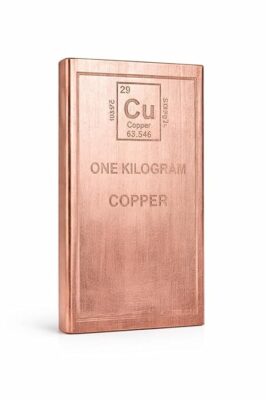
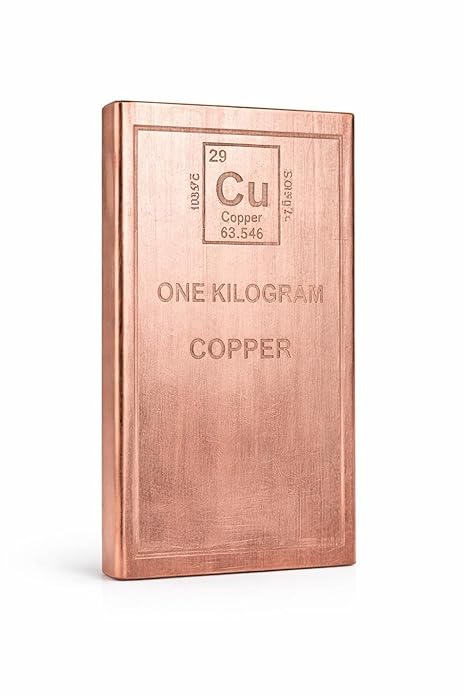
1kg copper bar 999.9

1kg copper bar 999.9

Presenting our premium quality 1kg Copper Bar 999.9 – a solid, investment-grade metal bar crafted with exceptional precision and purity. This 1kg copper bar 999.9 is manufactured from 99.99% pure copper, ensuring superior quality, excellent conductivity, and long-lasting durability. Designed for investors, industrial buyers, manufacturers, and vastu practitioners, this 1kg copper bar 999.9 delivers unmatched value and performance.

The 1kg copper bar 999.9 is refined to the highest purity standards, making it ideal for electrical grounding, industrial fabrication, metal crafting, and custom engineering projects. Thanks to its 999.9 purity level, this 1kg copper bar 999.9 provides outstanding electrical and thermal conductivity. The solid rectangular structure of the 1kg copper bar 999.9 ensures strength, density, and resistance to wear over time.

Each 1kg copper bar 999.9 is carefully cast and tested to maintain strict quality control standards. The smooth surface finish and precise 1 kilogram weight make this 1kg copper bar 999.9 a reliable choice for both practical applications and metal collection. When you purchase a 1kg copper bar 999.9, you receive guaranteed purity and accurate metal content.

For investors and bullion buyers, the 1kg copper bar 999.9 represents tangible asset ownership. Copper is a globally demanded industrial metal, and holding a 1kg copper bar 999.9 adds diversification to your physical metal portfolio. As infrastructure and manufacturing industries grow, the long-term demand for copper continues to increase, making the 1kg copper bar 999.9 a valuable addition.

In vastu and traditional practices, copper is known for attracting positive energy and balance. Many people use a 1kg copper bar 999.9 for energy correction and stability enhancement in homes and offices. The purity of the 1kg copper bar 999.9 enhances its effectiveness in spiritual and vastu applications.

Key Highlights of 1kg Copper Bar 999.9:

  • 99.99% pure copper (999.9 fine)
  • Exact weight: 1 kilogram
  • High density and solid structure
  • Excellent electrical & thermal conductivity
  • Suitable for industrial, investment, crafting & vastu use
  • Durable, corrosion-resistant, and long-lasting

Securely packed to maintain its quality and finish, every 1kg copper bar 999.9 is delivered with assurance and reliability. If you are searching for premium metal with superior purity, the 1kg copper bar 999.9 is the perfect choice for performance, value, and authenticity.

Invest in strength. Invest in purity. Choose 1kg copper bar 999.9 for guaranteed quality and lasting metal worth.
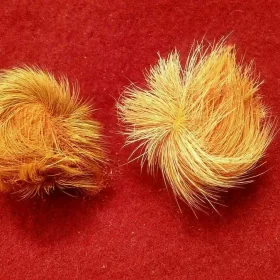
Indrajal Plant Vanaspati Real Natural And Durlabh 8 – 10 inches

Indrajaal Benefits- इंद्रजाल के लाभ

Indrajal Benefits (इंद्रजाल के लाभ): On hearing the name of Indrajaal, it seems that perhaps it is an elusive thing, some people associate it with witchcraft, and many people associate it with captivating and hypnosis. Indrajaal is called “Tilism” in Persian, in India the word Tilism is used for magic.

Indrajaal is a sea tree which does not have leaves, which is not easily found, it is said that in the house where indrajaal is used, there is no effect of ghosts, witchcraft etc., tantric use Indrajaal more.

Indrajaal Benefits:

Use of Indrajaal is beneficial to get children, avoid enemy obstruction, eyesight.

According to texts, the house where Indrajaal  is there does not have the effect of ghosts, sorcery.

Whoever wears or keeps the Indrajal in his workplace gets benefited by chanting Indrajaal spells on auspicious occasions like Navratri, Holi and Deepawali.

Keeping Indrajal in the temple of the house does not have evil sight.

The development of the shop, trade site south direction Indrajal leads to business growth

By putting Indrajaal at the main entrance of the house, negative powers, ghosts, etc. do not enter the house and destroy the Vastu defects.

If witchcraft is added to Indrajal, it also serves as a lifeline in the field of medicine, it is also a very useful medicine for serious liver diseases and prostate problem of men and cancer, combined with other flora.

Indra Jaal is also known as Brahmajaal & Maha Indra Jaal. It holds great importance in the astrological and religious history not only in India but all across the world.

It is a root of a special plant, which is very rarely found & known for its magical effects, if activated properly and be used at your home or office. It is used to get rid of any ill or evil effects, get rid of nazar dosh and financial troubles, black magic, vastu dosh nivaran, clear out the negative energies around, activate the positive energies, guard the place against theft, and activate luck of the occupants.

It is a root of very significant place and does not found very easily. Indra Jaal is widely popular because of possessing incredible magical effects.

Indrajaal is very rare and of great importance.

 Importance and Benefits of Indrajaal:

It diminishes the trouble from your home, workplace, factory or shop.

All sorts of evil effect and nazar dosh get disappeared.

Financial status gets enhanced.

Apart from it, Indrajal fabricate a positive shield around you to keep your away from Vastu dosh, black magic, negative energies and financial troubles in one go.

To get fast and positive result, it must be installed by the professional who know the accurate method how to place Indrajal.

To fetch the peace of mind and harmony, keeping Indra Jaal is considered good.

It brings you out from financial crisis.

The ratio of intellectuality power gets lifted up within no time.

It also quite helpful to bring you out of the sickness and loss in business.

It creates a positive atmosphere around you.

Keeping Indra Jaal at home, factory, workplace or office bring incredible positivity to you.

100% Original & Energised Indrajaal

Original & Energised Siyar Singhi – Gidar Singhi

The “Energised Siyar Singhi – Gidar Singhi” refers to a mystical and rare talismanic object found in various folk traditions across South Asia, particularly in India. Known for its supposed ability to attract wealth, prosperity, and good fortune, the Siyar Singhi or Gidar Singhi holds significant cultural and spiritual significance in the realms of astrology, occult sciences, and traditional practices.

Historical and Cultural Context

The Siyar Singhi is often referred to as a “jackal’s horn” due to its appearance resembling the twisted and elongated horn of a jackal. It is believed to be a rare occurrence found in the wild, primarily in regions where jackals roam. According to folklore and traditional beliefs, the Siyar Singhi is not a physical horn but a mystical object that manifests in the form of a tuft of hair or fibrous material resembling a horn.

In many cultural narratives, possessing a Siyar Singhi is considered auspicious and brings good luck to its owner. It is often associated with prosperity, success in business ventures, protection from enemies, and warding off evil influences. The historical roots of the Siyar Singhi trace back to ancient Indian traditions and indigenous beliefs that emphasize the mystical properties of natural elements and their impact on human life.

Metaphysical Properties and Beliefs

The Siyar Singhi is believed to possess potent metaphysical properties, making it a sought-after item in spiritual practices and rituals. Some of the prominent beliefs and associations include:

  1. Prosperity and Wealth: It is believed that keeping a Siyar Singhi in one’s possession attracts wealth and financial stability. Business owners, traders, and entrepreneurs often seek out this talisman to enhance their prosperity and success.
  2. Protection and Warding Off Evil: The Siyar Singhi is considered a protective charm that safeguards its owner from negative energies, evil spirits, and malevolent forces. It is believed to create a shield of spiritual protection around the household or business premises.
  3. Enhancing Luck and Fortune: Owning a Siyar Singhi is thought to bring good luck and favorable outcomes in various endeavors. It is often used in rituals and ceremonies aimed at invoking blessings and positive energies.
  4. Astrological Significance: In astrological practices, the Siyar Singhi is associated with specific planetary alignments and zodiac signs. It is believed to resonate with celestial energies that influence personal and professional success.

Rituals and Energization

The process of energizing or activating a Siyar Singhi involves ritualistic practices performed by knowledgeable practitioners or spiritual experts. The rituals typically include:

  1. Purification: The Siyar Singhi is cleansed and purified using sacred substances such as holy water, milk, and sandalwood paste to remove any negative energies or impurities.
  2. Invocation of Mantras: Mantras and prayers are recited to invoke divine blessings and imbue the Siyar Singhi with positive energies. Each mantra is believed to enhance the talisman’s effectiveness in fulfilling its intended purpose.
  3. Offerings: Offerings of flowers, incense, and sweets are made to appease spiritual entities and align the energies for the desired outcome.
  4. Placement and Use: Once energized, the Siyar Singhi is typically kept in a prominent place within the home or business establishment. It may be placed on an altar, in a sacred corner, or carried as an amulet or charm for personal protection and prosperity.

Cultural Significance and Traditional Practices

In traditional Indian culture, the Siyar Singhi holds a special place in folk beliefs and practices associated with occult sciences and mystical traditions. It is often sought after by individuals seeking solutions to financial challenges, career advancement, and personal well-being. The talisman’s rarity and mystical associations contribute to its cultural allure and continued relevance in contemporary spiritual practices.

Modern Applications and Contemporary Relevance

In today’s modern context, the Siyar Singhi continues to be valued for its perceived metaphysical properties and symbolic significance. While traditional beliefs and practices surrounding the Siyar Singhi remain prevalent among certain communities, its appeal extends to individuals interested in alternative healing modalities, energy work, and spiritual enhancement.

Ethical Considerations and Cultural Sensitivity

It is important to approach the subject of the Siyar Singhi with cultural sensitivity and respect for diverse belief systems. For many practitioners and believers, the Siyar Singhi represents a deeply held spiritual and cultural tradition rooted in ancestral wisdom and faith. Understanding and appreciating these beliefs contribute to a broader appreciation of cultural diversity and the multifaceted nature of human spirituality.

The Energised Siyar Singhi – Gidar Singhi stands as a fascinating artifact within the realm of traditional Indian folklore, astrology, and mystical practices. Its association with prosperity, protection, and good fortune underscores its enduring appeal among believers and seekers of spiritual enrichment. Whether viewed through the lens of cultural heritage, metaphysical beliefs, or personal faith, the Siyar Singhi continues to inspire curiosity and reverence as a symbol of ancient wisdom and spiritual empowerment in contemporary times.

Hatha Jodi (Hatta Jodi): Myth, Mystery, and the Truth Behind the Belief

Introduction

Hatha Jodi, also spelled Hatta Jodi, is one of the most mysterious items sold in many spiritual and tantric markets across South Asia. Believed by some to attract wealth, protect against negative energies, and strengthen personal power, Hatha Jodi has become a popular talisman among those seeking quick spiritual results.

However, behind this mystical reputation lies a complex story involving mythology, misunderstanding, wildlife exploitation, and misinformation. This blog post will help you understand what Hatha Jodi truly is—beyond the marketing and folklore.


What Is Hatha Jodi?

Hatha Jodi is marketed as a rare plant root shaped like a pair of joined hands or forked roots. Sellers claim it comes from a mystical plant found in remote forests and harvested on special nights.

The name “Hatha Jodi” comes from:

  • Hatha → Force, union, strength
  • Jodi → Pair or twin

This gives it symbolic meaning: a pair of joined energies, said to bring balance and control.

Traditional belief describes Hatha Jodi as:

  • A natural root resembling two joined hands
  • A sacred tantric plant
  • A protective talisman
  • A rare forest herb with spiritual powers

But is this true? Let’s see what investigations reveal.


Spiritual and Folklore-Based Beliefs About Hatha Jodi

Hatha Jodi is widely believed to possess spiritual or mystical benefits in folk traditions:

✔ Attraction of Wealth and Prosperity

It is often kept in business places, safes, or cash drawers to attract money and stabilize finances.

✔ Protection from Negative Energies

Many believe it safeguards the home or person from evil eye, curses, or harmful vibrations.

✔ Success in Business and Legal Matters

Some people keep it with documents or in their pocket to gain confidence and align outcomes in their favor.

✔ Boost in Confidence and Personal Aura

It is thought to enhance influence, reputation, and decision-making.

✔ Support in Tantric Rituals

Folk practices often use Hatha Jodi during rituals related to attraction, protection, or empowerment.

These beliefs are rooted in tradition—not factual evidence.


The Scientific and Investigative Truth About Hatha Jodi

Does Hatha Jodi come from a plant?

According to extensive wildlife investigations: NO.

Multiple studies, seizures, and forensic analyses have shown that what is sold as Hatha Jodi is not a plant root.

So what is it really?

Most Hatha Jodi items are the dried hemipenes (reproductive organs) of the Indian Monitor Lizard (Varanus bengalensis).

They are:

  • Cleaned
  • Dried
  • Shaped
  • Dyed or coated
  • Packaged as “rare plant roots”

This discovery shocked many buyers who believed they were purchasing a herbal item.


Why This Is a Serious Problem

1. Monitor Lizards Are Protected Species

Indian Monitor Lizards are listed under Schedule I or II of wildlife protection laws, meaning:

  • Hunting them is illegal
  • Trading their body parts is illegal
  • Possessing such parts can lead to criminal charges

2. Wildlife Harm

The belief in Hatha Jodi leads to:

  • Poaching of monitor lizards
  • Disturbance of natural ecosystems
  • Threats to biodiversity

3. Fraud and Misinformation

Most buyers are unaware that:

  • The item is not a plant
  • It can lead to legal trouble
  • It is connected to illegal wildlife trade networks

4. Health and Safety Risks

Items are often treated with:

  • Chemicals
  • Dyes
  • Preservatives
    These can be harmful if handled without care.

How the Myth Became Popular

The popularity of Hatha Jodi grew due to:

✔ Tantric folklore

Ancient rituals often used symbolic plant roots, leading to myths about magical herbs.

✔ Visual similarity

The lizard hemipenes resemble forked roots, making it easy to pass them off as plant parts.

✔ Easy commercialization

Its “rare” status makes it lucrative in the spiritual market.

✔ Lack of awareness

Most buyers trust sellers without verifying authenticity.


Cultural Symbolism (Not Biological Reality)

Although the item itself is misrepresented, the symbolism associated with “Hatha Jodi” is powerful in folklore:

  • Duality and balance
  • Union of forces
  • Protection and strength
  • Wealth and stability

The symbolism is cultural—not tied to the physical object being sold.


Ethical and Legal Alternatives

If someone seeks spiritual or psychological support, much safer and ethical options exist:

✔ Meditation and yogic practices

For personal strength and mental clarity.

✔ Yantras

Sacred geometric tools used in Hindu traditions.

✔ Rudraksha beads

Known for their calming and spiritual properties.

✔ Ethically sourced crystals

Used widely for grounding, protection, and intention-setting.

✔ Mantra chanting

A powerful, time-tested spiritual approach.

These methods are aligned with traditional practices without harming wildlife.


Conclusion

Hatha Jodi is a fascinating example of how mythology, belief, and misinformation can come together to create a powerful narrative. While tradition associates it with spiritual benefits, the real object sold as Hatha Jodi is neither a plant root nor ethically sourced.

Understanding the truth behind the myth helps protect wildlife, prevent fraud, and encourage more ethical spiritual practices.

True spiritual strength comes not from secret objects—but from awareness, discipline, and intention.

Siyar Singhi : Myths Mysticism and the Truth You Need to Know

Introduction

Among South Asian occult traditions, few items hold as much fascination as Siyar Singhi—a mysterious object believed to possess supernatural powers. Sold in markets, showcased in folk stories, and mentioned in certain ritualistic practices, it is often promoted as a rare talisman capable of bringing luck, protection, or spiritual strength.

However, behind this aura of mysticism lies a combination of folklore, misunderstanding, and serious legal concerns. This blog post explores Siyar Singhi in depth—its mythological origins, claimed powers, scientific reality, and the reasons everyone should approach this topic with awareness.


What Is Siyar Singhi?

“Siyar Singhi” translates to:

  • Siyar → Jackal
  • Singhi/Singi → Horn or protrusion

It is commonly described as a horn-like object supposedly found on the head of a jackal. According to sellers, this horn is said to grow on certain jackals born on special nights or under rare astrological conditions.

But Does a Jackal Really Have a Horn?

Scientifically: No.
Jackals do not have horns. No canine species naturally grows such a structure.

This already raises questions about the true origin of items sold as Siyar Singhi.


Beliefs and Claimed Spiritual Uses

In folklore and traditional magical practices, Siyar Singhi is believed to offer:

✔ Protection from Negative Energies

Said to repel evil eye, black magic, and harmful intentions.

✔ Boost in Confidence and Fearlessness

Thought to give courage for legal cases, competitions, or public dealings.

✔ Attraction of Prosperity

People claim it brings luck in business or financial endeavors.

✔ Success in Love and Relationships

Some traditions promote its use for influence and attraction.

✔ Enhancement of Occult Rituals

Used by certain tantric practitioners for symbolic purposes.

These claims come from folklore, not scientific or documented spiritual evidence.


The Mystery Behind Its Physical Origin

If jackals do not have horns, then what is being sold as Siyar Singhi?

Investigations and wildlife studies reveal:

Most Siyar Singhi items in markets are:

  • Modified animal parts from other species
  • Shaped bones, cartilage, or teeth
  • Resin or plaster objects crafted to look ancient
  • Fur-covered artificial molds

Some forms even use:

  • Goat horns
  • Dried animal tendons
  • Carved wood or plant roots

The items are often artificially colored, coated with fur, or treated to look “authentic.”


Why Siyar Singhi Became a Powerful Myth

The myth likely emerged from:

✔ Folklore and tribal stories

Jackals are deeply symbolic in Indian mythology—associated with Shakti, tantric rituals, and night-time mysticism.

✔ Tantric symbolism

Many animals in tantra represent specific energies. A mythical “horn” symbolizes power, protection, and heightened ability.

✔ Fear and fascination of the unknown

Unusual natural objects, bones, or growths found in the wild were often attributed supernatural meanings.

✔ Human tendency to seek magical shortcuts

Talismans often become popular among those seeking solutions beyond conventional methods.


Legal and Ethical Issues

1. Jackals Are Protected Wildlife

In India and many countries, jackals are protected under wildlife conservation laws.
Possessing or trading any of their body parts is illegal.

2. Most Siyar Singhi Items Come From Illicit Wildlife Markets

Even if the item is fake, its trade is often linked to illegal networks.

3. Encourages Animal Harm

The belief that jackals have horns leads to poaching or killing of wildlife based on superstition.

4. Risk of Fraud

Buyers often pay high prices for artificial items marketed as “rare magical talismans.”


Cultural and Symbolic Significance

Despite its problematic trade, Siyar Singhi holds cultural value as a symbol in:

  • Folklore
  • Rural traditions
  • Oral storytelling
  • Depictions of tantric practices

It represents:

  • Night-time mystery
  • Courage
  • Intuition
  • Protective energy

These symbolic meanings can be appreciated without harming wildlife.


Safer and Ethical Alternatives

If someone seeks spiritual or psychological support, there are legal, cruelty-free, and culturally sound alternatives:

  • Meditation and mantra chanting
  • Rudraksha beads
  • Yantras (geometric spiritual symbols)
  • Ethically sourced crystals
  • Mindfulness and grounding practices
  • Counseling or spiritual guidance from trained experts

These approaches align with spiritual traditions without harming animals or breaking laws.


Conclusion

Siyar Singhi remains one of the most intriguing elements of South Asian folklore—a blend of fear, faith, and fascination. While its legends are captivating, the modern-day trade around it is riddled with misinformation, illegality, and ethical issues.

Understanding the truth behind the myth empowers people to make responsible decisions and preserves wildlife from unnecessary harm.

Spiritual strength comes not from objects but from awareness, intention, and ethical practice.

Indrajal Plant: Myths, Meanings, and the Hidden Reality

Indrajal Plant: Myth Mysticism and the Facts You Should Know

Introduction

Across South Asian spiritual and occult traditions, few objects are as mysterious as the Indrajal plant, often portrayed as a powerful talisman capable of influencing luck, protection, and destiny. For centuries, it has appeared in folklore, tantric texts, and magical belief systems.

Yet, despite its popularity in mystical circles, the real identity and nature of “Indrajal” is widely misunderstood—and in many cases, intentionally misrepresented.

This comprehensive guide explores everything you need to know about the Indrajal plant: its mythology, claimed uses, scientific truth, and the legal–ethical concerns surrounding its trade.


What Is Indrajal ?

In spiritual markets, Indrajal is described as a rare, sacred plant root or a naturally formed object possessing high mystical energy. Sellers commonly present it as:

  • A powerful tantric item
  • A plant root with magical properties
  • A talisman for protection and attraction
  • A natural object connected to ancient rituals

The name “Indrajal” itself has origins in Sanskrit:

  • Indra — king of the gods
  • Jaal/Jal — net, illusion, or divine network

Thus, “Indrajal” is loosely interpreted as The Divine Net of Indra, symbolizing protection, illusion, power, and cosmic control.


Traditional Beliefs and Spiritual Claims

In occult and tantric circles, Indrajal is believed to offer:

✔ Protection From Negative Energies

Practitioners claim Indrajal removes evil eye, black magic, and harmful vibrations.

✔ Attraction of Wealth and Prosperity

Some people keep it in homes or shops to attract fortune.

✔ Personal Empowerment

It is said to enhance confidence, charm, and influence.

✔ Harmonizing Relationships

Certain rituals use Indrajal to improve understanding and reduce conflict.

✔ Success in Work and Legal Matters

Believed to bring victory in tough situations.

These beliefs stem from folk traditions rather than scientific evidence.


The Mystery Behind Its Physical Appearance

Sellers advertise several types of “Indrajal”:

  • Black Indrajal
  • Red Indrajal
  • White Indrajal
  • Indrajal root
  • Indrajal coral
  • Indrajal seed forms

Each type claims to offer different spiritual benefits—but most of these claims are not supported by verified sources.


The Scientific and Investigative Reality

Is Indrajal really a plant?

In many cases, NO.

Investigations by forest departments and wildlife experts repeatedly found that most items sold as “Indrajal plant” are:

✦ Dried Sea Fan Coral (Gorgonians)

These marine organisms are often shaped, dyed, or preserved to resemble magical plant roots.

✦ Marine Sponges or Tuber-like Corals

Sellers reshape them to create “rare” Indrajal forms.

✦ Plant roots sculpted to look supernatural

These items are commonly sold online and in occult markets.


Why This Is a Problem

1. Corals Are Protected Under Wildlife Laws

Sea fans and many species of coral fall under environmental and marine protection laws.
Trading them without permits is illegal in many countries.

2. Misrepresentation and Fraud

Many buyers believe they are purchasing a sacred plant root—when in reality, it may be a marine species or artificially crafted item.

3. Harm to Marine Ecosystems

Harvesting corals for commercial use damages fragile ocean biodiversity.

4. Unethical Marketing

The mystical narrative is often used to exploit people seeking spiritual comfort.


Cultural and Mythological Significance

Despite the modern misuse of the term, “Indrajal” has deep roots in Indian mythology.

✔ Symbol of Indra’s Divine Power

Indra, the king of gods, possessed a magical weapon called Vajra and controlled storms, lightning, and cosmic forces.
The term “Indrajal” symbolized:

  • Spiritual protection
  • Mystical illusion
  • Divine authority

✔ Reference in Ancient Texts

In some tantric traditions, “Indrajal” refers not to a plant, but to:

  • A mystical diagram
  • A protective amulet
  • A ritual practice

Thus, the original concept of Indrajal is symbolic, not botanical.


Modern-Day Uses (Belief-Based, Not Scientific)

Those who believe in Indrajal may use it by:

  • Keeping it in the home temple
  • Placing it in a safe or cash box
  • Wearing it as an amulet
  • Performing mantras or rituals
  • Using it for vastu or energy balancing

However, no scientific evidence supports magical effects.


Legal Status: Why Caution Is Necessary

Because much of the Indrajal sold today is coral, it is subject to:

  • Wildlife Protection Acts
  • Marine Ecosystem Protection Laws
  • International CITES regulations

Possessing or trading such materials without authorization can result in:

  • Fines
  • Seizures
  • Criminal charges

Consumers often purchase it unknowingly, so awareness is essential.


Ethical Alternatives

If someone seeks spiritual or psychological comfort, there are ethical, safer alternatives, such as:

  • Meditation
  • Mantra chanting
  • Yantras (geometric spiritual symbols)
  • Rudraksha
  • Crystals with verified ethical sourcing
  • Healing practices like yoga or mindfulness

Hanuman Yantra


Hanuman Yantra: A Comprehensive Description

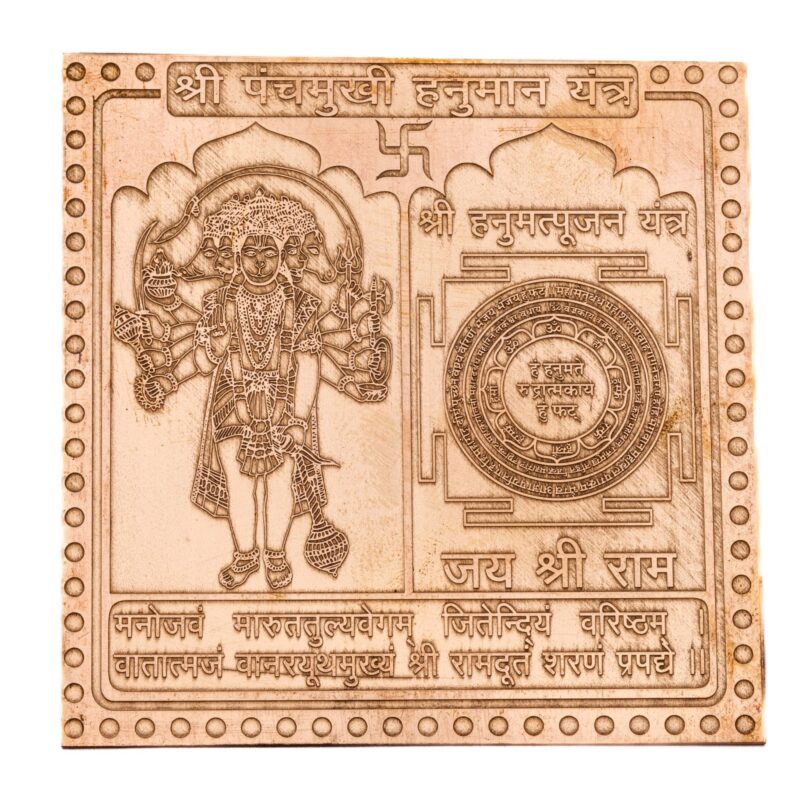
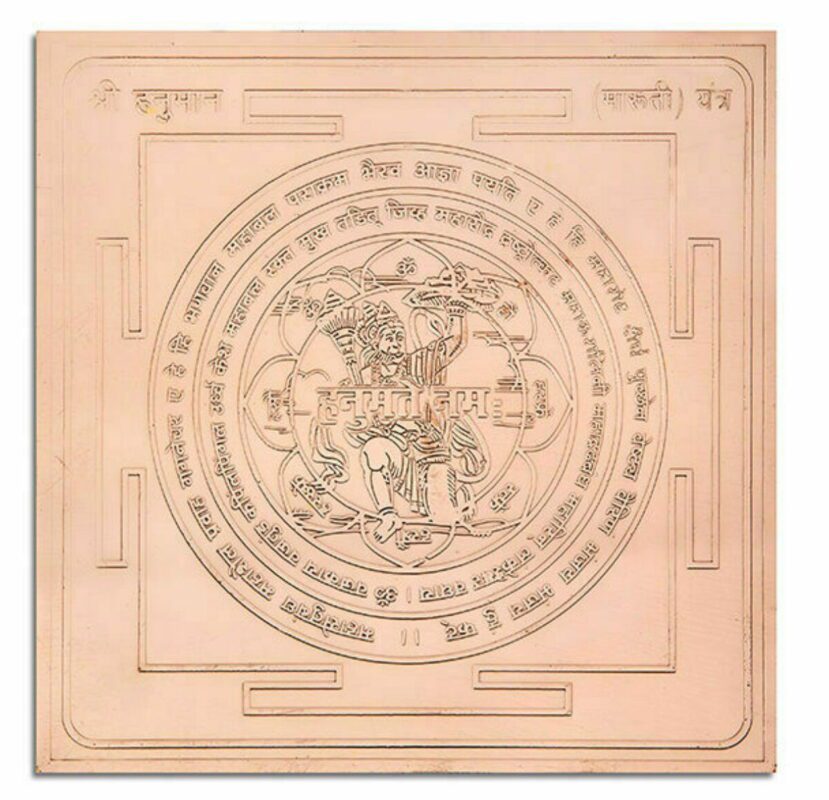
The Hanuman Yantra is a sacred geometric diagram associated with Lord Hanuman, the revered deity in Hinduism known for his strength, devotion, and protective qualities. This yantra is a powerful spiritual tool used for invoking Hanuman’s blessings, enhancing personal strength, and overcoming challenges. This detailed description explores the Hanuman Yantra’s design, symbolism, uses, benefits, and practical considerations.

1. Understanding the Hanuman Yantra

Definition and Structure: The Hanuman Yantra is a geometric representation designed to channel the divine energy and blessings of Lord Hanuman. It combines specific geometric shapes and symbols that embody Hanuman’s attributes and spiritual power.

  • Central Figure: At the heart of the Hanuman Yantra is the image or symbol of Lord Hanuman, often depicted in a stylized form. This central figure represents Hanuman’s divine presence and power.

  • Geometric Patterns: Surrounding the central figure are various geometric shapes, such as circles, triangles, and squares. These shapes are meticulously arranged to create a harmonious design that resonates with spiritual energy.

  • Mantras and Symbols: The Yantra often includes sacred mantras or symbols associated with Hanuman, such as the Hanuman Ashtakshara Mantra (“ॐ हं हनुमते नमः”) or the Hanuman Gayatri Mantra. These mantras are believed to enhance the Yantra’s power and effectiveness.

  • Outer Design: The Yantra is typically enclosed in a square or circular boundary, representing stability and protection. This outer design symbolizes the containment of Hanuman’s divine energy and the establishment of a sacred space.

2. Symbolism and Meaning

Divine Attributes: The Hanuman Yantra embodies the key attributes of Lord Hanuman, including:

  • Strength and Courage: Hanuman is renowned for his immense physical strength and bravery. The Yantra symbolizes these qualities, helping practitioners harness similar attributes in their own lives.

  • Devotion and Loyalty: As a devoted servant of Lord Rama, Hanuman’s unwavering devotion is a central theme. The Yantra represents this aspect, encouraging practitioners to cultivate devotion and loyalty in their spiritual practice.

  • Protection and Security: Hanuman is considered a powerful protector against evil forces and negative energies. The Yantra serves as a shield, providing spiritual protection and ensuring safety.

Spiritual Connection: The Yantra facilitates a deeper connection with Hanuman’s divine energy, allowing practitioners to seek his blessings, guidance, and support. It aids in aligning one’s own energy with that of Hanuman, fostering spiritual growth and empowerment.

3. Uses and Applications

Meditation:

  • Preparation: Create a serene and clean space for meditation. Place the Hanuman Yantra in front of you on a clean surface or altar, ensuring it is visible and properly honored.
  • Focus: Sit comfortably and focus your attention on the central figure of the Yantra. Gaze softly at the image or symbol, allowing your mind to center and align with Hanuman’s energy.
  • Chanting Mantras: Recite mantras associated with Hanuman, such as the Hanuman Ashtakshara Mantra or the Hanuman Chalisa. Chanting these mantras during meditation helps in amplifying the Yantra’s spiritual benefits and deepening the connection with Hanuman.

Rituals and Worship:

  • Daily Puja: Incorporate the Hanuman Yantra into your daily puja (worship) routine. Offer flowers, incense, and lighted lamps to the Yantra, along with prayers and mantras, to honor Hanuman and seek his blessings.
  • Special Ceremonies: Use the Yantra during special religious ceremonies or festivals dedicated to Hanuman, such as Hanuman Jayanti. The Yantra serves as a focal point for worship and ritualistic practices, enhancing their effectiveness.

Protection and Empowerment:

  • Personal Protection: Place the Hanuman Yantra in your home or workspace to create a protective shield against negative influences and harmful energies. Its presence is believed to safeguard the environment and its occupants.
  • Boosting Confidence: Utilize the Yantra to invoke Hanuman’s strength and courage. It helps in boosting self-confidence and empowerment, enabling individuals to face challenges and obstacles with greater resilience.

Spiritual Growth:

  • Enhancing Devotion: The Yantra aids in cultivating a deeper sense of devotion and spiritual connection. Regular use fosters a strong bond with Hanuman and supports spiritual growth and enlightenment.
  • Guidance and Insight: Through meditation and ritual, the Hanuman Yantra helps in receiving divine guidance and insight, assisting practitioners in navigating their spiritual path and making informed decisions.

The Hanuman Yantra is a powerful spiritual tool dedicated to Lord Hanuman, embodying his divine attributes of strength, protection, and devotion. By understanding its design, proper use, and associated benefits, practitioners can harness its transformative energies to achieve spiritual growth, personal empowerment, and protection. Whether used in meditation, rituals, or daily practices, the Hanuman Yantra offers a potent means to connect with Hanuman’s divine presence and enhance one’s spiritual journey. Embrace the Hanuman Yantra with devotion and intention to experience its profound impact on your life.


Benefits of the Hanuman Yantra

Spiritual Transformation:

  • Inner Strength: The Hanuman Yantra helps in developing inner strength and resilience. By invoking Hanuman’s qualities, practitioners gain the courage and fortitude to overcome personal and spiritual challenges.
  • Emotional Healing: Regular meditation on the Yantra supports emotional healing by addressing and resolving deep-seated fears, anxieties, and traumas.

Protection and Security:

  • Defensive Shield: The Yantra acts as a protective shield against negative energies and malevolent forces. It creates a safe and secure environment for practitioners and their loved ones.
  • Safety: By invoking Hanuman’s protective energies, the Yantra ensures physical, emotional, and spiritual safety, guarding against harm and ensuring well-being.

Empowerment and Confidence:

  • Increased Confidence: The Yantra boosts self-confidence and assertiveness, empowering individuals to pursue their goals and ambitions with clarity and determination.
  • Overcoming Obstacles: It aids in overcoming obstacles and challenges by channeling Hanuman’s strength and power. The Yantra helps in navigating difficulties with resilience and success.

Personal and Spiritual Growth:

  • Enhanced Devotion: The Yantra fosters a deeper sense of devotion and spiritual connection. It encourages practitioners to cultivate a strong bond with Hanuman and integrate his teachings into their lives.
  • Guidance and Wisdom: Through meditation and worship, the Hanuman Yantra provides divine guidance and wisdom, assisting practitioners in making informed decisions and following their spiritual path.

Practical Considerations

Choosing the Right Yantra:

  • Material: Select a Hanuman Yantra made from materials such as metal, stone, or crystal. Each material has unique energetic properties that can influence the Yantra’s effectiveness. Metal Yantras are grounding, while crystal Yantras are believed to enhance vibrational effects.
  • Quality: Ensure that the Yantra is of high quality and accurately represents the sacred geometric patterns and symbols associated with Hanuman. Authentic craftsmanship ensures the Yantra’s spiritual potency.

Placement Guidelines:

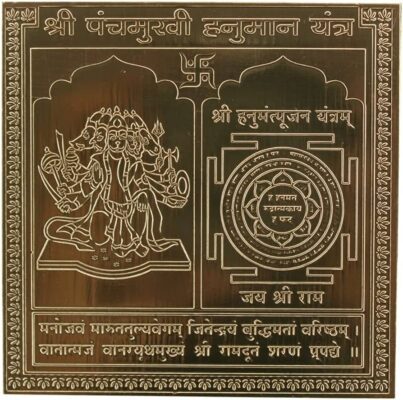
  • Direction: Place the Panchmukhi hanuman yantra in a suitable location, such as the northeast corner of your home or workspace, to optimize its energy-enhancing properties. The specific placement may vary depending on personal and spiritual preferences.
  • Elevation: Position the Yantra at an appropriate height, ideally on an altar or pedestal, to ensure it is visible and receives due reverence.

Caring for the Hanuman Yantra:

  • Regular Cleaning: Clean the Yantra regularly to maintain its purity and effectiveness. Use a soft cloth and mild cleaning agents, avoiding harsh chemicals.
  • Recharging: Periodically recharge the Yantra by exposing it to natural light or performing specific rituals to restore its vibrational energy and enhance its impact.

 Integration with Other Spiritual Practices

Complementary Tools:

  • Crystals and Herbs: Combine the Hanuman Yantra with crystals such as red jasper or garnet to amplify its effects. Herbs like basil or neem can also be used in rituals to enhance the Yantra’s protective and empowering properties.
  • Meditation and Mantras: Integrate the Yantra into broader spiritual practices, including meditation and mantra chanting, to create a cohesive and supportive spiritual routine.

Personalized Practices:

  • Customization: Tailor the use of the Hanuman Yantra based on your personal spiritual goals and preferences. Adjust its placement, material, and associated rituals to enhance its relevance and effectiveness for your individual practices.
  • Intuitive Guidance: Follow your intuition and spiritual guidance when using the Yantra. Trust your inner sense of how to incorporate it into your practices and rituals.


Importance of the Hanuman Yantra

The Hanuman Yantra is a sacred spiritual tool dedicated to Lord Hanuman, one of the most venerated deities in Hinduism. Known for his immense strength, unwavering devotion, and protective qualities, Hanuman represents a powerful force for spiritual growth and personal empowerment. The Hanuman Yantra encapsulates his divine attributes and serves as a potent medium to channel his energy. Here’s an exploration of the significance and importance of the Hanuman Yantra:

1. Symbol of Divine Strength and Power

Harnessing Strength:

  • Empowerment: The Hanuman Yantra symbolizes the immense strength and power of Lord Hanuman. By meditating on or using this Yantra, individuals can invoke Hanuman’s attributes, empowering themselves with similar physical and mental strength to face challenges and obstacles.
  • Resilience: It helps in developing resilience and fortitude, allowing individuals to overcome difficulties with courage and determination, reflecting Hanuman’s legendary bravery.

Channeling Energy:

  • Spiritual Power: The Yantra serves as a conduit for channeling Hanuman’s divine energy, which can enhance personal capabilities and foster a sense of inner power and confidence.
  • Boosting Vitality: It aids in revitalizing one’s energy levels, promoting vitality, and maintaining a robust and energetic outlook on life.

2. Protection and Safety

Spiritual Shield:

  • Defensive Guard: The Hanuman Yantra acts as a protective shield against negative influences and malevolent forces. It creates a secure environment by safeguarding individuals from spiritual and physical harm.
  • Safety and Security: Placing the Yantra in one’s home or workspace ensures a protective aura, promoting safety and security for oneself and loved ones.

Mitigating Negative Energies:

  • Cleansing: The Yantra helps in cleansing negative energies from a space, ensuring a harmonious and positive environment. It is effective in dispelling fears, anxieties, and unwanted influences.

3. Enhancing Devotion and Spiritual Growth

Cultivating Devotion:

  • Deepening Connection: The Hanuman Yantra enhances one’s devotion to Lord Hanuman, fostering a deeper spiritual connection. It aids in cultivating a sense of loyalty and reverence, reflecting Hanuman’s unwavering devotion to Lord Rama.
  • Spiritual Practices: It supports and enriches spiritual practices, including meditation, chanting, and puja (worship), by providing a focal point for divine connection.

Facilitating Growth:

  • Inner Transformation: The Yantra plays a role in personal and spiritual transformation, helping individuals grow spiritually and emotionally. It guides practitioners on their path to enlightenment and self-realization.
  • Wisdom and Insight: Through regular use, the Hanuman Yantra provides divine guidance and insight, aiding individuals in making informed decisions and following their spiritual path.

4. Overcoming Obstacles and Challenges

Resolving Difficulties:

  • Removing Blockages: The Hanuman Yantra assists in identifying and removing personal and spiritual blockages that hinder progress. It helps in overcoming obstacles with Hanuman’s strength and perseverance.
  • Achieving Goals: By invoking Hanuman’s support, the Yantra aids in achieving personal and professional goals, providing the determination and drive needed to succeed.

Facing Adversity:

  • Courage and Determination: The Yantra imbues individuals with the courage and determination to confront and overcome adversities, mirroring Hanuman’s fearless and resolute nature.
  • Problem-Solving: It enhances problem-solving abilities, enabling individuals to tackle challenges effectively and creatively.

5. Boosting Confidence and Self-Esteem

Empowerment:

  • Building Confidence: The Hanuman Yantra boosts self-confidence and self-esteem, encouraging individuals to assert themselves and pursue their aspirations with clarity and conviction.
  • Inner Strength: It supports the development of inner strength and self-belief, helping individuals face life’s challenges with confidence and resilience.

Encouraging Assertiveness:

  • Taking Action: The Yantra inspires proactive behavior and assertiveness, enabling individuals to take decisive actions and make bold choices in their personal and professional lives.
  • Overcoming Self-Doubt: It aids in overcoming self-doubt and fears, fostering a positive and empowered mindset.

6. Enhancing Meditation and Focus

Deepening Practice:

  • Meditative Tool: The Hanuman Yantra serves as an effective tool for meditation, helping practitioners focus their minds and achieve a deeper state of spiritual awareness.
  • Concentration: It enhances concentration and mental clarity, allowing for more profound and meaningful meditation experiences.

Spiritual Alignment:

  • Harmonizing Energy: The Yantra aligns one’s energy with Hanuman’s divine vibrations, creating a harmonious and spiritually conducive environment for practice and reflection.
  • Guided Meditation: It provides a visual and energetic focal point during meditation, facilitating a stronger connection with Hanuman’s divine presence.

7. Improving Personal and Professional Life

Achieving Success:

  • Professional Growth: The Hanuman Yantra supports professional growth and success by providing the energy and determination needed to excel in one’s career and business endeavors.
  • Personal Development: It aids in personal development, encouraging self-improvement and the realization of one’s full potential.

Enhancing Relationships:

  • Building Harmonious Relationships: The protective and empowering qualities of the Yantra contribute to building and maintaining harmonious relationships with others.
  • Resolving Conflicts: It helps in resolving conflicts and promoting understanding and cooperation in personal and professional relationships.

8. Practical Considerations

Choosing and Using the Yantra:

  • Authentic Yantra: It is important to choose a high-quality Hanuman Yantra that is accurately crafted and represents the sacred geometric patterns and symbols associated with Hanuman.
  • Placement: Proper placement of the Yantra in a clean, serene, and auspicious location enhances its effectiveness. The Yantra should be positioned in a way that it is visible and receives due reverence.

Care and Maintenance:

  • Regular Cleaning: The Yantra should be regularly cleaned and maintained to preserve its purity and effectiveness. Use a soft cloth and mild cleaning agents to avoid damage.
  • Recharging: Periodically recharge the Yantra by exposing it to natural light or performing rituals to restore its vibrational energy.

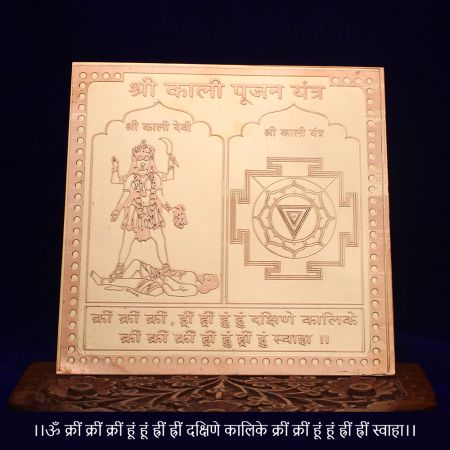
Yantra Kali

Yantra Kali: A Comprehensive Description

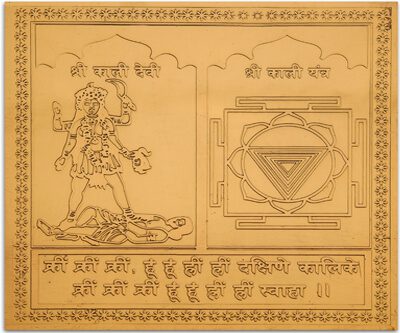
The Yantra Kali, also known as the Kali Yantra, is a powerful and intricate geometric diagram in Hindu spiritual practices, dedicated to Goddess Kali. Revered as a symbol of divine feminine energy and transformation, the Kali Yantra embodies the essence of Kali Ma, the goddess of time, change, and destruction of evil. This detailed description explores the Kali Yantra’s design, symbolism, uses, benefits, and practical considerations.

1. Understanding the Kali Yantra

Definition and Structure: The Kali Yantra is a sacred geometric figure that represents the powerful and transformative energies of Goddess Kali. It serves as a tool for meditation, worship, and spiritual enhancement.

  • Central Point (Bindu): At the heart of the Kali Yantra is the Bindu, a single point that symbolizes the source of creation and the divine consciousness of Kali. It represents the origin of all existence and the ultimate reality.

  • Triangles and Geometric Patterns: Surrounding the Bindu are various geometric shapes, including interlocking triangles, squares, and circles. These patterns represent the dynamic and powerful nature of Kali, encompassing both creation and destruction.

  • Lotus Petals: The Kali Yantra is often depicted with lotus petals, symbolizing purity, spiritual awakening, and the emergence of divine energy from the material realm.

  • Outer Square: The Yantra is enclosed in a square, representing the material world and the containment of divine energies. The square symbolizes stability, protection, and the grounding of spiritual forces in the physical plane.

2. Symbolism and Meaning

Divine Feminine Energy: The Kali Yantra embodies the divine feminine energy of Goddess Kali, who is associated with transformation, destruction of evil, and liberation. Each component of the Yantra holds specific symbolic meanings:

  • Bindu: Represents the divine source of energy and the central focus of Kali’s power. It signifies the point of creation and the infinite potential of the goddess.

  • Triangles and Patterns: The geometric patterns reflect Kali’s dual nature of creation and destruction. The interlocking triangles symbolize the merging of opposites and the dynamic forces of the universe.

  • Lotus Petals: Symbolize spiritual growth, enlightenment, and the unfolding of divine grace. The lotus is a representation of Kali’s ability to bring forth purity and transformation.

  • Outer Square: Represents the physical world and the goddess’s role in grounding and protecting divine energies. It symbolizes the containment and stability provided by Kali’s presence.

Transformation and Liberation: The Kali Yantra signifies the transformative power of Goddess Kali, who destroys ignorance and illusions, leading to spiritual liberation and self-realization. It embodies the cyclical nature of life, death, and rebirth.

3. Uses and Applications

Meditation:

  • Focused Meditation: The Kali Yantra serves as a focal point for meditation on Goddess Kali. By meditating on the Yantra, practitioners seek to connect with Kali’s transformative energies and gain insight into their own spiritual journey.
  • Mantra Chanting: Use specific mantras associated with Kali, such as the Kali Gayatri Mantra or Kali Ashtakshara Mantra, during meditation to deepen the connection with the goddess and enhance the meditative experience.


Rituals and Worship:

  • Puja Practices: The Kali Yantra is central to various pujas and rituals dedicated to Goddess Kali. It is placed on altars and offered prayers, flowers, and other ritual items to invoke Kali’s blessings and divine protection.
  • Spiritual Space: Incorporate the Kali Yantra into sacred spaces, such as temples or meditation rooms, to enhance the spiritual atmosphere and invite Kali’s transformative energy.

Protection and Empowerment:

  • Personal Protection: The Kali Yantra is believed to offer protection against negative influences and evil forces. It helps in creating a shield of divine energy around the practitioner, ensuring safety and well-being.
  • Empowerment: Use the Yantra to invoke Kali’s strength and empowerment. It assists in overcoming personal challenges, breaking free from limitations, and achieving spiritual and personal goals.

Conclusion

The Kali Yantra is a profound symbol of Goddess Kali’s transformative and protective energies. Its intricate design and sacred geometry make it a powerful tool for meditation, worship, and personal empowerment. By understanding its symbolism, proper use, and benefits, practitioners can harness the Kali Yantra’s energy to achieve spiritual transformation, protection, and personal growth. Whether used in traditional rituals or modern spiritual practices, the Kali Yantra remains a potent emblem of divine feminine power and spiritual liberation.

The Yantra Kali is a potent symbol of Goddess Kali’s transformative, protective, and empowering energies. By incorporating the Kali Yantra into spiritual practices, individuals can experience profound benefits, including spiritual transformation, empowerment, protection, personal growth, emotional healing, and enhanced spiritual practices. Whether used for meditation, rituals, or creating a sacred space, the Kali Yantra serves as a powerful tool for aligning with divine feminine energy and achieving holistic well-being. Embrace the Kali Yantra to unlock its transformative potential and invite the blessings of Goddess Kali into your life.


How to Use the Kali Yantra

The Kali Yantra, dedicated to Goddess Kali, is a sacred geometric diagram that embodies her transformative and protective energies. Proper use of the Kali Yantra can enhance its effectiveness and bring about spiritual, personal, and practical benefits. Here’s a comprehensive guide on how to use the Kali Yantra effectively:

1. Setting Up the Kali Yantra

Choosing the Right Yantra:

  • Material: Select a Kali Yantra made from materials such as metal, stone, or crystal, each offering unique energetic properties. Metal Yantras are often preferred for their grounding qualities, while crystal Yantras are believed to enhance vibrational effects.
  • Design: Ensure the Yantra’s design is accurate and crafted with respect to traditional specifications to maintain its spiritual integrity.

Placement:

  • Direction: Position the Kali Yantra in the northeast corner of your meditation space or home, as this direction is considered auspicious in Vastu Shastra. This placement helps in harnessing the Yantra’s positive energy.
  • Elevation: Place the Yantra at eye level or on an altar/pedestal to ensure it is prominently visible and receives appropriate reverence. The Yantra should be situated in a clean and serene environment.

Preparation:

  • Cleansing: Before first use, cleanse the Kali Yantra to remove any residual energies. Use a soft cloth and mild cleaning solution, or perform a ritualistic cleansing with water or incense.
  • Blessing: Conduct a small ritual to bless the Yantra. Offer flowers, light a lamp, and recite prayers or mantras to imbue the Yantra with divine energy and set a sacred intention.


2. Using the Kali Yantra for Meditation

Creating a Sacred Space:

  • Quiet Environment: Ensure you are in a quiet, distraction-free environment where you can focus solely on your meditation practice.
  • Comfortable Position: Sit comfortably in front of the Kali Yantra with your spine straight and your body relaxed. You can sit cross-legged on the floor or in a chair, depending on your preference.

Focusing Your Mind:

  • Gazing: Gaze softly at the central point (Bindu) of the Kali Yantra, allowing your mind to focus and center on its divine geometry. This helps in drawing your attention inward and connecting with the Yantra’s energy.
  • Breathing: Practice deep, steady breathing to calm the mind and body. Inhale deeply through the nose and exhale slowly through the mouth, maintaining a relaxed and centered state.

Chanting Mantras:

  • Select a Mantra: Use mantras associated with Goddess Kali, such as the Kali Gayatri Mantra, Kali Ashtakshara Mantra, or Kali Stotra. These mantras help in channeling Kali’s energy and enhancing your meditation experience.
  • Recitation: Chant the mantra aloud or silently, focusing on the vibrations and meanings of the words. Repeat the mantra with devotion and intention, aligning your spiritual energy with the divine presence of Kali.

Emotional Healing and Balance

Emotional Stability:

  • Release of Emotional Pain: The Kali Yantra supports emotional healing by facilitating the release of stored emotional pain and trauma. It helps in addressing and resolving deep-seated emotional issues.
  • Inner Peace: Regular use of the Yantra promotes emotional stability and inner peace, reducing stress, anxiety, and mental unrest.

Balanced Energies:

  • Harmony and Equilibrium: The Kali Yantra helps in balancing the energies within the practitioner, creating a harmonious and balanced emotional state. It aligns emotional responses with spiritual growth.

 Enhancing Spiritual Practices

Focus and Concentration:

  • Deepening Meditation: The kali maa yantra serves as a focal point for meditation, enhancing concentration and depth of practice. It helps in maintaining a focused and centered state during spiritual exercises.
  • Spiritual Insight: Through meditation and contemplation on the Yantra, practitioners gain spiritual insights and intuitive understanding, aiding their spiritual journey.

Facilitating Rituals:

  • Effective Worship: The Kali Yantra is a key element in rituals and pujas dedicated to Goddess Kali, enhancing the effectiveness of worship practices. It helps in invoking Kali’s blessings and divine presence during religious ceremonies.

 Energy Harmonization

Creating Positive Vibes:

  • Harmonious Environment: Placing the Yantra Kali in a space creates a positive and energetically balanced environment. It enhances the overall vibrational quality of the surroundings.
  • Clearing Negative Energies: The Yantra helps in clearing stagnant and negative energies from a space, fostering a more vibrant and uplifting atmosphere.

Enhancing Spiritual Space:

  • Sacred Space Creation: The Kali Yantra transforms ordinary spaces into sacred areas conducive to spiritual practices, meditation, and worship. It adds a divine presence and energy to the environment.

 Personal Empowerment

Self-Discovery:

  • Personal Insight: The Yantra Kali aids in the process of self-discovery by reflecting personal strengths, weaknesses, and potential. It helps in understanding and harnessing one’s inner capabilities.
  • Growth and Evolution: The Yantra supports personal growth and evolution, encouraging continuous self-improvement and spiritual development.

Confidence and Assertiveness:

  • Building Confidence: The kali maa yantra instills confidence and assertiveness, empowering individuals to pursue their goals and ambitions with determination and clarity.

Material and Design:

  • Quality: Choose a high-quality Kali Yantra that accurately represents the sacred geometric patterns associated with Goddess Kali. Authentic craftsmanship ensures the Yantra’s effectiveness.
  • Material Choice: Select the material based on your spiritual needs and preferences. Metal Yantras are grounding, while crystal Yantras are believed to enhance energy. Ensure that the Yantra aligns with your personal practices.

Care and Maintenance:

  • Regular Cleaning: Clean the Kali Yantra regularly to maintain its purity and effectiveness. Use a soft cloth and mild cleaning agents to avoid damage.
  • Recharging: Periodically recharge the Yantra by exposing it to natural light or performing rituals to restore its vibrational energy and enhance its impact.


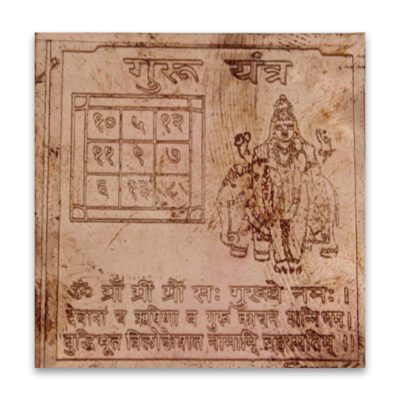
Guru Yantra


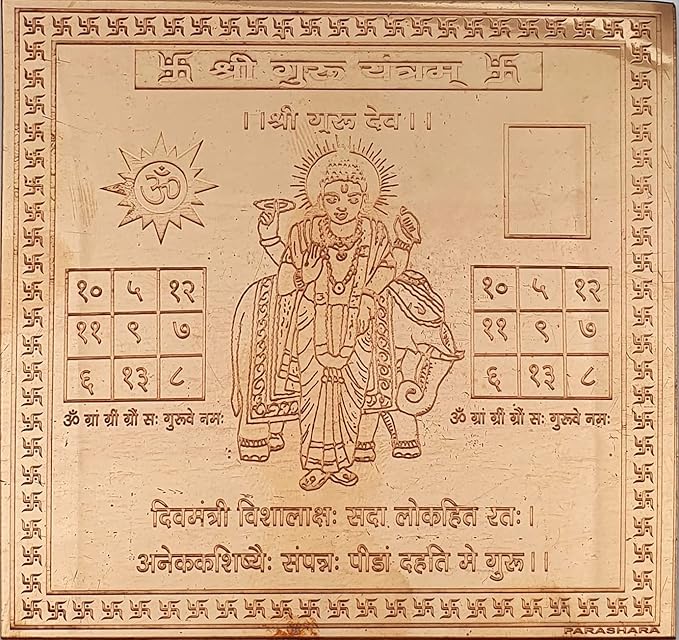
The Guru Yantra is a revered symbol in Hindu spirituality, representing the divine energy of the Guru, the spiritual teacher or guide. As a powerful tool for invoking the blessings and wisdom of the Guru, the Guru Yantra plays a significant role in spiritual practices, meditation, and rituals. This detailed description explores the brihaspati yantra design, symbolism, uses, benefits, and practical considerations.

1. Understanding the Guru Yantra

Definition and Structure: The Guru Yantra is a geometric diagram that symbolizes the spiritual presence and guidance of the Guru. It is an intricate design that combines geometric patterns with spiritual symbolism, intended to invoke the divine blessings and guidance of the Guru.

  • Central Point (Bindu): At the core of the Guru Yantra is the Bindu, a point that represents the source of creation and divine consciousness. It is the origin from which all energies emanate, symbolizing the Guru’s central role in spiritual enlightenment.

  • Triangles and Geometric Patterns: The Guru Yantra features a series of interlocking triangles, squares, and other geometric shapes arranged in a specific pattern. These elements represent the integration of divine energies and the spiritual path guided by the Guru.

  • Lotus Petals: Surrounding the central geometric patterns are lotus petals, symbolizing purity, spiritual awakening, and the unfolding of divine wisdom. The lotus represents the brihaspati yantra ability to guide practitioners from ignorance to enlightenment.

  • Outer Square: The entire Yantra is enclosed in a square, representing the material world and the containment of divine energies. The square signifies stability, protection, and the grounding of spiritual energies in the physical realm.

2. Symbolism and Meaning

Divine Guidance: The Guru Yantra symbolizes the divine guidance and wisdom of the Guru. Each component of the Yantra has specific symbolic meanings:

  • Bindu: Represents the divine source of knowledge and the brihaspati yantra central role in spiritual awakening.

  • Triangles and Patterns: Denote the divine structure of the cosmos and the path of spiritual growth illuminated by the Guru.

  • Lotus Petals: Symbolize the purity and enlightenment that the Guru imparts to seekers, helping them rise above material limitations.

  • Outer Square: Represents the physical world and the Guru’s protection and grounding of divine energies within this realm.

Spiritual Hierarchy: The Guru Yantra reflects the hierarchical structure of spiritual knowledge and guidance, with the Guru at the center, guiding and supporting the seeker’s journey towards enlightenment.

3. Uses and Applications

Meditation:

  • Focused Meditation: Practitioners use the Guru Yantra as a focal point for meditation to connect with the Guru’s divine energy and wisdom. Meditation on the Yantra helps in gaining clarity, guidance, and spiritual insight.

  • Mantra Chanting: The Yantra is often used in conjunction with specific mantras dedicated to the Guru, such as the Guru Vandana or Guru Stotra, to invoke blessings and deepen the meditative experience.

Rituals and Worship:

  • Puja Practices: The Guru Yantra is central to various pujas and rituals performed to honor the brihaspati yantra and seek divine guidance. It is placed on altars and offered prayers, flowers, and other ritual items.

  • Spiritual Space: It is used to create a sacred space in homes, temples, or meditation rooms, fostering an environment conducive to spiritual practices and the Guru’s presence.

Education and Learning:

  • Enhancing Learning: The Guru Yantra is used by students and seekers to enhance their learning, concentration, and intellectual growth. It is believed to facilitate the absorption of knowledge and wisdom imparted by the Guru.

4. Benefits of the Guru Yantra

Spiritual Enlightenment:

  • Divine Guidance: Regular use of the Guru Yantra helps in receiving the divine guidance and blessings of the Guru, leading to spiritual enlightenment and inner peace.

Enhanced Wisdom:

  • Knowledge and Clarity: The Guru Yantra is believed to enhance wisdom, clarity of thought, and intellectual abilities. It supports the seeker’s quest for knowledge and understanding.

Harmonizing Energy:

  • Balancing Energies: The Yantra helps in balancing and harmonizing energies within a space, creating a positive and spiritually enriching environment.

Strengthening Devotion:

  • Deepening Faith: Using the Guru Yantra deepens devotion to the Guru and strengthens the connection with divine guidance, fostering a more profound spiritual relationship.

Personal Growth:

  • Self-Improvement: The Guru Yantra supports personal growth and self-improvement by guiding practitioners in overcoming obstacles and achieving spiritual goals.


The Guru Yantra is a powerful symbol of divine guidance and spiritual wisdom, representing the central role of the brihaspati yantra in the seeker’s journey towards enlightenment. Its intricate design and sacred geometry make it a valuable tool for meditation, worship, and energy balancing. By understanding its symbolism, proper use, and benefits, practitioners can harness the Guru Yantra’s energy to enhance spiritual growth, receive divine guidance, and create a harmonious and spiritually enriching environment. Whether used in traditional practices or modern settings, the Guru Yantra remains a timeless and influential emblem of spiritual connection and wisdom.


 Practical Considerations

Choosing the Right Guru Yantra:

  • Material: The Guru Yantra can be made from various materials, including metal, stone, or crystal. Each material has unique energetic properties, with crystal Yantras often believed to enhance vibrational effects.

Placement Guidelines:

  • Direction: The Guru Yantra is ideally placed in the northeast corner of a room or meditation space to optimize its energy-enhancing properties. It can also be positioned on a dedicated altar or spiritual space.

  • Elevation: The brihaspati yantra should be placed at a height where it is easily visible and accessible, ideally on a pedestal or altar, to receive appropriate reverence.

Caring for the Guru Yantra:

  • Cleaning: Regular cleaning is important to maintain the Yantra’s purity and effectiveness. Use a soft cloth and mild cleaning agents, avoiding harsh chemicals.

  • Recharging: The Guru Yantra can be recharged by exposing it to sunlight or moonlight or by performing specific rituals to renew its energy and maintain its vibrational properties.

 Integration with Other Spiritual Practices

Complementary Tools:

  • Crystals: Combining the Guru Yantra with crystals such as clear quartz or amethyst can amplify its effects. Crystals enhance the Yantra’s energetic properties and support spiritual practices.

  • Meditation and Mantras: Integrating meditation and mantra chanting with the Guru Yantra can deepen the spiritual experience and help in manifesting desired outcomes.

Personalized Practices:

  • Customization: Tailor the use of the Guru Yantra based on individual spiritual needs and goals. Adjusting its placement, material, and associated rituals can enhance its effectiveness.

 Contemporary Relevance

Modern Adaptations:

  • Decorative and Functional: The Guru Yantra is increasingly used in modern decor, blending its spiritual significance with aesthetic appeal. It serves as both a decorative piece and a functional tool for spiritual growth.

  • Global Appeal: The principles of the Guru Yantra have gained international recognition, with people from various cultural backgrounds incorporating it into their spiritual and holistic practices.

Shree Yantra / Sri Yantra


Sri Yantra: An In-Depth Description

Introduction

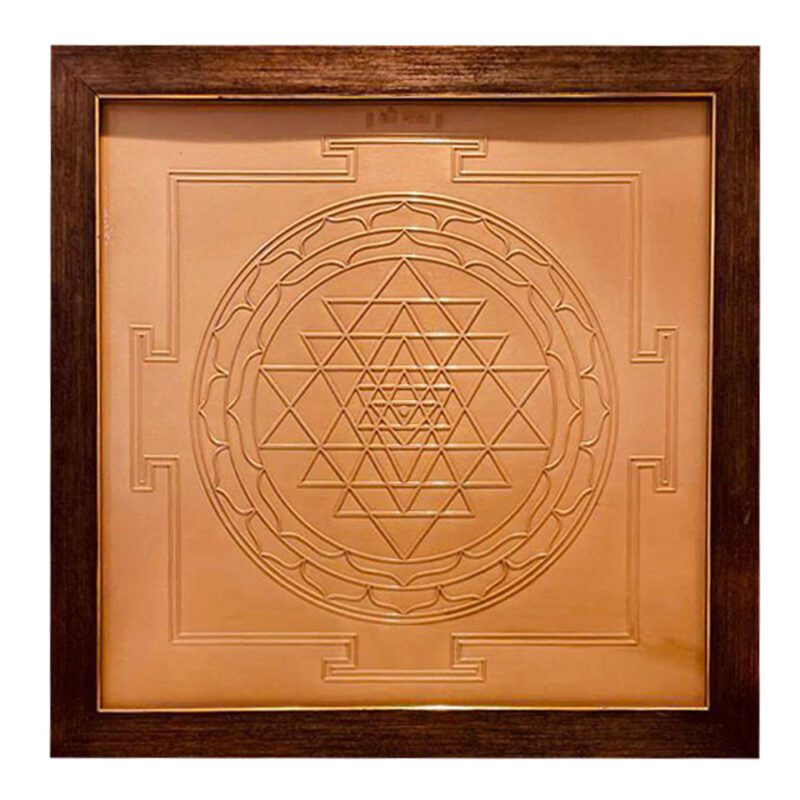
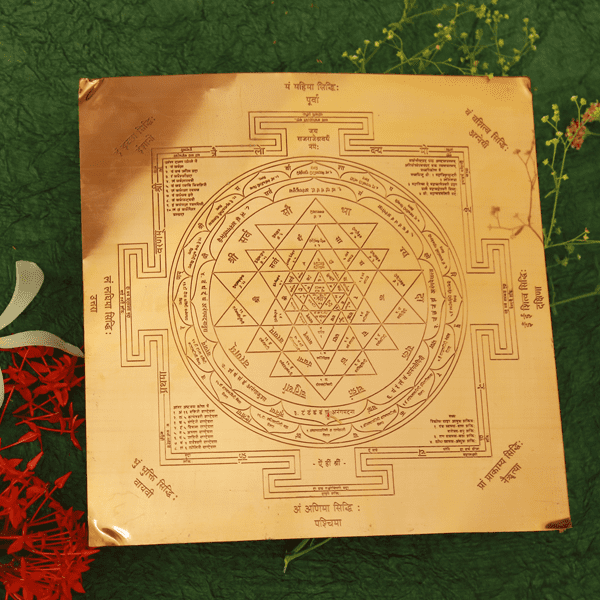
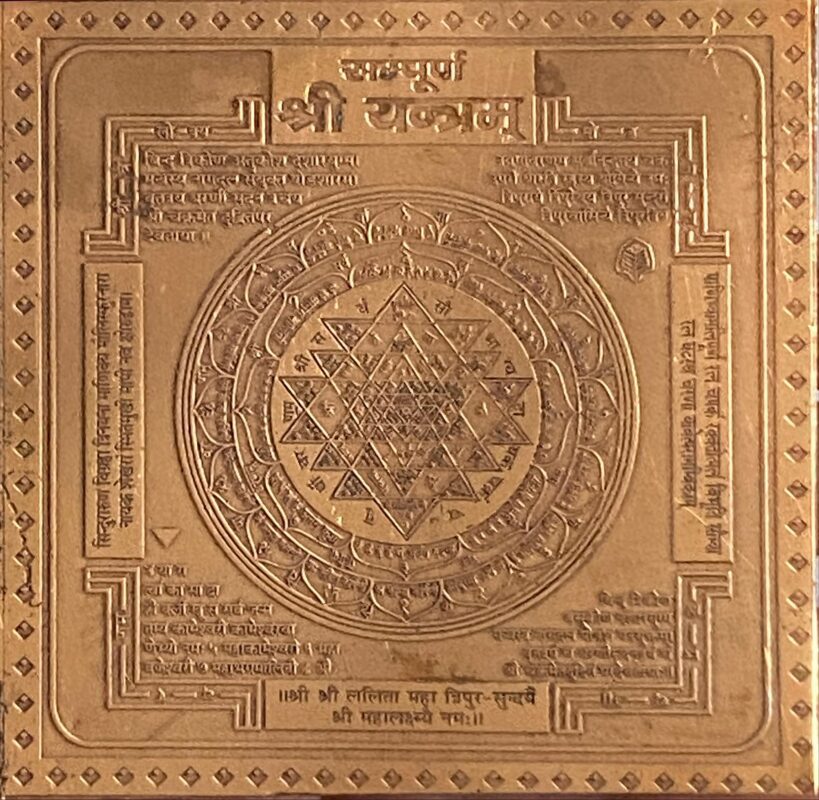
The Sri Yantra, also known as the Shree Yantra or Sri Chakra, is one of the most revered and complex sacred geometric diagrams in Hindu spirituality. It holds a profound significance in various spiritual and ritualistic practices, symbolizing the divine feminine energy and the entire cosmos. This detailed description explores the Sri Yantra’s design, symbolism, uses, and benefits, highlighting its importance in spiritual practices and Vastu Shastra.

1. Understanding the Sri Yantra

Definition and Structure: The Shree Yantra is a geometric figure made up of interlocking triangles arranged in a precise and symmetrical pattern. It is a multi-dimensional representation of the divine feminine energy (Shakti) and is considered a powerful tool for meditation, manifestation, and spiritual growth.

Geometric Composition:

  • Central Bindu: At the center of the Shree Yantra is the Bindu, a point that represents the source of creation and divine consciousness. It is the origin from which all the triangles and shapes emanate, symbolizing the unity and singularity of the divine source.

  • Nine Interlocking Triangles: Surrounding the Bindu are nine interlocking triangles arranged in a specific pattern. These triangles form a central hexagram, representing the union of the masculine (Shiva) and feminine (Shakti) energies. They are arranged in a way that they intersect, creating 43 smaller triangles which symbolize various deities and cosmic elements.

  • Lotus Petals: The interlocking triangles are encased within two lotus petals, each with eight petals. The lotus symbolizes purity and spiritual enlightenment, indicating that the divine energy is accessible even amidst worldly chaos.

  • Outer Square and Gateways: The Yantra is enclosed in a square with four gateways or doors on its sides, representing the four cardinal directions. This square symbolizes the earthly plane and the boundaries of the material world, containing the divine energy within its confines.

2. Symbolism and Meaning

Divine Representation: The Sri Yantra represents the divine feminine principle and the cosmic creation process. Each component of the Yantra holds specific symbolic meanings:

  • Bindu: Symbolizes the point of creation and the ultimate reality.
  • Triangles: The interlocking triangles signify the balance between the divine masculine and feminine energies and the creation of the universe.
  • Lotus Petals: Represent purity, spiritual growth, and the unfolding of divine grace.
  • Outer Square: Symbolizes the material world and the divine protection and containment of cosmic energies.

Cosmic Harmony: The Sri Yantra is viewed as a visual representation of the cosmic order and harmony. Its complex geometric arrangement reflects the intricate and orderly nature of the universe and the divine principles governing it.

3. Uses and Applications

Meditation:

  • Focused Meditation: The Sri Yantra is used as a focal point for meditation. Practitioners believe that meditating on the Yantra helps in aligning with the divine energies, achieving inner peace, and enhancing spiritual awareness.
  • Mantra Chanting: It is often used in conjunction with specific mantras, such as the Sri Vidya Mantra, which are chanted to invoke the divine energies and manifest desires.

Rituals and Worship:

  • Puja Practices: The Sri Yantra is central to various pujas (ritual worship) dedicated to Goddess Lakshmi, the deity associated with wealth and prosperity. The Yantra is placed on altars and offered prayers, flowers, and other ritual items.
  • Sacred Space: It is used to create sacred spaces in homes and temples, bringing divine energy and harmony to the environment.


Vastu Shastra:

  • Spatial Harmony: In Vastu Shastra, the Sri Yantra is used to enhance the energy flow in a space. It is placed in specific directions to harmonize the energy and promote prosperity and well-being.
  • Feng Shui: Similar to Vastu, the Sri Yantra is also used in Feng Shui practices to improve energy flow and attract positive vibrations in the environment.

 Benefits of the Sri Yantra

Spiritual Growth:

  • Inner Peace: Regular meditation and worship with the Sri Yantra are believed to bring inner tranquility and spiritual growth. It helps in achieving a deeper connection with the divine and a greater understanding of one’s purpose.

Manifestation of Desires:

  • Attracting Prosperity: The Sri Yantra is associated with attracting wealth, health, and prosperity. It is believed that focusing on the Yantra helps in manifesting material and spiritual desires.

Harmonizing Energy:

  • Balancing Energies: The Sri Yantra helps in balancing and harmonizing the energies in a space, promoting positive vibrations and reducing negative influences.

Emotional and Mental Clarity:

  • Mental Focus: Meditation on the Sri Yantra is said to improve mental clarity and focus, aiding in decision-making and reducing stress and anxiety.

 Practical Considerations

Choosing the Right Sri Yantra:

  • Material: The Sri Yantra can be made from various materials, including metal, stone, or crystal. The choice of material can affect its energy and effectiveness. For instance, a crystal Sri Yantra is believed to enhance its vibrational properties.

Placement Guidelines:

  • Direction: According to Vastu Shastra, the Sri Yantra should be placed in the northeast corner of a room or office to enhance positive energy flow. It can also be positioned in the meditation area or prayer room for spiritual practices.
  • Elevation: The Yantra should be placed at a height where it is easily visible and accessible, ideally on an altar or a pedestal.

Caring for the Sri Yantra:

  • Cleaning: Regular cleaning of the Sri Yantra is important to maintain its purity and effectiveness. Use gentle methods such as wiping with a soft cloth and avoiding harsh chemicals.
  • Recharging: The Yantra can be recharged by exposing it to sunlight or moonlight, or by performing specific rituals to renew its energy.

 Integration with Other Spiritual Practices

Complementary Tools:

  • Crystals: Combining the Sri Yantra with crystals can amplify its effects. Crystals such as clear quartz or amethyst are often used to enhance the energy of the Yantra.
  • Meditation and Mantras: Integrating meditation and mantra chanting with the Sri Yantra can deepen the spiritual experience and manifest desired outcomes.

Personalized Practices:

  • Customization: Tailor the use of the Sri Yantra based on personal goals and spiritual needs. Customizing its placement, material, and associated rituals can enhance its effectiveness.

Contemporary Relevance

Modern Adaptations:

  • Decorative and Functional: The Sri Yantra is increasingly used in modern decor, blending aesthetic appeal with its spiritual significance. It serves as both a decorative piece and a functional tool for enhancing energy and harmony.
  • Global Appeal: The Sri Yantra’s principles have gained global recognition, with individuals from various cultures incorporating it into their spiritual and holistic practices.

Conclusion

The Sri Yantra is a profound symbol of cosmic order, divine feminine energy, and spiritual harmony. Its intricate design and sacred geometry make it a powerful tool for meditation, ritual worship, and enhancing spatial energy. By understanding its symbolism, proper use, and benefits, practitioners can harness the Sri Yantra’s energy to promote spiritual growth, manifest desires, and create a balanced and harmonious environment. Whether used in traditional practices or modern settings, the Sri Yantra remains a timeless and influential symbol of divine connection and cosmic balance.


1. Understanding the Sri Yantra

Definition and Structure: The Sri Yantra is a multi-dimensional diagram composed of interlocking triangles arranged in a specific geometric pattern. It is a representation of the divine feminine energy (Shakti) and embodies the principles of cosmic creation and universal harmony.

  • Central Bindu: At the core of the Shree Yantra is the Bindu, a central point symbolizing the origin of creation and the ultimate reality. It represents the singular source from which all forms of existence emanate.

  • Nine Interlocking Triangles: Surrounding the Bindu are nine interlocking triangles that form a central hexagram. These triangles symbolize the union of the divine masculine (Shiva) and feminine (Shakti) energies. The interlocking pattern creates 43 smaller triangles, representing various deities and cosmic principles.

  • Lotus Petals: The nine triangles are enclosed within two lotus petals, each with eight petals. The lotus symbolizes purity, enlightenment, and the unfolding of divine grace.

  • Outer Square: The entire Yantra is encased in a square with four gateways or doors, representing the four cardinal directions. This square signifies the material world and the containment of divine energies.

2. Symbolism and Meaning

Divine Representation: The Sri Yantra embodies the cosmic order and the divine feminine energy. Each element of the Yantra has specific symbolic meanings:

  • Bindu: Represents the point of creation and the infinite potential of the divine.

  • Triangles: The triangles denote the duality of masculine and feminine energies, the creation of the universe, and the divine union.

  • Lotus Petals: Symbolize spiritual growth, purity, and the emergence of divine consciousness from the material world.

  • Outer Square: Represents the earthly plane, the containment of cosmic energies, and the protection of the divine presence.

Cosmic Harmony: The Sri Yantra reflects the intricate and harmonious structure of the universe. Its geometric precision symbolizes the orderly and balanced nature of cosmic creation.

3. Uses and Applications

Meditation:

  • Focused Meditation: Practitioners use the Sri Yantra as a focal point for meditation to connect with the divine energies, achieve inner peace, and enhance spiritual awareness.

  • Mantra Chanting: The Yantra is often used with specific mantras, such as the Sri Vidya Mantra, to invoke divine blessings and manifest desires.

Rituals and Worship:

  • Puja Practices: The Sri Yantra is central to worship rituals dedicated to Goddess Lakshmi and other deities associated with prosperity and well-being. It is placed on altars and offered prayers and offerings.

  • Sacred Space: It is used to create sacred environments in homes and temples, enhancing the spiritual atmosphere and inviting divine energy.

Vastu Shastra:

  • Spatial Harmony: In Vastu Shastra, the Sri Yantra is used to improve the energy flow within a space. Its placement in specific directions helps in balancing energies and fostering positive vibrations.

  • Feng Shui: Similar to Vastu, the Sri Yantra is also utilized in Feng Shui practices to harmonize energy and attract prosperity and success.

4. Benefits of the Sri Yantra

Spiritual Growth:

  • Inner Peace: Regular meditation with the Sri Yantra promotes inner tranquility, spiritual growth, and a deeper connection with the divine.

Manifestation of Desires:

  • Attracting Prosperity: The Sri Yantra is associated with the manifestation of material and spiritual desires. Its use is believed to attract wealth, health, and success.

Harmonizing Energy:

  • Balancing Energies: The Sri Yantra helps in balancing and harmonizing energies within a space, creating a positive and conducive environment.

Emotional and Mental Clarity:

  • Mental Focus: Meditation on the Sri Yantra improves mental clarity, focus, and decision-making abilities. It also aids in reducing stress and anxiety.