Category Archives: Wavs

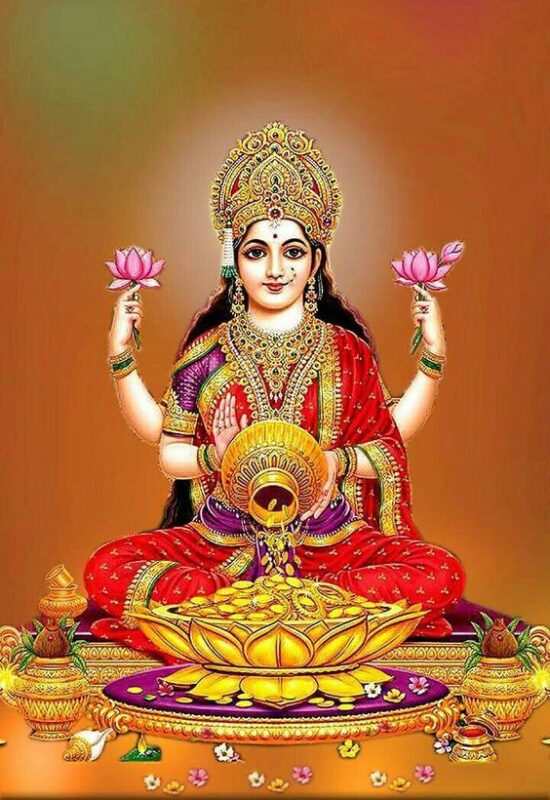
Shree Laxmi Mata Aarti

Shree Laxmi Mata Aarti


Om Jai Lakshmi Mata, Maiya Jai Lakshmi Mata,
Tumko Nishdin Sevat, Har Vishnu Vidhata.

Om Jai Lakshmi Mata

Uma Rama Bharmani, Tum Hi Jag Mata,
Surya Chandrma Dhyavat Naard Rishee Gata.

Om Jai Lakshmi Mata

Durga Roop Niranjani, Sukh Sampati Data,
Jo Koi Tum Ko Dhayata, Riddhi Siddhi Pata.

Om Jai Lakshmi Mata

Tum Patal Nivasini, Tum Hi Shubh Data,
Karam-Prabhav-Prakashini, Bhav Nidhi Ki Trata.

Om Jai Lakshmi Mata

Jis Ghar Main Tum Rahti, Sub Sadgun Aata,
Sub Sambhav Ho Jata, Man Nahi Ghabrata.

Om Jai Lakshmi Mata

Tum Bin Yagya Na Hove, Vastra No Koi Pata,
Khan-Pana Ka Vaibhav, Sub Tumse Pata.

Om Jai Lakshmi Mata

Shubhgun Mandir Sundar, Sheerodadhi Jata,
Ratan Chaturdhsh Tum Bin, Koi Nahi Pata. Continue reading

Step-By-Step Guide to Perfectly Celebrate Ganesh Chaturthi Puja at Home

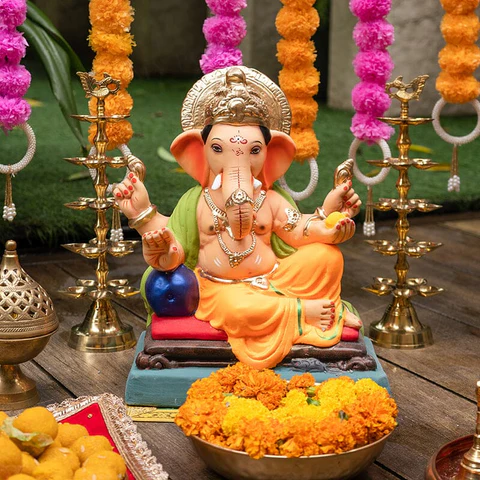
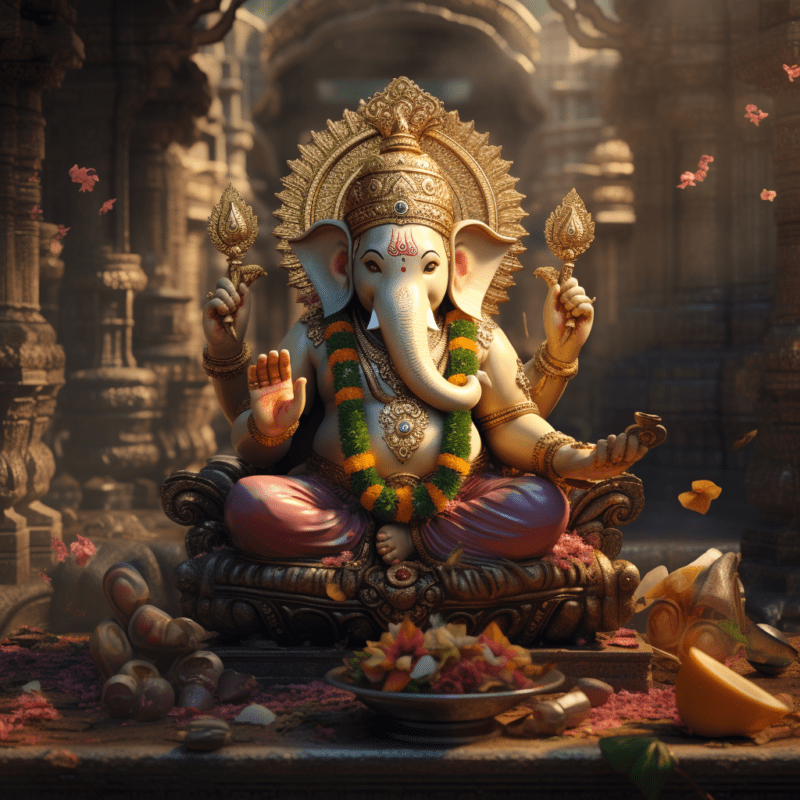
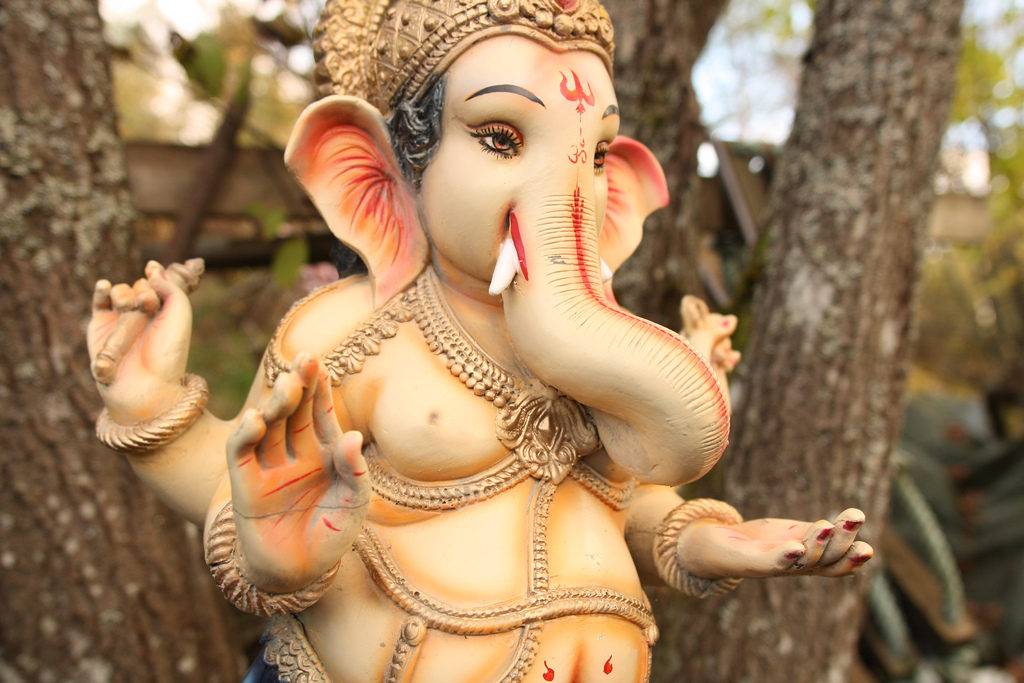
Celebrating  Ganesh Chaturthi  at home is a cherished tradition that begins with thorough cleaning and preparation of the household, symbolizing purity and readiness to welcome Lord Ganesha. The atmosphere is transformed with colorful decorations such as intricate rangolis adorning the floor and vibrant torans hanging at the entrances, creating an ambiance of festivity and spirituality. Central to the celebration is the acquisition of a clay idol or picture of Lord Ganesha, carefully placed on a clean, adorned platform or altar. Essential puja items including fresh flowers, turmeric, kumkum, incense sticks, and a variety of fruits are gathered, each item meticulously chosen for its symbolic significance in invoking the deity’s blessings.

 
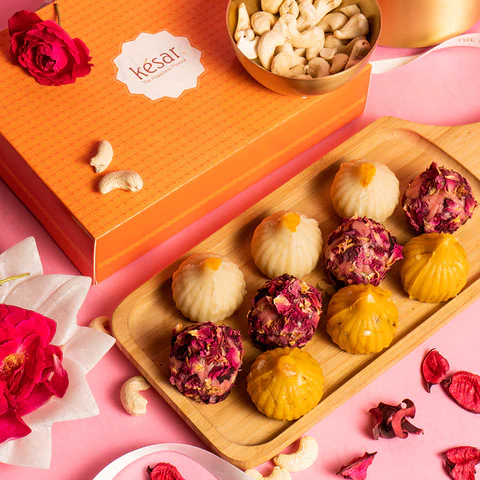
The puja commences with the lighting of a diya (lamp) and incense sticks, filling the air with fragrant smoke and the warm glow of devotion. Devotees offer prayers and chant mantras, invoking Lord Ganesha’s presence with reverence and sincerity. Traditional offerings such as 21 blades of durva grass or tulsi leaves are presented to the deity, accompanied by the rhythmic ringing of bells and the melodious recitation of devotional songs. Modaks, believed to be Ganesha’s favorite sweet, are lovingly offered along with other sweets and coconut.
 
Throughout the puja, devotees recite the Ganesh Mantra, “Om Gam Ganapataye Namaha,” seeking blessings for prosperity, wisdom, and the removal of obstacles in their lives. Families and guests partake in the distribution of prasad (offered food), symbolizing the divine blessings received during the ceremony. The celebration culminates in a sense of unity and spiritual fulfillment, as participants immerse themselves in the vibrant festivities and collective devotion to Lord Ganesha, marking Ganesh Chaturthi as a time of joy, renewal, and spiritual awakening in their homes.
 
Celebrating Ganesh Chaturthi at Home: A Spiritual Journey

Lorem ipsum dolor sit amet, consectetuer adipiscing elit, sed diam nonummy nibh euismod tincidunt ut laoreet dolore magna aliquam erat volutpat.

Celebrating Ganesh Chaturthi at home can be a beautiful and spiritually fulfilling experience. Here’s a step-by-step guide to help you celebrate this auspicious festival:

Preparations:

  1. Clean and Decorate:

    • Begin by cleaning your home thoroughly. This symbolizes purity and readiness to welcome Lord Ganesha.
    • Decorate your home with flowers, rangoli (traditional floor art), and torans (door hangings) to create a festive atmosphere.
  2. Ganesha Idol or Picture:

    • Arrange for a Ganesha idol or picture for the puja. If you have a clay idol, it’s traditional to bring it home a day before the festival.
  3. Puja Items:

    • Gather puja essentials such as flowers, turmeric, kumkum (vermilion), incense sticks, camphor, coconut, fruits, sweets (modaks are traditional), and a bell.

Step-by-Step Puja Procedure:

  1. Ganesh Avahan (Invoking Ganesha):

    • Place the idol or picture on a clean platform or altar.
    • Light the lamp (diya) and incense sticks.
    • Offer flowers, turmeric, kumkum, and rice grains to the idol while chanting:
      • Om Gam Ganapataye Namaha
  2. Ganesh Puja:

    • Offer 21 (or any number you prefer) blades of durva grass or tulsi leaves to Lord Ganesha.
    • Perform aarti (circling a lit lamp in front of the deity) accompanied by ringing the bell and singing devotional songs.
    • Offer coconut, fruits, and sweets to Ganesha.
    • You can also perform a Ganesh Sahasranama (chanting 1000 names of Ganesha) or read from scriptures if you wish.
  3. Modak Offering:

    • Modaks are believed to be Lord Ganesha’s favorite sweet. Offer them to the deity along with other sweets.
  4. Prayer and Mantra:

    • Offer your prayers and seek Lord Ganesha’s blessings for prosperity, wisdom, and the removal of obstacles.
    • Chant the Ganesh Mantra:
      • Om Gan Ganapataye Namaha
  5. Visarjan (Immersion):

    • On the final day of the festival, traditionally after 1.5, 3, 5, 7, or 11 days depending on family tradition, perform a farewell ritual (visarjan) by immersing the idol in a body of water, symbolizing Ganesha’s journey back to Mount Kailash.


  • Prasad Distribution: After the puja, distribute the prasad (offerings) among family members and guests.


  • Community Celebrations: Join local community events and processions if possible, to experience the festive spirit collectively.

Notes:

  • Duration: The puja can vary in length based on personal preference and traditions.
  • Devotional Songs: Singing bhajans and devotional songs throughout the puja can enhance the spiritual ambiance.
  • Intentions: Set intentions or make wishes during the puja, as it is believed that Ganesha blesses devotees with their desires.

Celebrating Ganesh Chaturthi at home is a joyous occasion that fosters spiritual growth and community bonds. Enjoy the festivities and the presence of Lord Ganesha in your home!

Step By Step Ganesh Chaturthi Puja Vidhi

Decorated with floral decorations and gorgeous lights, Ganesh Chaturthi celebrations witness a doubling of joy, happiness, excitement, and devotion every day. Similarly, the Vidhis performed everyday symbolize the love towards the Lord Ganpati. Celebrated for 10 long days, this festival begins with the following Vidhis.

# Avahana and Pratishthapana

Join your palms together with thumbs folded inside, showcasing Avahana Mudra, and chant the following mantras to invoke the idol with life.


Mantra for Avahana :

He Heramba Tvamehyehi Hyambikatryambakatmaja।
Siddhi-Buddhi Pate Tryaksha Lakshalabha Pituh Pitah॥
Nagasyam Nagaharam Tvam Ganarajam Chaturbhujam।
Bhushitam Svayudhaudavyaih Pashankushaparashvadhaih॥
Avahayami Pujartham Rakshartham Cha Mam Kritoh।
Ihagatya Grihana Tvam Pujam Yagam Cha Raksha Me॥
Om Siddhi-Buddhi Sahitaya Shri Mahaganadhipataye Namah।
Avahayami-Sthapayami॥


Mantra for Pratishthapana :

Asyai Pranah Pratishthantu Asyai Pranaksharantu Cha।
Asyai Devatvamarchayai Mamaheti Cha Kashchana॥
Om Siddhi-Buddhi Sahitaya Shri Mahaganadhipataye Namah।
Supratishtho Varado Bhava॥


# Asana Samarpan

Once the invoking and installing of the idol is done, take five flowers in your palms, recite the below mantra and offer a seat to the Lord and the flowers on his feet.

Vichitraratnakhachitam Divyastaranasamyutam।
Swarna Simhasanam Charu Grihana Guhagraja॥
Om Siddhi-Buddhi Sahitaya Shri Mahaganadhipataye Namah।
Asanam Samarpayami॥


# Padya Samarpan

This includes washing the feet of Ganpati Bappa while reciting the mantra;

Om Sarvatirthasamudbhutam Padyam Gandhadibhiryutam।
Gajanana Grihanedam Bhagawana Bhaktavatsalah॥
Om Siddhi-Buddhi Sahitaya Shri Mahaganadhipataye Namah।
Padayoh Padyam Samarpayami॥


# Arghya Samarpan

While chanting the following mantra, offer scented water to the murti.

Om Ganadhyaksha Namasteastu Grihana Karuna Kara।
Arghyam Cha Phala Samyuktam Gandhamalyakshatairyutam॥
Om Siddhi-Buddhi Sahitaya Shri Mahaganadhipataye Namah।
Hastorarghyam Samarpayami॥
 

# Achamana

Offer water to Ganpati for Achamana while chanting the mantra;
Vighnaraja Namastubhyam Tridashairabhivandita।
Gangodakena Devesha Kurushwachamanam Prabho॥
Om Siddhi-Buddhi Sahitaya Shri Mahaganadhipataye Namah।
Mukhe Achamaniyam Samarpayami॥
 

# Snana Mantra

Below are the mantras while offering Snana (bathing) to the murti.

● Jal Snana – With the chanting of the mantra Shri Ganesha is offered water for bathing.

Narmada Chandrabhagadi Gangasangasajairjalaih।
Snani Tosi Maya Deva Vighnasagham Nivaraya॥
Om Siddhi-Buddhi Sahitaya Shri Mahaganadhipataye Namah।
Sarvanga Snanam Samarpayami॥


● Panchamrita Snanam – Offering Panchamrit (milk, ghee, sugar, curd, honey) while chanting the below mantra.

Panchamritam Mayaaanitam Payodadhi, Ghritam Madhu।
Sharkara Cha Samayuktam Snanartham Pratigrihyatam॥


● Payah/Dugdha Snanam – Give a bath with Paya (milk) while chanting the below mantra.

Kamadhenusamudbhutam Sarvesham Jivanam Param।
Tejah Pushtikaram Divyam Snanartham Pratigrihyatam॥


● Dadhi Snanam – Now bathe the idol with curd while chanting the below mantra.

Payasastu Samudbhutam Madhuramlam Shashiprabham।
Dadhyanitam Mayadeva Snanartham Pratigrihyatam॥


● Ghrita Snanam – Give a bath with Ghee while chanting the below mantra.

Navanita Samutpannam Sarvasantoshakarakam।
Ghritam Tubhyam Pradasyami Snanartham Pratigrihyatam॥
 

● Madhu Snanam – While chanting the below mantra, offer honey to the murti.

Pushparenusamudbhutam Suswadu Madhuram Madhu।
Tejah Pushtikaramdivyam Snanartham Pratigrihyatam॥


● Sharkara Snanam – Now give a bath with sugar to the idol while chanting the below mantra.

Ikshusarasamudbhutam Sharkara Pushti Da Shubha।
Malapaharika Divya Snanartham Pratigrihyatam॥
 

● Suvasita Snanam – Along with chanting the below mantra, offer scented oil to the murti.

Champakashekabakula Malati Mogaradibhih।
Vasitam Snigdhatahetu Tailam Charu Pratigrihyatam॥


● Shuddhodaka Snanam – Bathe the murti with Gangajal while chanting the below mantra.

Ganga Cha Yamuna Chaiva Godavari Saraswati।
Narmada Sindhuh Kaveri Snanartham Pratigrihyatam॥


# Vastra Samarpan and Uttariya Samarpan

● Vastra Samarpan – This Vidhi includes offering Moli (new clothes) to the murti and chanting of the below mantra.

Shitavatoshna Santranam Lajjaya Rakshanam Parama।
Dehalankaranam Vastramatah Shanti Prayachchha Me॥
Om Siddhi-Buddhi Sahitaya Shri Mahaganadhipataye Namah।
Vastram Samarpayami॥


● Uttariya Samarpan – Offer clothes that cover the upper body of the murti while chanting the below mantra.

Uttariyam Tatha Deva Nana Chitritamuttamam।
Grihanendram Maya Bhaktaya Dattam Tat Saphali Kuru॥
Om Siddhi-Buddhi Sahitaya Shri Mahaganadhipataye Namah।
Uttariya Samarpayami॥
 

● Yajnopavita Samarpan – This includes offering Yajnopavita to the idol while chanting below mantra.

Navabhistantubhiryuktam Trigunam Devatamayam।
Upavitam Mayadattam Grihana Parameshwara॥
Om Siddhi-Buddhi Sahitaya Shri Mahaganadhipataye Namah।
Yajnopavitam Samarpayami॥
 

● Gandha – While chanting the below mantra, offer scent to the murti.

Shri Khanda Chandana Divyam Gandhadhyam Sumanoharam।
Vilepanam Surashreshtha Chandanam Pratigrihyatam॥
Om Siddhi-Buddhi Sahitaya Shri Mahaganadhipataye Namah।
Gandham Samarpayami॥


● Akshata – While chanting the below mantra, offer Akshat (unbroken) to the murti.

Akshatashcha Sura Shreshtha Kumkumalah Sushobhitah।
Maya Nivedita Bhaktaya Grihana Parameshwara॥
Om Siddhi-Buddhi Sahitaya Shri Mahaganadhipataye Namah।
Akshatan Samarpayami॥


# Pushpa Mala, Shami Patra, Durvankura, Sindoor

● Pushpa Mala – Next, is to offer a garland made of flowers to the murti while chanting the following mantra.

Malyadini Sugandhini Malyadinivai Prabhuh।
Maya Hritani Pushpani Grihyantam Pujanaya Bhoh॥
Om Siddhi-Buddhi Sahitaya Shri Mahaganadhipataye Namah।
Pushpamalam Samarpayami॥


● Shami Patra – Along with chanting the below mantra, offer Shami Patra to the murti.

Tvatpriyani Supushpani Komalani Shubhani Vai।
Shamidalani Heramba Grihana Gananayaka॥
Om Siddhi-Buddhi Sahitaya Shri Mahaganadhipataye Namah।
Shami Patrani Samarpayami॥
 

● Durvankur – Now offer 3 or 5 leaflets of Durva grass to the murti while chanting the following mantra.


● Sindoor – Offer Sindoor (vermilion) while chanting the following mantra.

Sindoor Shobhanam Raktam Saubhagyam Sukhavardhanam।
Shubhadam Kamadam Chaiva Sindooram Pratigrihyatam॥
Om Siddhi-Buddhi Sahitaya Shri Mahaganadhipataye Namah।
Sindoor Samarpayami॥


● Dhoop – Next is to offer Dhoop to the murti while chanting following mantra.

Vanaspatirasodbhuto Gandhadhyo Gandhah Uttamah।
Aghreya Sarva Devanam Dhupoayam Pratigrihyatam॥
Om Siddhi-Buddhi Sahitaya Shri Mahaganadhipataye Namah।
Dhupamaghrapayami॥


# Deep Samarpan

Now offer deep to the murti while chanting the below mantra.

Sajyam Chavartisamyuktam Vahnina Yojitam Maya।
Deepam Grihana Devesha Trailokyatimira Paham॥
Bhaktya Deepam Prayachchhami Devaya Paramatmane।
Trahimam Nirayad Ghoraddipajyotirnamoastute॥
Om Siddhi-Buddhi Sahitaya Shri Mahaganadhipataye Namah।
Deepam Darshayami॥


# Naivedya and Karodvartan

● Naivedya Nivedan – This is the Vidhi of offering Naivedya to the Lord while chanting the following mantra.

Naivedyam Grihyatam Deva Bhakti Me Hyachalam Kuru।
Ipsitam Me Varam Dehi Paratra Cha Param Gatim॥
Sharkara Khanda Khadyani Dadhi Kshira Ghritani Cha।
Aharam Bhakshya Bhojyam Cha Naivedyam Pratigrihyatam॥
Om Siddhi-Buddhi Sahitaya Shri Mahaganadhipataye Namah।
Naivedyam Modakamayarituphalani Cha Samarpayami॥


● Chandan Karodvartan – Once Naivedya is offered, while chanting the following mantra also offer water mixed with chandan.

Chandanam Malayodbhutam Kasturyadi Samanvitam।
Karodvartanakam Deva Grihana Parameshwara॥
Om Siddhi-Buddhi Sahitaya Shri Mahaganadhipataye Namah।
Chandanena Karodvartanam Samarpayami॥


# Tambula, Narikela and Dakshina Samarpan

● Tambula Samarpan – While chanting the below mantra, offer Tambula, i;e. a Paan with betel nuts.

Om Pugiphalam Mahadivyam Nagavallidalairyutam।
Ela Churnadisamyuktam Tambulam Pratigrihyatam॥
Om Siddhi-Buddhi Sahitaya Shri Mahaganadhipataye Namah।
Mukha Vasarthamela Pugi Phaladi Sahitam Tambula Samarpayami॥


● Narikela Samarpan – While chanting the following mantra, offer coconut to the Lord.

Idam Phalam Mayadeva Sthapitam Puratastava।
Tena Me Saphalavaptirbhavejjanmani Janmani॥
Om Siddhi-Buddhi Sahitaya Shri Mahaganadhipataye Namah।
Narikela Phalam Samarpayami॥


● Dakshina Samarpan – Once done, offer Dakshina (a gift) to the Lord while chanting the below mantra.

Hiranyagarbhagarbhastham Hema Bijam Vibhavasoh।
Ananta Punya Phaladamatah Shantim Prayachchha Me॥
Om Siddhi-Buddhi Sahitaya Shri Mahaganadhipataye Namah।
Dravyam Dakshinam Samarpayami॥


# Neerajan and Visarjan

● Neerajan/Aarti – Once, Tambula, Narikela and Dakshina are offered, perform Aarti of Lord Ganesha after chanting the below mantra.

Kadali Garbha Sambhutam Karpuram Tu Pradipitam।
Arartikamaham Kurve Pashya Me Varado Bhava॥
Om Siddhi-Buddhi Sahitaya Shri Mahaganadhipataye Namah।
Karpura Neerajanam Samarpayami॥


● Pushpanjali Arpan – While chanting the below mantra, offer Pushpanjali to the Lord.

Nanasugandhi Pushpani Yatha Kalodbhavani Cha।
Pushpanjalirmaya Datto Grihana Parameshwara॥
Om Siddhi-Buddhi Sahitaya Shri Mahaganadhipataye Namah।
Mantra Pushpanjali Samarpayami॥


● Pradakshina – While chanting below Mantra, offer Pradakshina (a symbolic circumambulate from left to right of Shri Ganesha) along with flowers.

Yani Kani Cha Papani Jnatajnata Kritani Cha।
Tani Sarvani Nashyanti Pradakshina Pade Pade॥
Om Siddhi-Buddhi Sahitaya Shri Mahaganadhipataye Namah।
Pradakshinam Samarpayami॥


● Visarjan – While chanting the below mantra, immerse the idol in the water.

Avahanam Na Janami Na Janami Tavarchanam।
Pujam Chaiva Na Janami Kshamasva Ganeshwara॥
Anyatha Sharanam Nasti Tvameva Sharanam Mam।
Tasmatkarunya Bhavena Rakshasva Vighneshwara॥
Gatam Papam Gatam Dukham Gatam Daridraya Meva Cha।
Agata Sukha Sampattih Punyachcha Tava Darshanat॥
Mantrahinam Kriyahinam Bhaktihinam Sureshwara।
Yatpujitam Maya Deva Paripurnam Tadastu Me॥
Yadaksharapada Bhrashtam Matrahinam Cha Yadbhavet।
Tatsarva Kshamyatam Deva Prasida Parameshwara॥
 
Conclusion:

Ganesh Chaturthi is celebrated in Maharashtra all over the country. Huge idols are placed in places for everyone to pay and Visarajan takes place on the tenth day. The idol is carried to the shore and sunk with a festival procession. This marks the beginning of a new phase with Lord Ganesha’s blessing. Make sure to buy eco-friendly Ganesha that is made up of natural materials and celebrate the festival without hampering the environment.


   

                                                                                           CONTACT US 

Address: Navi Mumbai 

Phone no: 07021777705

Email: info@whiteauravastustore.com 

Shiv Ji Aarti

Shiv Ji Aarti

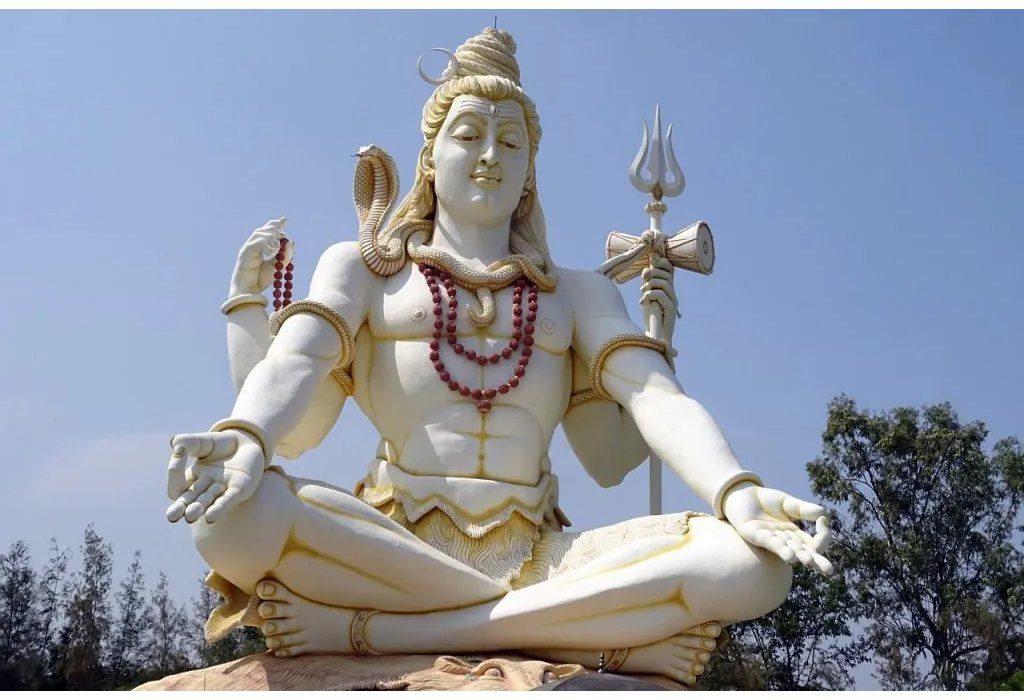
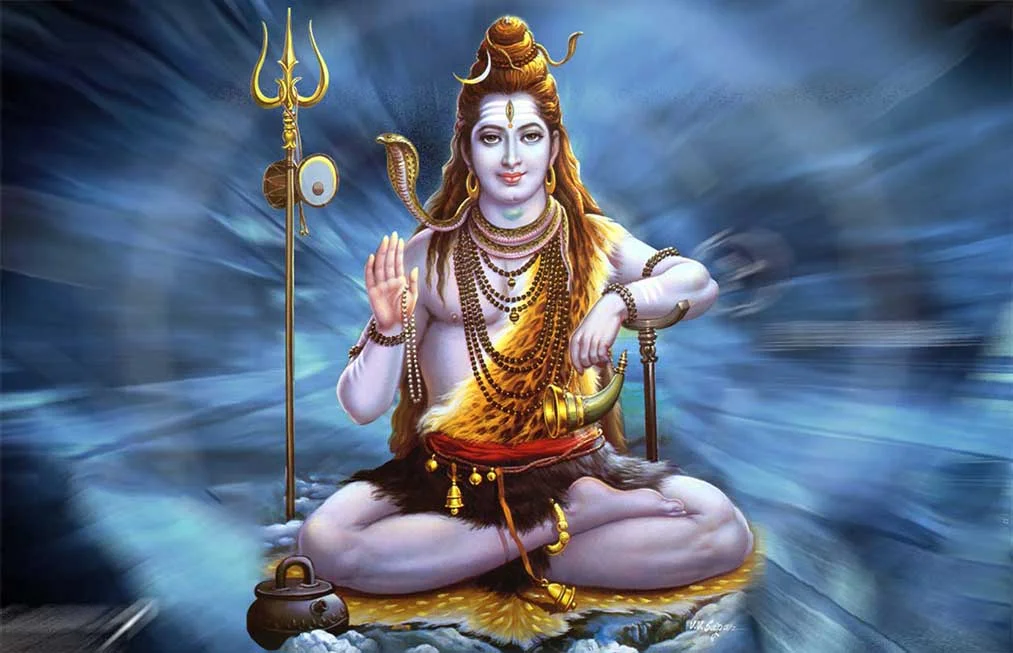
Om Jai Shiv Omkara Swami Jai shiva Omkara ।
Bramha Vishnu Sadashiv Ardhangi Dhaara II

Om jai shiv omkara II

Ekaanan chaturaanan panchaanan raje ।
Hansaasan garudaasan vrishvaahan saaje II

Om jai shiv omkara II

Do Bhuj Chaaru Chaturbhuj Dasbhuj Ati Sohe ।
Teeno Rup Nirakhate Tribhuvan Jan Mohe II

Om jai shiv omkara II

Akshamaala Vanmaala Rundmaala Dhaari ।
Tipurari Kansari Kar Mala Dhari II

Om jai shiv omkara II

Shvetambar Pitambar baaghambar Ange ।
sankaadik Garudaadik bhutaadik sange II

Om jai shiv omkara II

Kar madhy Sukmandalu Chakra shuldhari ।
Sukhakari Dukhahari Jagpalan Kaari II

Om jai shiv omkara II

Bramha vishnu sadaashiv jaanat aviveka ।
Pranavaakshar me Shobhit ye tino ekaa II

Om jai shiv omkara II

Kashi Me Viraaje Vishvanaath, Nandi Bramhchaari ।
Nit Uthh Darshan Paavat, Mahimaa Ati Bhaari II

Om jai shiv omkara II

Trigunaswamiji ki aarti jo koi nar gave ।
Kahat shivanand swami sukh sampati pave II

Om jai shiv omkara II
 

शिवजी आरती

ॐ जय शिव ओंकारा, स्वामी जय शिव ओंकारा।
ब्रह्मा, विष्णु, सदाशिव, अर्द्धगी धारा॥

ॐ जय शिव ओंकारा॥

एकानन चतुरानन पंचानन राजै।
हंसासन गरूड़ासन वृषवाहन साजे॥

ॐ जय शिव ओंकारा॥

दो भुज चारू चतुर्भुज दसभुज अति सोहे।
तीनो रूप निरखते त्रिभुवन जन मोहे॥

ॐ जय शिव ओंकारा॥

अक्षमाला वनमाला मुण्डमाला धारी।
त्रिपुरारी कंसारी कर माला धारी॥

ॐ जय शिव ओंकारा॥

श्वेताम्बर पीताम्बर बाघंबर अंगे।
सनकादिक गरुणादिक भूतादिक संगे॥

ॐ जय शिव ओंकारा॥

कर के मध्य कमण्डलु चक्र त्रिशूलधारी।
सुखकारी दुखहारी जगपालन कारी॥

ॐ जय शिव ओंकारा॥

ब्रह्मा विष्णु सदाशिव जानत अविवेका।
प्रणवाक्षर मध्ये ये तीनों एका॥

ॐ जय शिव ओंकारा॥

काशी में विश्वनाथ विराजत नन्दी ब्रह्मचारी।
नित उठि भोग लगावत महिमा अति भारी ॥

ॐ जय शिव ओंकारा॥

त्रिगुणस्वामी जी की आरती जो कोइ नर गावे।
कहत शिवानंद स्वामी सुख संपति पावे॥

ॐ जय शिव ओंकारा॥

Ganesha Chaturthi 2024 : Date, Time and Significance

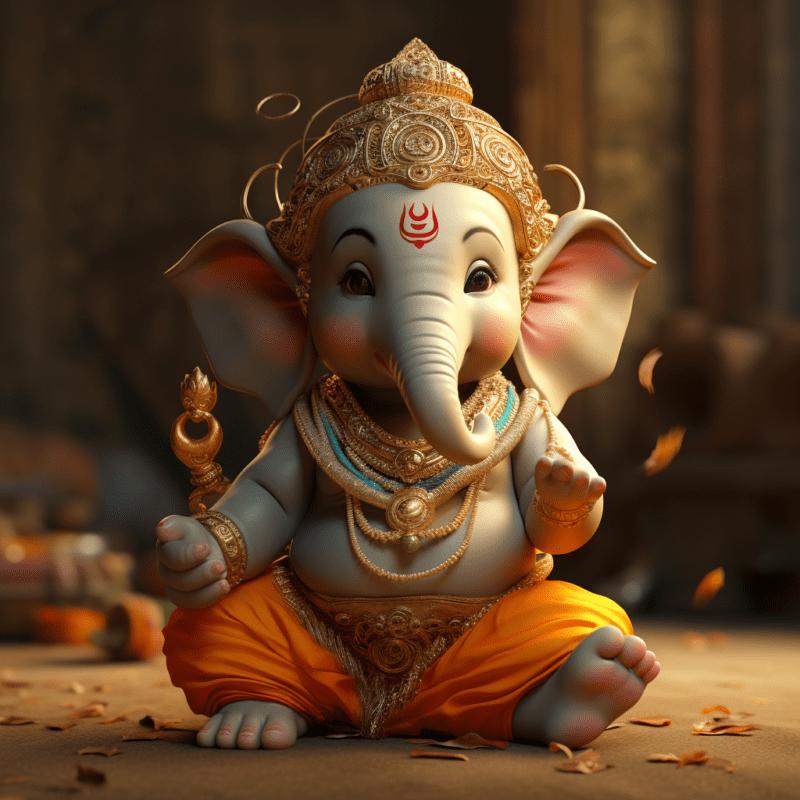
Ganesha Chaturthi, also known as Vinayaka Chaturthi, is one of the most widely celebrated Hindu festivals dedicated to Lord Ganesha, the beloved elephant-headed deity revered as the remover of obstacles and the god of beginnings. This festival typically falls in the Hindu month of Bhadrapada, usually between August and September, and culminates on the fourth day of the waxing moon period.

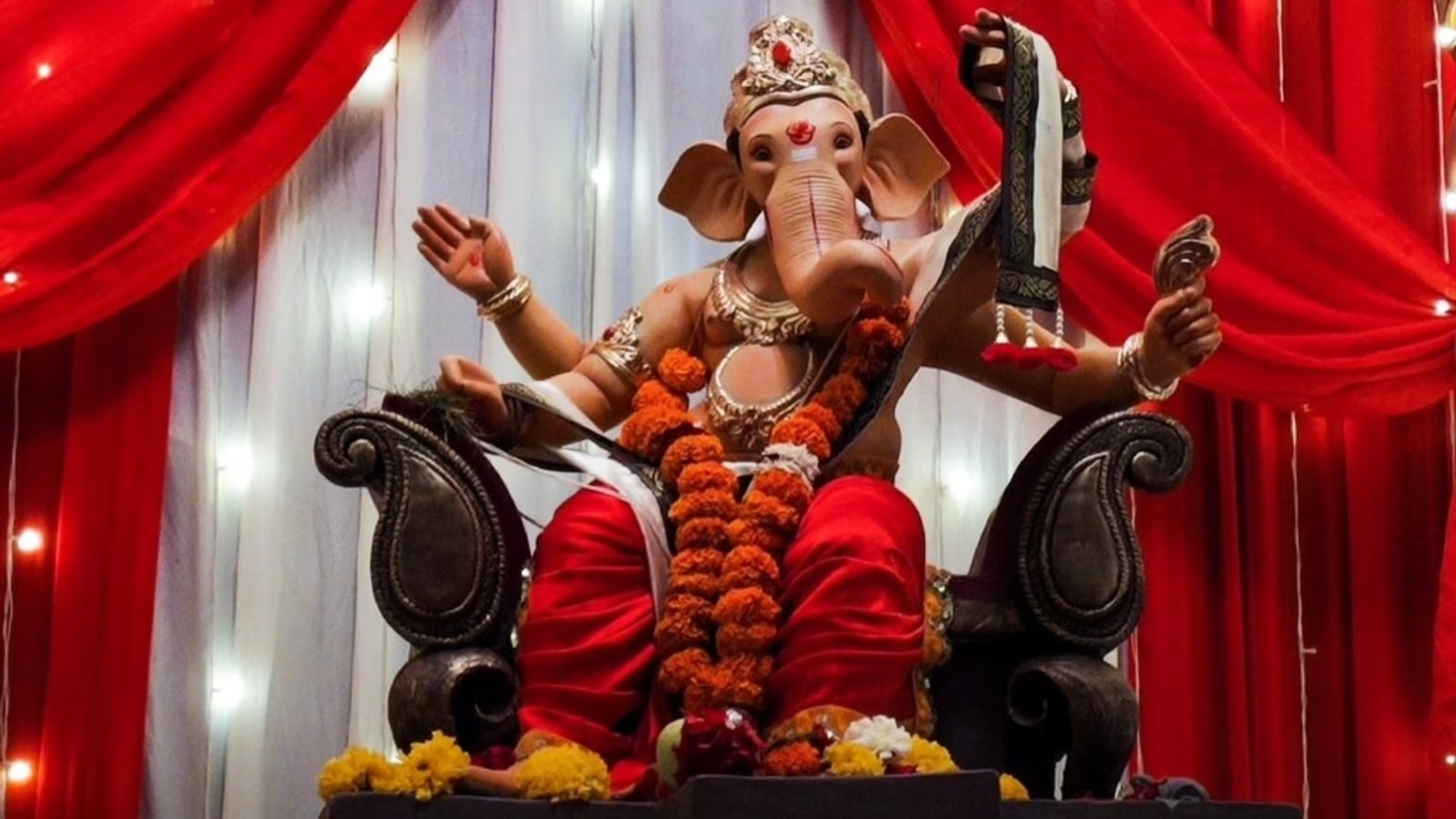
The festival holds immense cultural and spiritual significance across India, with Maharashtra being particularly renowned for its elaborate celebrations. It marks the birth anniversary of Lord Ganesha, who is worshiped for his wisdom, prosperity, and auspiciousness. The preparations for Ganesha Chaturthi begin weeks in advance, with artisans creating intricate clay idols of Ganesha. These idols range from small household icons to colossal statues displayed in public pandals, often adorned with vibrant decorations and flowers.

On the day of the festival, devotees wake up early to cleanse themselves and their homes before installing the Ganesha idols. The installation, known as ‘sthapana’, involves elaborate rituals and prayers conducted by priests or household members. Offerings such as modaks (sweet dumplings), fruits, and coconut are made to Lord Ganesha, accompanied by chants and devotional songs.

Throughout the festival, which can span from one to eleven days depending on traditions and regional customs, devotees engage in daily prayers, bhajans (devotional songs), and visits to Ganesha temples. Public celebrations in Maharashtra often include processions with large idols of Ganesha, accompanied by music and dancing, before culminating in the immersion of the idols in bodies of water such as rivers, lakes, or the sea. This immersion, known as ‘Visarjan’, symbolizes the cycle of creation and dissolution in Hindu cosmology, as well as the impermanence of life.

Ganesha Chaturthi transcends religious boundaries and is celebrated with equal enthusiasm by people of different faiths and backgrounds across India. It fosters a sense of community and unity as neighborhoods come together to organize pandals and festivities. Families and friends exchange visits and sweets, reinforcing social bonds and spreading joy.

The environmental impact of the festival has become a growing concern in recent years. Traditionally, Ganesha idols were crafted from clay, which dissolves in water without harming the ecosystem. However, the use of plaster of Paris (PoP) and chemical dyes in idol-making has raised environmental issues due to their non-biodegradable nature and toxic effects on water bodies. In response, there has been a significant shift towards eco-friendly practices, encouraging the use of natural materials and water-soluble colors for idol creation.

Beyond its religious and cultural dimensions, Ganesha Chaturthi holds a deeper spiritual significance. Lord Ganesha is revered as the ‘Vighnaharta’, the remover of obstacles, and invoking his blessings is believed to bring prosperity, success, and harmonious beginnings in various undertakings. Devotees seek his divine intervention to overcome challenges and fulfill their aspirations with positivity and grace. 

Ganpati Visarjan: Immersion of the idol

Visarjan or Nimajjanam immersion of the idol takes place on the festival’s last day. The 10th consecutive day is popularly known as Anant Chaturdashi. After the festival, these idols are submerged in a river, sea, or any water body. Thousands of devotees gather on the beaches with drums and firecrackers to say goodbye to Lord Ganpati.

Ganesha Chaturthi in 2024 will be observed on August 30th. This auspicious Hindu festival celebrates the birth of Lord Ganesha, the elephant-headed deity who is revered as the remover of obstacles and the god of beginnings.

Date and Time:

  • Date: Saturday 7 September, 2024
  • Time: The festival begins with the installation of Ganesha idols in homes and public pandals. This is usually accompanied by prayers, devotional singing, and offerings. The duration of the festival varies, but typically idols are kept for 1 to 10 days before being immersed in water.

Significance:

  • Ganesha Chaturthi holds significant cultural and spiritual importance across India, especially in Maharashtra where it is celebrated with great fervor. It marks the beginning of the festival season and is a time of joy, community gatherings, and devotion to Lord Ganesha.
  • Devotees believe that invoking Lord Ganesha during this time brings prosperity, success, and removes obstacles from their lives.
  • The immersion of Ganesha idols (Visarjan) symbolizes the cycle of birth and rebirth, reminding people of the impermanence of life.

Ganesha Idols:

  • During Ganesha Chaturthi, elaborate idols of Lord Ganesha are crafted and installed in homes and public pandals. These idols are typically made of clay, plaster of Paris (PoP), or eco-friendly materials to minimize environmental impact.
  • Artisans and sculptors create these idols with intricate designs and decorations, often reflecting cultural motifs and regional styles.
  • The size of Ganesha idols can vary from small ones placed in homes to massive ones displayed in public pandals, attracting thousands of devotees.

Overall, Ganesha Chaturthi is a vibrant and joyous festival that celebrates the divine presence of Lord Ganesha and promotes unity, cultural heritage, and spiritual growth among communities.

The Glory and Miracles of the Ganesh Chaturthi

Ganesh Chaturthi, a festival celebrated with immense fervor and devotion across India, holds a profound significance that intertwines cultural heritage, religious traditions, and spiritual beliefs. Lasting for up to ten days, this vibrant festival centers around the worship of Lord Ganesha, the beloved elephant-headed deity known as the remover of obstacles and the god of beginnings.

Historical and Cultural Significance :

The origins of Ganesh Chaturthi can be traced back to the Maratha ruler, Chhatrapati Shivaji Maharaj, who popularized the festival as a public event to promote unity and nationalism. Over time, it evolved into a grand affair celebrated in homes and public spaces alike. The festival typically falls in late August or early September, marking the beginning of the Hindu lunar month of Bhadrapada.

Preparations and Rituals:

Months before the festival, artisans meticulously craft clay idols of Lord Ganesha in various sizes, ranging from small household idols to towering statues that can reach several meters in height. These idols, symbolizing the divine presence of Lord Ganesha, are adorned with vibrant clothing, jewelry, and flowers.

On the day of the festival, devotees gather in homes and at elaborate pandals (temporary stages) erected in neighborhoods and communities. The ritualistic prayers and chants, accompanied by the melodious sounds of bells and drums, create an atmosphere charged with spiritual energy.

The Immersion Ceremony:

One of the most poignant moments of Ganesh Chaturthi is the immersion ceremony, known as Visarjan. On the final day of the festival, amidst chanting and singing, devotees carry the idol of Lord Ganesha in grand processions to nearby bodies of water, such as rivers, lakes, or the ocean. The Visarjan symbolizes the cyclical nature of life and the impermanence of material existence, reinforcing the belief in the eternal spirit of Lord Ganesha.

Cultural Unity and Community Spirit:

Ganesh Chaturthi transcends religious boundaries, uniting people from diverse backgrounds in a shared celebration of faith and cultural pride. The festival serves as a powerful reminder of the values of compassion, tolerance, and communal harmony.

Miracles and Blessings:

Devotees believe fervently in the miracles and blessings bestowed upon them by Lord Ganesha during Ganesh Chaturthi. Many share personal stories of overcoming obstacles, achieving success in endeavors, and experiencing spiritual enlightenment through their devotion to the benevolent deity.

Environmental Consciousness:

In recent years, there has been a growing emphasis on eco-friendly celebrations of Ganesh Chaturthi. Efforts are made to use natural materials for the idols and decorations, such as clay and biodegradable materials, and to minimize environmental impact during the immersion process.


“Miracles of Ganesh Chaturthi”

“Discover the profound spiritual impact of Ganesh Chaturthi, where devotees celebrate the miracles and blessings of Lord Ganesha. From overcoming obstacles to experiencing spiritual enlightenment, this festival embodies faith, hope, and divine intervention.”

“Ganesh Chaturthi “

Ganesh Chaturthi is not merely a festival but a spiritual journey that embodies the essence of devotion, cultural richness, and communal harmony. 

CONTACT US 

Address : Navi Mumbai

Phone : 07021777705

Email : info@whiteauravastustore.com

Ganesh ji aarti lyrics

Ganesh Ji Aarti

Jay Ganesh, Jay Ganesh, Jay Ganesh Devaa I
Maataa Jaakii Paarvatii, Pitaa Mahaadevaa ॥

Ladduan Ka Bhog Lage, Sant Kare Sevaa ॥
Maataa Jaakii Paarvatii, Pitaa Mahaadevaa ॥

Ek Dant Dayaavant, Char Bhujaadhaarii I
Maathe sindur sohai muse ki sawari ॥

Paan Chadhe, Phool Chadhe Aur Chadhe Mewa I
Maataa Jaakii Paarvatii, Pitaa Mahaadevaa ॥

Andhan Ko Aankh Det, Koddhin Ko Kaayaa I
Baanjhan Ko Putra Det, Nirdhan Ko Maayaa ॥

Suurashyaam Shaarann Aae Saphal Kiije Sevaa I
Maataa Jaakii Paarvatii, Pitaa Mahaadevaa ॥

Jay Ganesh, Jay Ganesh, Jay Ganesh Devaa I
Maataa Jaakii Paarvatii, Pitaa Mahaadevaa ॥ 

जय गणेश जय गणेश जय गणेश देवा I
माता जाकी पार्वती पिता महादेवा ॥

लड्डुअन का भोग लगे संत करें सेवा ॥
माता जाकी पार्वती पिता महादेवा ॥

एक दंत दयावंत चार भुजा धारी।
माथे सिन्दूर सोहे मूसे की सवारी ॥

पान चढ़े फूल चढ़े और चढ़े मेवा।
माता जाकी पार्वती पिता महादेवा ॥

अन्धन को आंख देत, कोढ़िन को काया।
बांझन को पुत्र देत, निर्धन को माया ॥

‘सूर’ श्याम शरण आए सफल कीजे सेवा I
माता जाकी पार्वती पिता महादेवा ॥

जय गणेश जय गणेश जय गणेश देवा I
माता जाकी पार्वती पिता महादेवा ॥ 

pure copper bar 1kg

Introducing our premium quality Pure Copper Bar 1kg – a solid, high-density metal bar crafted [...]

Copper bar 1 kg

Presenting our premium quality Copper Bar 1 Kg – a solid, high-density metal bar designed [...]

Copper bar 1kg pure 999

Introducing our premium-grade Copper Bar 1kg Pure 999 – a high-quality solid copper bar crafted [...]

1kg copper bar 999.9

Presenting our premium quality 1kg Copper Bar 999.9 – a solid, investment-grade metal bar crafted [...]

Copper bar 1 kg pure

Introducing our Copper Bar 1 Kg Pure – a premium quality, high-density metal bar crafted [...]

Indrajal Plant Vanaspati Real Natural And Durlabh 8 – 10 inches

Indrajaal Benefits- इंद्रजाल के लाभ Indrajal Benefits (इंद्रजाल के लाभ): On hearing the name of [...]

Original & Energised Siyar Singhi – Gidar Singhi

The “Energised Siyar Singhi – Gidar Singhi” refers to a mystical and rare talismanic object [...]

Hatha Jodi Plant

Authentic Abhimantrit Hatha Jodi Root The Ultimate Bringer of Fortune, Protection & Success Hatha Jodi [...]

Harmony in Home: Exploring the Principles of Vaastu for a Balanced Living Space

In the quest for creating a harmonious living environment, many individuals turn to the ancient Indian science of architecture known as Vaastu. Rooted in the Vedic traditions, Vaastu Shastra provides a comprehensive guide to designing and organizing living spaces to enhance the well-being and prosperity of its inhabitants. In this blog post, we will delve into the principles of Vaastu, exploring its significance and how it can be applied to create a balanced and positive energy flow in your home.

Understanding Vaastu: A Blueprint for Harmony
Vaastu, also spelled Vastu, is a traditional Indian architectural system that blends art, astronomy, and nature. The word “Vaastu” itself means the dwelling of humans and gods, emphasizing the interconnectedness between the built environment and cosmic forces. According to Vaastu principles, the proper alignment of structures can positively influence the energy (prana) within a space, leading to overall well-being.

Key Principles of Vaastu
1. Directional Alignment:
Vaastu places significant importance on the orientation of a building. The main entrance should ideally face a favorable direction, such as east for prosperity, south for fame, west for happiness, and north for wealth.
2. Five Elements (Pancha Maha Bhoota):
Vaastu incorporates the five elements—earth, water, fire, air, and space—in its principles. Balancing these elements in the design and placement of rooms contributes to a harmonious living space.
3. Energy Flow (Vastu Purusha Mandala):
The Vastu Purusha Mandala is a symbolic representation of the cosmic energy grid. Placing rooms and structures in alignment with this grid ensures the proper flow of energy within the living space.
4. Balanced Proportions (Ayadi Calculations):
Vaastu considers the proportions of a building, room, or structure. Ayadi calculations help ensure that dimensions are harmoniously aligned, promoting balance and positive energy.
Applying Vaastu Principles in Your Home
1. Entrance and Main Door:
Ensure that the main entrance is well-lit and inviting. It should ideally face a favorable direction, welcoming positive energy into your home.
2. Bedroom Placement:
Place bedrooms in the southwest or south sides of the house for better health and prosperity. Avoid placing bedrooms in the northeast to prevent disturbances.
3. Kitchen Location:
The kitchen is considered the heart of the home. Place it in the southeast, and ensure that the cook faces east while preparing meals for enhanced positive energy.
4. Living Room Arrangement:
Arrange furniture in the living room to facilitate easy conversation and ensure free movement. Position seating to face north or east for a positive atmosphere.
5. Colors and Décor:
Choose soothing and balanced colors for different rooms based on Vaastu recommendations. Use natural materials and incorporate symbols of positivity for a harmonious atmosphere.
Benefits of Vaastu-Compliant Living Spaces
1. Improved Well-Being:
A Vaastu-compliant home is believed to contribute to physical and mental well-being, creating an environment that promotes health and vitality.
2. Enhanced Prosperity:
Proper alignment and placement of rooms can attract positive energy, leading to improved financial prospects and overall prosperity.
3. Positive Relationships:
Vaastu principles emphasize the importance of balance in relationships. A harmonious living space is thought to foster positive interactions among family members.
4. Stress Reduction:
A well-designed home following Vaastu principles can contribute to stress reduction and create a serene and peaceful environment.
Common Misconceptions about Vaastu
Rigidity in Design:

One misconception about Vaastu is that it requires a rigid adherence to specific design principles. In reality, Vaastu can be adapted to modern architectural styles while preserving its core principles.
Instant Results:

While Vaastu principles can contribute to a positive living environment, expecting immediate results may be unrealistic. The impact of Vaastu is often gradual and cumulative.
Conclusion: Balancing Energies for a Harmonious Home
In conclusion, Vaastu is a profound system that offers valuable insights into creating living spaces that resonate with positive energies. By incorporating these principles into your home’s design and layout, you can strive to achieve a harmonious balance that positively influences various aspects of your life. Remember, the key lies in understanding the fundamental principles of Vaastu and adapting them to create a space that aligns with both tradition and modern living.